

KATHMANDU - LUKLA - NAMCHE BAZAAR - DINGBOCHE - ISLAND PEAK BASE CAMP AND SUMMIT - DINGBOCHE - NAMCHE BAZAAR - LUKLA
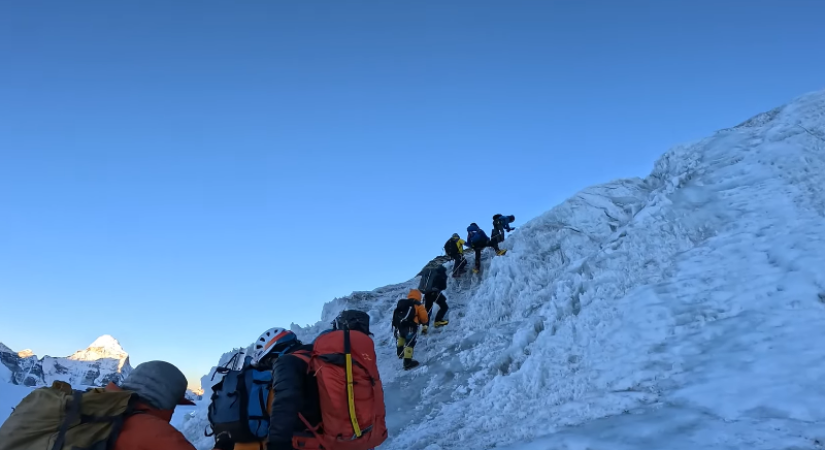
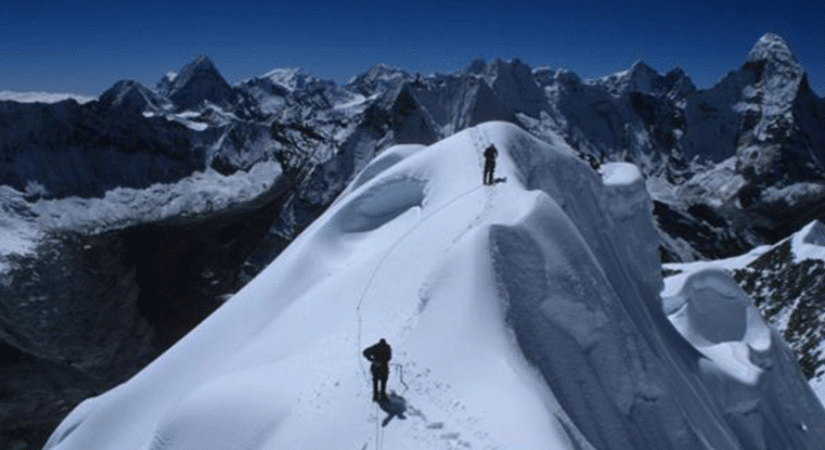


Why Island Peak Climbing?
- Experience Himalayan Climbing – Take on a challenging peak while learning basic mountaineering skills.
- Enjoy Outstanding Mountain Views – See spectacular Himalayan peaks, including Everest, Lhotse, Nuptse, and Ama Dablam.
- Explore the Khumbu Region – Trek through famous mountain landscapes and traditional Sherpa settlements.
- Experience Sherpa Culture – Visit monasteries, meet local communities, and experience the traditions of the Khumbu.
- Challenge Yourself at High Altitude – Test your physical endurance, mental strength, and climbing ability.
- Learn Technical Climbing Skills – Gain practical experience with equipment such as crampons, harnesses, ropes, and ascenders.
- Reach a Himalayan Summit – Standing on the summit of Island Peak provides a memorable sense of achievement.
- Create Lasting Memories – Share the journey with fellow trekkers, climbers, and experienced mountain guides.
Island Peak Climbing Introduction:
Island Peak Climbing, also known as Imja Tse, is a popular trekking peak in Nepal’s Everest Region, standing at 6,189 meters (20,305 feet). The climb combines a high-altitude trek through the Khumbu Valley with a technical summit ascent, offering spectacular views of Mount Everest, Lhotse, Nuptse, Ama Dablam, and other Himalayan peaks.
The journey usually begins with a flight from Kathmandu to Lukla, followed by trekking through Phakding, Namche Bazaar, Tengboche, and Dingboche before reaching Island Peak Base Camp. Proper acclimatization along the route is essential for adjusting to the increasing altitude and preparing for the summit climb.
Island Peak requires basic mountaineering skills and the use of climbing equipment such as crampons, an ice axe, a climbing harness, a helmet, and fixed ropes. The summit section includes steep snow and ice terrain, making appropriate training, acclimatization, and an experienced climbing guide important for a safe and successful ascent.
The climb can be combined with the Everest Base Camp Trek or completed as a standalone Island Peak expedition. It is a rewarding choice for trekkers who want to progress from high-altitude trekking to Himalayan peak climbing while experiencing the landscapes, Sherpa culture, and mountain communities of the Khumbu region.
Why Climb Island Peak with an Experienced Guide?
Climbing Island Peak with an experienced guide gives you practical support during both the trek and the technical climb. The main reasons include:
- Better Altitude Management – An experienced guide monitors your condition, recommends appropriate acclimatization, and recognizes early signs of altitude sickness.
- Route and Mountain Knowledge – Local guides know the Island Peak trail, changing mountain conditions, key landmarks, and difficult sections of the route.
- Technical Climbing Support – Guides can help you use essential equipment such as crampons, harnesses, ropes, and ascenders correctly.
- Glacier and Rope Safety – The upper section can involve snow, ice, and fixed-rope climbing. Experienced guidance helps you move safely through these technical sections.
- Weather-Based Decisions – Mountain weather can change quickly. A guide can assess conditions and help decide when to continue, wait, or turn back.
- Emergency Support – If you become sick, injured, or unable to continue, an experienced guide can coordinate immediate assistance and evacuation procedures.
- Summit-Day Guidance – Summit day starts early and can be physically demanding. Your guide manages the pace, route, equipment, and climbing strategy toward the summit.
- Local Experience and Logistics – A local guide helps organize accommodation, meals, permits, equipment arrangements, and daily trekking logistics.
- Support for First-Time Climbers – If Island Peak is your first Himalayan climbing experience, a guide provides practical instruction and confidence on technical terrain.
- A Safer and Better-Managed Climb – Most importantly, an experienced guide allows you to concentrate on your physical and mental effort while a professional manages many of the climbing and safety details.
Who Can Climb Island Peak?
Island Peak is suitable for fit trekkers and beginner mountaineers who are prepared for a challenging high-altitude climb. You do not need previous Himalayan summit experience, but you should be comfortable trekking for several hours a day and willing to learn basic climbing skills.
- Fit and healthy trekkers with good endurance
- First-time climbers with proper training and preparation
- Experienced trekkers looking for their first Himalayan peak
- People comfortable walking on steep, rocky, snowy, and icy terrain
- Climbers who can learn to use crampons, harnesses, ropes, and an ascender
- Anyone prepared for high altitude, cold weather, and a long summit day
Previous mountaineering experience is helpful but not always essential. With proper acclimatization, physical preparation, suitable equipment, and an experienced guide, well-prepared beginners can attempt Island Peak.
Island Peak Climbing Outline
Day 01: Kathmandu to Lukla & Trek to Phakding (2,610 m) — 8 km | 3–4 hrs
Day 02: Phakding to Namche Bazaar (3,440 m) — 10–11 km | 5–6 hrs
Day 03: Acclimatization Day in Namche Bazaar (3,440 m) — 3–4 km | 2–4 hrs optional hike
Day 04: Namche Bazaar to Tengboche (3,867 m) — 9–10 km | 5–6 hrs
Day 05: Tengboche to Dingboche (4,410 m) — 10–11 km | 5–6 hrs
Day 06: Dingboche to Chhukung (4,730 m) — 5–6 km | 3–4 hrs
Day 07: Chhukung to Island Peak Base Camp (5,100–5,200 m) — 5–7 km | 4–5 hrs
Day 08: Island Peak Base Camp to High Camp (5,500–5,600 m) — 3–4 km | 3–5 hrs
Day 09: Island Peak Summit (6,189 m) & Return to Base Camp — 10–12 km | 10–12 hrs
Day 10: Island Peak Base Camp to Pangboche (3,985 m) — 12–14 km | 6–7 hrs
Day 11: Pangboche to Monjo (2,835 m) — 15–17 km | 6–7 hrs
Day 12: Monjo to Lukla (2,860 m) — 13–14 km | 5–6 hrs
Day 13: Fly from Lukla to Kathmandu & Transfer to Hotel — 35–40 min flight | No trekking
What's included?
- Kathmandu–Lukla–Kathmandu domestic flights, including required ground transfer if flights operate via Ramechhap/Manthal
- Experienced local trekking and climbing guide with the required licenses and climbing experience
- Island Peak climbing permit
- Sagarmatha National Park entry permit
- Khumbu Pasang Lhamu Rural Municipality permit
- TIMS and applicable local trekking fees, where required
- Teahouse accommodation during the trekking section
- Tented accommodation during the Island Peak climbing section
- Breakfast, lunch, and dinner during the trek and climbing period
- Camping and kitchen support at Island Peak Base Camp
- Experienced climbing support for the summit attempt
- Shared technical climbing equipment required for the expedition, such as ropes and other group equipment
- Guide and support staff expenses, including their food, accommodation, transportation, and insurance
- Basic first-aid and emergency support
- Government taxes and service charges
- Trip preparation and climbing briefing before the technical climbing section
- Duffel bag and selected trekking equipment, if provided as part of the package
What's not included?
- International flights to and from Nepal
- Nepal tourist visa fee
- Travel insurance, including high-altitude trekking and emergency evacuation coverage
- Personal climbing equipment, such as mountaineering boots, crampons, ice axe, harness, helmet, ascender, and personal clothing, unless specifically stated as included
- Kathmandu hotel accommodation and meals outside the services mentioned in the itinerary
- Extra hotel nights caused by flight delays, bad weather, early return, or personal changes
- Hot showers, Wi-Fi, battery charging, and laundry
- Tea, coffee, bottled water, soft drinks, alcoholic beverages, and other personal drinks
- Personal snacks and extra food
- Personal expenses and shopping
- Emergency helicopter evacuation or medical expenses not covered by your insurance
- Tips for guides, climbing staff, and porters
- Personal expenses caused by itinerary changes
- Any service not specifically mentioned under “Cost Includes
Day by Day Itinerary
DAY
01
Kathmandu to Lukla & Trek to Phakding (2,610 m)
8 km | 3–4 hrs Lodge
Your Island Peak adventure starts with an early flight from Kathmandu to Lukla, the gateway to the Everest region. After meeting your local expert guide in Lukla, we organize your bags and begin the first walk toward Phakding. The trail passes through Chaurikharka and several small settlements, following the Dudh Koshi River through green hills and mountain scenery.
The first day is intentionally easy. We walk at a comfortable pace, allowing your body to adjust to the Himalayan environment while your guide explains the trail, local culture, and trekking routine. We spend the night in Phakding at a comfortable teahouse.
DAY
02
Phakding to Namche Bazaar (3,440 m)
10–11 km | 5–6 hrs Breakfast, Lunch & Dinner Lodge
After breakfast, we follow the Dudh Koshi Valley through Zamfute, Toktok, Benkar, and Chhamuwa before reaching Monjo. Here, we enter Sagarmatha National Park and continue toward Jorsale. The trail crosses several suspension bridges, including the famous Hillary Bridge, before beginning the main climb toward Namche Bazaar.
The final uphill section is steady, so your guide will keep the pace slow and comfortable. If the weather is clear, you may get your first distant views of Everest along the way. We finish the day in Namche Bazaar, the lively Sherpa trading town and an important acclimatization point.
DAY
03
Acclimatization Day in Namche Bazaar (3,440 m)
3–4 km | 2–4 hrs optional hike Breakfast, Lunch & Dinner Lodge
Today we do not rush anywhere. The purpose of the day is to help your body adjust to the altitude before we continue higher toward Island Peak.
Your local guide will normally take you on a short acclimatization hike around Namche. Depending on conditions, we can visit the Syangboche area, Everest View Hotel, Khumjung, or Khunde, enjoying views of Everest, Ama Dablam, Thamserku, and other peaks. You will then return to Namche for lunch and have time to explore the narrow streets, local shops, bakeries, and Sherpa culture.
DAY
04
Namche Bazaar to Tengboche (3,867 m)
9–10 km | 5–6 hrs Breakfast, Lunch & Dinner Lodge
We leave Namche after breakfast and follow one of the most scenic trails in the Khumbu. The route passes through Kyangjuma and Sanasa, then continues toward Laure before descending toward the Dudh Koshi River. From Phunki Tenga, the trail climbs through pine, fir, and rhododendron forest toward Tengboche.
Tengboche is famous for its beautiful monastery and its impressive mountain setting. Your guide can explain the importance of the monastery and Sherpa Buddhist traditions while you enjoy views of Ama Dablam, Everest, Lhotse, Nuptse, and Thamserku.
DAY
05
Tengboche to Dingboche (4,410 m)
10–11 km | 5–6 hrs Breakfast, Lunch & Dinner Lodge
After breakfast, we descend through the forest toward Deboche and cross the Imja Khola before continuing to Pangboche, one of the oldest and most important Sherpa villages in the region. The trail then follows the Imja Valley through Shomare toward Orsho and Dingboche.
As we gain altitude, the landscape becomes drier and more open, with fewer trees and much larger mountain views. Ama Dablam, Lhotse, Island Peak, and the surrounding Himalayan peaks become increasingly impressive. Your guide will pay close attention to your walking pace, hydration, and overall condition because we are now entering higher altitude.
DAY
06
Dingboche to Chhukung (4,730 m)
5–6 km | 3–4 hrs Breakfast, Lunch & Dinner Lodge
Today is a shorter walking day, but the altitude makes it important. We leave Dingboche and follow the Imja Valley toward Bibre and the small settlement of Chhukung. The trail is relatively gentle compared with some previous sections, giving us time to enjoy the high mountain landscape.
From Chhukung, you can see Island Peak, Lhotse, Ama Dablam, and the surrounding peaks much more clearly. Your local expert guide will also discuss the upcoming Base Camp and summit sections, check your climbing equipment, and make sure you are properly prepared for the next stage.
DAY
07
Chhukung to Island Peak Base Camp (5,100–5,200 m)
5–7 km | 4–5 hrs Breakfast, Lunch & Dinner Lodge
Today, the character of the journey changes from trekking toward a mountaineering adventure. We leave Chhukung and follow the trail toward the Island Peak Base Camp, crossing the rugged Imja Valley and increasingly rocky terrain.
There are no large permanent villages beyond this point, so the feeling of entering a remote mountain environment becomes much stronger. Your guide leads carefully over the changing terrain and helps maintain a steady pace. Once we reach Base Camp, the climbing team settles in, checks equipment, and prepares for the climb ahead.
DAY
08
Island Peak Base Camp to High Camp (5,500–5,600 m)
3–4 km | 3–5 hrs Breakfast, Lunch & Dinner Tent
We spend today preparing for the summit rather than covering a long distance. After breakfast, we climb from Base Camp toward Island Peak High Camp, where the terrain becomes steeper and more demanding.
Your local expert climbing guide will review essential techniques and check your climbing equipment, including the harness, crampons, helmet, ropes, and ascender. After reaching High Camp, we rest as much as possible and prepare for an early summit start. A warm meal, hydration, and good rest are especially important tonight.
DAY
9
Island Peak Summit (6,189 m) & Return to Base Camp
10–12 km | 10–12 hrs Breakfast, Lunch & Dinner Tent
This is the biggest day of the expedition. We usually start very early, often before sunrise, because the summit attempt requires a long day and conditions are generally better in the morning.
The climb becomes technical as we move onto snow and ice. Your local expert climbing guide stays with you throughout the difficult sections, providing instructions on rope movement, crampon technique, and safe use of climbing equipment. The final climb demands concentration and determination, but reaching the 6,189 m summit of Island Peak is an unforgettable achievement. From the top, you can enjoy spectacular views toward Lhotse, Nuptse, Ama Dablam, Makalu, Baruntse, and the wider Khumbu Himalaya, depending on weather and visibility.
After spending a short time at the summit, we descend carefully to Base Camp. The descent is also demanding, so your guide maintains a safe pace and assists where necessary. After reaching Base Camp, we rest and recover from the summit attempt.
DAY
10
Island Peak Base Camp to Pangboche (3,985 m)
12–14 km | 6–7 hrs Breakfast, Lunch & Dinner Lodge
After the demanding summit day, today takes us back to lower altitude. We retrace the route through Chhukung and Dingboche, then continue down the Imja Valley toward Shomare and Pangboche.
The descent usually feels easier on the lungs because we are losing altitude, although your legs may still feel tired from the climb. Your guide will keep today's pace comfortable and allow enough time for rest along the way. We spend the night in Pangboche, surrounded by spectacular views of Ama Dablam.
DAY
11
Pangboche to Monjo (2,835 m)
15–17 km | 6–7 hrs Breakfast, Lunch & Dinner Lodge
We continue downhill through Deboche and Tengboche, giving you another opportunity to appreciate the monastery and forest landscape. From Tengboche, the trail descends to Phunki Tenga and then climbs back toward Sanasa and Kyangjuma before reaching Namche Bazaar.
After a break in Namche, we continue through Chhamuwa, Jorsale, and Monjo. The lower altitude brings back greener forests and warmer conditions. By the time we reach Monjo, the major climbing section of the expedition is behind us.
DAY
12
Monjo to Lukla (2,860 m)
13–14 km | 5–6 hrs Breakfast, Lunch & Dinner Guest House
Our final trekking day follows the Dudh Koshi River back toward Lukla. We pass through Benkar, Toktok, Phakding, and Chaurikharka, crossing familiar suspension bridges and enjoying our last views of the Everest region.
After reaching Lukla, your guide will help confirm the next day's flight arrangements and make sure your luggage and climbing equipment are organized. This is a good evening to relax, celebrate the successful Island Peak climb, and say goodbye to the mountain trails.
DAY
13
Fly from Lukla to Kathmandu & Transfer to Hotel | No trekking
28–30 min flight
After breakfast, we walk to Lukla Airport for the flight back to Kathmandu. The flight normally takes around 35–40 minutes, although mountain weather and airport conditions can sometimes cause delays.
After landing in Kathmandu, our team will transfer you to your hotel. You can spend the rest of the day resting, enjoying a comfortable shower, exploring the city, or simply relaxing after completing your Island Peak climbing adventure with our local expert guide.
Departure Dates
| Starts On | Ends On | Price (USD) | Availability | Booking |
|---|
Special Island Peak Offer: Groups of 5 or more people receive 15% off the total trip cost. If you are contacting us for the first time, you can also receive 15% off your booking. We can also customize your itinerary, budget, trekking days, and services according to your preferences and requirements. Contact us to plan your Island Peak adventure your way.
Reviews
Julie carpenter
Australia
A Remarkable Island Peak Climbing Experience with Nepal Everest Guide
2023, OctoberA Remarkable Island Peak Climbing Experience with Nepal Everest Guide I had the pleasure of embarking on an unforgettable Island Peak climbing adventure in the Everest region of Nepal in October 2023, and I owe the success of this incredible journey to the outstanding services provided by Nepal Everest Guide, particularly Mr. Santosh. From the moment I contacted Nepal Everest Guide, Mr. Santosh ensured a smooth and enjoyable experience by offering a reasonable price package that included an experienced guide for the hiking expedition. The recommendation came from a friend, and I’m glad I followed it, as the professionalism and dedication displayed by Mr. Santosh and his team exceeded my expectations. Upon reaching Dingboche, I was introduced to a professional Island Peak guide who not only possessed the necessary expertise but also exhibited a friendly and approachable demeanor. The training provided at the base camp of Island Peak was comprehensive and made the ascent seem more manageable than anticipated. What truly set this experience apart was the efficient organization by Mr. Santosh. Within just two days from Dingboche, we successfully summited Island Peak under the night sky, creating a memory that will last a lifetime. I was accompanied by five other friends, and we all shared in the joy of accomplishing this challenging feat. I extend my heartfelt gratitude to Mr. Santosh for his exceptional management skills, which undoubtedly contributed to making this trip the best in Nepal for myself and my companions. The personalized attention to detail and the seamless coordination ensured that every aspect of the journey was well taken care of. In conclusion, I highly recommend Nepal Everest Guide, and especially Mr. Santosh, for anyone seeking a well-organized, reasonably priced, and immensely satisfying trekking experience in the breathtaking landscapes of Nepal. Thank you once again for a truly remarkable adventure, and best of luck to Nepal Everest Guide in their future endeavors.
Essential Information
Weather, Temperature & Difficulty Level of Island Peak Climbing
Weather: The best seasons for Island Peak Climbing are spring (March–May) and autumn (late September–November), when the weather is generally more stable and mountain visibility is better. The monsoon (June–September) brings rain and cloudy conditions, while winter is much colder with snow and freezing temperatures.
Temperature: Conditions become increasingly cold with altitude. Days can be manageable during the trekking season, but temperatures drop significantly at night and around the summit. Winter brings the lowest temperatures and requires proper cold-weather gear.
Difficulty: Island Peak is a challenging technical climb at 6,189 meters (20,305 feet). The summit involves steep snow and ice sections, fixed ropes, and basic mountaineering equipment such as crampons, an ice axe, harness, and helmet. Good fitness, acclimatization, and basic climbing skills are important for a safe ascent.
Physical fitness and Trip Preparation:
Physical fitness is an essential aspect of preparing for an Island Peak climb in the Everest region of Nepal. The trek to the peak involves long days of hiking at high altitudes, and it is important to be in good physical condition to tackle the challenge. A combination of cardiovascular and strength training is recommended, with an emphasis on building endurance and strength in the legs and core.
In addition to physical fitness, proper trip preparation is also important for a successful Island Peak climb. This includes obtaining the necessary gear, such as proper footwear, warm clothing, and mountaineering equipment, as well as obtaining necessary permits and arranging transportation and logistics.
It is also important to acclimate to high altitude by gradually increasing elevation over several days, allowing the body to adjust to the thinning air. This can be done by trekking to Namche Bazaar and spending a few days acclimating before continuing on to Island Peak.
Finally, it is essential to be prepared for unexpected challenges and to have a flexible attitude and positive mindset. Good trip preparation and physical fitness, combined with a strong will and determination, are key to a successful and safe climb of Island Peak.
When Is the Best Time to Climb Island Peak?
The best time to climb Island Peak is during spring (March to May) and autumn (late September to November). These seasons generally offer stable weather, clearer mountain views, and better climbing conditions. October and November are particularly popular because the post-monsoon skies are often clear and visibility is excellent.
Spring (March to May)
Spring is an excellent season for Island Peak Climbing. Temperatures gradually become warmer, the weather is generally stable, and the trails and mountain landscapes are clear. April and May are also busy months in the Everest region because many mountaineering expeditions are active around Everest.
Autumn (Late September to November):
Autumn is considered one of the best seasons for Island Peak Climbing. After the monsoon, the skies usually become clear, rainfall decreases, and visibility improves. October and November provide favorable conditions for trekking to Island Peak Base Camp and attempting the summit.
Winter (December to February)
Island Peak can be climbed in winter, but freezing temperatures, strong winds, snow, and shorter daylight hours make the ascent more demanding. Winter climbing is better suited to experienced climbers who are properly equipped and prepared for severe cold.
Summer and Monsoon (June to September)
The June to September monsoon season is generally not recommended for Island Peak Climbing. Rain, cloud, wet trails, and poor mountain visibility can make the approach trek and travel to the Everest region more difficult. Climbing conditions can also become less predictable.
Overall, spring and autumn are the most suitable seasons for Island Peak Climbing, with autumn often preferred for its clear skies and excellent mountain visibility.
Island Peak Climbing Permit Cost:
The Island Peak climbing permit for foreign climbers varies by season. For 2026, the official peak permit rates are USD 250 in spring (March–May), USD 125 in autumn (September–November), and USD 70 during summer/monsoon (June–August) and winter (December–February).
| Climbing Season | Island Peak Permit |
|---|---|
| Spring: March–May | USD 250 |
| Autumn: September–November | USD 125 |
| Summer: June–August | USD 70 |
| Winter: December–February | USD 70 |
Note: The climbing permit is only one part of the total trip cost. Other applicable fees, such as the Sagarmatha National Park entry permit and Khumbu local fee, are separate. Guide, porter, accommodation, meals, transportation, and climbing equipment are also additional unless included in your package.
Is Island Peak climbing safe?
Climbing Island Peak can be safe if proper safety precautions are taken, including hiring a guide, using the right equipment, and being in good physical condition.
Can I hire a guide for Island Peak climbing?
Yes, you can hire a guide for Island Peak climbing. Hiring a guide is highly recommended for those who are not experienced in technical climbing.
How physically demanding is Island Peak climbing?
Island Peak climbing is physically demanding and requires a high level of fitness. The ascent involves steep and exposed terrain, and requires the use of fixed ropes and technical mountaineering equipment.
What kind of equipment do I need for Island Peak climbing?
For Island Peak climbing, you will need technical mountaineering equipment, including crampons, ice axes, harnesses, and ropes.
What is the best time to climb Island Peak?
The best time to climb Island Peak is during the spring season (March to May) and the autumn season (September to November).
How high is Island Peak?
Island Peak stands at an elevation of 6,189 meters above sea level.
Where is Island Peak located?
Island Peak is located in the Solu-Khumbu region of Nepal, within the Sagarmatha National Park.
What is Island Peak climbing?
Island Peak climbing is a challenging mountain climb in the Everest region of Nepal. The peak stands at an elevation of 6,189 meters and is considered one of the most popular peaks to climb in the region.
What kind of experience do I need for Island Peak climbing?
A basic level of experience in technical climbing is recommended for Island Peak climbing, although it is possible to complete the climb with a guide.
What type of equipment do I need to bring for the trek?
- Backpack with a capacity of around 40-50 liters,
- Comfortable and sturdy hiking boots,
- Warm clothing, including a down jacket, insulated pants, and several layers of fleece or wool,
- Waterproof and windproof outer layer such as a rain jacket or poncho,
- Sun protection, including sunglasses, sunscreen, and a wide-brimmed hat,
- Sleeping bag rated for colder temperatures,
- Headlamp or torch with extra batteries,
- First-aid kit with personal medications,
- Water bottles and a water purification system, such as water purifying tablets or a filter,
- Snacks, energy bars, and electrolyte powders,
- Camera, phone, and charging equipment,
- Maps, a compass, and a GPS device (if you have one),
- Trash bags to pack out your litter,
- Money and important documents, such as a passport and travel insurance.
What is the maximum weight can I take to Lukla in a plane?
The maximum weight you can take to Lukla in a plane is 15 kg in total. This includes both check-in luggage and hand-carry. If you exceed this weight, you will be required to pay an additional fee of USD 1 per kg [1]. It is important to note that this limit is strictly enforced and any excess weight may not be allowed on the plane.
Cancellation Note
- Free cancellation up to 60 days prior departure
- 30% of the total cost of the trip will be charged if cancelled between 60 to 30 days prior to departure date
- 60% of total cost of the trip will be charged if cancelled in between 30 to 14 days prior to departure date.
Web design & Developed by Wildstone Solution
