

KATHMANDU - DHARAPANI - MANANG - YAK KHARKA - MUKTINATH - JOMSOM - TATOPANI - POKHARA


Why Licensed Guide for the Annapurna Circuit Trek?
- Diverse Landscapes: Experience a variety of landscapes, from lush green valleys to high mountain deserts.
- Mountain Views: Stunning views of the Annapurna, Dhaulagiri, and Manaslu ranges.
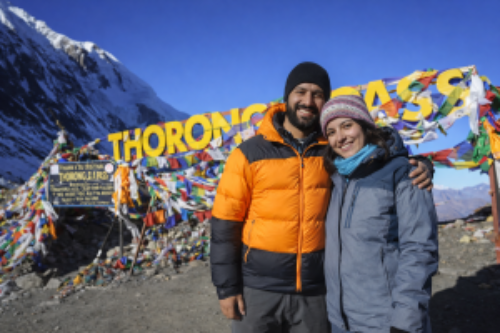
- Throng La Pass: Cross the famous Thorong La Pass, one of the highest trekking passes in the world.
- Cultural Experiences: Visit traditional villages and interact with local people from different cultures, including Gurung and Thakali.
- Natural Hot Springs: Relax in natural hot springs at Tatopani.
- Apple Orchards: Enjoy the fresh apples in the beautiful village of Marpha.
- Breathtaking Sunrise: Witness breathtaking sunrises from Thorong pass top.
- Varied Climate Zones: Trek through different climate zones, from subtropical to alpine.
- Rich Biodiversity: Discover diverse flora and fauna in the Annapurna Conservation Area.
- Local Cuisine: Taste delicious local food, including dal bhat and apple pie.
Annapurna Circuit Trek – Trip Facts at a Glance
Duration: 14–21 days
Distance: Approximately 160–230 km
Highest Point: Thorong La Pass – 5,416 m
Daily Walking: 5–7 hours
Starting Point: Besisahar
Major Highlights: Manang, Thorong La Pass, Muktinath, Jomsom & Marpha
Mountain Views: Annapurna, Dhaulagiri, Manaslu & Nilgiri ranges
Cultural Experience: Himalayan villages, monasteries & local communities
Accommodation: Local teahouses and lodges
Guide Service: Experienced independent local guide with a flexible itinerary
Customization: Trek duration, pace and services can be adjusted to your budget
Group Offer: Special rates available for private groups
Ending Point: Pokhara
Annapurna Circuit Trekking Introduction:
The Annapurna Circuit Trek with an Independent Guide is a flexible and personalized way to explore one of Nepal’s most diverse Himalayan trekking routes. Instead of following a fixed group program, you can trek with an experienced independent local guide and customize your itinerary, walking pace, accommodation, and services according to your interests, time, and budget.
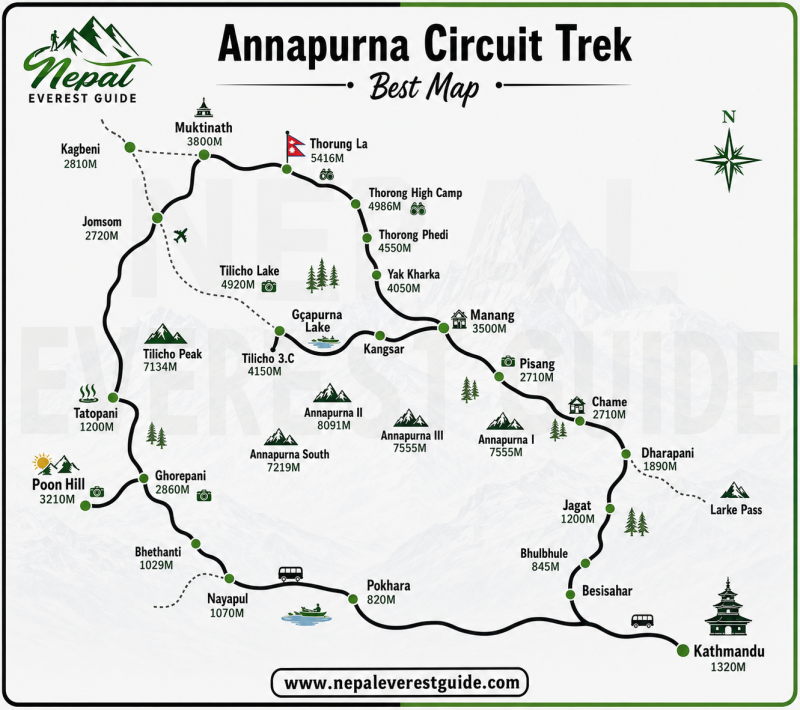
The journey begins with a scenic drive from Kathmandu to Besisahar and continues through the beautiful Marsyangdi Valley. As the trail climbs higher, you pass traditional mountain settlements such as Dharapani, Chame, Pisang, and Manang, experiencing changing landscapes, local cultures, waterfalls, forests, and spectacular Himalayan scenery.
An important part of the trek is acclimatization in Manang, allowing your body time to adjust before heading toward the high-altitude section. From Manang, the route continues toward Thorong Phedi and eventually crosses the famous Thorong La Pass at 5,416 meters, the highest point of the Annapurna Circuit Trek.
After crossing the pass, the landscape changes dramatically as you descend toward Muktinath, an important pilgrimage site for both Hindus and Buddhists. The journey then continues through Kagbeni, Jomsom, Marpha, and Tukuche, following the spectacular Kali Gandaki Valley with views of the Annapurna, Dhaulagiri, and Nilgiri mountain ranges.
One of the advantages of trekking with an independent local guide is the flexibility to adjust the journey along the way. Your guide can help you choose suitable walking days, arrange local teahouse accommodation, recommend acclimatization stops, and adapt the trek to your preferred pace and budget. Private groups can also receive special rates, making this option suitable for couples, families, friends, and small trekking groups.
Depending on your itinerary, the Annapurna Circuit can also be combined with other popular destinations such as Tilicho Lake, Poon Hill, or Annapurna Base Camp. Whether you want a straightforward budget trek or a more customized Himalayan adventure, an independent guide gives you greater flexibility while experiencing the natural beauty and local culture of the Annapurna region.
If you are looking for an affordable, flexible, and personalized Annapurna Circuit Trek, trekking with an experienced independent local guide can be a practical alternative to a large organized group trek.
Annapurna Circuit Trek Preparation:
Prepare for the Annapurna Circuit Trek with regular walking, hiking, and endurance training before your trip. Bring comfortable hiking boots, warm layers, a waterproof jacket, trekking poles, a sleeping bag, water purification, and basic personal essentials.
Acclimatization is important, especially before crossing Thorong La Pass (5,416 m). Allow enough time in Manang, stay hydrated, and avoid ascending too quickly.
Before departure, arrange the required permits, TIMS, and travel insurance covering high-altitude trekking and emergency evacuation. With an independent local guide, you can also customize your pace, acclimatization days, accommodation, and trekking services according to your needs and budget
Why Trek the Annapurna Circuit with an Independent Guide?
- Flexible itinerary – Adjust walking hours, rest days, and overnight stops.
- Local trail knowledge – Get guidance on routes, weather, villages, and teahouses.
- Safer acclimatization – Maintain a suitable pace, especially at higher elevations.
- Personal attention – Enjoy one-on-one support throughout the trek.
- Cultural insight – Learn about local villages, traditions, and Himalayan communities.
- Teahouse support – Get help finding suitable accommodation and meals.
- Emergency assistance – Receive local support if illness, bad weather, or route changes occur.
- Local experience – Travel with someone who knows the Annapurna region firsthand.
Licensed Guide for the Annapurna Circuit Trek Outline
Day 1: Drive to Chamje (1,410 m)
Drive: Approx. 6–7 hours
Day 2: Trek from Chamje to Dharapani (1,960 m)
Distance: Approx. 15 km | Walking: 5–6 hours
Day 3: Trek from Dharapani to Chame (2,675 m)
Distance: Approx. 15 km | Walking: 5–6 hours
Day 4: Trek from Chame to Pisang (3,100 m)
Distance: Approx. 14 km | Walking: 5–6 hours
Day 5: Trek from Pisang to Manang (3,440 m)
Distance: Approx. 15 km | Walking: 5–6 hours
Day 6: Acclimatization Day in Manang (3,440 m)
Walking: 3–5 hours of optional hiking
Day 7: Trek from Manang to Yak Kharka (4,050 m)
Distance: Approx. 10 km | Walking: 4–5 hours
Day 8: Trek from Yak Kharka to Thorong Phedi (4,420 m)
Distance: Approx. 8 km | Walking: 4–5 hours
Day 9: Cross Thorong La Pass (5,416 m) and Trek to Muktinath (3,800 m)
Distance: Approx. 15–16 km | Walking: 7–9 hours
Day 10: Drive from Muktinath to Pokhara
Drive: Approx. 7–9 hours
What's included?
- Bed and Breakfast Accommodation – Enjoy a comfortable stay at a charming hotel or guesthouse during your trekking adventure.
- Pokhara Hotel with Breakfast – One night of hotel accommodation in Pokhara with breakfast included.
- ACAP and TIMS Permits – Annapurna Conservation Area Project (ACAP) entry permit and TIMS card, where applicable.
- Kathmandu to Besisahar Transportation – Convenient local bus transportation from Kathmandu to Besisahar.
- Muktinath to Pokhara Transportation – Local bus transportation from Muktinath to Pokhara.
- Pokhara to Kathmandu Tourist Bus – Comfortable tourist-standard bus transportation from Pokhara to Kathmandu.
- Experienced English-Speaking Guide – Trek with an experienced local guide who provides assistance, route information, and local insights.
- Emergency Helicopter Evacuation Assistance – Emergency evacuation coordination can be arranged if required. Helicopter evacuation costs are subject to your travel insurance coverage and policy conditions.
- Government Taxes – Applicable government taxes are included in the package price
What's not included?
- Lunch and Dinner – Lunch and dinner are not included in the package unless specifically mentioned in the itinerary.
- Additional Nights in Pokhara – Any extra accommodation or additional nights in Pokhara beyond the included stay are at your own expense.
- Travel Insurance – Personal travel insurance, including medical treatment and emergency evacuation coverage, is not included.
- Hotel in Kathmandu – Accommodation in Kathmandu before or after the trek is not included unless stated in the itinerary.
- International Flights and Departure Tax – International airfare and any applicable departure taxes are not included.
- Nepal Entry Visa Fee – The Nepal tourist visa fee must be paid by the traveler.
- Personal Expenses – Any personal expenses incurred during the trek are not included.
- Bar Bills and Beverages – Bar bills and alcoholic or non-alcoholic beverages are not included.
- Emergency Rescue Costs – The cost of rescue or emergency evacuation is not included and should be covered by your travel insurance, according to your policy terms and coverage.
- Tips for Guides and Porters – Tips and gratuities for guides, porters, and other trekking staff are not included and are at the traveler's discretion.
Day by Day Itinerary
DAY
01
Drive from Kathmandu to Chame via Besisahar
10 hrs Breakfast, Lunch & Dinner Lodge
Your Annapurna Circuit Trek with an independent guide begins with a scenic drive from Kathmandu toward Chame. The route follows the Trishuli and Marshyangdi River valleys, passing through Besisahar (760 m), the main gateway to the Annapurna Circuit.
From Besisahar, the road continues through villages including Bhulbhule (840 m), Jagat (1,300 m), and Dharapani (1,860 m). Your guide helps manage the journey while sharing information about the local villages, landscape, and trekking route.
The drive gradually enters the higher Himalayan landscape, with waterfalls, forests, steep hills, and mountain scenery along the way. You arrive in Chame (2,710 m), the administrative center of Manang, where you spend the night and prepare for the trek ahead.
DAY
02
Trek From Chame to Upper pisang- 3,300 meters (10,827 feet)
6 hrs Breakfast, Lunch & Dinner Tea House
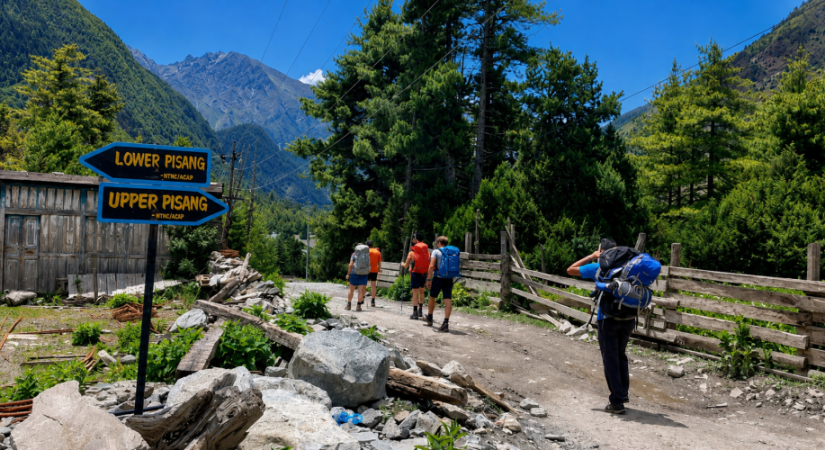
From Chame (2,710 m), today’s Annapurna Circuit Trek continues toward Upper Pisang (3,300 m). The walk covers approximately 14 km and takes 5–6 hours, with a gradual ascent through pine and fir forests alongside the Marshyangdi River.
The trail passes Bhratang (2,850 m) and continues through a narrow valley with dramatic cliffs, waterfalls, and changing Himalayan landscapes. Expect mostly uphill walking, with a few gentle sections that provide short breaks from the ascent.
As you approach Upper Pisang, the scenery becomes drier and more mountainous, with impressive views of Annapurna II, Annapurna IV, and Pisang Peak. Your independent guide helps with navigation and pacing before you settle into your teahouse at 3,300 m.
DAY
03
Upper Pisang (3,300 m) to Manang (3,540 m)
5 hrs Breakfast, Lunch & Dinner Lodge
Today, you trek from Upper Pisang (3,300 m) to Manang (3,540 m), covering approximately 15–16 km in 5–6 hours. The trail follows the upper route through Ghyaru (3,670 m) and Ngawal (3,660 m), with a steady ascent followed by several gradual downhill and level sections.
The trail offers spectacular views of Annapurna II, Annapurna III, Annapurna IV, Gangapurna, and Tilicho Peak. You pass traditional stone-built villages, dry hills, pine forests, and open landscapes as the scenery becomes noticeably more arid and Tibetan-influenced.
After passing Mungji (3,300 m), the trail descends gradually toward Manang (3,540 m). Your independent guide helps maintain a comfortable pace at higher altitude. Manang is an important acclimatization stop, where you can rest and prepare for the higher sections of the Annapurna Circuit.
DAY
04
Acclimatization Day in Manang – Ice Lake or Chongkor View Point
5 hrs Breakfast, Lunch & Dinner Lodge
Today is an important acclimatization day in Manang (3,540 m), with two hiking options. Depending on your fitness, energy, and weather conditions, your independent guide will recommend either the challenging Ice Lake hike or the easier Chongkor View Point excursion.
The more demanding option is Ice Lake (4,600 m), involving a steep ascent and descent with spectacular Himalayan views. Alternatively, hike to Chongkor View Point for a shorter and less strenuous outing overlooking Manang Valley and the surrounding mountains.
After returning to Manang, enjoy lunch and spend the afternoon resting or exploring the village. This active rest day helps your body adjust to higher elevations before continuing toward Yak Kharka and Thorong La Pass.
DAY
05
Trek from Manang to Yak Kharka - 4,020 m (13,189 ft)
5 Hours Breakfast, Lunch & Dinner Lodge
Today, you leave Manang (3,540 m) and trek toward Yak Kharka (4,050 m) on one of the scenic high-altitude sections of the Annapurna Circuit Trek. The Manang to Yak Kharka trek covers approximately 10–11 km and takes around 4–5 hours, with a gradual elevation gain of about 510 meters. The trail passes through Tenki Manang before continuing along the northern side of the Marshyangdi Valley.
As you ascend toward Gunsang (3,960 m), the landscape gradually changes into a dry and rugged alpine environment. You will see juniper bushes, sparse vegetation, open grazing pastures, and dramatic Himalayan scenery, with impressive views of Annapurna III, Gangapurna, and surrounding peaks. The trail consists of gentle uphill sections, short descents, and relatively level stretches, making it important to maintain a steady pace as the altitude increases.
After passing small settlements and traditional yak-grazing areas, you arrive at Yak Kharka (4,050 m), a popular overnight stop on the Annapurna Circuit Trek. Your independent trekking guide maintains a slow and comfortable pace to help you adjust to the increasing elevation. Enjoy the spectacular mountain views and rest well at Yak Kharka, as the next stage takes you toward Thorong Phedi and eventually the challenging Thorong La Pass (5,416 m).
DAY
06
Trek from Yak Kharka to Thorong Phedi or Thorong High Camp
5 Hrs Breakfast, Lunch & Dinner Lodge
Today, you trek from Yak Kharka (4,050 m) toward Thorong Phedi, covering around 7–8 km in 3–4 hours. The trail gradually climbs through dry, rugged Himalayan terrain, crossing small streams and following the upper Marshyangdi Valley. The scenery becomes more barren as you approach the base of Thorong La.
The trail passes through Ledtar (around 4,200 m) before reaching Thorong Phedi (around 4,450 m), the main resting point below the pass. From here, depending on your itinerary, weather, and acclimatization, you may continue to Thorong High Camp (around 4,880 m), adding a steeper uphill section.
Your independent guide will assess your pace and altitude tolerance before deciding whether to stay at Thorong Phedi or continue to High Camp. Spend the evening resting, hydrating, and preparing for tomorrow’s challenging crossing of Thorong La Pass (5,416 m / 17,769 ft).
DAY
07
Trek to Muktinath via Thorong La Pass
8 Hrs Breakfast, Lunch & Dinner Lodge
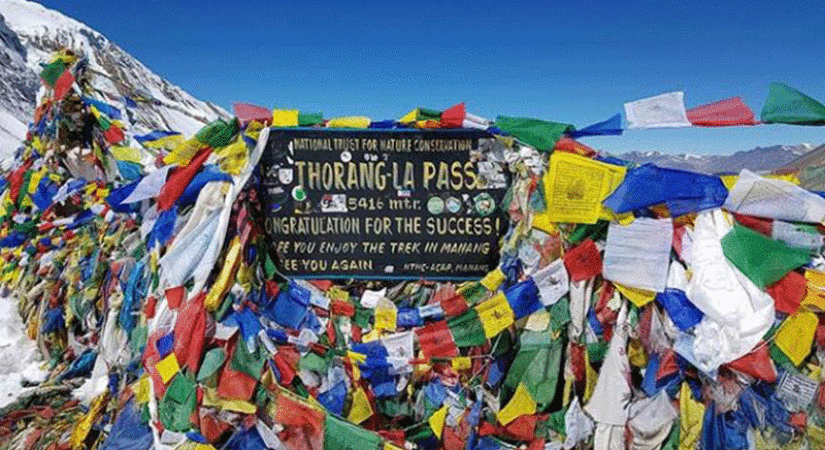
The most challenging and rewarding stage of the Annapurna Circuit Trek begins with an early morning ascent to Thorong La Pass (5,416 m / 17,769 ft), the highest point of the entire route. From Thorong Phedi or High Camp, the trail climbs steadily through cold, rocky, and rugged terrain before reaching the famous pass, decorated with colorful prayer flags and surrounded by spectacular Himalayan panoramas.
Reaching Thorong La Pass is a demanding achievement due to the high altitude, thin air, freezing temperatures, and steep sections of the trail. After celebrating at the pass, the route drops dramatically toward Muktinath (around 3,800 m). The scenery changes noticeably as you descend from the rugged high mountains of Manang into the dry, windswept landscapes of Mustang.
The complete journey covers approximately 14–16 km and takes around 8–12 hours, depending on whether you start from Thorong Phedi or High Camp, as well as your walking pace and trail conditions. Your independent trekking guide maintains an appropriate pace, monitors your condition, and provides support throughout this long and demanding mountain crossing.
Eventually, the trail leads you into Muktinath, one of Nepal's most important pilgrimage destinations, sacred to both Hindus and Buddhists. After successfully crossing Thorong La Pass, take time to relax, enjoy the remarkable change in landscape, and celebrate completing one of the most memorable sections of the Annapurna Circuit Trek.
DAY
08
Drive from Muktinath to Tatopani via Marpha, Jomsom and Kalopani
5 Hrs Breakfast, Lunch & Dinner Lodge
Today, leave Muktinath (around 3,800 m) and drive south through the spectacular Kali Gandaki Valley toward Tatopani. The scenic journey takes approximately 5–6 hours, depending on road and weather conditions. Along the way, you pass Jomsom (2,720 m), the administrative center of Mustang, before continuing through the famous Thakali village of Marpha (2,670 m).
The road then follows the Kali Gandaki through Tukuche (2,590 m) and Kalopani (around 2,500 m), where the landscape changes from the dry, high-altitude terrain of Mustang to greener forests and deeper river valleys. You will see traditional villages, apple orchards, waterfalls, dramatic cliffs, and spectacular views of Dhaulagiri and Nilgiri along the journey.
Continuing south, the road passes through Dana (around 1,400 m) and the dramatic Kali Gandaki Gorge, one of the deepest gorges in the world. After the long descent, you arrive at Tatopani (around 1,190 m), whose name means “hot water.” In the evening, relax in the natural hot springs and enjoy a soothing soak after the high-altitude journey.
DAY
09
Drive from Tatopani to Pokhara – End of the Trek
8 Hrs Breakfast, Lunch & Dinner Hotel in Pokhara
After breakfast, drive from Tatopani (1,190 m) to Pokhara (around 820 m), taking approximately 4–5 hours. Enjoy the changing scenery of green hills, terraced fields, waterfalls, and traditional villages as you leave the Kali Gandaki Valley behind. Your independent guide accompanies you throughout the journey.
Arrive in Pokhara, marking the official end of your Annapurna Circuit Trek with an independent guide. Check into your hotel and enjoy free time around Phewa Lake and Lakeside, or relax after completing the challenging Thorong La Pass (5,416 m) crossing.
Departure Dates
Sorry, No fixed departure dates are listed to group join, please request private trip
"Book Annapurna Circuit Trek with a local freelance guide and get 10% off! Experience breathtaking mountain views, local culture and rich history. Limited time offer, hurry up and contact us now!"
Reviews
Karim Farouk
Egypt
An Unforgettable 10-Day Annapurna Circuit Trek Experience
2025My wife and I recently completed the 10-day Annapurna Circuit Trek, and it was an incredible experience. The landscapes were absolutely breathtaking — from green valleys to snow-capped peaks and charming mountain villages. As travelers from Egypt, the high-altitude trek felt challenging at times, but our guide, Indra, made every step safe and enjoyable, sharing fascinating insights about the local culture and environment.
Our porter Prem was amazing, always cheerful and attentive, making carrying our gear completely worry-free. The combination of their professionalism, knowledge, and friendliness made this trek truly unforgettable. We highly recommend the Annapurna Circuit for anyone seeking adventure, stunning scenery, and a warm, supportive trekking team.
Danny Sigala
Poland
Unforgettable 10-Day Adventure: Renjo La Pass Trek with Nepal Everest Guide
2023The Renjo La Pass Trek with Nepal Everest Guide was an amazing experience! Our guide, Ram, was fantastic—friendly, knowledgeable, and always looking out for us. The views from Gokyo and the pass were stunning, and the trek was challenging but very rewarding. Everything was well organized, and the hospitality throughout the trek made it even better. Highly recommended for anyone looking for adventure and incredible Himalayan scenery. Danny Sigala, Poland
india
Margarte jackey
2021In Nepal, if you are looking for the Best hiking routes I think to go and try the Annapurna base camp trek, which is just the best and magical. Safe Holiday adventure made my best trip with the best guide. thank you good luck
Essential Information
Accommodation and Food on the Annapurna Circuit Trek:
Accommodation and food are available throughout most of the Annapurna Circuit Trek. Teahouses and lodges are the most common options, with facilities varying by village and altitude.
Teahouse Accommodation
Most teahouses provide a private or twin-sharing room, bed, blankets, and shared bathrooms. Hot showers and Wi-Fi may be available for an additional charge. Popular stops such as Manang, Thorong Phedi, Muktinath, and Jomsom have several accommodation options, although facilities become more limited in remote and high-altitude areas.
Food on the Annapurna Circuit
Teahouses serve a variety of Nepali and international food, including dal bhat, noodles, pasta, momos, soups, potatoes, eggs, and Tibetan-style dishes. Tea, coffee, hot chocolate, soft drinks, and other beverages are also widely available.
For better health at altitude, choose freshly prepared, well-cooked meals and drink plenty of fluids. Food and accommodation prices generally increase as you gain altitude because supplies are more difficult and expensive to transport
Is the Annapurna Circuit Trek Difficult ?
The Annapurna Circuit Trek, also known as the Round Annapurna Trek, is a moderate to challenging trek covering around 160–230 km over 16–21 days, depending on the route and itinerary. The biggest challenge is crossing Thorong La Pass (5,416 m), along with long walking days, steep and rocky trails, and changing mountain weather.
You do not need to be an experienced mountaineer to complete the Annapurna Circuit. However, good physical fitness, proper acclimatization, and regular walking or hiking training are important. With the right preparation and a sensible pace, even fit beginners can successfully enjoy this spectacular Himalayan adventure.
Weather, Difficulty, Food, Accommodation, Wi-Fi & How shower:
Weather during Annapurna Circuit Trek: The weather during Annapurna Circuit Trek varies depending on the time of year. During the peak trekking season, which is from September to November, the weather is usually clear and warm during the day and cold at night. However, during the monsoon season from June to August, the trek can be wet and rainy, making it more challenging.
Difficulty of Annapurna Circuit Trek: Annapurna Circuit Trek is considered a moderate to challenging trek due to the high altitude and long distance covered. It requires a good level of physical fitness and prior hiking experience is recommended. Trekkers will also need to acclimatize properly to avoid altitude sickness.
Food during Annapurna Circuit Trek: During the trek, food is readily available at the numerous tea houses along the way. The menu typically consists of local Nepalese dishes such as dal bhat, momos, and various soups, as well as some Western options. The quality and availability of food can vary depending on the location, but generally, the food is simple and nourishing.
Accommodation during Annapurna Circuit Trek: Accommodation during the trek is provided by the tea houses, which offer basic but comfortable rooms. The rooms typically have twin beds with a blanket and a pillow. Some tea houses also have more comfortable options such as private rooms with en-suite bathrooms.
Wi-Fi during Annapurna Circuit Trek: Wi-Fi is widely available along the Annapurna Circuit Trek, with many tea houses offering Wi-Fi services to trekkers. However, the quality and availability of Wi-Fi can vary, and it may not always be reliable, especially in remote areas.
Shower during Annapurna Circuit Trek: Shower facilities are available at some of the tea houses along the Annapurna Circuit Trek, although the availability and quality can vary. In some tea houses, hot showers are available for a small fee, while in others, trekkers may need to rely on bucket showers. It is recommended to bring a quick-drying towel and toiletries for personal hygiene during the trek.
About Annapurna Circuit Trek:
The Annapurna Circuit Trek is a popular trekking route in Nepal that takes you around the Annapurna massif. The trek takes you through beautiful landscapes of rolling hills, terraced fields, dense forests, and high-altitude deserts. Along the way, you'll also have the opportunity to experience the unique culture and traditions of the local people, including the famous Gurung community. The trek typically takes 12-21 days to complete, depending on your pace and itinerary, and offers some of the best views of the Annapurna peaks, including the 8,091-meter-high Annapurna I. The Annapurna Circuit Trek is considered one of the best trekking routes in the world, attracting thousands of trekkers every year.
Annapurna circuit Trek duration:
The Annapurna Circuit Trek usually takes 12 to 21 days to complete, depending on your pace and itinerary. The length of the trek can vary depending on factors such as the speed at which you trek, your acclimatization schedule, and any side trips you choose to take along the way.
Most trekkers take 12 to 15 days to complete the trek, including acclimatization days. Some trekkers who want to take their time and fully immerse themselves in the local culture may choose to take up to 21 days to complete the trek.
It's important to remember that trekking at high altitude can be physically demanding, so it's essential to pace yourself and allow for adequate rest and acclimatization.
Best Time for Annapurna Circuit Trek: When Should You Go?
The best time for the Annapurna Circuit Trek is spring (March to May) and autumn (September to November). These seasons offer stable weather, clear mountain views, and comfortable trekking conditions.
October and November are especially popular for clear skies and excellent visibility. In spring, the lower trails become colorful with blooming rhododendrons, adding beautiful scenery to the trek.
Winter (December to February) is colder, especially around Thorong La Pass, while monsoon (June to August) brings rain, clouds, and slippery trails. However, the trek can still be possible with proper preparation and a suitable itinerary.
How Difficult Is the Annapurna Circuit Trek?
The Annapurna Circuit Trek is generally considered a moderate to challenging trek. The difficulty depends on your route, daily walking distance, weather, and how well you acclimatize to high altitude. Some sections involve steep ascents and long walking days.
The biggest challenge is crossing Thorong La Pass at 5,416 m (17,769 ft). Altitude sickness can be a concern, so proper acclimatization and a steady pace are important. During the monsoon, some trails can also become muddy or slippery.
With good preparation, suitable trekking gear, and enough acclimatization days, fit beginners with limited high-altitude trekking experience can complete the Annapurna Circuit Trek with proper guidance.
What Trekking Gear Should I Bring for the Annapurna Circuit Trek?
Packing the right trekking gear for the Annapurna Circuit helps you stay comfortable and prepared for changing weather, steep trails, and high-altitude conditions. You do not need to overpack—focus on reliable, lightweight, and practical gear.
- Trekking boots: Comfortable, broken-in boots with good grip and ankle support.
- Daypack: A comfortable 30–40L backpack for daily essentials if you use a porter.
- Clothing layers: Moisture-wicking base layers, fleece, warm down jacket, waterproof jacket and pants, trekking trousers, gloves, and a warm hat.
- Sleeping bag: A warm sleeping bag suitable for cold nights at high altitude.
- Trekking poles: Useful for steep ascents, descents, and uneven terrain.
- Headlamp: Essential for early-morning starts and emergencies.
- Water bottle and purification: Carry reusable water bottles and purification tablets or a reliable water filter.
- Sun protection: Sunglasses, sunscreen, lip balm, and a hat are important at high altitude.
- Personal essentials: Basic first-aid supplies, personal medication, toiletries, power bank, and a small amount of cash.
Pack light and bring only what you need. Many trekking gear items can also be rented or purchased in Kathmandu or Pokhara before the trek. Your trekking agency can provide a detailed packing list based on the season and itinerary.
Annapurna Circuit Trek Cost: How Much Does It Cost?
The Annapurna Circuit Trek usually costs around USD 800–1,500 per person, depending on the trek duration, route, accommodation, transportation, and whether you trek with a guide or porter.
Your trekking budget generally includes permits, accommodation, meals, guide and porter services, and local transportation. Extra expenses such as international flights, travel insurance, personal gear, snacks, hot showers, Wi-Fi, charging, and personal purchases should be planned separately.
For a more accurate estimate, the final Annapurna Circuit Trek cost depends on the itinerary and level of service you choose. A customized package can be arranged based on your preferred budget, trekking days, and accommodation standard.
Average Daily Walking Distance on the Annapurna Circuit Trek:
The average daily walking distance on the Annapurna Circuit Trek is around 8–15 km, depending on the route, altitude, and itinerary. Most days involve 5–7 hours of walking, with longer or more challenging sections near Thorong La Pass.
Your daily distance can be adjusted based on your fitness level, acclimatization, and trekking pace. Taking regular breaks, staying hydrated, and allowing enough time for acclimatization can make the trek more comfortable and enjoyable.
Food and Tea Houses on the Annapurna Circuit Trek
The Annapurna Circuit Trek has good tea house and food facilities throughout most of the route. Tea houses provide simple, comfortable rooms, usually with shared bathrooms, and serve meals such as Dal Bhat, noodles, pasta, momos, soups, and Tibetan-style dishes.
As you reach higher and more remote areas, food choices and accommodation facilities become more basic. Most tea houses provide blankets, hot meals, and charging facilities, while Wi-Fi and hot showers may be available for an additional fee. It is best to carry some snacks and drinking water for longer trekking days.
How to Avoid Altitude Sickness on the Annapurna Circuit Trek:
Trek slowly and allow your body to acclimatize as you gain altitude. Stay well hydrated, avoid alcohol, get enough rest, and include acclimatization days in your itinerary. Do not ignore symptoms such as headache, dizziness, nausea, or unusual tiredness. If symptoms worsen, stop ascending and descend to a lower altitude. A gradual pace and proper acclimatization are key to trekking safely.
Availability medical facilities during the trek:
During the Annapurna Circuit Trek, medical facilities are limited and are mostly in the larger towns. In remote locations, the nearest medical facility may be a day or two away. It is important to bring a first aid kit and know how to use it. Additionally, it is important to be aware of the signs and symptoms of altitude sickness, such as headaches, fatigue, and dizziness, and seek medical attention immediately if you suspect you may be suffering from it.
Annapurna Circuit Trek FAQs: Frequently Asked Questions
What is the Annapurna Circuit trek?
The Annapurna Circuit trek is a popular trekking route in Nepal that takes trekkers around the Annapurna mountain range.
How long does the Annapurna Circuit trek take?
The trek can take between 14 to 21 days, depending on the route and the pace of the trekker.
Is the Annapurna Circuit trek difficult?
The trek can be challenging due to its high altitude, steep ascents and descents, and unpredictable weather conditions.
What is the best time to do the Annapurna Circuit trek?
The best time to do the trek is from September to November and March to May, when the weather is clear and dry.
Do I need a permit for the Annapurna Circuit trek?
Yes, trekkers need to obtain a permit to enter the Annapurna Conservation Area, which can be obtained from the Nepal Tourism Board or through a trekking agency.
How high is the highest point of the trek?
The highest point of the trek is Thorong La Pass, which is 5,416 meters (17,769 feet) above sea level.
Is it possible to trek the Annapurna Circuit independently?
Yes, it is possible to trek independently, but it is recommended to hire a guide or porter for safety and support.
Do I need to have previous trekking experience to do the Annapurna Circuit trek?
Some prior trekking experience and good physical fitness are recommended for the trek.
What is the accommodation like along the trek?
Accommodation options include guesthouses, lodges, and teahouses, offering basic facilities such as a bed and shared bathroom.
What food options are available along the trek?
Food options include traditional Nepali dishes such as dal bhat, as well as western options like pasta and pizza.
What is the average cost of the Annapurna Circuit trek?
The cost varies depending on the trekking agency and the duration of the trek, but it can range from $1000 to $2000 USD.
What equipment do I need for the trek?
Equipment such as trekking boots, backpack, sleeping bag, and warm clothing are essential for the trek.
Is altitude sickness a concern on the trek?
Yes, altitude sickness is a concern due to the high altitude of the trek. Trekkers should acclimatize properly and follow recommended precautions.
Are there any health risks on the trek?
There are some health risks such as altitude sickness, dehydration, and gastrointestinal illness. Trekkers should take proper precautions and consult a doctor before the trek.
What is the level of mobile network coverage along the trek?
Mobile network coverage is available in some parts of the trek, but it is not reliable and may not work at higher elevations.
Cancellation Note
- Free cancellation up to 60 days prior departure
- 30% of the total cost of the trip will be charged if cancelled between 60 to 30 days prior to departure date
- 60% of total cost of the trip will be charged if cancelled in between 30 to 14 days prior to departure date.
Web design & Developed by Wildstone Solution
