



Why Kathmandu City Tour?
- Visit Kathmandu Durbar Square – ancient palaces and temples
- Explore Pashupatinath Temple – sacred Hindu pilgrimage site
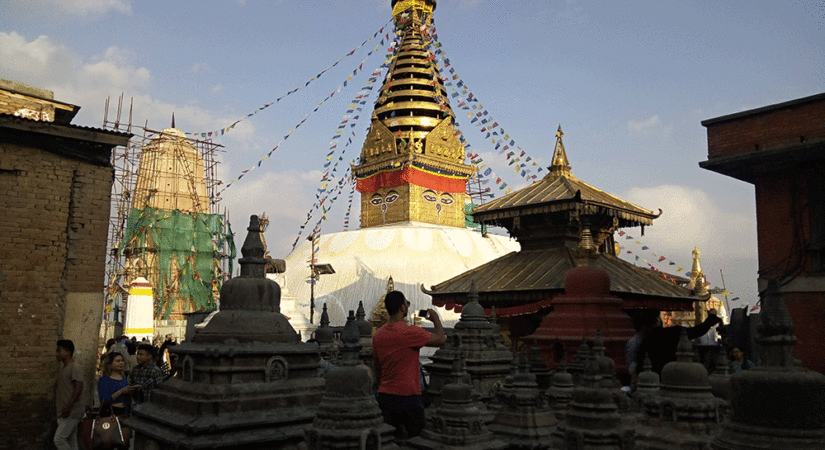
- Discover Swayambhunath Stupa (Monkey Temple) – panoramic city views
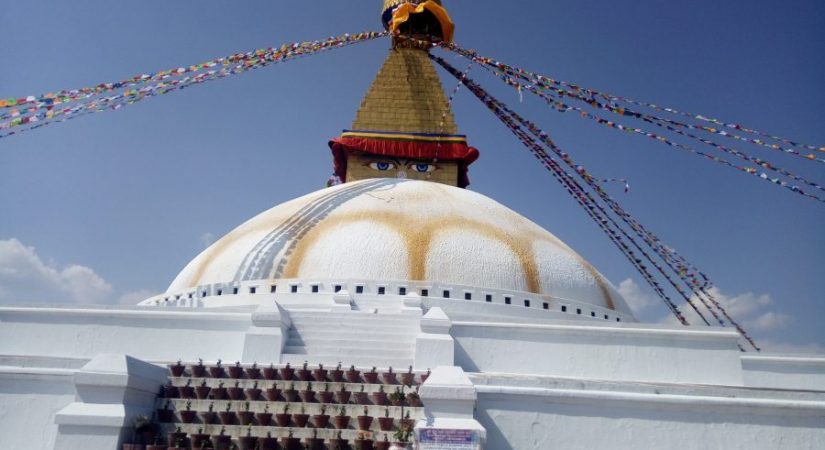
- Experience Boudhanath Stupa – one of the largest Buddhist stupas
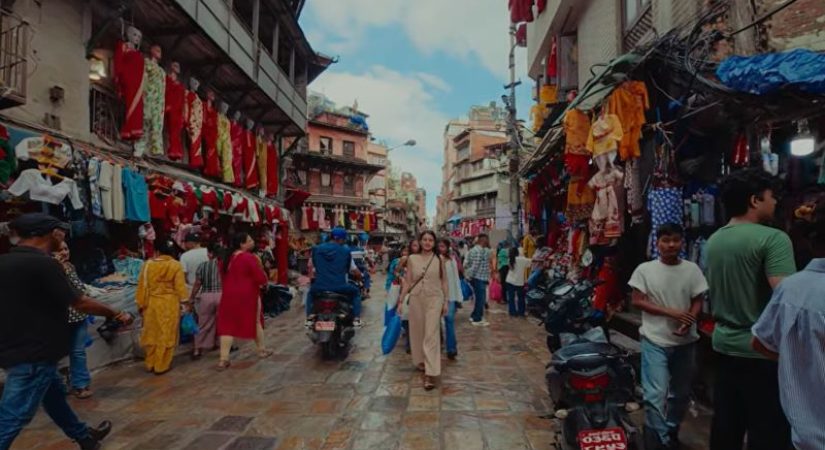
- Walk through vibrant streets and local markets
- Learn about Kathmandu’s rich culture and history from a local guide
- Enjoy comfortable private transportation between sites
- Capture stunning photos of Nepalese architecture and spirituality
Kathmandu City Tour Overview:
A Kathmandu City Tour is the perfect way to discover the history, religion, architecture, and everyday culture of Nepal’s capital in a single well-organized journey. Kathmandu is more than a starting point for trekking in the Himalayas; it is a living cultural city where ancient temples, royal courtyards, Buddhist stupas, traditional neighborhoods, colorful markets, and modern life exist side by side.
With our experienced local guide, you will explore the city beyond simply taking photographs. We explain the history behind the monuments, introduce you to local traditions, point out important architectural details, and help you understand the religious practices taking place around you. Kathmandu Valley is home to seven UNESCO World Heritage monument zones, including its historic palace squares and the religious sites of Swayambhunath, Boudhanath, Pashupatinath, and Changu Narayan.
Explore the Historic Heart of Kathmandu
Your Kathmandu sightseeing begins at Kathmandu Durbar Square, the historic royal center of the old city. Here, you can see the Hanuman Dhoka Royal Palace, Kumari Ghar, the residence of the Living Goddess Kumari, Kasthamandap, Kal Bhairav, Taleju Temple, ancient courtyards, temples, and remarkable Newari woodcarving. The square offers one of the best introductions to Kathmandu’s royal history and traditional architecture.
From the old city, the tour continues to Swayambhunath Stupa, popularly known as the Monkey Temple. Located on a hill above Kathmandu, this important Buddhist and Hindu pilgrimage site provides beautiful views across the Kathmandu Valley. Your guide will explain the meaning of the stupa, prayer wheels, Buddha images, monasteries, and other religious symbols as you explore the hilltop.
Discover Hindu and Buddhist Kathmandu
Next, visit Pashupatinath Temple, one of Nepal’s most important Hindu pilgrimage sites on the banks of the sacred Bagmati River. The temple complex contains numerous shrines, monuments, ghats, and religious spaces. While non-Hindu visitors cannot enter the main temple, your guide can explain the significance of the surrounding area and help you respectfully observe the rituals and cultural life along the Bagmati River.
Your Kathmandu cultural tour then takes you to Boudhanath Stupa, one of the most recognizable Buddhist landmarks in Nepal. The enormous white dome, Buddha eyes, prayer flags, monasteries, prayer wheels, and pilgrims walking around the stupa create a peaceful and deeply spiritual atmosphere. Boudhanath has long been an important center of Tibetan Buddhist culture in Kathmandu.
Experience Local Kathmandu
A good Kathmandu day tour should also give you time to experience the city beyond its major monuments. Depending on your interests and available time, we can walk through Thamel, explore the traditional Asan Market, visit Indra Chowk, or stop at a local restaurant for authentic Nepali food.
Thamel is popular for cafés, restaurants, handicrafts, trekking shops, and souvenirs, while Asan and the surrounding old-city streets offer a closer look at traditional Kathmandu life. These areas allow you to experience the sounds, smells, markets, temples, and daily activities that make the capital different from a typical sightseeing destination. Nepal Tourism Board also highlights Thamel and Asan among Kathmandu’s notable places to visit.
A Kathmandu Tour Designed Around You
Our Kathmandu City Tour with a local guide can be arranged as a private day tour or adjusted according to your interests, walking ability, arrival schedule, and available time. If you want a deeper cultural experience, we can spend more time at the heritage sites and traditional neighborhoods. If you have limited time, we can create an efficient route covering the most important landmarks without unnecessary backtracking.
For travelers staying longer in the Kathmandu Valley, the tour can also be extended to include Patan Durbar Square, Bhaktapur Durbar Square, and Changu Narayan Temple. These sites form part of the Kathmandu Valley’s UNESCO-listed cultural heritage and reveal different aspects of Newari art, architecture, religion, and history.
Whether this is your first visit to Nepal or you are returning for another Himalayan adventure, our Kathmandu City Tour gives you a meaningful introduction to the capital before you head into the mountains. You will see important UNESCO heritage sites, ancient temples, Buddhist stupas, royal courtyards, traditional markets, and local neighborhoods while learning their stories from a knowledgeable local guide.
What to Expect During a Kathmandu City Tour
A Kathmandu City Tour is a cultural and historical journey through the Kathmandu Valley, where ancient temples, Buddhist stupas, royal courtyards, traditional architecture, and everyday local life come together. You can expect a mix of sightseeing, walking, photography, and opportunities to learn about Nepal’s religious traditions and history.
During the tour, you can expect:
- UNESCO World Heritage Sites: Visit four major cultural landmarks—Swayambhunath Stupa (Monkey Temple), Kathmandu Durbar Square, Boudhanath Stupa, and Pashupatinath Temple.
- Ancient architecture: See carved wooden windows, stone sculptures, pagodas, courtyards, temples, and historic royal buildings.
- Buddhist traditions: Experience colorful prayer flags, prayer wheels, monasteries, butter lamps, and the peaceful atmosphere around Boudhanath and Swayambhunath.
- Hindu culture: Discover the sacred atmosphere of Pashupatinath Temple, one of Nepal’s most important Hindu pilgrimage sites.
- Local streets and heritage: Walk through traditional neighborhoods and observe the living culture, festivals, religious practices, and daily life of Kathmandu.
- Art and craftsmanship: See detailed metalwork, stone carvings, traditional paintings, statues, bells, and other examples of Nepalese craftsmanship.
- Valley views: Swayambhunath offers a panoramic viewpoint over Kathmandu Valley when weather and visibility are favorable.
- A flexible sightseeing experience: Depending on your interests and available time, the tour can be arranged at a comfortable pace with time for photography, exploration, and short breaks.
Kathmandu City Tour Outline
- 8:00 am: Pick up from hotel and head to Pashupatinath Temple,
- 8:30 am - 10:00 am: Visit Pashupatinath Temple and explore the complex, including the main temple, the surrounding Ghats, and the cremation areas,
- 10:15 am - 11:45 am: Drive to Swayambhunath (Monkey Temple),
- 12:00 pm - 1:00 pm: Explore Swayambhunath, including the stupa, shrines, and the surrounding market area,
- 1:15 pm - 2:15 pm: Drive to Boudhanath,
- 2:30 pm - 3:30 pm: Visit Boudhanath Stupa, walk around the market area, and interact with the Tibetan community,
- 3:45 pm - 4:30 pm: Drive to Basantapur Durbar Square,
- 4:45 pm - 5:45 pm: Explore the palace complex, including the temples, palaces, and traditional Newari architecture,
- 6:00 pm- Drive back to the hotel.
What's included?
- Experienced English-speaking private city tour guide throughout the sightseeing tour.
- Private comfortable vehicle with a professional driver, selected according to your group size.
- Hotel pick-up and drop-off from your accommodation in Kathmandu.
- Authentic Nepali lunch at a carefully selected local restaurant.
- Private sightseeing transportation between Kathmandu’s major cultural and historical attractions.
- Guide’s transportation, meal and daily expenses during the tour.
- Parking and vehicle charges required during the scheduled sightseeing.
- Flexible sightseeing experience with time for photographs and exploring each selected attraction.
What's not included?
- Entrance fees to UNESCO World Heritage Sites, temples, museums and other monuments visited during the tour.
- Personal expenses, including bottled drinks, snacks, coffee and shopping.
- Travel insurance, including medical, emergency and trip-cancellation coverage.
- Tips and gratuities for the guide and driver, which are appreciated but entirely optional.
- Additional activities or services not included in the agreed itinerary.
- Extra transportation costs resulting from changes or requests outside the planned tour.
- Meals and drinks other than the included local Nepali lunch.
- Any other expenses not specifically mentioned under the “Cost Includes” section.
Day by Day Itinerary
DAY
01
Kathmandu City Tour itinerary
5-6 Hours
8:00 am: Pick Up from Your Hotel
Your guide and driver will meet you at your hotel in Kathmandu to begin the sightseeing tour. After a short introduction, you will get into a comfortable private car, jeep, or van according to your group size. Your guide will explain the day's route and help you understand what to expect at each attraction.
8:30 am – 10:00 am: Explore Pashupatinath Temple
Your first stop is Pashupatinath Temple, one of the most important Hindu pilgrimage sites in Nepal and a UNESCO World Heritage Site. You will walk through the temple complex and explore its traditional pagoda-style architecture, smaller shrines, statues, and sacred spaces.
Non-Hindu visitors cannot enter the main temple building, but you can explore the surrounding areas and view the temple from designated points. Your guide will explain the religious traditions and customs associated with Pashupatinath.
You will also walk toward the Bagmati River, where you can see the ghats used for traditional Hindu cremation ceremonies. Depending on the time and religious activities taking place, you may witness devotees performing rituals, offering flowers, lighting lamps, or praying beside the river. Your guide will explain what you are seeing while allowing you to observe respectfully.
10:15 am – 11:45 am: Drive to Swayambhunath
After exploring Pashupatinath, you will continue by private vehicle toward Swayambhunath, commonly known as the Monkey Temple. The drive takes you through different parts of Kathmandu, giving you a glimpse of the city's busy streets, local neighborhoods, shops, and everyday life.
Your guide can point out interesting places along the way and explain how the old and modern parts of Kathmandu have developed side by side.
12:00 pm – 1:00 pm: Explore Swayambhunath Stupa
You will arrive at Swayambhunath, an ancient Buddhist hilltop complex overlooking Kathmandu Valley. Depending on your preferred walking route, you can climb the stone steps toward the main stupa or approach from another entrance.
At the top, you will see the large white stupa with its golden spire and Buddha's eyes facing in different directions. Walk around the stupa clockwise, spin the prayer wheels, and visit the surrounding shrines, statues, and small temples.
The hilltop also provides a wide view over Kathmandu Valley. You can take photographs of the city, surrounding hills, and religious monuments. You will likely see monkeys moving around the temple grounds, which is why the site is popularly called the Monkey Temple.
Before leaving, you can explore nearby small shops and stalls selling prayer items, handicrafts, souvenirs, and traditional goods.
1:15 pm – 2:15 pm: Drive to Boudhanath Stupa
From Swayambhunath, you will drive across Kathmandu toward Boudhanath. This part of the journey gives you another opportunity to see the changing character of the city, from busy roads and local neighborhoods to the streets surrounding one of Nepal's most important Tibetan Buddhist centers.
Your guide will introduce you to the history and cultural importance of Boudhanath before you begin exploring the stupa.
2:30 pm – 3:30 pm: Visit Boudhanath Stupa
At Boudhanath, you will enter the large open courtyard surrounding one of the world's most recognizable Buddhist stupas. Take a relaxed walk around the stupa while turning the prayer wheels and observing Buddhist devotees making their traditional clockwise circuit.
Look closely at the colorful prayer flags, Buddha images, monasteries, traditional buildings, and shops surrounding the stupa. You can also visit some of the nearby Tibetan Buddhist monasteries if they are open to visitors.
The surrounding streets are filled with Tibetan-style handicraft shops, cafés, restaurants, religious stores, and small businesses. You will have time to browse the area, take photographs, or simply sit at a rooftop café and watch the activity around the stupa.
Your guide will also explain the meaning of the prayer wheels, flags, monasteries, and other Buddhist traditions you encounter during the visit.
3:45 pm – 4:30 pm: Drive to Kathmandu Durbar Square
After Boudhanath, you will continue toward the historic center of Kathmandu. The drive takes you through some of the city's busiest areas before reaching the old palace district.
As you approach Kathmandu Durbar Square, you will notice the change from modern streets to traditional Newari architecture and historic courtyards.
4:45 pm – 5:45 pm: Explore Kathmandu Durbar Square
You will spend the final part of your sightseeing day exploring Kathmandu Durbar Square, the historic royal palace complex in the heart of the old city.
Walk through the ancient courtyards and squares surrounded by traditional Newari buildings, temples, carved wooden windows, stone sculptures, and former royal structures. Your guide will explain the history of the former Kathmandu royal palace and the importance of the monuments around the square.
You can see traditional temples and palace buildings, observe local worshippers, and experience the lively atmosphere of the old city. Depending on the day's opening arrangements, your guide can also help you understand which monuments and museum areas are available to visit.
This is a good place to slow down, take photographs, look at the detailed wood and stone carvings, and observe how historical architecture remains part of everyday Kathmandu life.
6:00 pm: Drive Back to Your Hotel
After completing the day's sightseeing, you will meet your driver and begin the journey back to your hotel. Sit back and relax after a full day exploring Kathmandu's religious, cultural, and historical landmarks.
Your guide will make sure you return safely to your hotel and can also suggest places to eat, shop, or explore independently if you would like to continue your evening in Kathmandu.
Important Note
The above schedule is a suggested timetable and can change depending on traffic, site conditions, festivals, local ceremonies, opening arrangements, and your personal interests. You do not need to rush from one attraction to another. Your guide can adjust the pace where possible so you have enough time for photographs, exploration, and short breaks throughout the day.
Departure Dates
| Starts On | Ends On | Price (USD) | Availability | Booking |
|---|
"Explore Kathmandu's Treasures: 10% off on our City Tour. Embrace the culture, history, and beauty of Nepal's vibrant capital. Limited time offer, book now!"
Essential Information
Traditional Markets Near Kathmandu Heritage Sites
Traditional markets are an important part of a Kathmandu City Tour. Near Kathmandu Durbar Square, you can explore Indra Chowk and Asan, two historic marketplaces with shops selling spices, grains, vegetables, textiles, household goods, beads, and local products.
These busy markets also show everyday Newari life, traditional architecture, and old trading culture. Mangal Bazaar near Patan Durbar Square is another historic market area worth exploring.
Local Food During Kathmandu City Tour:
Kathmandu City Tour gives you a chance to taste traditional Newari and Nepali food, especially around the old heritage areas. Popular choices include samay baji, bara, chatamari, choila, momo, dal bhat, and local achar. Newari cuisine is a distinctive food tradition of the Kathmandu Valley.
For something sweet, try yomari or Bhaktapur’s famous juju dhau (king curd). Food choices vary by restaurant and season, so your guide can suggest a suitable local place based on your taste and dietary preference.
Photography Rules at Kathmandu Heritage Sites:
Photography is allowed in most open areas of Kathmandu heritage sites, including temple courtyards, stupas, traditional buildings, and public squares. However, some sacred interiors have different rules. For example, photography is strictly prohibited inside Pashupatinath Temple, while at Swayambhunath (Monkey Temple), some shrine interiors may restrict photography. At Kumari Ghar, you can photograph the courtyard and architecture, but you must not photograph the Living Goddess when she appears.
Always follow signs, guards, priests, and your guide because rules can differ between temples within the same heritage area. Avoid photographing worshippers, religious ceremonies, and cremation rituals without permission. When in doubt, put your camera or phone away and ask first.
What to Bring for a Kathmandu City Tour
For a Kathmandu City Tour, you do not need special trekking equipment. Most sightseeing involves walking between historic squares, temples, stupas, and busy local streets, so packing light and comfortably is best. Nepal Tourism Board recommends considering the season when choosing clothing, with lightweight clothes useful in warmer months and warmer layers needed during cooler periods.
Essential Things to Bring
- Comfortable walking shoes – Useful for walking through heritage squares, temple areas, and uneven stone streets.
- Water bottle – Carry enough water for several hours of sightseeing.
- Sunglasses and sunscreen – Helpful on sunny days, particularly when spending time outdoors.
- Light jacket or warm layer – Useful during cool mornings, evenings, and winter sightseeing.
- Umbrella or rain jacket – Recommended during the rainy season.
- Small day bag – Convenient for carrying personal items without carrying heavy luggage.
- Phone or camera – Useful for photographing Kathmandu's architecture and scenery, but always follow site-specific photography rules.
- Some Nepali cash – Useful for entrance fees, small purchases, snacks, and local services. Entrance fees at Kathmandu heritage sites are generally paid at the entry point.
- Scarf or shawl – A practical extra layer when visiting religious sites where modest clothing is appropriate.
- Personal medication and basic essentials – Bring anything you normally need during a full day outside.
Important Tip for Religious Sites
Remember that some temples require visitors to remove their shoes, and photography restrictions apply at certain religious sites. At Pashupatinath, for example, the main temple is open only to Hindus, and photography is prohibited inside the temple complex.
What Should You Wear for a Kathmandu City Tour?
There is no strict dress code for a general Kathmandu City Tour, but modest and comfortable clothing is recommended. Wear comfortable trousers, long or knee-length shorts, T-shirts, shirts, or light dresses suitable for walking and sightseeing. Kathmandu can be warm during the day, so lightweight clothing is practical.
When visiting temples and religious sites, dress more respectfully. Avoid very short shorts, sleeveless tops, and revealing clothing, particularly at Pashupatinath Temple, where modest and traditional dress is required. Shoes must also be removed before entering shrines.
What to Wear for Kathmandu Sightseeing
- Comfortable trousers or knee-length shorts
- T-shirts or shirts that cover the shoulders
- Comfortable walking shoes or sandals
- A light jacket during cooler mornings and evenings
- A scarf or shawl for additional coverage at religious sites
- Modest clothing when visiting temples, stupas, and monasteries
Tip: If your Kathmandu City Tour includes Pashupatinath, carrying a light scarf or shawl is useful for covering your shoulders when required.
Kathmandu City Tour Entrance Fees:
For a standard Kathmandu City Tour covering Kathmandu Durbar Square, Swayambhunath, Boudhanath, and Pashupatinath, the current published entrance fees are:
| Kathmandu City Tour Site | Indian Nationals | Other SAARC Nationals | Other Foreign Nationals |
|---|---|---|---|
| Kathmandu Durbar Square | NPR 500 | NPR 500 (BIMSTEC) | NPR 1,000 |
| Swayambhunath Stupa | NPR 50 | NPR 50 | NPR 200 |
| Boudhanath Stupa | NPR 100 | NPR 100 | NPR 400 |
| Pashupatinath Temple | Free | NPR 1,000 | NPR 1,000 |
| Approx. total | NPR 650 | NPR 1,650 | NPR 2,600 |
Can I Customize My Kathmandu City Tour Itinerary?
Yes, you can customize your Kathmandu City Tour itinerary based on your interests, available time, and preferred travel pace. You may choose the cultural sites, temples, stupas, heritage areas, and local experiences you want to visit.
We can also adjust the starting time, sightseeing order, tour duration, and places included in the itinerary. This flexible approach helps you enjoy Kathmandu comfortably without spending time at attractions that are not important to you.
What Is the Best Time for Kathmandu Sightseeing?
The best time for Kathmandu sightseeing is from September to November and March to May, when the weather is generally comfortable for visiting temples, stupas, palaces, courtyards, and viewpoints around the Kathmandu Valley. October and November are especially good because the monsoon has usually cleared the atmosphere, bringing better visibility and pleasant conditions for exploring outdoor attractions. Nepal Tourism Board also notes that the clearest skies are generally found after the monsoon in October and November.
March to May is another excellent period, with mild daytime temperatures and generally suitable conditions for walking between cultural sites. December to February can also be a good choice if you prefer fewer crowds and cooler weather. Kathmandu's winter temperatures are relatively mild during the day, although mornings and evenings can be cold.
June to September is the monsoon season, so rain can make sightseeing less convenient, particularly for outdoor viewpoints and walking tours. However, Kathmandu can still be visited during these months, and indoor cultural attractions remain worthwhile. Nepal Tourism Board confirms that Nepal is a year-round destination despite seasonal weather differences.
For a one-day Kathmandu City Tour, October–November is my top recommendation, followed by March–April. Starting sightseeing in the morning is also practical because you can visit several major cultural attractions before the afternoon becomes busier.
Are entrance fees included in the Kathmandu City Tour?
No, entrance fees are not included in the Kathmandu City Tour package. We keep the entrance fees separate so you only pay for the sites you choose to enter during the tour. This gives you more flexibility and can also help keep the overall tour cost lower. Your guide will assist you with the entrance process and let you know the applicable fee at each sightseeing site, so you can enjoy the tour comfortably without paying for places you may not wish to enter.
Kathmandu Tour FAQs
What is the best time to visit Kathmandu?
Answer: The best time to visit Kathmandu is from September to November or from March to May, as the weather is pleasant during these months.
What are the must-visit places in Kathmandu?
Answer: Some of the must-visit places in Kathmandu include Swayambhunath Stupa, Boudhanath Stupa, Pashupatinath Temple, Kathmandu Durbar Square, and Patan Durbar Square.
How many days should I spend in Kathmandu?
Answer: It is recommended to spend at least 3-4 days in Kathmandu to explore the city and its surrounding areas.
What is the currency used in Kathmandu?
Answer: The currency used in Kathmandu is the Nepalese rupee (NPR).
Do I need a visa to visit Kathmandu?
Answer: Yes, visitors need a visa to enter Nepal. Visas can be obtained on arrival at the airport or at Nepalese embassies and consulates.
What is the language spoken in Kathmandu?
Answer: Nepali is the official language of Kathmandu, but English is widely spoken and understood in the city.
How do I get around in Kathmandu?
Answer: You can get around in Kathmandu by taxi, local buses, or on foot. However, it is recommended to use a taxi or a private vehicle for convenience and safety.
What is the best way to get from the airport to my hotel?
Answer: The best way to get from the airport to your hotel is by taking a taxi. Pre-paid taxi services are available at the airport.
Is it safe to travel alone in Kathmandu?
Answer: Yes, it is generally safe to travel alone in Kathmandu. However, it is important to take necessary precautions and avoid walking alone at night.
What is the food like in Kathmandu?
Answer: The food in Kathmandu is a mix of Nepalese, Indian, and Tibetan cuisine. Dal bhat, momos, and chow mein are some of the popular dishes.
What are some popular dishes to try in Kathmandu?
Answer: Some popular dishes to try in Kathmandu include dal bhat, momos, chow mein, Newari cuisine, and Thakali cuisine.
What should I wear while touring Kathmandu?
Answer: It is recommended to wear comfortable and modest clothing while touring Kathmandu. Shorts and revealing clothing should be avoided while visiting temples and other religious sites.
What are the entry fees for tourist attractions in Kathmandu?
Answer: The entry fees for tourist attractions in Kathmandu vary, with some sites having free entry and others charging a small fee.
Are there any cultural norms or customs to be aware of in Kathmandu?
Answer: It is important to be respectful of Nepalese customs and traditions while in Kathmandu. Removing shoes before entering temples and avoiding public displays of affection are some examples of cultural norms to be aware of.
What are some popular shopping destinations in Kathmandu?
Answer: Thamel, Asan Bazaar, and New Road are some popular shopping destinations in Kathmandu.
What are some popular trekking destinations near Kathmandu?
Answer: Some popular trekking destinations near Kathmandu include the Langtang Valley Trek, Everest Base Camp Trek, and Annapurna Circuit Trek.
Sightseeing tour duration in Kathmandu
Ans: Kathmandu valley has 3 districts Bhaktapur, Lalitpur & Kathmandu where you can visit Popular world heritage sites. The Kathmandu sights seeing tour takes about 4 hours if you are doing full day sightseeing. Full day sightseeing means you will visit 4 major cultural and religious sites, and half day sightseeing means you will visit 3 major places except Bhaktapur.
Kathmandu City tour Entry Fees
The cost of the entry fees for a city tour of Kathmandu can vary depending on the attractions you plan to visit. Here's an approximate estimate of the entry fees for some of the popular tourist destinations in Kathmandu:
Pashupatinath Temple: NPR 1,000 (approx. USD 9) for foreigners
Swayambhunath (Monkey Temple): NPR 300 (approx. USD 2.75) for foreigners
Boudhanath Stupa: NPR 300 (approx. USD 2.75) for foreigners
Basantapur Durbar Square: NPR 1,000 (approx. USD 9) for foreigners
What are the other best place to see in Kathmandu beside those 4 places?
There are many other interesting places to visit in Kathmandu besides the four popular tourist destinations mentioned earlier (Pashupatinath Temple, Swayambhunath (Monkey Temple), Boudhanath Stupa, and Basantapur Durbar Square). Here are some additional places you might consider adding to your itinerary:
- Patan Durbar Square: A UNESCO World Heritage Site, this square is renowned for its traditional Newari architecture and rich cultural heritage.
- Changu Narayan Temple: An ancient Hindu temple dedicated to Lord Vishnu, located on a hilltop in Bhaktapur.
- Garden of Dreams: A tranquil oasis in the heart of the city, featuring beautifully manicured gardens and a historic pavilion.
- Bhaktapur Durbar Square: Another UNESCO World Heritage Site, this square is renowned for its traditional Newari architecture and rich cultural heritage.
- Narayanhiti Palace Museum: The former residence of the Nepalese monarchy, now open to the public as a museu
- Thamel: A popular tourist district is known for its vibrant atmosphere, street vendors, and shopping.
Safety tips while doing Kathmandu tour
Here are some important safety tips to keep in mind while on a tour of Kathmandu:
- Keep valuables, including cash and passports, secure and in a safe place.
- Stay aware of your surroundings and be cautious of pickpocketing and theft, especially in crowded areas.
- Avoid traveling alone at night and always be mindful of your personal safety.
- Always drink bottled water and be careful of food that may not be fully cooked or properly stored.
- Make sure you have adequate travel insurance coverage, including medical coverage.
- Respect local customs and dress modestly when visiting religious sites.
- Avoid taking pictures of sensitive sites or people without their permission.
- Be aware of the traffic and take extra caution when crossing roads, as the roads in Kathmandu can be chaotic and dangerous.
- Be mindful of the high-altitude conditions, especially if you're traveling from a low-lying area, and drink plenty of water to stay hydrated.
By following these safety tips, you can help ensure a safe and enjoyable experience while on your tour of Kathmandu.
Best place to eat lunch in Kathmandu city:
There are many great places to eat lunch in Kathmandu, depending on your taste preferences and budget. Some popular options include:
- Thamel: This bustling tourist district is a foodie's paradise, with a wide variety of international and local cuisine options.
- Boudhanath: This area is famous for its Tibetan food, including momos (dumplings) and noodle dishes.
- Patan: This historic city is known for its traditional Newari cuisine, including dishes like dal bhat (lentil soup and rice) and momos.
- Jhamsikhel: This trendy neighborhood is popular for its fusion food, with a variety of Asian and international restaurants.
- Street food stalls: For a truly authentic experience, you can try the street food stalls and food carts that can be found throughout the city, serving up local favorites like chow mein, tandoori chicken, and fried rice.
Regardless of where you choose to eat, be sure to check the hygiene of the food preparation area and choose food that has been fully cooked to reduce the risk of foodborne illness.
Kathmandu City tour with independent Local guide:
Yes, you can make a tour with an independent guide around Kathmandu. Independent guides are individuals who provide tour services without being associated with a tour company. They can offer customized tours, tailored to your specific interests and requirements, and can often provide a more personalized experience compared to group tours.
To find an independent guide, you can search online or ask for recommendations from local hotels or travel agencies. It is important to check the credentials and references of the guide before making a decision, and to agree on the details of the tour, including the itinerary, cost, and terms of payment, in advance.
Using an independent guide for your tour of Kathmandu can be a great way to explore the city and its surroundings at your own pace, while gaining insider insights and knowledge from a local expert.
Kathmandu City tour Guide Salaray
The salary you should give to a guide in Kathmandu will vary depending on a number of factors, including the type of tour, the length of the tour, and the guide's level of experience and expertise. As a general guideline, a full-day tour with a local guide in Kathmandu typically costs between 2,500 and 4,000 Nepalese Rupees (NPR).
It's also important to consider that guides in Nepal often rely on tips to supplement their income, so it is common to give a tip of around 10-20% of the total tour cost. The amount you choose to tip is entirely up to you, but it is a good way to show appreciation for the guide's services and help support the local economy.
When hiring a guide, it's also important to make sure you understand their qualifications and level of experience, and to agree on the details of the tour, including the itinerary, cost, and terms of payment, in advance. This will help ensure that you have a safe, enjoyable, and memorable tour experience.
Kathmandu City Tour Most Asked Questions and Answers(FAQs)
Q: What are the must-visit places in Kathmandu for a day tour?
A: For a single-day tour, the must-visit places in Kathmandu include:
- Swayambhunath Stupa (Monkey Temple)
- Boudhanath Stupa
- Pashupatinath Temple
- Kathmandu Durbar Square
- Patan Durbar Square
Q: How much time should I spend at each location?
A: To cover these places in a single day, allocate approximately 1 to 1.5 hours for each major site. This should allow you to have enough time to explore the key highlights and capture memorable experiences.
Q: What is the best time to start the city tour?
A: It's best to start early in the morning, around 8:00 AM. This will give you enough time to explore the sites without feeling too rushed.
Q: Are entrance fees included in the city tour package?
A: Entrance fees to the monuments are usually not included in the city tour packages. You will need to pay for the entrance fees at each site separately. Be sure to carry enough Nepali Rupees for the fees.
Q: Is transportation provided in the city tour package?
A: Most city tour packages do include transportation to the mentioned sites. Check with your tour operator to confirm if transportation is part of the package or if you need to arrange it separately.
Q: What type of clothing is appropriate for visiting religious sites?
A: Since you'll be visiting religious sites like temples and stupas, it's advisable to dress modestly. Both men and women should avoid wearing revealing clothing. It's best to have your shoulders and knees covered as a sign of respect.
Q: Are there any local restaurants or cafes near these attractions?
A: Yes, there are plenty of local restaurants and cafes near these attractions where you can try authentic Nepali cuisine and other international dishes. However, considering the time constraint of a single day, you might want to opt for a quick snack to maximize your sightseeing time.
Q: Can I hire a local guide at the attractions?
A: Yes, at most major tourist sites, you'll find local guides who can provide you with valuable insights into the history and significance of each place. Hiring a guide is a great way to enhance your experience and learn more about the cultural and historical aspects of the city.
Q: Is photography allowed at these sites?
A: Yes, photography is usually allowed at the sites, but there might be certain restrictions at specific locations. For instance, some religious sites may have restricted photography inside temples. Always ask for permission before taking pictures of people.
Q: Can I customize the city tour itinerary according to my preferences?
A: Absolutely! Many tour operators offer customizable city tour packages. You can discuss your preferences and interests with them to create a personalized itinerary that suits your needs and time constraints.
Cancellation Note
- Free cancellation up to 60 days prior departure
- 30% of the total cost of the trip will be charged if cancelled between 60 to 30 days prior to departure date
- 60% of total cost of the trip will be charged if cancelled in between 30 to 14 days prior to departure date.
Web design & Developed by Wildstone Solution
