

𝑷𝒐𝒌𝒉𝒂𝒓𝒂- 𝑼𝒍𝒍𝒆𝒓𝒊- 𝑮𝒉𝒐𝒓𝒆𝒑𝒂𝒏𝒊- 𝑷𝒐𝒐𝒏 𝑯𝒊𝒍𝒍- 𝑻𝒂𝒅𝒂𝒑𝒂𝒏𝒊- 𝑪𝒉𝒉𝒐𝒓𝒎𝒖𝒏𝒈- 𝑯𝒊𝒎𝒍𝒂𝒚𝒂 - 𝑨𝑩𝑪- 𝑩𝒂𝒎𝒃𝒐𝒐-𝑱𝒉𝒊𝒏𝒖- 𝑷𝒐𝒌𝒉𝒂𝒓𝒂


Why ABC Trek with Independent Guide?
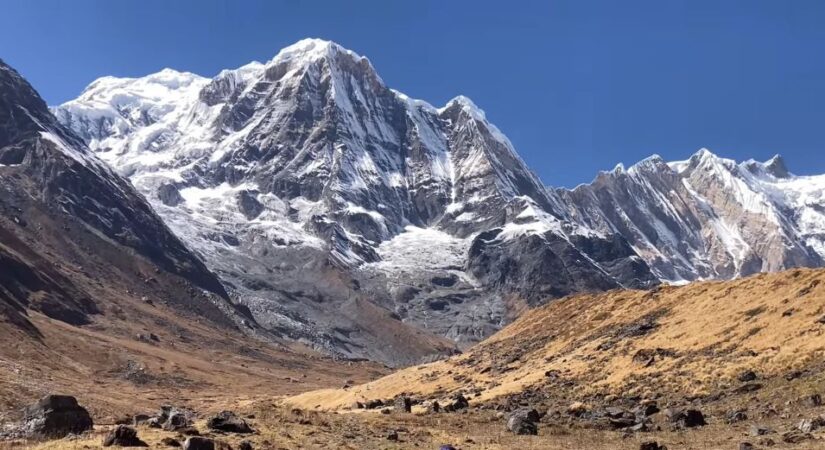
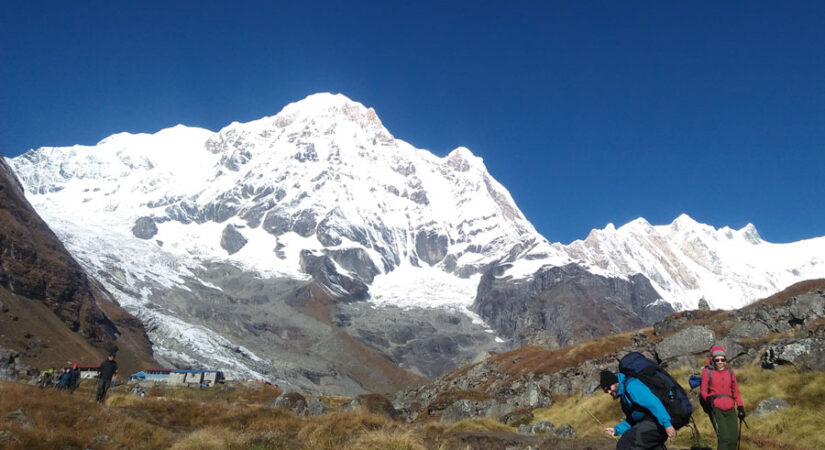
- 360° Mountain Panorama – Stunning views of Annapurna I, Machhapuchhre, Hiunchuli, and other peaks.
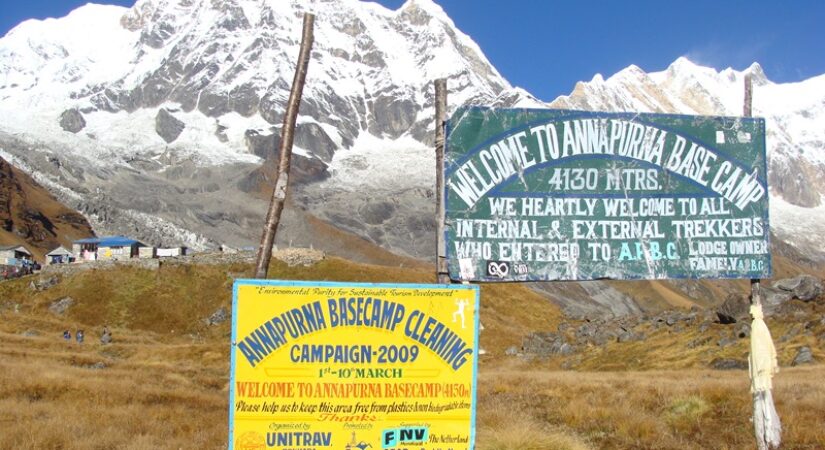
- Annapurna Base Camp (4,130m) – Standing in the natural amphitheater of the Himalayas.
- Ghorepani & Poon Hill Sunrise – Witness a spectacular golden sunrise over the Himalayas from one of Nepal's most famous viewpoints.
- Traditional Gurung & Magar Villages – Experience local culture and hospitality.
- Diverse Landscapes – From rice terraces and rhododendron forests to alpine meadows.
- Hot Springs at Jhinu Danda – Relaxing natural hot water pools after trekking.
- Wildlife & Flora – Rhododendron forests, bamboo groves, and occasional Himalayan wildlife.
- Shorter Duration – Compared to other treks, ABC can be done in 7–12 days.
ABC Trek Fact:
The Annapurna Base Camp (ABC) Trek is one of Nepal’s most rewarding Himalayan adventures, taking you through the beautiful Annapurna Conservation Area. The trail passes through rhododendron forests, terraced farmland, traditional Gurung villages, and stunning mountain landscapes before reaching Annapurna Base Camp (4,130 m). It is a great choice for travelers looking for an authentic Himalayan trekking experience without technical climbing.
Usually completed in 7–10 days, the trek can be adjusted according to your itinerary and fitness level. The route may start from Nayapul or Jhinu Danda and continue through Ghandruk, Chhomrong, Sinuwa, Bamboo, Deurali, and Machhapuchhre Base Camp before reaching Annapurna Base Camp.
The journey offers beautiful views of Annapurna I, Machhapuchhre, Annapurna South, and Hiunchuli, along with waterfalls, bamboo forests, rhododendrons, and diverse mountain landscapes. The best trekking seasons are generally spring (March–May) and autumn (September–November), when the weather and mountain views are usually clear.
Comfortable teahouses provide accommodation and meals, while the trek also gives you the chance to experience the traditions and warm hospitality of the Gurung and Magar communities. Overall, the Annapurna Base Camp Trek combines beautiful scenery, local culture, and adventure, making it a wonderful journey for nature lovers and travelers exploring Nepal.
Reaching Annapurna Base Camp and Exit Routes
Reaching Annapurna Base Camp (ABC) and returning is now easier with flexible routes and transportation options. You can start the trek from Phedi, Nayapul, Siwi, or Jhinu Danda, depending on your time and itinerary. The trek can also end at Swauli Bazar, Nayapul, or Jhinu Danda, giving you more flexibility.
If you finish at Jhinu Danda, you can take a vehicle back to Pokhara. Trekkers with limited time can also start from Jhinu Danda after a short drive from Pokhara. Those with more time can follow the traditional route via Poon Hill to ABC and Phedi, making the Annapurna Base Camp Trek easy to customize according to your schedule and preferences.
Why Choose an Experienced Independent Guide for Annapurna Base Camp?
Choosing an experienced independent guide for the Annapurna Base Camp (ABC) trek can make your journey safer, more flexible, and more enjoyable. A knowledgeable local guide can provide practical support while helping you experience the mountains, villages, culture, and natural landscapes beyond the standard trekking route.
- Personalized Trekking Experience – Enjoy a flexible itinerary and trekking pace based on your interests, fitness level, and daily conditions.
- Local Knowledge of the Annapurna Region – Learn about local villages, Himalayan culture, traditions, trails, wildlife, and mountain landscapes from someone with first-hand regional experience.
- Safety and Emergency Support – Receive practical assistance with changing weather, difficult sections of the trail, altitude-related concerns, and unexpected situations during the trek.
- Motivation and Practical Support – Get encouragement during demanding uphill sections, along with help with navigation, daily trekking routines, and trail decisions.
- Authentic Cultural Experience – Spend time in local villages and learn about the traditions, lifestyle, and communities of the Annapurna region.
- Flexible Route Planning – Adjust daily walking distances, rest days, and overnight stops when trail conditions, weather, or your personal needs require a change.
- Local Advice on Teahouses and Trails – Benefit from first-hand knowledge when choosing accommodation, meals, rest stops, and practical options along the route.
ABC Trek with Independent Guide Outline
Day 1: Pokhara – Nayapul – Tikhedhunga (1,570 m)
5–6 hours trek | Guesthouse
Day 2: Tikhedhunga – Ghorepani (2,860 m)
7–8 hours trek | Guesthouse
Day 3: Poon Hill (3,210 m) – Tadapani (2,610 m)
6–7 hours trek | Lodge
Day 4: Tadapani – Chhomrong (2,170 m)
5–6 hours trek | Guesthouse
Day 5: Chhomrong – Dovan (2,600 m)
6–7 hours trek | Guesthouse
Day 6: Dovan – Machhapuchhre Base Camp (3,700 m)
6–7 hours trek | Guesthouse
Day 7: MBC – Annapurna Base Camp (4,130 m)
2 hours trek | Teahouse
Day 8: Annapurna Base Camp – Bamboo (2,350 m)
6–7 hours trek | Teahouse
Day 9: Bamboo – Jhinu Danda – Drive to Pokhara
5–6 hours trek + drive | Hotel

What's included?
- Round-trip tourist standard bus between Kathmandu and Pokhara.
- Private transportation from Pokhara to Nayapul.
- Shared jeep from Jhinu Danda to Pokhara via Nayapul.
- Full-board meals — breakfast, lunch, and dinner — during the trek.
- Comfortable tea house or lodge accommodation throughout the trekking route.
- Experienced and friendly trekking guide, including salary, meals, accommodation, insurance, and necessary equipment.
- Annapurna Conservation Area Permit (ACAP) and all required trekking permits and paperwork.
- Government taxes, local fees, and official service charges.
What's not included?
- Lunch and dinner in Kathmandu and meals in Pokhara, as specified.
- Optional tours and sightseeing in Kathmandu and Pokhara.
- Pokhara city tour and other optional activities.
- Travel insurance, which is required for the trek.
- International flights to and from Nepal.
- Nepal entry visa fee.
- Personal expenses, including beverages, laundry, internet, Wi-Fi, battery charging, and hot showers in the mountains.
- Personal trekking gear, such as sleeping bags and down jackets.
- Emergency rescue or helicopter evacuation costs, if required.
- Additional expenses caused by itinerary changes due to bad weather, flight delays, natural disasters, or other unforeseen circumstances.
- Extra horse or porter costs if needed due to weather or unexpected trail conditions.
- Tips for guides, porters, and drivers.
- Any other services or expenses not specifically mentioned in the “What’s Included” section.
Day by Day Itinerary
DAY
1
Pokhara to Nayapul (1,070m) - Tikhedhunga (1,570m)
9 kilometers (5.6 miles) Lunch and Dinner Guest House in Ulleri
Today marks the beginning of our Annapurna Base Camp (ABC) Trek. We start with a private car or jeep from Pokhara to Nayapul, enjoying scenic views along the way. From Nayapul, the trail follows the Modi River for about 20 minutes before reaching Birethanti, where your ACAP permit and TIMS card are checked.
From Birethanti, we gradually ascend through small streams, farmlands, and colorful villages, passing Ramghai, Sudame, and Hille. After around two and a half hours of walking, we reach Tikhedhunga, a beautiful stop surrounded by nature and a perfect place to begin the exciting journey ahead.
DAY
2
Tikhedhunga (1,570m) - Ghorepani (2,860m)
12 kilometers (7.5 miles) Breakfast, Lunch & Dinner Guest House in
After breakfast at Tikhedhunga (1,570m), we begin our journey towards Ghorepani (2,860m). The trail crosses two suspension bridges before a steep uphill climb to Ulleri, which takes around two hours. From Ulleri, we follow a stone-paved trail through beautiful mountain landscapes and continue towards Birethanti, where we stop for lunch.
After lunch, we enter the enchanting rhododendron forest and continue towards Namgethanti. The final two-hour walk through the dense forest leads us to Ghorepani, one of the most beautiful stops on the Annapurna Base Camp Trek. Surrounded by stunning mountain scenery, Ghorepani is the perfect place to rest and enjoy the Himalayan atmosphere.
DAY
3
Ghorepani (2,860m) - Poon Hill (3,210m) - Tadapani (2,610m)
11.5 kilometers (7.1 miles) Breakfast. Lunch & Dinner Lodge
From Ghorepani (2,860m), we start early for Poon Hill (3,210m) to witness a spectacular Himalayan sunrise. The panoramic views of the surrounding mountains make this early morning hike truly rewarding. After enjoying the scenery, we return to Ghorepani for breakfast.
We then continue the Annapurna Base Camp Trek towards Tadapani (2,610m) through lush rhododendron forests and scenic mountain trails. The peaceful surroundings and beautiful landscapes make the journey enjoyable before reaching Tadapani, our destination for the day.
DAY
4
Tadapani (2,610m) - Chomrong (2,170m)
8 kilometers (5 miles). Breakfast, Lunch & Dinner Guest House
Starting from Tadapani (2,610m), we descend for about two hours before crossing a suspension bridge over the Kimrung Khola. The trail then gradually climbs towards Gurung Village, passing traditional houses and scenic mountain landscapes. After 40 minutes, we stop at Durbin Danda to enjoy the breathtaking views.
Continuing the journey, a gentle 35-minute walk brings us to Chhomrong, a lively Gurung village with shops, cafés, and a bakery. The spectacular views of Annapurna South and Machhapuchhre (Fishtail) make this section of the Annapurna Base Camp Trek especially memorable.
DAY
5
Chhomrong (2,170m) - Dovan (2,600m)-
11 kilometers (6.8 miles) Breakfast, Lunch & Dinner Guest House
From Chhomrong, the trail descends steeply through the village for about 30 minutes before reaching the river. After crossing the suspension bridge, we climb steadily to Lower Sinuwa, From there, the trail continues uphill through farmlands and lodges to Upper Sinuwa, taking another 35–40 minutes.
Beyond Upper Sinuwa, we enter a beautiful bamboo and forest trail along the mountain cliff. After around 1.5 hours, we reach Bamboo Village, where several lodges are available for lunch and rest. Afterward, a gentle one-hour ascent brings us to Dovan, our overnight destination with a few comfortable lodges.
DAY
6
Chhomrong (2,170m) - Dovan (2,600m)
11 kilometers (6.8 miles) Breakfast, Lunch & Dinner Guest House
After breakfast at Dovan (2,600m), we begin our trek through the beautiful Bamboo forest. The first one-hour ascent is gentle and peaceful, with the soothing sound of the river along the trail. After about 1.5 hours, we reach Himalaya, where we take a short rest and enjoy lunch.
From Himalaya, the trail continues through the forest to Hinku Cave, A further 20-minute walk brings us to Deurali (3,200m). From here, we follow the river and gradually ascend towards Machhapuchhre Base Camp (MBC) (3,705m), where we stop for lunch and acclimatization.
After MBC, we continue for around two hours to reach Annapurna Base Camp (ABC) (4,130m), our final destination. A few lodges are available for accommodation, and on clear days, you can enjoy a spectacular sunset over the Annapurna Himalayas. Staying hydrated and getting enough rest is important for a safe and comfortable stay at ABC.
DAY
7
Machhapuchhre Base Camp (3,700m) - Annapurna Base Camp (4,130m)
2 Hours Breakfast, Lunch and Dinner Tea House
We wake up early at Annapurna Base Camp (4,130m) to witness a spectacular sunrise over the Himalayas, with breathtaking views of Annapurna South, Annapurna I, Fang, and Hiuchuli. The snow-covered peaks create an unforgettable start to the day.
After enjoying the views, we begin our trek back towards Sinuwa. Although we follow the same trail, the changing perspective offers fresh scenery and beautiful views along the way. Today’s journey takes around 7–8 hours of walking, making it a long but rewarding day on the Annapurna Base Camp Trek. In the evening, we stay overnight in Sinuwa, enjoying the peaceful valley views and reflecting on our Himalayan adventure.
DAY
8
Annapurna Base Camp to Bamboo(2350m)
15 kilometers (9.3 miles) Breakfast, Lunch & Dinner Tea House
Today marks the end of our unforgettable Annapurna Base Camp (ABC) Trek. We begin the day by trekking from Sinuwa to Jhinu Danda. The trail descends for about 40 minutes to the river, then for another 40 minutes to Chhomrong Village. From there, we continue downhill to Jhinu Danda, where you can relax in the famous natural hot springs—the perfect way to soothe your muscles after days of trekking.
After lunch and a refreshing soak in the Jhinu Hot Springs, we enjoy an easy 10-minute walk to Jhinu Jeep Station. From here, you can take a jeep or local bus back to Pokhara, a scenic drive of approximately 3 hours.
Upon arriving in Pokhara, you'll have time to celebrate the successful completion of your Annapurna Base Camp Trek with a delicious farewell dinner. It's the perfect opportunity to share stories, reflect on the incredible mountain landscapes, and cherish the unforgettable memories created throughout this remarkable Himalayan adventure.
DAY
9
Bamboo to Jhinu Danda- then Drive to Pokhara.
10 kilometers (6.2 miles) Breakfast Hotel
Start your day early in Bamboo with a warm breakfast before beginning the trek. The trail passes through beautiful forested areas, with birdsong and the gentle flow of nearby rivers. Covering around 10 kilometers (6.2 miles), the route includes uphill sections with beautiful views of the surrounding hills and landscapes.
Take short breaks along the way to rest and enjoy the scenery before reaching Jhinu Danda, famous for its natural hot springs. Relax in the warm waters and soothe your muscles after the trek. Afterward, we drive to Pokhara, enjoying scenic roads through lush green hills, villages, and farmland. The 2–3 hour drive brings you back to Pokhara, where you can relax and enjoy this beautiful lakeside city.
Departure Dates
| Starts On | Ends On | Price (USD) | Availability | Booking |
|---|
Group Special Offer! Trek with a group of 5 or more and get 20% OFF for the first person who contacts us. Plus, enjoy special rates for treks in August, late December, January, and February. Contact us early to secure your best deal!
Essential Information
How Hard is the Annapurna Base Camp (ABC) Trek?
The Annapurna Base Camp (ABC) Trek is a moderate-level trek, suitable for both beginners and experienced trekkers. It usually involves 4–6 hours of walking per day on hilly, sometimes steep trails. With reasonable fitness, good stamina, and preparation, most trekkers can complete the journey comfortably.
Some sections can feel challenging due to the altitude and long walking hours. Maintaining a steady pace, taking regular breaks, and staying hydrated can make the trek easier. An experienced guide can also provide valuable support and local knowledge throughout the journey.
The trek rewards your effort with spectacular views of Annapurna South, Machhapuchhre (Fishtail), and other Himalayan peaks, lush forests, alpine landscapes, and traditional villages. Overall, the ABC Trek offers a rewarding adventure that is challenging yet manageable with proper preparation.
Can You Get Internet, Wi-Fi, and Mobile Network on the ABC Trek?
Wondering about internet, Wi-Fi, and mobile network on the ABC Trek? You can usually find mobile connectivity and Wi-Fi at some teahouses along the route, but the signal can become weak or unavailable in remote sections. Connectivity may also change with weather and location, so downloading maps and important information before starting is a smart idea.
For travelers, the ABC Trek is a great opportunity to disconnect from digital life and enjoy the mountains. If you need regular communication, carry a power bank and inform family or friends about limited connectivity. Our team can also help with trek planning, accommodation, transportation, and local support for a smoother Himalayan adventure.
How Much Cash Should You Carry, and Is There an ATM on the ABC Trek?
Wondering how much cash to carry for the ABC Trek? It is best to take enough Nepalese rupees for accommodation, meals, snacks, hot showers, charging, and other personal expenses throughout the trek.
There are no reliable ATM facilities in the remote sections of the ABC route, so withdrawing cash before starting the trek is highly recommended.
Carry some extra cash for emergencies or unexpected delays. Planning your cash helps you trek comfortably without worrying about finding an ATM along the mountain trail.
Do I Need a Guide for the ABC Trek?
Wondering if you need a guide for the ABC Trek? The Annapurna Base Camp route can be completed independently by experienced trekkers, as the trail is popular and has many teahouses along the way. However, a local guide can make the journey easier by helping with navigation, accommodation, altitude awareness, and unexpected trail conditions llowing you to focus on the Himalayan scenery.
For first-time trekkers, traveling with a professional ABC Trek guide can provide extra confidence and convenience. We can arrange a knowledgeable local guide, transportation, accommodation, permits, and a carefully planned itinerary based on your preferences. Whether you choose to trek independently or with support, proper preparation helps make your Annapurna Base Camp adventure safer, smoother, and more memorable.
What Is the Best Season for the ABC Trek: December, January, March, April, or October?
Choosing the best season for the ABC Trek depends on your weather, scenery, and trekking preferences. October and April are excellent choices, offering generally stable weather, clear mountain views, and comfortable trekking conditions. March is also popular, with blooming rhododendrons adding beautiful color to the trail.
For travelers seeking a quieter experience, December and January can be rewarding, with fewer trekkers and peaceful mountain landscapes. However, temperatures are colder, especially at higher elevations, and snowfall can affect the route. Proper winter clothing and preparation are essential during these months.
If you want the best balance of clear views, pleasant weather, and enjoyable trails, October and April are strong choices. Our team can help you plan the Annapurna Base Camp Trek with suitable transportation, accommodation, permits, and itinerary support, making your Himalayan adventure easier and more enjoyable.
Is the Annapurna Base Camp Trek Safe to Do Alone?
Wondering if the Annapurna Base Camp Trek is safe alone? Yes, experienced travelers can trek independently because the route is popular, well-established, and has plenty of teahouses along the way. However, solo trekkers should prepare carefully, follow the marked trail, check weather conditions, and allow enough time for proper acclimatization. Carrying a phone, offline map, and essential emergency supplies can make your journey more comfortable and confident.
Choosing to trek alone gives you freedom and flexibility, allowing you to walk at your own pace and enjoy the Himalayan scenery. For a smoother experience, we can help arrange permits, transportation, accommodation, and a reliable itinerary you focus on enjoying the adventure. Whether you prefer complete independence or professional support, good preparation makes your Annapurna Base Camp adventure more enjoyable.
ABC Trek Daily Walking Hours and Distance
Wondering how long you walk each day on the ABC Trek? Most travelers walk around 5–7 hours daily, depending on the route, terrain, and walking pace. Daily distance commonly ranges between 8–15 kilometers, with some days feeling easier and others more demanding. The trail includes stone steps, forest paths, and uphill sections, so a steady pace is more comfortable than rushing.
For travelers, understanding the daily walking distance and hours helps with realistic planning. Your walking time may increase on steep sections or when carrying a backpack. Taking short breaks, staying hydrated, and maintaining a comfortable rhythm can make each day easier. A flexible schedule also allows you to enjoy mountain views, villages, and local teahouses without feeling pressured to reach your destination quickly.
ABC Trek Altitude and Acclimatization
The ABC Trek altitude gradually increases as you walk from the lower villages toward Annapurna Base Camp. The highest point reaches around 4,130 meters, so proper acclimatization is important. Walking slowly and maintaining a comfortable pace helps your body adjust to the changing elevation.
During the trek, take enough rest and hydrate, and avoid rushing to higher elevations. Spending nights at suitable altitudes gives your body time to adapt naturally. Eating regular meals and getting enough sleep can also support your trekking performance.
Pay attention to altitude sickness symptoms, including headache, dizziness, unusual tiredness, nausea, or difficulty sleeping. If symptoms become worse, do not continue climbing. Descending to a lower elevation is the safest. Good preparation, gradual ascent, and listening to your body can make the Annapurna Base Camp Trek safer and more enjoyable.
Annapurna Base Camp Trek Solo Cost
The Annapurna Base Camp Trek solo cost depends on your trek duration, accommodation, meals, transportation, permits, and personal spending. Independent trekkers can keep expenses lower by staying in basic teahouses, eating local meals, and using shared transportation. Your daily budget may also change depending on the season and services available along the trail.
When planning the solo trekking budget, include extra money for hot showers, charging, snacks, Wi-Fi, emergency needs, and unexpected delays. Comparing transportation options and choosing simple services can help control costs. A realistic budget allows you to enjoy the Annapurna Base Camp Trek without financial stress while ensuring enough money for unexpected expenses.
Annapurna Base Camp Trek Without a Guide
Trekking to Annapurna Base Camp without a guide is possible for experienced hikers who prefer independence and flexibility. The trail is well-established, with villages, teahouses, and fellow trekkers along the route, making navigation relatively straightforward. Independent trekkers can choose their own accommodation, walking pace, and daily schedule. However, carrying essential gear, checking weather conditions, understanding the route, and preparing for altitude changes are important for a safe and enjoyable journey.
A guide-free Annapurna Base Camp trek can also reduce overall expenses because you do not need to pay guide or porter fees. You should still budget for transportation, accommodation, meals, permits, and emergency expenses. Carrying a map or offline navigation app is recommended, especially around less familiar sections. Although the trek is accessible independently, good preparation, realistic daily distances, proper acclimatization, and awareness of changing mountain weather are essential for a comfortable and responsible trekking experience.
𝗔𝗕𝗖 𝗧𝗿𝗲𝗸 𝘄𝗶𝘁𝗵 𝗜𝗻𝗱𝗲𝗽𝗲𝗻𝗱𝗲𝗻𝘁 𝗚𝘂𝗶𝗱𝗲 𝗙𝗔𝗤𝘀
1. Is the ABC Trek possible with an independent guide?
Yes, you can complete the Annapurna Base Camp trek with a local independent guide without booking a travel company.
2. How many days does the ABC Trek take with an independent guide?
The ABC Trek can usually be completed in around 9 days, depending on your route and trekking pace.
3. Why choose an independent guide for ABC Trek?
An independent guide offers a more flexible and personalized trekking experience, often at a lower cost.
4. Is ABC Trek with an independent guide cheaper?
Yes, avoiding company service charges can help reduce the overall cost while maintaining local guidance.
5. What does an independent ABC Trek guide provide?
A guide can assist with navigation, accommodation, local information, safety, and communication during the trek.
6. Do I need a guide for the Annapurna Base Camp Trek?
Yes, current trekking regulations may require trekkers to use a licensed guide, so check the latest requirements before starting.
7. How much does a 9-day ABC Trek with a guide cost?
The total cost depends on guide fees, permits, accommodation, meals, transportation, and personal expenses.
8. Can an independent guide arrange accommodation on ABC Trek?
Yes, many local guides can help arrange teahouse accommodation along the Annapurna Base Camp route.
9. What permits are needed for ABC Trek?
Trekkers generally need the required Annapurna-area permits, which should be arranged current regulations.
10. Is ABC Trek suitable for beginners?
Yes, ABC Trek is achievable for many beginners with proper preparation, gradual pacing, and guidance from an experienced guide.
11. What is the best season for a 9-day ABC Trek?
Spring and autumn are generally considered the best seasons because of favorable weather and clearer mountain views.
12. What should I pack for ABC Trek?
Pack trekking clothes, warm layers, hiking boots, rain protection, a sleeping bag, a water bottle, first-aid items, and essential personal gear.
13. Is ABC Trek with an independent guide safe?
Hiring a licensed and experienced local guide can improve navigation, communication, and overall trekking safety.
14. Can I customize the ABC Trek itinerary with an independent guide?
Yes, an independent guide can often adjust daily walking distances, rest stops, and route arrangements to suit your needs.
15. How do I find a reliable independent guide for ABC Trek?
Choose a licensed, experienced guide with good reviews, clear pricing, emergency support, and strong knowledge of the Annapurna region.
Cancellation Note
- Free cancellation up to 60 days prior departure
- 30% of the total cost of the trip will be charged if cancelled between 60 to 30 days prior to departure date
- 60% of total cost of the trip will be charged if cancelled in between 30 to 14 days prior to departure date.
Web design & Developed by Wildstone Solution
