

KATHMANDU - LUKLA - NAMCHE - TENGBOCHE - LOBUCHE - EVEREST BASE CAMP - NAMCHE- LUKLA- KATHMANDU
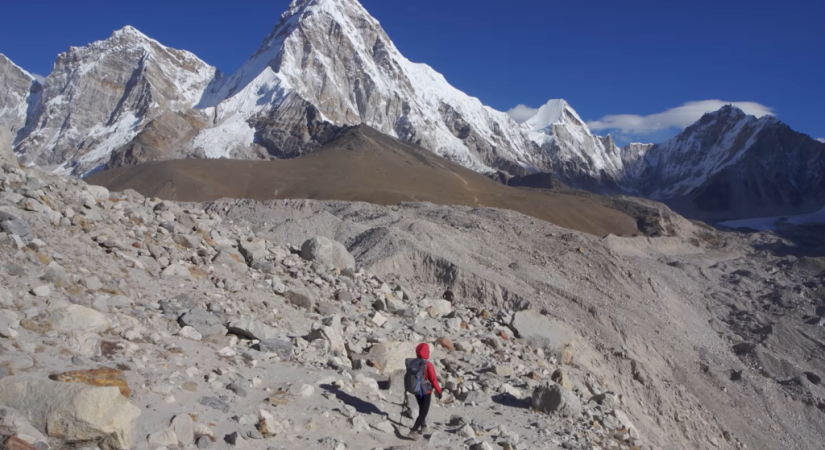
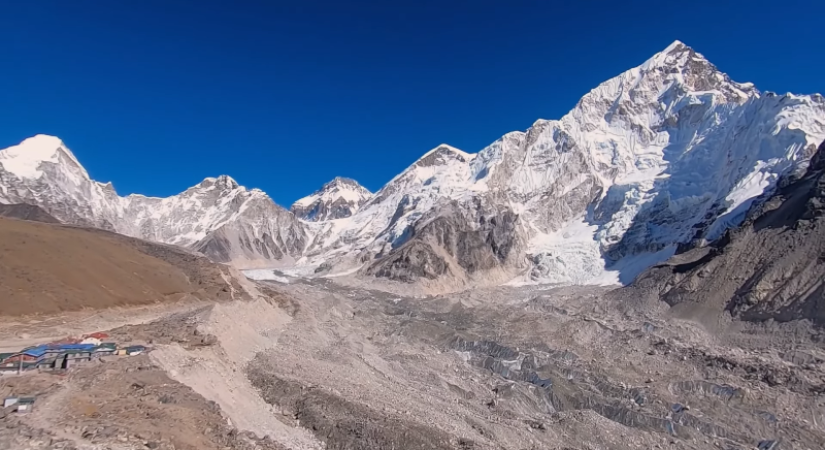
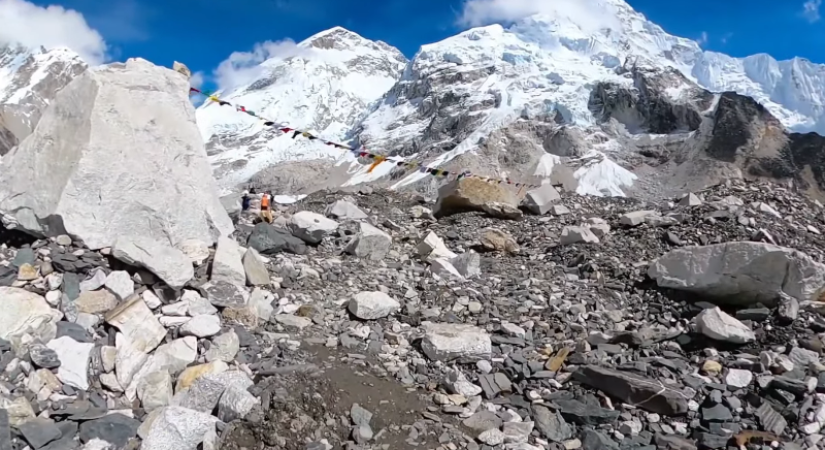


Why Everest Base Camp Trek From Lukla?
- Scenic Flight to Lukla – Enjoy a spectacular mountain flight with breathtaking views of the Himalayas as you approach Lukla.
- Namche Bazaar – Explore the lively Sherpa town, surrounded by magnificent mountain scenery and rich local culture.
- Tengboche Monastery – Visit one of the region’s most important monasteries and experience its peaceful spiritual atmosphere with stunning Himalayan views.
- Khumbu Glacier – Discover the dramatic beauty of the Khumbu Glacier and its incredible surrounding landscapes.
- Kala Patthar – Reach one of the best viewpoints in the Everest region for unforgettable panoramic views of Mount Everest and the surrounding peaks.
- Everest Base Camp – Stand at the iconic base camp of the world’s highest mountain and experience the trek's ultimate highlight.
- Sherpa Culture & Lifestyle – Experience the unique traditions, hospitality, culture, and everyday way of life of the legendary Sherpa people.
- Sagarmatha National Park – Trek through a UNESCO World Heritage Site, home to diverse Himalayan wildlife, rare plants, and spectacular mountain landscapes.
- Hillary Suspension Bridge – Cross the famous suspension bridge over the Dudh Koshi River for an exciting and memorable trekking experience.
- A Lifetime Achievement – Complete the Everest Base Camp Trek and create unforgettable memories from one of the world’s most iconic Himalayan adventures.
Trip Introduction:
Trekking to Everest Base Camp from Lukla is an unforgettable adventure for every trekking enthusiast. Located in the heart of the Khumbu Region, this iconic trek offers breathtaking Himalayan landscapes, challenging trails, rich Sherpa culture, and spectacular views of Mount Everest. The journey begins in Lukla, the gateway to the Everest region, where trekkers can find comfortable and budget-friendly tea houses and lodges along the route.
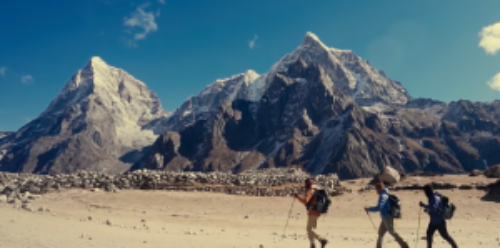
As the trek continues, trekkers reach Namche Bazaar (3,450 m) and Dingboche (4,360 m), two important stops for acclimatization, relaxation, and exploring Sherpa culture. The trail then leads to the beautiful Tengboche Monastery (3,867 m), offering magnificent views of Mount Everest (8,848.86 m), Ama Dablam, and other Himalayan peaks. Finally, trekkers reach Everest Base Camp (5,364 m) through the impressive Khumbu Glacier, where standing at the base of the world's highest mountain becomes a truly memorable achievement.
Overall, the Everest Base Camp Trek from Lukla is a life-changing Himalayan adventure combining natural beauty, cultural experiences, and mountaineering history. From Namche Bazaar and Tengboche to the Khumbu Glacier and Khumbu Icefall, every part of the journey offers something special. For those seeking an unforgettable Nepal trekking experience, Everest Base Camp is a journey worth taking.
Everest Base Camp Trek with Guide and Porter – Is It Worth It?
Yes, choosing an Everest Base Camp Trek with a guide and porter is worth it if you want a safer, more comfortable, and better-organized trekking experience. A local guide manages the route, daily schedule, accommodation, and altitude-related concerns, while a porter carries your main luggage so you can trek with a lighter daypack.
A local guide also adds value by explaining Sherpa culture, mountain landscapes, monasteries, and local traditions along the trail. Meanwhile, having a porter reduces the physical burden of carrying heavy luggage, which can be especially helpful during the longer uphill sections.
For first-time trekkers, travelers unfamiliar with the Khumbu region, or anyone wanting to focus more on the scenery and experience, trekking with both a guide and porter is a worthwhile choice.
Benefits of Having a Guide from Lukla to Everest Base Camp:
- Route guidance – Know the trail, villages, viewpoints, and important checkpoints.
- Altitude awareness – A knowledgeable guide can monitor how you are feeling and help you follow a sensible acclimatization schedule.
- Local knowledge – Learn about Sherpa culture, monasteries, villages, mountains, and local traditions.
- Tea house arrangements – Get help finding and arranging accommodation along the route.
- Daily trek planning – Maintain a suitable walking pace and schedule based on trail and altitude conditions.
- Communication support – A local guide can help communicate with tea houses, porters, and local service providers.
- Weather and trail updates – Receive local advice when weather or trail conditions change.
- Emergency assistance – A guide can help coordinate support if a trekker becomes seriously unwell or needs to descend.
- Less logistical stress – You can focus more on the trek instead of managing every arrangement yourself.
- Better local experience – A local guide can explain places and experiences you might otherwise pass without understanding.
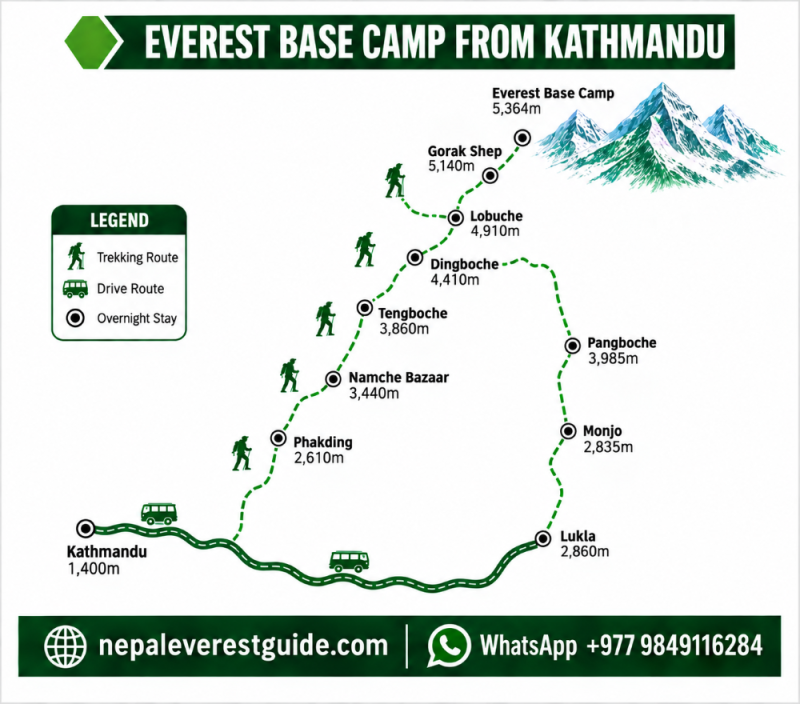
Everest Base Camp Trek From Lukla Outline
𝐃𝐚𝐲 𝟏: Fly to Lukla (2,860m), trek to Phakding (2,652m) – 3/4 hrs.
𝐃𝐚𝐲 2: Trek to Namche Bazaar (3,440m) – 6/7 hrs.
𝐃𝐚𝐲 3: Acclimatization day in Namche Bazaar, short hikes for views.
𝐃𝐚𝐲 4: Trek to Tengboche (3,860m) – 5/6 hrs.
𝐃𝐚𝐲 5: Trek to Dingboche (4,410m) – 5/6 hrs.
𝐃𝐚𝐲 6: Acclimatization day in Dingboche, explore the surrounding hills.
𝐃𝐚𝐲 7: Trek to Lobuche (4,910m) – 5/6 hrs.
𝐃𝐚𝐲 8: Trek to Gorak Shep (5,160m), hike to Everest Base Camp (5,364m) – 7/8 hrs.
𝐃𝐚𝐲 9: Early hike to Kala Patthar (5,545m), trek down to Pheriche (4,240m).
𝐃𝐚𝐲 10: Trek to Namche Bazaar – 6 hrs.
𝐃𝐚𝐲 11: Trek back to Lukla – 6/7 hrs.
What's included?
- Airport Arrival & Transfer: Private car/jeep pickup service upon arrival at the airport.
- Accommodation in Kathmandu: 2-star category hotel as per the itinerary.
- Trekking Preparation & Shopping Assistance: Guidance and assistance with essential trekking gear and shopping before starting the EBC trek.
- Experienced Everest Guide: professional trekking guide throughout the Everest Base Camp trek.
- Meals & Accommodation During the Trek: Daily breakfast and comfortable private accommodation during the trek.
- Trekking Permits & Entry Fees: All required permits and entry fees along the trekking route, including the Pasang Lhamu Rural Municipality entry fee.
- Guide's Salary & Expenses: Full salary, meals, accommodation, transportation, and other necessary expenses for the trekking guide.
- Guide's Insurance: Comprehensive insurance coverage for the trekking guide.
- Farewell Dinner: Traditional Nepali farewell dinner at the end of your trip.
What's not included?
- International Flights: International airfare to and from Nepal.
- Travel Insurance: Personal travel and trekking insurance, including emergency evacuation coverage.
- Lunch & Dinner: Lunch and dinner during the trek and throughout the trip, unless specified in the itinerary.
- Tips & Gratuities: Tips for the guide, porter, and drivers are not included and are at your discretion.
- Kathmandu City Tour: Kathmandu sightseeing and entrance fees are not included unless specifically mentioned in the itinerary.
- Drinks & Beverages: All alcoholic and non-alcoholic beverages, including soft drinks, bottled water, tea, coffee, and other personal beverages.
- Personal Expenses: Any other expenses of a personal nature are not included in the package.
Day by Day Itinerary
DAY
01
Fly from Kathmandu to Lukla and Trek to Phakding (2,652 meters)
3-4 Hrs. Trek Breakfast Lodge in Phakding
Today, we take a scenic 30-minute flight from Kathmandu to Lukla (2,850 m). After landing, we begin our approximately 8 km trek to Phakding. The first 10 minutes take us through Lukla Bazaar, followed by a gradual descent toward Cheplung, where you can see traditional Sherpa and Tamang houses, farmland, and local village life.
From Cheplung, we continue toward Thado Koshi, crossing a high suspension bridge and passing small teahouses and local shops. A short walk brings us to Ghat, a beautiful little Sherpa settlement surrounded by the river and valley. From here, the trail climbs gently toward a memorial and stupa, followed by an easier walk along the Dudh Koshi River for about 35 minutes to reach Phakding.
Phakding (2,652 m) is a lively trekking village with plenty of teahouses, cafés, and small shops where you can find snacks, chocolates, trekking clothes, and basic supplies. We settle into our teahouse, enjoy dinner, and rest for the night.
DAY
02
Phakding to Namche Bazaar (3,440 meters)
6-7 Hrs. Trek Breakfast Guest House/Lodge in Namche Bazaar
This morning, we leave Phakding (2,652 m) and follow the Dudh Koshi River toward the heart of the Khumbu region. The trail passes through Toktok, Benkar, and Monjo, with beautiful pine forests, waterfalls, small villages, and several suspension bridges. At Monjo (2,835 m), we enter Sagarmatha National Park and continue toward Jorsale.
From Jorsale, the trail follows the river to the famous Hillary Suspension Bridge, one of the highlights of today's walk. After crossing, the trail becomes steeper as we climb through the forest toward Namche Bazaar (3,440 m). The final section is a steady uphill climb, but on a clear day, you may get your first views of Everest, Lhotse, and Nuptse. After approximately 5–6 hours of walking, we arrive at Namche, the lively Sherpa trading hub of the Everest region, where we stay overnight.
DAY
03
Acclimatization Day in Namche Bazaar
2-3 Hrs. Sight walk Breakfast Guest House/Lodge in Namche Bazaar
Today is our first acclimatization day in Namche Bazaar (3,440 m). Rather than staying inactive, we take a short morning hike to Syangboche (3,780 m) and continue toward the Everest View Hotel (3,880 m). From the viewpoint, we can enjoy spectacular views of Mount Everest (8,849 m), Lhotse (8,516 m), Nuptse (7,861 m), Ama Dablam (6,812 m), and Thamserku (6,623 m).
After enjoying the mountain views, we return to Namche through the Khumjung Valley area, with an optional visit to Khumjung village (3,790 m) and its traditional Sherpa houses. The walk provides a useful altitude gain before returning to Namche for rest.
After lunch, the afternoon is free to relax, explore Namche Bazaar, visit local cafés and shops, or simply enjoy the mountain atmosphere. This active rest day helps your body adjust to the altitude before we continue higher toward Tengboche tomorrow.
DAY
04
Namche Bazaar to Tengboche (3,860 meters)
5-6 Hrs. Trek Breakfast Guest House in Tengboche
After breakfast, we leave Namche Bazaar (3,440 m) and follow a beautiful, mostly gradual trail toward Kyangjuma, with panoramic views of Everest, Lhotse, Nuptse, Ama Dablam, and Thamserku. The trail then winds through rhododendron and pine forests with several gentle ups and downs before descending toward Phunki Tenga (3,250 m).
We cross the Dudh Koshi River at Phunki Tenga and begin the main uphill climb of the day through dense forest. This is the steepest section, taking us steadily toward Tengboche (3,860 m). We normally stop around Phunki Tenga or nearby for lunch before continuing the climb.
After reaching Tengboche, we visit the famous Tengboche Monastery, one of the most important Buddhist monasteries in the Khumbu. Surrounded by mountains and open Himalayan landscapes, Tengboche offers magnificent views of Ama Dablam and the Everest range. We settle into our teahouse and enjoy the peaceful mountain evening.
DAY
05
Tengboche to Dingboche (4,410 meters)
5-6 Hrs. Trek Breakfast Guest House/Lodge in Dingbcohe
After breakfast, we leave Tengboche (3,860 m) and begin with a pleasant downhill walk through rhododendron and pine forest toward Deboche. I’ll be with you throughout the day, setting a comfortable pace as we follow the Imja Khola Valley. Along the way, you’ll enjoy beautiful views of Ama Dablam, Lhotse, Nuptse, and Island Peak.
We continue through Pangboche (3,985 m), one of the oldest Sherpa villages in the region, before reaching Shomare, where we usually stop for lunch. After lunch, the landscape gradually becomes drier and more open as we climb higher into the Imja Valley. You’ll notice the vegetation becoming thinner and the mountains feeling much closer.
From Shomare, we make our final gradual ascent to Dingboche (4,410 m), surrounded by stone-walled fields and spectacular Himalayan peaks. It takes around 5–6 hours of walking today. Once we arrive, I’ll help you settle into our teahouse, and you can relax, enjoy a warm meal, and prepare for our next acclimatization day.
DAY
06
Acclimatization Day in Dingboche
2-3 Hrs. Sight walk Breakfast Same Guest House at Dingboche
Today, we take an important acclimatization day in Dingboche (4,410 m). After breakfast, I’ll take you on a gradual hike toward Nangkartshang Hill (around 5,000 m). We walk slowly, taking plenty of breaks, as the purpose is to gain some altitude and help your body adjust—not to rush to the top. From the hillside, you’ll enjoy impressive views of Ama Dablam, Island Peak, Lhotse, Makalu, and the surrounding Imja Valley. After spending some time enjoying the scenery and taking photographs, we descend back to Dingboche for lunch and a well-earned rest.
The afternoon is relaxed. You can explore the village, visit a local teahouse or café, talk with local people, or rest and enjoy the mountain views. We’ll have a warm dinner and an early night so you are ready for our trek toward Lobuche tomorrow.
DAY
07
Dingboche to Lobuche (4,910 meters)
5-6 Hrs. Trek Breakfast Guest House.Lodge at Lobuche
After breakfast, we leave Dingboche (4,410 m) and follow the trail through the open Imja Valley toward Duglha (4,620 m). The landscape becomes drier and more rugged as we gain altitude, with impressive views of Taboche, Cholatse, Ama Dablam, and Lobuche East.
From Duglha, we cross the Duglha stream and begin the steep climb toward the Thukla Pass memorial, where memorial stones honor climbers who lost their lives on Everest and other Himalayan peaks. We take some time here to reflect and enjoy the dramatic mountain surroundings.
The trail then becomes more gradual as we continue through the Khumbu Glacier valley, with views of Pumori, Khumbutse, Lingtren, and Nuptse. There are no major villages between Duglha and Lobuche, making this section feel remote and peaceful.
After around 4–5 hours of walking, we reach Lobuche (4,910 m). We settle into our teahouse, enjoy a warm meal, and rest for the night as we prepare for our exciting journey toward Everest Base Camp.
DAY
08
Lobuche to Gorak Shep (5,160 meters) - Everest Base Camp (5,364 meters)
7-8 Hrs Trek all together Breakfast Lodge at Gorakshep
Today is the highlight of our Everest Base Camp trek. After an early breakfast in Lobuche (4,910 m), we follow the rugged trail toward Gorak Shep, walking alongside the Khumbu Glacier with spectacular views of Pumori, Lingtren, Khumbutse, Nuptse, and Everest. The trail is rocky, with gradual climbs and short ups and downs.
We reach Gorak Shep (5,160 m), the last settlement before Everest Base Camp, where we take a short break and have lunch. After resting, we continue toward Everest Base Camp (5,364 m), following the glacier moraine across a remote and dramatic Himalayan landscape.
At Everest Base Camp, we take time to celebrate this incredible achievement, photograph the famous Everest Base Camp sign, prayer flags, and Khumbu Glacier, and enjoy the surrounding mountain scenery. Although the summit of Everest is not fully visible from Base Camp itself, the views of Khumbu Icefall, Nuptse, and surrounding peaks are unforgettable.
We then return to Gorak Shep for the night. It is a long and challenging day at high altitude, so I’ll keep a steady pace, take regular breaks, and make sure everyone is comfortable throughout the journey.
DAY
09
Gorak Shep to Kala Patthar (5,545 meters) - Pheriche (4,240 meters)-100 words two paragraphs
6-7 Hrs. Trek Breakfast Lodge in Pheriche
We start early from Gorak Shep (5,160 m) for the sunrise hike to Kala Patthar (5,545 m), the highest point of our Everest Base Camp trek. I’ll guide you at a steady pace as we climb the rocky trail, with breathtaking views of Mount Everest, Nuptse, Pumori, Ama Dablam, and the Khumbu Glacier. From the summit, we take time to enjoy the panoramic Himalayan scenery and capture unforgettable photographs.
After returning to Gorak Shep, we have breakfast and begin our descent toward Pheriche (4,240 m). The trail follows the familiar Khumbu Valley route through Lobuche and Thukla, with beautiful mountain views along the way. As we lose altitude, the air becomes easier to breathe and the landscape gradually becomes greener. After around 7–8 hours of walking, we arrive in Pheriche for a well-earned rest and overnight stay.
DAY
10
Pheriche to Namche Bazaar
6 Hrs. Trek Breakfast Guest House in Namche Bazaar
After breakfast in Pheriche (4,240 m), we begin our return journey toward Namche Bazaar. The trail follows the beautiful Khumbu Valley, passing through Pangboche and Tengboche, with wonderful views of Ama Dablam, Thamserku, Everest, Lhotse, and Nuptse. We cross the Dudh Koshi River near Phunki Tenga and continue through peaceful rhododendron and pine forests.
From Phunki Tenga, the trail climbs gradually toward Kyangjuma before a final walk brings us into Namche Bazaar (3,440 m). The descent to lower altitude feels refreshing after the high-altitude days around Everest Base Camp. After approximately 6–7 hours of walking, we reach Namche, where we can relax, enjoy a warm meal, explore the lively town, and celebrate our successful Everest Base Camp trek.
DAY
11
Namche Bazaar to Lukla
6-7 Hrs.Trek Breakfast Lodge/Huest House in Lukla
Today marks the final walking day of your Everest Base Camp Trek. From Namche Bazaar, the trail descends through Monjo, Phakding, and the beautiful Dudh Koshi valley before the final uphill walk to Lukla. The journey takes around 6–8 hours, depending on your pace and trail conditions.
Reaching Lukla is a special moment as you complete the trekking portion of your Everest adventure. After checking into your teahouse, take time to rest, enjoy a hot shower, and relax. In the evening, we will share a farewell dinner with our trekking team, including the guide and porters. It is a wonderful opportunity to thank the team, share memories, exchange stories, and celebrate the successful journey together.
Departure Dates
| Starts On | Ends On | Price (USD) | Availability | Booking |
|---|
Join the Everest Base Camp Trek with me, your independent guide in Nepal, for only $1,240 per person. Experience the thrill and unforgettable adventure of reaching the base of Mount Everest!
Reviews
Chloe Anderson
Australia
Journey to the Roof of the World – 12-Day EBC Trek
2024I had an amazing experience on the 11-day Everest Base Camp Budget Trek. Our guide, Rupesh from NepalEverestGuide, was incredibly knowledgeable, supportive, and attentive throughout the trek. He ensured our safety, kept us motivated, and shared fascinating insights about the local culture and environment. The trek itself was challenging but extremely rewarding, and the views were absolutely breathtaking.
I, Sophie Mitchell from Australia, highly recommend this trek with NepalEverestGuide to anyone seeking an unforgettable adventure in the Himalayas. Thank you, Rupesh, for making this journey so memorable.
Essential Information
𝗣𝗵𝘆𝘀𝗶𝗰𝗮𝗹 𝗙𝗶𝘁𝗻𝗲𝘀𝘀 𝗥𝗲𝗾𝘂𝗶𝗿𝗲𝗱 𝗳𝗼𝗿 𝘁𝗵𝗲 𝗘𝘃𝗲𝗿𝗲𝘀𝘁 𝗕𝗮𝘀𝗲 𝗖𝗮𝗺𝗽 𝗧𝗿𝗲𝗸:
The Everest Base Camp (EBC) Trek is a moderately to strenuous adventure that requires good physical fitness and endurance. Trekkers experience steep ascents and descents, rocky trails, and changing weather conditions at high altitudes, with the highest point at approximately 5,545 meters (18,192 feet).
Adequate preparation, including regular cardiovascular and strength training, is recommended to build stamina and endurance. Previous hiking experience is beneficial but not essential, making the EBC trek achievable with proper preparation.
Proper acclimatization and gradual ascent are crucial for managing altitude effectively and ensuring a safe, comfortable, and memorable Everest Base Camp trekking experience.
When Is the Best Time for Everest Base Camp Trek from Kathmandu?
The best time for the Everest Base Camp (EBC) trek – 12 days in terms of weather is generally during the pre-monsoon (spring) and post-monsoon (autumn) seasons. From March to May, the weather is relatively stable, with clear skies, mild temperatures, and blooming rhododendrons. Similarly, from September to November, the weather is cool and dry, offering clear mountain views and pleasant trekking conditions.
These seasons provide optimal trekking conditions, minimizing the risk of heavy rainfall and extreme cold. However, trekkers should be prepared for fluctuating temperatures and changing mountain weather. Choosing these ideal seasons can make your EBC trekking experience more comfortable, enjoyable, and unforgettable.
Permits for the Everest Base Camp Trek:
Trekkers need several permits for the Everest Base Camp Trek, including the Sagarmatha National Park Entry Permit, Khumbu Pasang Lhamu Rural Municipality Permit, and TIMS Card. These permits are required to enter and trek through the Everest Region and support conservation, local administration, and trekker safety.
The Sagarmatha National Park Permit is required to enter the protected area, while the Khumbu Pasang Lhamu Rural Municipality Permit applies to the local Khumbu region. The TIMS Card is also mandatory for the EBC trek and must be arranged through a government-registered trekking agency. Your trekking agency can arrange the required permits before you begin the trek. Carry your passport and permit documents during the journey, as permits may be checked at checkpoints along the Everest Base Camp trail.
Everest Base Camp Trek Food & Accommodation:
Food and accommodation are readily available throughout the Everest Base Camp Trek. Most nights are spent in local teahouses, offering simple, comfortable rooms with beds, blankets, and shared bathrooms. Facilities become more basic as you reach higher elevations.
Teahouses serve a variety of meals, from traditional dal bhat, rice, noodles, soup, and vegetables to pasta, eggs, and other familiar dishes. Tea, coffee, and other hot drinks are also available. Carrying a few energy bars, nuts, or dried fruit is useful for snacks during long walking days.
Lukla weather and flight cancelation policy
Lukla is the main gateway to the Everest Base Camp Trek, but flights to and from Lukla are highly dependent on mountain weather. Fog, strong winds, cloud, rain, and poor visibility can cause flight delays or cancellations, particularly during unsettled weather.
If your Lukla flight is delayed or cancelled, the airline will normally reschedule you when flights resume, subject to availability and its applicable policy. Your trekking agency or independent guide can also help manage changes to your schedule and transportation.
We recommend keeping at least one or two buffer days in your overall itinerary. This gives you flexibility if bad weather affects your flight and helps avoid unnecessary pressure on your trekking schedule. When conditions are suitable, flights operate normally, but safety always comes first.
Are Acclimatization Days in Namche and Dingboche Mandatory for the EBC Trek?
Acclimatization days in Namche Bazaar and Dingboche are highly recommended during the Everest Base Camp trek. They help your body adjust to increasing altitude and reduce the risk of altitude sickness.
In Namche, enjoy a short hike to Everest View Hotel for stunning Himalayan views. Explore the Sherpa town and return to Namche for a comfortable overnight stay.
Dingboche is another important acclimatization stop. A short hike helps prepare your body for higher elevations before continuing toward Lobuche and Everest Base Camp.
Everest Base Camp Trek Equipment: Essential Packing List:
Choosing the right Everest Base Camp trek equipment is essential for a safe and comfortable journey. The weather and temperatures can change quickly at high altitudes, so proper clothing, footwear, and trekking gear are important. Pack according to the season and prepare for cold, wind, rain, and snow.
- Trekking boots: Choose sturdy, comfortable, waterproof boots with good ankle support and reliable grip.
- Layered clothing: Pack moisture-wicking base layers, warm insulating layers, and a waterproof, windproof outer layer.
- Trekking pants: Lightweight, comfortable, and quick-drying pants are ideal for changing weather.
- Down jacket: A warm down jacket is essential for cold nights and high-altitude areas.
- Sleeping bag: Bring a warm sleeping bag suitable for sub-zero temperatures.
- Backpack: A comfortable 40–50 liter backpack is suitable for carrying your essential trekking gear.
- Trekking poles: Poles improve balance and help reduce pressure on your knees during steep sections.
- Headlamp: A headlamp is useful for early-morning starts, evening walks, and power outages.
- Water bottle and purification system: Carry a reusable bottle and use purification tablets or a reliable filtration system.
- First aid kit: Include basic medical supplies, blister treatment, antiseptic, bandages, and any personal medications.
Packing the right EBC trek equipment helps you stay comfortable and prepared throughout the trail. Avoid overpacking and prioritize lightweight, durable, and weather-appropriate gear for the Everest Base Camp trek.
Best Season for Everest Base Camp Trek:
The best season for the Everest Base Camp trek is generally spring (March to May) and autumn (September to November). These months offer stable weather, clear skies, comfortable trekking conditions, and excellent views of the Himalayan mountains.
Spring brings mild temperatures, blooming rhododendrons, and longer daylight hours, making it a beautiful time for the EBC trek. Autumn offers stable weather, clear mountain views, and pleasant daytime temperatures, although the trails can be busier.
Mountain weather can change quickly, even during the best trekking seasons. Check the latest weather conditions before your trek and carry suitable clothing and equipment to stay prepared for changing conditions at high altitude.
Acute Mountain Sickness (AMS) During the Everest Base Camp Trek
Acute Mountain Sickness (AMS) is a common concern during high-altitude treks like the Everest Base Camp (EBC) trek. Symptoms of AMS can vary among individuals, but commonly include:
- Headache: A persistent headache, especially upon waking up.
- Fatigue: Feeling excessively tired or weak.
- Nausea and loss of appetite: Feeling sick to the stomach and having a decreased desire to eat.
- Dizziness and lightheadedness: Feeling unsteady or experiencing a spinning sensation.
- Shortness of breath: Difficulty breathing or feeling breathless during exertion.
- If you experience any of these symptoms, it's important to take them seriously and take appropriate action.
- Here are some treatments for AMS:
- Acclimatization: Ascend gradually, allowing your body time to adjust to the altitude. Take rest days to aid acclimatization.
- Hydration: Drink plenty of fluids to stay hydrated, avoiding alcohol and caffeine.
- Medication: Medications like acetazolamide (Diamox) can help prevent and alleviate AMS symptoms. Consult with a healthcare professional before taking any medication.
- Descend if necessary: If symptoms worsen or become severe, descending to a lower altitude is crucial for recovery.
- Oxygen supplementation: In extreme cases, supplemental oxygen may be required. This should be administered by trained medical personnel.
Highest Sleeping Point on the Everest Base Camp Trek:
The highest sleeping point on the Everest Base Camp trek is typically Gorak Shep, located at approximately 5,164 meters (16,942 feet) above sea level. It is the final overnight stop before reaching Everest Base Camp.
From Gorak Shep, trekkers usually hike to Everest Base Camp and return to Gorak Shep to spend the night. Staying at this high altitude requires proper acclimatization and careful attention to symptoms of altitude sickness.
Because Gorak Shep is at a very high elevation, trekkers should maintain a steady pace, stay hydrated, and follow their guide’s recommendations. Proper acclimatization is essential for a safer and more comfortable EBC trekking experience.
Everest Base Camp Trek from Kathmandu -12 Days FAQs
Q: How long does it take to complete the Everest Base Camp (EBC) trek?
A: The EBC trek typically takes around 12-14 days to complete, including acclimatization and rest days.
Q: Is prior trekking experience required for the EBC trek?
A: Prior trekking experience is not mandatory, but a moderate level of fitness and stamina is recommended. Regular exercise and preparation beforehand can be helpful.
Q: What permits are required for the EBC trek?
A: Trekkers need to obtain two permits: the Sagarmatha National Park Permit and the TIMS (Trekkers' Information Management System) card. These can be obtained in Kathmandu or in Lukla.
Q: What is the average daily walking distance during the EBC trek?
A: The average daily walking distance is approximately 10-15 kilometers (6-9 miles) and takes around 5-7 hours, depending on individual pace and acclimatization needs.
Q: Are there ATMs and internet facilities available on the EBC trek?
A: Limited ATM and internet facilities are available in some villages along the trek. However, it's advisable to carry enough cash and a local SIM card for communication.
Q: What type of accommodations are available during the EBC trek?
A: Teahouses or lodges are available along the trekking route, providing basic accommodations with shared rooms and communal dining areas. Some teahouses may have electricity and hot showers (for an additional fee).
Q: Is it necessary to hire a guide for the EBC trek?
A: Hiring a guide is not mandatory but highly recommended for safety, navigation, and cultural insights. They can also assist with logistics, permits, and accommodations.
Q: What is the best time of year to undertake the EBC trek?
A: The best time for the EBC trek is during the spring (March to May) and autumn (September to November) seasons when the weather is generally stable, with clear skies and moderate temperatures.
Q: What should I pack for the EBC trek?
A: Some essential items to pack include sturdy trekking boots, layered clothing, a down jacket, a sleeping bag, a backpack, trekking poles, a headlamp, a water bottle, and a first aid kit. Consult a comprehensive packing list for more details.
Q: How do I get to Lukla, the starting point of the EBC trek?
A: Lukla can be reached by a short domestic flight from Kathmandu. It's advisable to book flights in advance due to limited availability, especially during peak trekking seasons.
Q: Are there any age restrictions for the EBC trek?
A: There is no strict age restriction for the EBC trek. However, it is recommended that trekkers be in good health and consult with a healthcare professional, especially for individuals above 60 or those with pre-existing medical conditions.
Q: Is travel insurance necessary for the EBC trek?
A: Yes, travel insurance is highly recommended for the EBC trek. Make sure the insurance covers high-altitude trekking and emergency evacuation in case of unforeseen circumstances or medical emergencies.
Q: Are there any alternative routes or side trips available during the EBC trek?
A: Yes, there are alternative routes and side trips that can be incorporated into the EBC trek. Popular options include Gokyo Lakes trek, Three Passes trek, and climbing Kala Patthar for stunning panoramic views of Mount Everest.
Q: Is it safe to drink water during the EBC trek?
A: It is generally not safe to drink tap water or untreated water during the EBC trek. It is recommended to drink boiled or treated water, or use water purification tablets or filters to ensure safe drinking water.
Q: What are the challenges of the EBC trek?
A: The main challenges of the EBC trek include high altitude, steep ascents and descents, unpredictable weather conditions, potential for altitude sickness, basic facilities in remote areas, and physically demanding terrain.
Q: Can I hire porters for carrying my backpack during the EBC trek?
A: Yes, you have the option to hire porters to carry your backpack. This can ease the physical burden and allow you to focus on enjoying the trek. Make sure to hire porters through reputable agencies and discuss the weight limits beforehand.
Q: Can I charge my electronic devices during the EBC trek?
A: Most teahouses along the EBC trek have charging facilities available for a fee. However, it's advisable to carry spare batteries or power banks as a backup, as charging options may be limited in some areas.
Q: Are there any cultural considerations to keep in mind during the EBC trek?
A: Respecting local customs and traditions is important. Dress modestly, seek permission before taking photographs of locals, and adhere to cultural norms and practices. It's advisable to learn a few basic Nepali phrases for polite communication with locals.
Q: How crowded is the EBC trek?
A: The EBC trek can be popular, especially during peak seasons. The trail can get crowded, particularly in popular trekking seasons. To avoid the crowds, consider trekking in the shoulder seasons or choosing alternative routes.
Q: Can I extend my trek beyond Everest Base Camp?
A: Yes, you have the option to extend your trek beyond Everest Base Camp. You can continue to explore higher passes, neighboring valleys, or other popular destinations like Gokyo Ri or Island Peak. Make sure to plan and prepare accordingly for such extensions.
Cancellation Note
- Free cancellation up to 60 days prior departure
- 30% of the total cost of the trip will be charged if cancelled between 60 to 30 days prior to departure date
- 60% of total cost of the trip will be charged if cancelled in between 30 to 14 days prior to departure date.
Web design & Developed by Wildstone Solution
