

𝗞𝗔𝗧𝗛𝗠𝗔𝗡𝗗𝗨 - 𝗣𝗢𝗞𝗛𝗔𝗥𝗔 - 𝗡𝗔𝗬𝗔𝗣𝗨𝗟 - 𝗣𝗢𝗢𝗡 𝗛𝗜𝗟𝗟 - 𝗧𝗔𝗗𝗔𝗣𝗔𝗡𝗜 - 𝗖𝗛𝗛𝗢𝗠𝗥𝗨𝗡𝗚 - 𝗠𝗕𝗖 - 𝗔𝗕𝗖 - 𝗦𝗜𝗡𝗨𝗪𝗔 - 𝗝𝗛𝗜𝗡𝗨 - 𝗣𝗢𝗞𝗛𝗔𝗥𝗔


Why Annapurna Base Camp Trek?
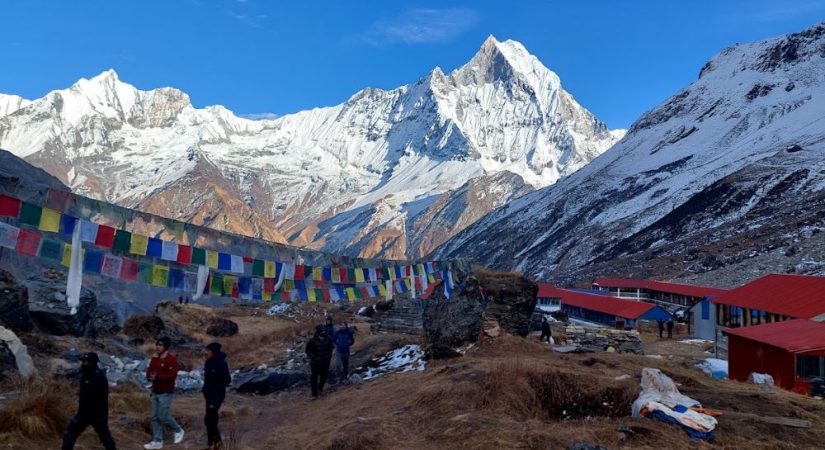
- Majestic Views of the Annapurna Mountain Range: The Annapurna Base Camp Trek offers breathtaking views of some of the tallest peaks in the world, including Annapurna South, Hiunchuli, Gangapurna, and Machhapuchhre (Fishtail).
- Traditional Villages and Culture: During the trek, you will pass through traditional villages where you can experience the local culture and hospitality of the Nepalese people.
- Stunning Sunrise Views: With a number of vantage points along the trek, you will have the opportunity to witness stunning sunrises and sunsets over the Himalayas.
- Lush Forests and Natural Beauty: The Annapurna region is home to lush forests, cascading waterfalls, and diverse wildlife, making it an ideal destination for nature lovers.
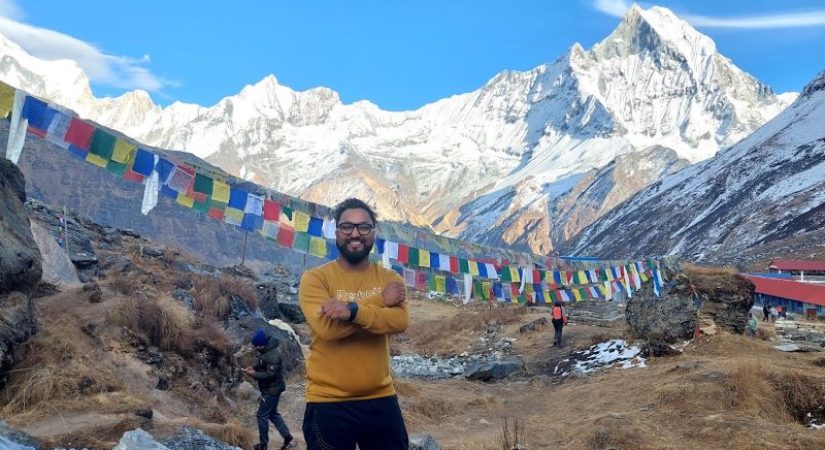
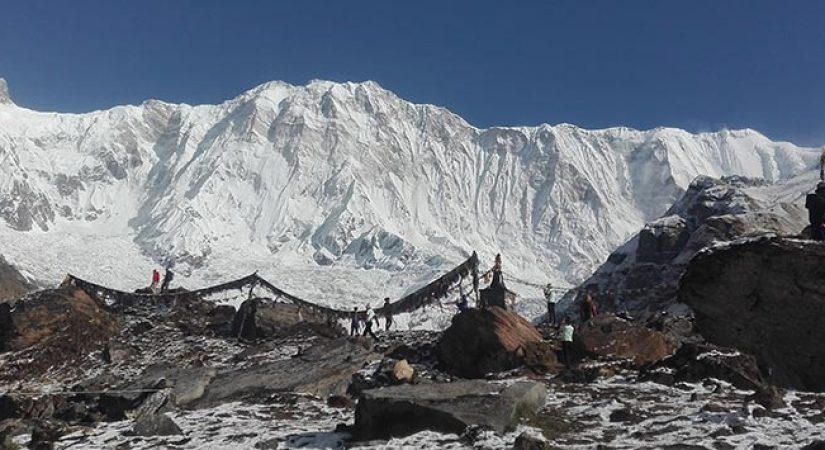
- The Base Camp Experience: The highlight of the trek is the base camp itself, where you will have a panoramic view of the Himalayas and be surrounded by towering peaks.
- Local Cuisine and Hospitality: Throughout the trek, you will have the opportunity to try traditional Nepalese cuisine and experience the warm hospitality of the local people.
- Physical Challenge: The Annapurna Base Camp Trek is a challenging trek that will test your physical abilities and give you a sense of accomplishment.
- Sustainable and Eco-Friendly Practices: Nepal Everest Guide, the organizer of the trek, is committed to sustainable and eco-friendly practices, ensuring that the trek has a minimal impact on the environment and supports local communities.
Annapurna Base Camp Trekking Introduction:
The Annapurna Base Camp Trekking is one of the most popular trekking destinations in Nepal, offering stunning views of the Himalayas, lush forests, and local cultures. The trek starts in the beautiful settlement of Nayapul, which is the starting point for most trekkers. From here, the trail takes you through the popular settlement of Ghorepani Poon Hill, known for its breathtaking panoramic views of the Annapurna and Dhaulagiri mountain ranges.
As you continue the trek, you will pass through Chhomrung, which is a charming village that is home to the Gurung people. This village is also the base camp for climbing Annapurna South, and it is famous for its hot springs and traditional culture.
The Annapurna Base Camp (ABC) is the highlight of the trek, offering stunning views of the snow-capped Annapurna Mountains. The base camp is located at an altitude of 4130 meters, and it is one of the most scenic trekking destinations in the world.
Another popular settlement along the trek is the Machhapuchhre Base Camp (MBC), which is located at an altitude of 3700 meters. The base camp is surrounded by the stunning Machhapuchhre Mountain, and it is an ideal spot for trekkers to enjoy the beautiful panoramic views of the Annapurna range.
The trek also offers an opportunity to visit the Hot Spring Jhinu, which is a hot spring located near Chhomrung. This hot spring is a popular spot for trekkers to relax and soothe their muscles after a long day of trekking.
However, it is important to note that the Annapurna Base Camp Trek is not without its risks, including the risk of Altitude sickness (AMS). It is important to acclimate properly and be mindful of the signs of AMS, which can be fatal if not treated properly.
In conclusion, the Annapurna Base Camp Trekking is a unique and incredible experience that offers stunning views of the Himalayas, lush forests, and local cultures. With proper preparation and precautions, it is an adventure that will be remembered for a lifetime.
Annapurna Base Camp Trekking from Kathmandu
Choosing to start your Annapurna Base Camp Trek from Kathmandu comes with added benefits that make your journey even smoother. From the moment you arrive, your guide will be there to assist you—picking you up from your hotel, taking you to the bus station, and ensuring a comfortable ride to Pokhara.
During the scenic drive, your guide will share insights about the region, pointing out major highlights and answering any questions you may have. This creates a great opportunity to connect with your guide and porter before the trek begins, helping you feel confident and supported throughout your adventure.
From Kathmandu to Pokhara and beyond, our team will take care of every detail so you can focus on enjoying your trek.
Annapurna Base Camp Trekking from Pokhara
If you are already in Pokhara or prefer to begin your Annapurna Base Camp (ABC) trek from this beautiful city, we offer a convenient option tailored just for you. Starting from Pokhara saves time and allows you to dive straight into the trekking adventure.
Our trek begins with a private drive to the starting point, usually at Nayapul or Ghandruk, depending on your preference. From there, you’ll trek through stunning villages like Chhomrong, Bamboo, and Deurali, surrounded by lush forests, waterfalls, and mountain vistas. The journey takes you to the breathtaking Annapurna Base Camp, where you’ll enjoy spectacular views of Annapurna I, Machhapuchhre (Fishtail), and other majestic peaks.
This Pokhara-based trek option includes all necessary permits, guide and porter services, accommodation in tea houses, and meals during the trek. If you’re staying in Pokhara, we can arrange a briefing and meet-up before the trek to ensure you are fully prepared.
Starting the ABC trek from Pokhara is ideal for those who want a seamless trekking experience without traveling back to Kathmandu. Let us handle all the details so you can focus on enjoying the beauty of the Himalayas!
Is Annapurna Base Camp Trekking the Right Choice for You?
- Physical fitness: The trek involves daily hikes for up to 8 hours at high altitudes, so being in good physical shape is important.
- Altitude sickness: You will be trekking at elevations over 4000 meters, and there is a risk of altitude sickness. Researching and understanding the symptoms and how to manage them is important.
- Accommodations: The trekking lodges, known as teahouses, are basic with limited facilities, such as hot water and electricity. Wi-Fi may be available at some locations, but the connection may be poor.
- Packing: The items you need to bring will depend on the season and the weather conditions. It is important to be prepared and pack accordingly.
- Crowds: The Annapurna trek is a popular route, and you will encounter many other trekkers and groups on your journey. If you prefer a less crowded trek, you may want to consider other options.
- Weather: Outdoor travel can be impacted by high-risk weather conditions, and it's important to be prepared for changes to the itinerary.
Why Choose Annapurna Base Camp Trek with a Licensed Guide?
- Personalized Trekking Experience: A licensed guide can provide a flexible trekking experience based on your interests, pace, and itinerary while offering personalized assistance throughout the journey.
- Local Knowledge: Experienced local guides have valuable knowledge of the Annapurna region, including local culture, traditions, landscapes, trails, and points of interest, making your trek more informative and enjoyable.
- Cost-Effective Option: Hiring a licensed independent guide can be a cost-effective choice compared with some larger trekking packages, while still providing professional guidance and support.
- Direct Communication: You can communicate directly with your guide throughout the trek, making it easier to discuss your pace, daily plans, preferences, and any concerns.
- Support the Local Economy: Hiring a local licensed guide helps support the local economy and provides direct income to guides and their families.
- Safety and Trekking Support: An experienced licensed guide can help you manage challenging trails, changing weather conditions, altitude-related concerns, and unexpected situations during the trek.
- Cultural Connection: A local guide can help you understand the traditions, lifestyle, history, and culture of communities along the Annapurna Base Camp trekking route, creating a more meaningful experience.
Annapurna Base Camp Trek Outline
Day 01: Drive to Pokhara.
Day 02: Drive to Nayapul and hike up to Thikhedunga(1,560 m),
Day 03: Trek from Thikhedhunga to Ghorepani (2,820 m),
Day 04: Trek from Ghorepani to Tadapani(2,660 m).
Day 05: Trek from Tadapani to Sinuwa (2,340 m)- 6 hrs walk
Day 06: Trek from Sinuwa to Deurali(3,200 m)- 6 hours walk.
Day 07: Trek from Deurali to Annapurna base camp (4,160 m), 4 hrs walk.
Day 08: Trek from base camp to Bambo (2,350 m)- 4 hrs walk.
Day 09: Trek from Bamboo to Jhinu Danda(1750 mtr),- 4 hrs walk
Day 10: Trek from Jhinu Danda to Pokhara (850 mtr) -3 hrs drive

What's included?
- Tourist Bus: Kathmandu to Pokhara tourist bus transfer. Private car or flight upgrades are available at an additional cost.
- Pokhara–Nayapul Transport: Shared base jeep transfer to the trek starting point.
- Jhinu–Pokhara Transport: Shared base jeep transfer after the trek.
- Trekking Permits: Annapurna Conservation Area Permit and required trekking documentation.
- Private Transfers: Pokhara to Nayapul and Phedi to Pokhara private transport as specified in your package.
- Daily Meals: Breakfast, lunch, and dinner throughout the trek.
- Pokhara Hotels: Two nights’ accommodation near Phewa Lake in Lakeside Pokhara.
- Licensed Trekking Guide: Professional, government-licensed Annapurna Base Camp trekking guide.
- Guide’s Expenses: Guide’s meals, accommodation, salary, and standard trekking expenses.
- Taxes & Paperwork: Applicable taxes, permits, and required administrative paperwork.
- Emergency Support: Emergency rescue coordination and management when required
What's not included?
- Lunch & Dinner: Meals outside those specifically included in the trek package.
- Travel Insurance: Personal travel insurance, including trekking, medical, and emergency evacuation coverage.
- International Flights: International airfare and applicable departure taxes.
- Personal Expenses: Any expenses of a personal nature, including laundry, shopping, phone calls, and other personal services.
- Nepal Visa: Nepal entry visa fees are not included.
- Bar Bills: Any bar bills or charges for alcoholic beverages.
- Drinks: Alcoholic and non-alcoholic drinks are not included unless specifically stated.
- Tips: Tips for your guide and porter are not included. Tipping is customary and appreciated for good service after a successful trek.
Day by Day Itinerary
DAY
01
Drive from Kathmandu to Pokhara-850m
7 Hrs. Drive Not Included Hotel in Pokhara
Today, we are departing early, as we need to catch a bus at 7:00 am. To ensure we have enough energy for the day ahead, we will be having breakfast at the hotel before setting off. The bus ride from Kathmandu to Pokhara will take approximately 7 hours and will take us along the Prithibi Highway. The journey will be enjoyable, as we will be able to take in the sights of traditional houses, terraced fields, rivers, bridges, and much more.
Pokhara is a stunning city, surrounded by majestic mountains and home to over three beautiful lakes. After a long day of traveling, we will be spending the night at a hotel in Pokhara. Get ready to relax and soak up the breathtaking scenery that this city has to offer.
DAY
02
Drive to Nayapul & hike up to Thikhedunga (1,560 m)
1 Hrs. Drive & 3 Hrs. walk Breakfast, Lunch & Dinner Guest House in Thikhedunga
Following a delicious breakfast at the Pokhara Hotel, we will embark on a private vehicle journey to Nayapul, located approximately 42 km away. Our trek begins as we head into the valley and continue on to Hille Thikhedunga.
Once we arrive at Nayapul, we will follow the picturesque nature trail along the Modi river, passing through Birethati before finally reaching Hille Thikhedunga. This 3-hour trek will be a leisurely stroll, surrounded by the beauty of nature and the sounds of the river. Get ready to be transported to a peaceful world as you take in the sights and sounds of the trail.
DAY
03
Trek from Thikhedhunga to Ghorepani (2820mtrs)
6 Hrs walk Breakfast, Lunch & Dinner Lodge in Ghorepani
Today's trek will be a long one, but we will be rewarded with breathtaking sights and experiences along the way. The first three hours of walking from Hille will be a gradual ascent, taking us to Banthati where we can take a break and enjoy a cup of tea. From there, we will follow a small trail into a lush, green valley surrounded by forest.
After a short walk of approximately 1.30 hours, we will reach Nangethati, our lunch destination. After refueling, we will continue uphill for another 1.30 hours through the forest to reach Ghorepani. This wonderful Poon and Magar village is surrounded by forest and offers stunning views of the surrounding peaks. It is a popular trekking route in Nepal and is home to many lodges.
Tonight, we will be staying at a hotel in Ghorepani, surrounded by the beauty of the mountains. Get ready for an unforgettable experience and some much-needed rest after a long day of walking.
DAY
04
Trek from Ghorepani to Tadapani (2,660 m)
6 Hrs Breakfast, Lunch & Dinner Guest House in Tadapani
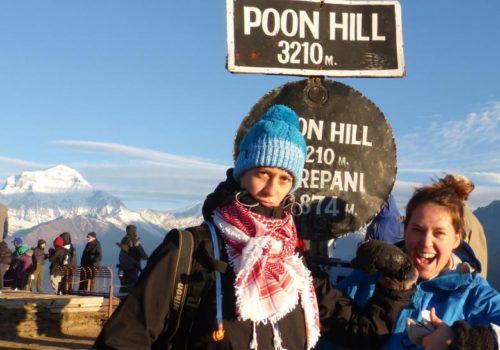
Wake up early and hike to Poon Hill (3,210 m) for a spectacular sunrise over the Annapurna and Dhaulagiri ranges. The hike from Ghorepani takes about 50 minutes uphill. After enjoying the mountain views, return to Ghorepani for breakfast.
Continue trekking through beautiful rhododendron forests toward Deurali and Banthanti, where you can stop for refreshments and lunch. After lunch, follow a mix of gradual trails and downhill sections before the final climb to Tadapani (2,660 m).
Enjoy the peaceful forest surroundings and mountain scenery before spending the night at a comfortable lodge in Tadapani.
Trekking: Approx. 5–6 hours
Destination: Tadapani – 2,660 m
Highlights: Poon Hill sunrise, Annapurna and Dhaulagiri views, rhododendron forests, and mountain trails
DAY
05
Trek from Tadapani to Sinuwa (2,340 m)
6 hrs walk Breakfast, Lunch & Dinner Lodge
After breakfast, we trek from Tadapani to Sinuwa, following a scenic trail through beautiful rhododendron and oak forests. The route descends toward Gurjung Village, where terraced fields of millet, rice, potatoes, and barley reflect the traditional farming lifestyle of the region.
From Gurjung, the trail continues toward Durbin Danda and then to Chhomrong, where we stop for lunch. After lunch, we descend briefly before climbing again toward Sinuwa Village. We spend the night at a comfortable lodge in Sinuwa, surrounded by peaceful Himalayan scenery.
DAY
06
Trek from Sinuwa to Deurali (3200 mtrs)
6 hours walk Breakfast, Lunch & Dinner Tea House
The Himalaya village offers a stunning panoramic view of the surrounding mountain ranges and lush green valleys. It is the perfect place to stop and appreciate the natural beauty of the Annapurna region. After a long day of trekking, you can unwind and recharge at one of the cozy lodges in the village. Enjoy a warm meal and take in the breathtaking views as you relax in your comfortable room.
The next day, you will continue your trek, eager to discover more of the stunning landscapes and cultural experiences that the Annapurna Base Camp Trek has to offer. Get ready for another day filled with breathtaking vistas and thrilling adventures!
DAY
07
Trek from Deurali to Annapurna base camp (4160mtrs)
4 hrs. walk Breakfast, Lunch & Dinner Lodge
After an early breakfast, we begin our trek from Deurali to Annapurna Base Camp (ABC), passing through Machhapuchhre Base Camp (MBC). The trail follows the glacial valley along the Modi Khola, with a gradual uphill climb and spectacular views of Machhapuchhre, Annapurna South, Hiunchuli, and the surrounding Himalayan peaks.
As we gain altitude, the landscape becomes more rugged and alpine. We continue carefully along the mountain trail to Annapurna Base Camp at 4,130 m, where panoramic views of the Annapurna Sanctuary surround us. After exploring the base camp and enjoying the incredible mountain scenery, we spend the night at a lodge at Annapurna Base Camp.
DAY
08
Trek from base camp to Bambo (2350mtrs)
4 hrs walk Breakfast, Lunch & Dinner Tea house
After starting the day with a nutritious breakfast, we will begin our trek from Base Camp towards Bambo, which is located at an altitude of 2,350 meters. This trek is known for its breathtaking scenery, including towering peaks and lush green forests. We will follow a well-trodden trail that leads us through the heart of the forest, where we can observe the local flora and fauna, and take in the fresh mountain air. As we make our way uphill, we will be rewarded with stunning views of the surrounding landscape.
The trail may be challenging in some areas, but with a moderate pace and a determined spirit, we will reach Bambo in no time. Our journey will culminate with an overnight stay at a local lodge, where we can rest, relax and reflect on the day's adventure.
DAY
09
Trek from Bamboo to Jhinu Danda (1750mtrs)
4 hrs walk Breakfast, Lunch & Dinner Tea House
Today, we trek from Bamboo to Jhinu Danda, enjoying the beautiful forests and mountain scenery of the Annapurna region. The trail begins with a short steep climb before becoming a more gradual descent toward Sinuwa. From there, we descend to the bridge, climb up to Chhomrung, and continue with a steep downhill trail to Jhinu Danda.
After arriving at Jhinu Danda, we check into our lodge and enjoy some time to relax. Later, we take a short hike to the famous Jhinu Danda natural hot springs, where you can soak in the warm mineral-rich water surrounded by lush nature. It is a wonderful way to relax and refresh after a rewarding day on the Annapurna Base Camp Trek.
DAY
10
Drive from Jhinu Danda to Pokhara (850mtrs)
3 Hrs Drive Breakfast, Hotel in Pokhara
Enjoy your final morning in the Annapurna region with breakfast at Jhinu Danda before beginning your journey to Pokhara.
A short five-minute walk takes you to the suspension bridge. After crossing the river, continue by jeep or bus on a scenic drive through beautiful mountain landscapes, taking around three hours.
Arrive in Pokhara, relax, and celebrate the successful Annapurna Base Camp Trek with your guide and porters during a memorable farewell dinner.
Departure Dates
| Starts On | Ends On | Price (USD) | Availability | Booking |
|---|
Special Group Offer! Contact us first to receive 15% off for 2–5 people. Groups of more than 5 people receive 20% off. We also customize your itinerary according to your time, pace, and budget. Contact us today to plan your perfect trekking adventure!
Reviews

Alice Malthouse
United Kingdom
Actual and smart trek guide
I had never been trekking before so I was apprehensive about visiting Nepal. Upon meeting Santosh I quickly relaxed and realized that I was in safe hands as Santosh was friendly, had sound English, great local knowledge, and was an experienced trekking guide. Santosh always thinks of his customers first and therefore he was very flexible with his plans in order to accommodate our needs. I really enjoyed doing to Annapurna Base Camp Trek as Santosh was always lively and upbeat and was easy to have a laugh with. Santosh made our trip to Nepal incredibly easy because after we returned from trekking, he was able to suggest and take us to places of interest. I am so glad we had Santosh as a guide, without him we would have never have been able to gain the local knowledge and experience Nepal’s rich culture without him. Thank you, Santosh!!

Dimitri Agejev
United Kingdom
Best freelance tour guide
Visiting Nepal for the first time was a great experience and having never trekked before I had no idea what to expect. I was lucky enough to have Santosh as a guide because he is an experienced trekking guide who has experience in the tourist trade and speaks very good English. My girlfriend and I did the Annapurna trek over a 10 day period and could not have chosen a better guide than Santosh. He was very friendly and made us feel welcome by showing us the local culture and recommending the best food to eat whilst trekking and in Kathmandu and Pokhara. When I come back to Nepal in the future Santosh will be the only guide that I want to have whilst trekking.
Staphanie
Belgium
Incredible experience and tremendous memories!
I had the chance to discover the Annapurna Base Camp trek with Santosh as a guide. Thanks to him, I could discover the beauty of the nature, the energy of the people and the flavors of the culture, from Kathmandu to the Annapurna Base Camp. I would totally recommand him for his ability to share his love for Nepal and to bring his traditions and stories to us. I had an incredible experience and tremendous memories will remain for a very long time. See you soon, sathi Daju vai feri betaula.
Bas & Margreet
Netherlands
Great trekking Experience with Santosh!
2013Santosh has been recommended to us by friends and we are happy that we followed their recommendation! In October 2013, he organized 10 days trekking to the Annapurna region for us, which was great! Everything was well organized and right from the moment, we arrived in Kathmandu. He took care of us as a friend and invited us to his family to join in the Dasain festival celebrations and get a great feel for Nepali village life. Santosh knows a lot about all the different cultures and religions in Nepal and his English is excellent, which makes it very easy to communicate. He and his friend, our porter Ramesh, took good care of us during the trekking and were good company to drink a rum or beer within the evenings. When required, he changed the program when we were too tired or it was raining, always continuing to motivate us to reach base camp. He even went ahead to ensure that we would have room to sleep in, which is quite a challenge during the busy touristic season as we have seen many tourists sleeping on tables and in the kitchen. We would recommend Santosh to anyone traveling to Nepal!!
Emmanuelle Bautista
France
Annapurna Base Camp Trek
2017This was my first time I was traveling alone, and in the case of Asia it was my first time, I was worried a little bit cause I was alone but when I met Santosh I did not feel alone he helped me all the time, as a guardian in the family, he is so kind. Thank you so much Santosh for your kind behavior to me, we went trekking in the Annapurna Region, it was so nice to be there because the view was really close and wonderful from base camp and from Ghorepani. I felt like I was on a different planet. I was not expecting many services in the mountain but it was different really I had a good hotel, good food, the view, people, it was just so nice to be there with my guide Santosh. So i must say that Santosh and his services were better than big trekking companies because I saw some trekkers from a big company but the services were not as good as Santosh’s, I am really happy to meet him, if you go trek with him nothing to think just do it, open your eyes and enjoy. I am sure i will be back as soon as possible for the next trek because there are many interesting trekking routes, I would love that. Thanks, Santu keep your work like this, I wish you all the best for your work, see you Emmanuelle,
Best Regards
Emmanuelle
Essential Information
Accommodation and Meal Options on the ABC Trek:
Accommodation and meals are an important aspect of the Classic Annapurna Base Camp trek. During the trek, trekkers can stay in locally-run lodges, also known as Teahouses, which offer basic but comfortable rooms and meals.
- Accommodation: Teahouses offer single, double, or shared rooms with beds, blankets, and sometimes a heater. The rooms are typically simple and basic, with a shared bathroom and toilet facilities. Some teahouses also have electricity, which is generated by solar panels or hydroelectric power.
- Meals: Teahouses serve a variety of local and international cuisine, including Nepali dishes like Daal Bhat (lentils and rice), Momo (dumplings), and Chowmein (stir-fried noodles). Most teahouses also serve breakfast, lunch, and dinner, with options like porridge, omelets, sandwiches, and soups. Snacks, like chocolate, nuts, and dried fruit, are also available for purchase.
How long does the Annapurna Base Camp trek take?
The Annapurna Base Camp trek typically takes 7 to 12 days, depending on the individual's pace and how much time they want to spend exploring the region. However, some trekkers may choose to take longer or shorter itineraries based on their fitness level and interests. The trek covers a distance of approximately 130 km and takes trekkers through stunning landscapes, traditional villages, and beautiful forests. It is important to note that the duration of the trek may also be influenced by factors such as weather conditions, trail closures, and altitude sickness.
What is the best time of year to go trekking in Nepal?
The best time to go trekking in Nepal depends on several factors, including the specific region, the type of trek you want to do, and your personal preferences. Here's a general overview of the trekking seasons in Nepal:
Autumn (September to November): Autumn is considered the best time to go trekking in Nepal, with clear skies, warm days, and cool nights. This is the peak trekking season and the best time to see the famous mountain views.
Spring (March to May): The weather is warm and clear, making it another popular time for trekking. This is also the season for rhododendron blooms, which add a spectacular burst of color to the landscape.
Summer (June to August): Summer is monsoon season in Nepal, with frequent rain and high humidity. While trekking is possible during this time, it can be challenging due to the muddy trails, leeches, and potential for landslides.
Winter (December to February): Winter can be extremely cold in the higher elevations, with snow and icy trails. While the mountains are beautifully pristine, trekking can be more difficult due to the cold and unpredictable weather.
It's important to remember that the weather in Nepal's high mountains can be unpredictable and can change quickly, so it's always best to be prepared for a range of conditions.
What is the best route for the Annapurna Base Camp trek?
𝗔𝗻𝗻𝗮𝗽𝘂𝗿𝗻𝗮 𝗕𝗮𝘀𝗲 𝗖𝗮𝗺𝗽 𝗧𝗿𝗲𝗸 – 𝟭𝟬 𝗗𝗮𝘆 𝗜𝘁𝗶𝗻𝗲𝗿𝗮𝗿𝘆
- Day 1: Drive from Pokhara (822 m) to Nayapul (1,070 m) and trek to Tikhedhunga (1,540 m) – 4-5 hours.
- Day 2: Trek from Tikhedhunga to Ghorepani (2,874 m) via Ulleri village – 6-7 hours.
- Day 3: Early morning hike to Poon Hill (3,210 m) for sunrise, then continue to Tadapani (2,630 m) – 6-7 hours.
- Day 4: Trek through rhododendron forests to Chhomrong (2,170 m) – 5-6 hours.
- Day 5: Descend to Chhomrong Khola and ascend through Bamboo to Dovan (2,600 m) – 5-6 hours.
- Day 6: Trek through the Modi Khola Valley to Deurali (3,230 m) – 5-6 hours.
- Day 7: Continue via Machhapuchhre Base Camp (3,700 m) and reach Annapurna Base Camp (4,130 m) – 5-6 hours.
- Day 8: Enjoy Himalayan views and descend to Bamboo (2,310 m) – 6-7 hours.
- Day 9: Trek to Jhinu Danda (1,780 m), famous for its natural hot springs – 5-6 hours.
- Day 10: Trek to Nayapul (1,070 m) and drive back to Pokhara (822 m) – 4-5 hours.
This classic 10-day Annapurna Base Camp Trek combines the panoramic sunrise from Poon Hill with a rewarding journey to Annapurna Base Camp (4,130 m), offering spectacular mountain scenery, diverse landscapes, and authentic Gurung villages.
What equipment do I need for the trek?
Here is a list of essential equipment for the Annapurna Base Camp trek:
- Backpack: A comfortable and spacious backpack with a capacity of at least 40 liters.
- Clothing: Warm layers, including a down jacket, fleece jacket, and insulated pants; waterproof and windproof outer layers; and comfortable hiking clothes, such as quick-dry t-shirts and pants.
- Footwear: Good-quality hiking boots or shoes with a sturdy sole and good ankle support; lightweight and waterproof shoes for the river crossings; and a pair of warm socks.
- Sleeping gear: A warm sleeping bag rated for temperatures below freezing; a sleeping mat for added insulation and comfort.
- Headwear: A wide-brimmed hat to protect from the sun; a warm beanie or hat for the colder nightHandwear: Lightweight gloves for the warmer days, and warm insulated gloves for the colder evenings.
- Hydration: A water bottle or hydration system; a water purification method, such as a water filter or purification tablets.
- Miscellaneous: A first-aid kit, including basic medications and any personal medications; sunglasses or ski goggles to protect from the sun and wind; a headlamp or flashlight; a hat or bandana to protect from the sun; a camera and extra batteries; a book or a deck of cards to entertain during the evenings.
It is recommended to pack light and prioritize items that are essential for the trek. Many of the items can be rented or purchased in Kathmandu or Pokhara, but it is recommended to bring your own sleeping bag and sleeping mat, as well as any personal medications, to ensure comfort and hygiene.
What is the highest point on the Annapurna Base Camp trek?
The highest point on the Annapurna Base Camp trek is the Annapurna Base Camp itself, which is located at an elevation of 4,130 meters (13,550 feet) above sea level. The trek to the base camp offers stunning views of the surrounding peaks, including Annapurna South, Hiunchuli, Gangapurna, and Machhapuchhre (Fishtail). The base camp is a popular destination for trekkers and mountaineers and is considered one of the most scenic trekking destinations in the world.
Reaching the base camp typically takes around 7 to 12 days, depending on the pace of the trekker and the itinerary they have chosen. The trek includes several days of acclimatization and passes through traditional villages, lush forests, and stunning mountain landscapes. It is important to be aware of the effects of altitude sickness and to take necessary precautions to avoid it, such as ascending gradually, staying hydrated, and taking time to acclimate.
What is the average temperature during the trek?
The average temperature during the Annapurna Base Camp trek varies depending on the time of year and the elevation. In general, the temperature in the lower elevations is warm during the day and cool at night, while the temperature at higher elevations is significantly colder.
During the trekking season, which is from September to November and from March to May, the daytime temperature in the lower elevations is usually around 20 to 25 degrees Celsius (68 to 77 degrees Fahrenheit). At night, the temperature can drop to around 10 to 15 degrees Celsius (50 to 59 degrees Fahrenheit).
As you ascend to higher elevations, the temperature drops considerably. At the Annapurna Base Camp, which is located at an elevation of 4,130 meters (13,550 feet), the average temperature is around 5 to 10 degrees Celsius (41 to 50 degrees Fahrenheit). At night, the temperature can drop below freezing.
It is important to be prepared for the varying temperatures and to bring appropriate clothing and gear, including warm layers, waterproof and windproof outerwear, and a warm sleeping bag. It is also important to take the effects of altitude into consideration and to acclimate gradually to avoid altitude sickness.
How much does the Annapurna Base Camp trek cost?
The cost of the Annapurna Base Camp trek varies depending on a number of factors, including the level of comfort you require, the length of the trek, and the time of year. On average, the cost of the trek can range from $500 to $1,500 per person, but this can vary significantly depending on your specific needs and preferences.
Here are some of the expenses that you may incur while on the trek:
Permits: The Annapurna Conservation Area Permit (ACAP) and the TIMS card, which are required for all trekkers in the Annapurna region, typically cost around $40 to $50.
Guide and Porter: Hiring a guide and a porter can be a convenient and cost-effective way to complete the trek, especially if you are unfamiliar with the trail or want to ensure a comfortable experience. The cost of a guide and porter typically ranges from $25 to $50 per day, depending on the level of comfort you require and the time of year.
Accommodation: The cost of accommodation during the trek ranges from $3 to $25 per night, depending on the level of comfort you require. Most trekkers opt to stay in teahouses, which offer basic accommodation and meals, but you can also camp if you prefer.
Food and Drinks: The cost of food and drinks during the trek ranges from $15 to $30 per day, depending on your appetite and the type of food you prefer. Most teahouses offer simple but filling meals, such as dal bhat (lentils and rice) and noodle dishes.
Transportation: The cost of transportation to and from the trailhead, such as a private car or a public bus, ranges from $15 to $50, depending on the level of comfort you require and the time of year.
Miscellaneous expenses: Other miscellaneous expenses, such as the cost of renting gear, buying souvenirs, or tipping your guide and porter, can add up and should be taken into consideration when budgeting for your trek.
It is always a good idea to plan ahead and budget carefully to ensure that you have enough money to cover all of your expenses during the trek. It is also recommended to bring extra cash in case of emergency or unexpected expenses.
Are there any permits or fees required for the trek?
Yes, there are several permits and fees required for the Annapurna Base Camp trek. These permits and fees are required to enter the protected areas in the Annapurna region and to help maintain and conserve the natural environment.
- Annapurna Conservation Area Permit (ACAP): This permit is required for all trekkers in the Annapurna region and costs around $30 to $40. The ACAP fee helps to support conservation and sustainable tourism in the region.
- Trekkers' Information Management System (TIMS) card: This card is required for all trekkers in Nepal and helps to monitor the flow of trekkers in the country. The TIMS card costs around $10 to $20.
It is important to note that the fees and requirements for permits can change from time to time, so it is always best to check the latest information before starting your trek. You can obtain both the ACAP permit and the TIMS card through a trekking agency or in Kathmandu.
How difficult is the Annapurna Base Camp trek?
The Annapurna Base Camp trek is considered to be a moderate to challenging trek, and is suitable for people with a good level of fitness and a sense of adventure. The trek typically takes 7 to 12 days to complete and involves walking for 5 to 7 hours each day on steep and uneven terrain at high altitudes.
Some of the factors that contribute to the difficulty of the trek include:
- Altitude: The Annapurna Base Camp trek takes you to elevations of up to 4,130 meters (13,550 feet), which can be challenging for some people. Altitude sickness is a common concern for trekkers, and it is important to be aware of the symptoms and to take preventive measures, such as acclimatizing properly and drinking plenty of water.
- Terrain: The trail to Annapurna Base Camp is steep and challenging in some sections, with uneven steps, rocks, and loose gravel. Trekkers should be prepared for a physical workout and be comfortable with hiking for several hours each day.
- Weather: The weather in the Annapurna region can be unpredictable, with sudden changes in temperature, rain, snow, and strong winds. Trekkers should be prepared for all weather conditions and bring appropriate clothing and gear.
Despite the challenges, the Annapurna Base Camp trek is a rewarding experience that offers stunning views of the Himalayas, rich cultural encounters, and a sense of accomplishment. With proper preparation, proper equipment, and a positive attitude, most people can successfully complete the trek and enjoy the experience of a lifetime.
What is the elevation gain for the Annapurna Base Camp trek?
The elevation gain for the Annapurna Base Camp trek is approximately 3,230 meters (10,600 feet) from Nayapul, the starting point of the trek, to Annapurna Base Camp at an altitude of 4,130 meters (13,550 feet). The trek involves a gradual ascent over several days, allowing trekkers to acclimate to the increasing altitude.
The elevation gain can be challenging for some trekkers, especially those who are not used to high altitudes. It is important to allow adequate time for acclimatization and to be mindful of the symptoms of altitude sickness, such as headache, fatigue, dizziness, and shortness of breath. Drinking plenty of water, eating a balanced diet, and getting enough rest can help to minimize the effects of altitude sickness and make the trek more enjoyable.
Are there any villages or settlements along the Annapurna Base Camp trek?
Yes, there are several villages and settlements along the Annapurna Base Camp trek that offer trekkers the opportunity to experience the local culture and hospitality of the Gurung people. Some of the main villages and settlements along the trail include:
- Nayapul: This is the starting point of the trek and the last major settlement before entering the protected Annapurna Conservation Area.
- Ghandruk: This is a large and well-known Gurung village that is popular with trekkers. It offers a range of accommodations and trekking services, as well as cultural attractions, such as the Gurung Museum and the traditional Gurung houses.
- Chhomrong: This is another large Gurung village that offers a range of trekking services and cultural attractions.
- Dovan: This is a small settlement that is located near the Modi River and offers stunning views of the Annapurna South and Machhapuchhre peaks.
- Deurali: This is a small settlement that is located near the Annapurna Sanctuary and offers panoramic views of the surrounding mountains.
- Annapurna Base Camp: This is the endpoint of the trek and offers breathtaking views of the Annapurna massif and the surrounding peaks.
Visiting these villages and settlements is a highlight of the Annapurna Base Camp trek, and offers trekkers the opportunity to learn about the local culture, taste traditional foods, and interact with the friendly and hospitable Gurung people.
Is there an alternative route to Annapurna Base Camp?
Yes, there are alternative routes to Annapurna Base Camp that offer different perspectives and experiences of the Annapurna region. Some of the popular alternative routes include:
- Annapurna Circuit Trek: This is a longer trek that takes trekkers on a circular route around the Annapurna massif, passing through diverse landscapes, including high passes, forests, and alpine meadows.
- Ghorepani Poon Hill Trek: This is a shorter trek that takes trekkers to the Poon Hill viewpoint, which offers panoramic views of the Annapurna and Dhaulagiri ranges. The trek is known for its rhododendron forests and cultural encounters with the Magar people.
- Mardi Himal Trek: This is a less-travelled trek that takes trekkers to the base camp of the Mardi Himal, a lesser-known peak in the Annapurna region. The trek offers a remote and pristine trekking experience, with breathtaking views of the surrounding peaks and diverse flora and fauna.
- Annapurna Sanctuary Trek: This is a classic trek that takes trekkers to the heart of the Annapurna region, where the Annapurna and Hiunchuli peaks tower overhead. The trek offers a challenging and rewarding experience, with stunning mountain views, diverse landscapes, and cultural encounters with the Gurung people.
These alternative routes offer different challenges, experiences, and perspectives of the Annapurna region and are suitable for trekkers with different levels of fitness and experience. Choosing the best route depends on individual preferences, fitness level, and the time available for the trek.
What is the best way to acclimatize for the Annapurna Base Camp trek?
Acclimatization is a critical aspect of any high-altitude trek, including the Annapurna Base Camp trek, as the increasing altitude can cause altitude sickness in some people. The best way to acclimatize for the trek is to follow the principles of "climb high, sleep low." This means that you should aim to spend as much time as possible at higher altitudes during the day and then return to a lower altitude for the night.
Here are some other tips for acclimatizing for the Annapurna Base Camp trek:
- Gradual ascent: It is important to have a gradual ascent over several days to allow your body time to adapt to the increasing altitude. This can be achieved by setting a slow pace and taking frequent breaks.
- Hydration: Drink plenty of water and avoid alcohol and caffeine, which can dehydrate your body.
- Altitude sickness prevention: Be mindful of the symptoms of altitude sickness, such as headache, fatigue, dizziness, and shortness of breath, and seek medical attention if necessary.
- Proper nutrition: Eat a balanced diet that includes carbohydrates, proteins, and healthy fats to fuel your body and help it adapt to the increasing altitude.
- Rest: Get enough rest and avoid overexertion, as fatigue can increase the risk of altitude sickness.
By following these tips and taking the time to acclimatize properly, you can minimize the risk of altitude sickness and enjoy the Annapurna Base Camp trek to the fullest.
Cancellation Note
- Free cancellation up to 60 days prior departure
- 30% of the total cost of the trip will be charged if cancelled between 60 to 30 days prior to departure date
- 60% of total cost of the trip will be charged if cancelled in between 30 to 14 days prior to departure date.
Web design & Developed by Wildstone Solution
