

How Hard Is the Everest Base Camp Trek?
19 Nov 2026 Santosh Gauli
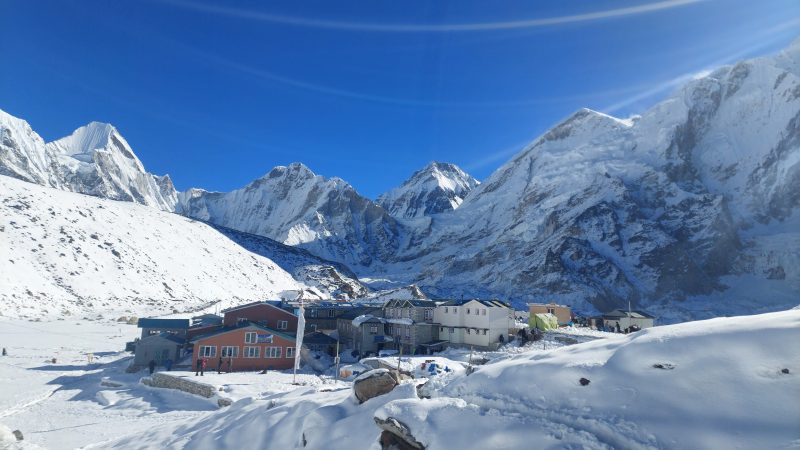
Ask ten trekkers how hard the Everest Base Camp trek is, and you will hear ten different answers. One will say it nearly broke them. Another will say it was the best two weeks of their life and surprisingly manageable. Both are telling the truth.
The trek is not technical. You do not need ropes, crampons or climbing skills. But it is not a casual stroll either. It asks for steady legs, patience with altitude and a willingness to be uncomfortable now and then. This guide explains where the difficulty really lies, so you can prepare for the right things.
The Short Answer: Moderate, With One Big Catch
On a scale of difficulty, most people place Everest Base Camp at moderate. The paths are clear, the villages are close together, and teahouses give you a bed and a hot meal every night.
The catch is altitude. You start walking at about 2,860 m in Lukla and finish at 5,364 m at Base Camp. Your body has fewer and fewer oxygen molecules to work with as you climb. A fit 25-year-old can struggle while a quiet 55-year-old with good pacing sails through. Fitness helps, but patience helps more.
What a Normal Trekking Day Feels Like
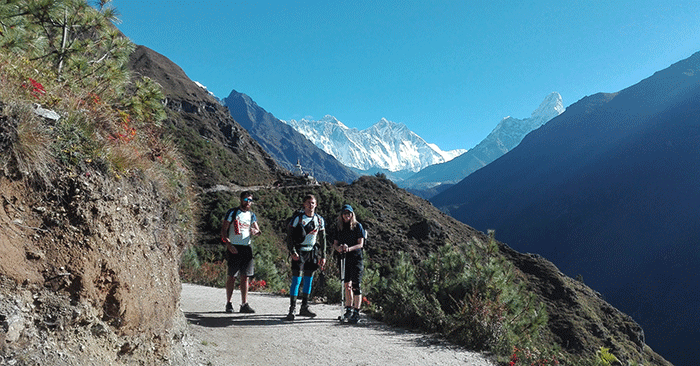
Picture this. You wake up around 6 am in a cold room, and the water bottle beside your bed is half frozen. Breakfast is porridge or eggs. By 7:30 you are on the trail.
Most days involve five to seven hours of walking, with a long lunch stop in the middle. The distance each day is modest, often only 8 to 12 km. What makes it tiring is not speed but the constant up and down. You descend into a river valley, cross a suspension bridge, then climb the opposite hillside for an hour or more.
You arrive at the next teahouse in the afternoon, sip ginger tea by the stove and rest. Evenings are early. Most trekkers are asleep by 8:30 pm. In total the round trip covers roughly 130 km over about two weeks, so it is a marathon of days rather than a sprint.
The Hardest Parts, Stage by Stage

The Lukla to Namche Stretch
The flight into Lukla is exciting, and the first days feel easy. Then comes the climb to Namche Bazaar at 3,440 m, which is the first real test. The final hour of uphill switchbacks after the big suspension bridge makes many people stop and breathe. It is a good preview of what the trek is about: slow, steady and rewarding.
The Climb to Tengboche and Beyond
After a rest day in Namche, you drop to the river and climb steeply to Tengboche at 3,860 m. This day is physically demanding, but the monastery and the mountain views at the top make it worth every step. Beyond here, the trees thin out and the landscape becomes open and rocky.
Dingboche to Lobuche
This is where the air gets noticeably thin. Dingboche sits at 4,410 m and Lobuche at 4,940 m. Headaches, poor appetite and restless sleep are common here. Many trekkers describe this as the hardest part of the journey, mentally as much as physically. Walking slowly and drinking plenty of water matter most.
Gorak Shep and Base Camp Day
At 5,164 m, Gorak Shep is the last settlement. The walk to Base Camp takes about three hours each way over rocky glacier moraine. The air holds roughly half the oxygen found at sea level, so even tying your shoelaces can leave you breathless.
Base Camp itself is a field of stones and tents with the Khumbu Icefall above. Many trekkers feel emotional there. The effort of the previous days suddenly makes sense.
Kala Patthar at Sunrise
Many people add Kala Patthar at 5,545 m for the best view of Everest. You start in the dark, often at 4 or 5 am, in temperatures that can drop well below freezing. It is short but hard. The reward is sunlight turning the summit of Everest gold. If you want more detail on this stage, our Everest Base Camp trek with Kalapathar itinerary breaks it down day by day.
Altitude: The Real Challenge
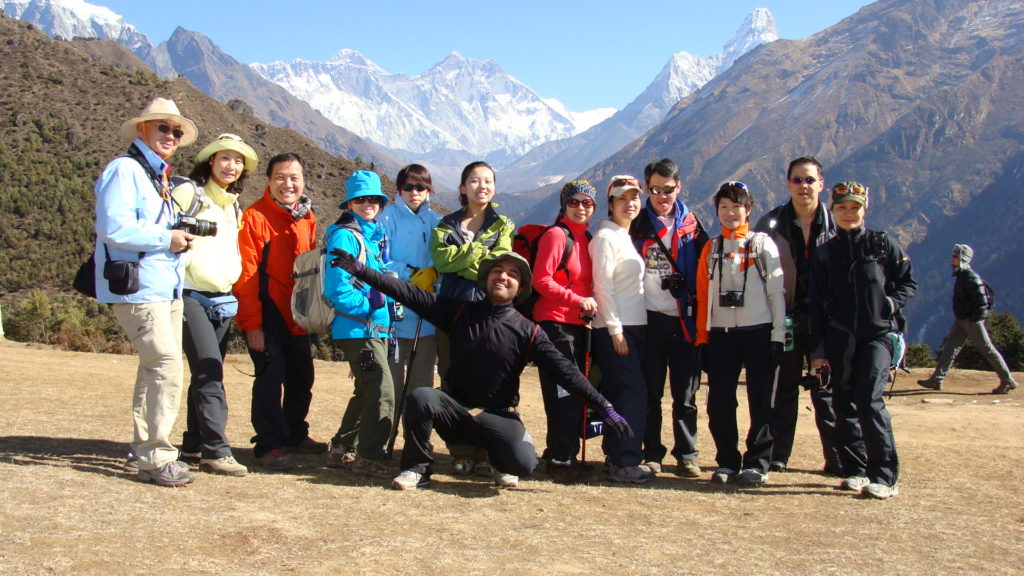
Altitude sickness is the main reason people fail to reach Base Camp. It has nothing to do with strength. It can affect anyone, and you cannot predict who.
Early signs include a mild headache, nausea, dizziness and trouble sleeping. These are warnings, not failures. If you rest and stay at the same height, they often fade. If they get worse, you must descend.
A few habits reduce the risk a lot:
- Walk slowly, even when you feel strong.
- Drink three to four litres of water daily.
- Sleep lower than your highest point of the day when you can.
- Avoid alcohol and smoking.
- Tell your guide about every symptom, however small.
Itineraries that skip rest days raise the risk sharply. We explain the trade-offs in our post on Everest trek without acclimatization , and we strongly recommend building rest days into your plan.
How Fit Do You Need to Be?

You do not need to be an athlete. You do need to be comfortable walking for several hours on consecutive days.
Start preparing at least two to three months before departure. The best training is simple:
- Hike on hills with a daypack at weekends, ideally for four to six hours.
- Climb stairs or use an incline on a treadmill to strengthen your legs.
- Build stamina with cycling, swimming or jogging three times a week.
- Strengthen your core and knees, because long descents are tough on joints.
- Break in your boots well before you fly.
Trekkers who train properly enjoy the walk far more. Those who arrive unprepared spend the trip focused on their legs rather than the view.
Weather, Cold and Comfort
Difficulty is not only about legs and lungs. The cold is real. Nights at higher camps can fall to minus 10°C or lower, and teahouse rooms are not heated. A warm sleeping bag, a down jacket and a good base layer make a massive difference to how you feel each morning.
The season you pick changes the experience too. Spring and autumn offer the clearest skies and the most stable conditions. Winter is colder and quieter, so read our tips for trekking Everest Base Camp in December if you are considering it. Autumn is the most popular choice, and our guide to Everest Base Camp and Kalapathar in November shows why.
Food, Beds and Basic Comforts
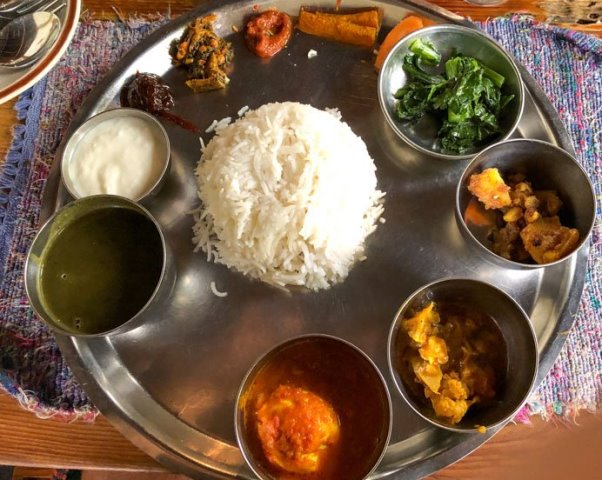
Teahouse life is simple but welcoming. You will sleep in twin rooms with thin mattresses, share bathrooms and eat plenty of dal bhat, noodles and soup. Hot showers cost extra, and the higher you go, the more basic things become. Charging a phone also costs money.
Some trekkers find this harder than the walking. Others love the simplicity. To know what to expect, read what Everest Base Camp teahouse accommodation is really like.
Mental Strength Matters as Much as Fitness
Many people who reach Base Camp say the hardest part was their mind. Tired legs, a cold bed and a headache at 4,900 m make you question your decision. That is normal.
What helps is breaking the trek into small goals. Instead of thinking about Base Camp, think about the next teahouse, then the next tea. Walk with a friendly group, laugh often and trust your guide. A positive mindset turns hard days into good stories.
Who Finds It Easier, and Who Finds It Harder?
Trekkers tend to find it easier when they:
- Allow 12 to 14 days with proper rest days
- Train for at least two months
- Walk slowly and consistently
- Use a good guide and a porter
Trekkers tend to find it harder when they:
- Rush the itinerary to save time
- Arrive without any hiking experience
- Pack too heavy
- Ignore early altitude symptoms
Age is less important than people think. Many trekkers over 60 complete the route, and some teenagers have too.
Can You Make It Easier?

Yes, in several ways. A longer itinerary gives your body more time to adjust. Hiring a porter lightens your load so you can focus on breathing and walking. A guide manages your pace and watches for warning signs.
If time or knees are a concern, you can also fly back from Gorak Shep or Pheriche instead of walking down, which saves two or three days. Our Everest Base Camp trek with helicopter return option is popular for exactly this reason. To plan a full itinerary, our 14 days Everest Base Camp trek is a well-paced starting point.
Planning Details That Reduce Stress
Some things are easier to handle before you arrive. Two permits are required: one for Sagarmatha National Park and one local entry permit. Understanding them in advance avoids surprises, and our Everest Base Camp permits and fees guide explains each one.
Money matters too. Knowing the budget removes a surprising amount of worry, so check the Everest Base Camp trek cost before booking. Finally, always buy travel insurance that covers trekking up to 6,000 m with helicopter evacuation.
Frequently Asked Questions
Is the Everest Base Camp trek dangerous?
The route itself is safe for most healthy people. The main risk is altitude sickness, which is manageable with a slow pace, rest days and an experienced guide.
Can a beginner trek to Everest Base Camp?
Yes, if you are reasonably healthy and train beforehand. No climbing experience is needed, but you should be comfortable walking for hours.
How many hours do you walk each day?
Usually five to seven hours, with breaks for lunch and photos.
What is the toughest day?
Most trekkers name either the climb to Namche, the push to Lobuche or the early start for Kala Patthar.
How long should I prepare?
At least eight to twelve weeks of regular hiking and cardio training.
Final Thoughts: Is It Worth It?
So, how hard is the Everest Base Camp trek? Hard enough to feel like an achievement, but not so hard that ordinary people cannot do it. Thousands of normal travelers reach Base Camp every year with good preparation and a patient attitude.
You will have cold mornings, tired legs and moments of doubt. You will also have laughter in teahouses, golden light on the highest mountains on earth and the quiet pride of standing where few people ever stand.
Ready to turn the dream into a plan? Explore our Everest Base Camp trek guide or contact Safe Holiday Adventure Pvt. Ltd to design a trek that fits your pace and your goals.