

What Is the Difference Between Hiring a Personal Guide and Booking a Full Trekking Package?
17 Nov 2026 Santosh Gauli
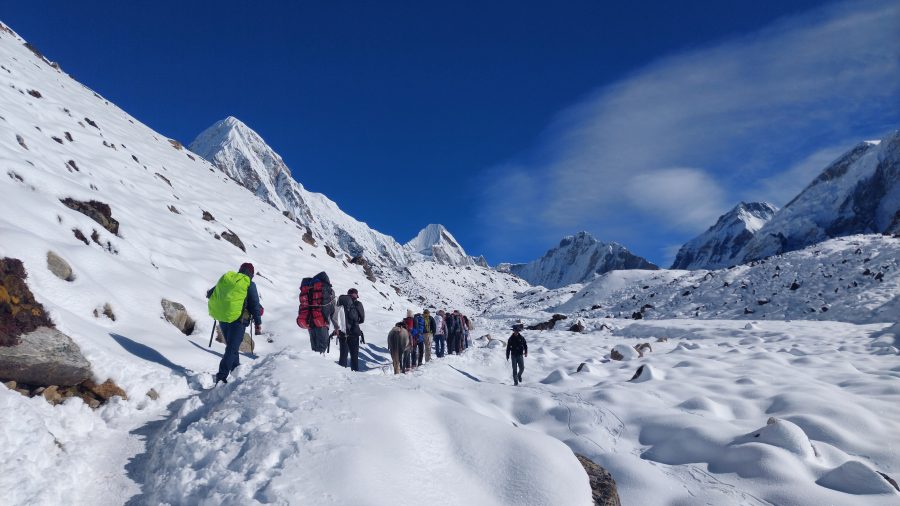
Two trekkers land in Kathmandu on the same morning. Both dream of the same trail, the same mountain sunrise and the same cup of ginger tea in a stone teahouse. One walks into an agency office and signs up for a complete package. The other meets a licensed freelance guide over coffee in Thamel and plans everything together. Both reach the mountains. Their journeys, however, feel quite different.
If you are comparing a personal guide vs a trekking package in Nepal, you are asking one of the smartest questions a first-time trekker can ask. This guide explains the difference in a simple, honest way, so you can choose the style that fits your budget, your comfort and your personality. Our team at Safe Holiday Adventure organizes complete treks, and our friends at Nepal Everest Guide work as independent guides, so we have seen both sides of the trail.
First, What Do These Two Options Actually Mean?
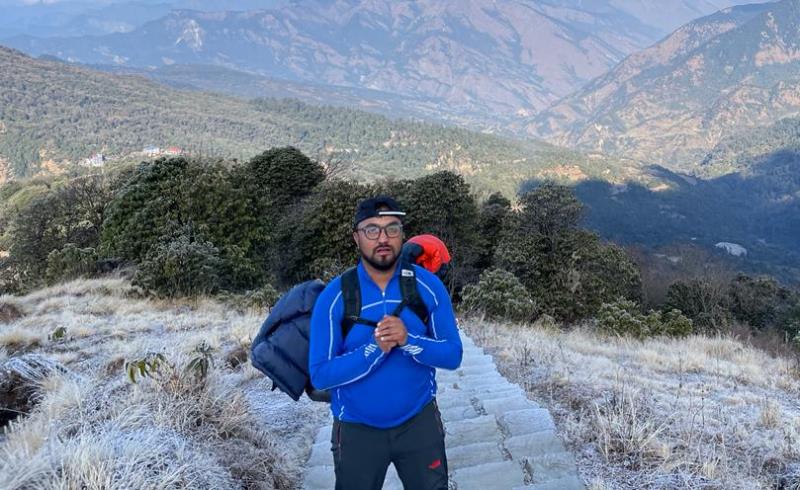
A personal guide is a licensed trekking guide you hire directly. You decide the route, the dates and the pace together, and you usually pay for the guide’s service while arranging many other things yourself, such as your rooms, meals, flights and sometimes your permits.
A full trekking package is a ready-made journey sold by a registered trekking company. Your permits, airport pickups, hotel nights in Kathmandu, domestic flights, guide, porter, teahouse rooms and meals are arranged in advance, and you pay one clear price before you travel.
The simplest way to remember it is this. A personal guide gives you a companion. A package gives you a complete system around that companion.
Money: Where Does Your Budget Really Go?
Most trekkers begin with cost, so let us be honest about it. A personal guide often looks cheaper on paper because you are paying for a person, not a bundle. A licensed guide commonly charges somewhere around USD 25 to 40 per day, and a porter adds a further daily fee. You then pay for food, lodging, permits, transport and flights on top of that.
A package looks higher at first because everything is inside one number. Yet for many travelers the final difference is smaller than expected. Companies buy flights, rooms and permits in volume and handle logistics efficiently, while independent trekkers often discover small extra costs along the way, such as a last-minute hotel in Kathmandu, a rebooked flight or an unplanned rest day.
The honest truth is that a personal guide can save money for people who are experienced, flexible and comfortable managing details. A package usually gives better value for people who want a fixed budget and no surprises. Neither is automatically cheaper in every situation.
Safety: Who Is Watching Over You?
Here the difference becomes more serious. At altitude, safety is not about luck. It is about decisions made quickly and calmly, and about who stands behind those decisions.
A good personal guide knows the trail, watches your health and can turn you around when the weather or your body says no. This personal attention is a real strength, especially for small groups and solo travelers.
A package adds a second layer. A registered company usually has an office team in Kathmandu, a back-up guide plan, emergency contacts, helicopter rescue coordination and clear procedures if someone becomes ill. If your guide falls sick or a flight is cancelled, someone else solves the problem while you rest.
Because rules for solo trekking in Nepal have been tightened in recent years and can change, always confirm current requirements with the Nepal Tourism Board before you travel, and never trek without a licensed guide in remote regions.
Flexibility: Whose Journey Is It?
This is where a personal guide shines. If you wake up and the clouds look perfect for a longer hike, you can walk further. If you fall in love with a small village, you can stay an extra night. If a friend recommends a quiet side trail, you can simply go.
A package follows a planned itinerary. That plan exists for good reasons, such as proper acclimatization, booked flights and teahouse availability, but it leaves less room for spontaneous changes. Many companies, including ours, do offer custom itineraries, which gives you the structure of a package with a more personal touch.
If you are the kind of traveler who loves freedom, a personal guide will feel natural. If you prefer to relax and follow a proven plan, a package will feel like a gift.
Comfort and Convenience: What Do You Want to Think About?
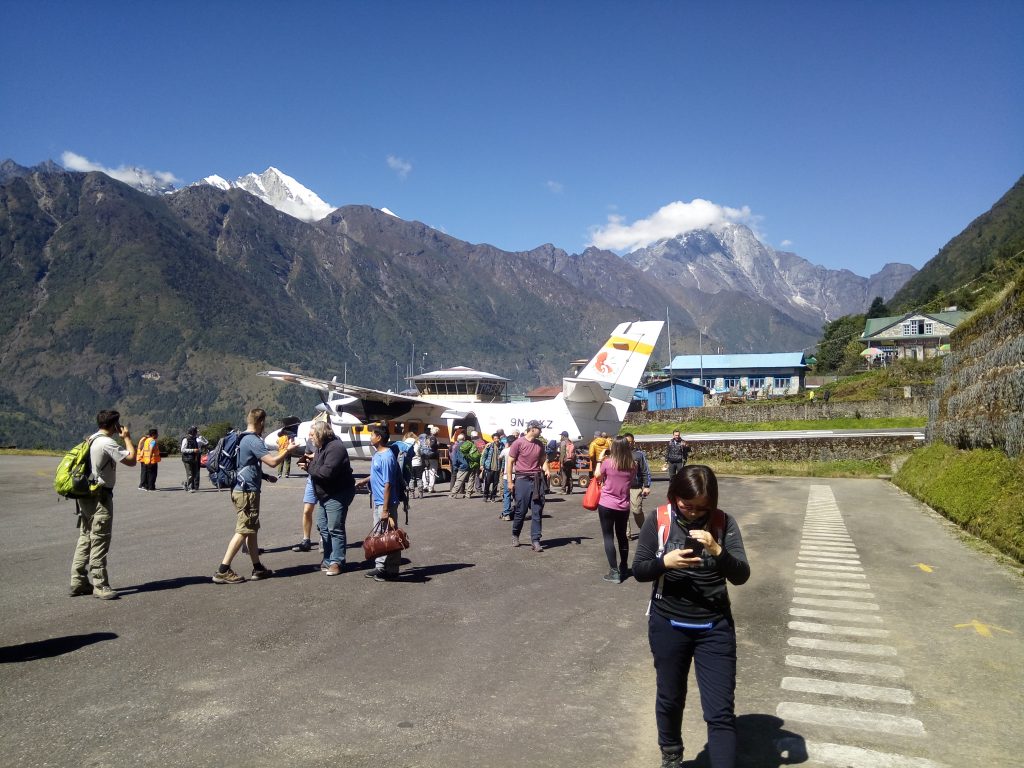
Imagine the morning you land in Kathmandu. In a package, someone is waiting at the airport holding your name. Your hotel is ready, your trek briefing is set and your flight to Lukla is already booked. You simply arrive and begin.
With a personal guide, you will do more of this yourself or work it out with your guide. Choosing hotels, buying tickets, arranging permits and finding gear can be rewarding for some travelers and exhausting for others.
Ask yourself one honest question. Do you enjoy planning, or do you want to save your energy for the mountains? Your answer will point you in the right direction faster than any price list.
The Human Side: Connection and Culture
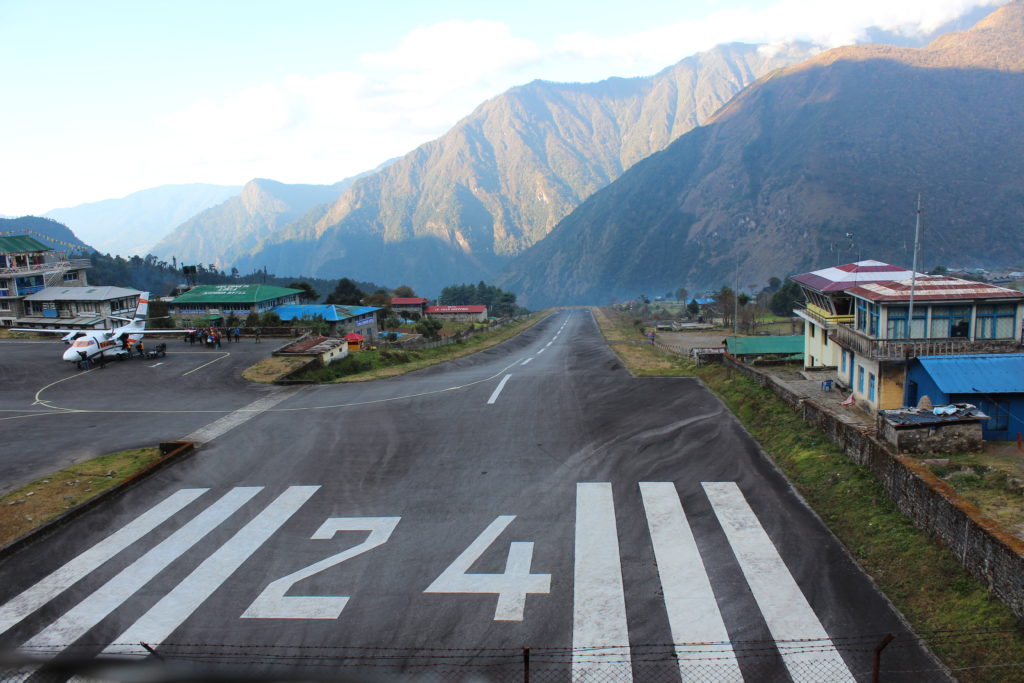
Something beautiful happens when you walk for ten days beside one person. A personal guide often becomes a friend, someone who teaches you a few Nepali words, shows you which teahouse bakes the best apple pie and introduces you to a family in a village you would otherwise pass quickly.
A package can offer this too, because the guides on a good company trek are usually just as experienced and warm. The difference is that with a package, the guide is assigned to you, while with a personal guide you choose them yourself, often after a conversation or a video call.
If you want a trusted connection from the very beginning, speaking with an independent guide such as the team at Nepal Everest Guide can feel very personal. If you want the comfort of a company standing behind every step, a package gives you that.
Who Is Each Option Best For?
A personal guide suits you if you are an experienced trekker, you enjoy planning, you want a flexible schedule, you travel in a small group or you prefer a close one-to-one relationship with the person leading you.
A full trekking package suits you if this is your first Himalayan trek, you want one clear price, you value back-up support and rescue coordination, you have limited time or you simply want your holiday to feel effortless.
Many travelers fall somewhere in between, and that is perfectly fine. Some choose a package for the main trek and add a personal guide for a side trip. Others begin with a personal guide and later book a package for a bigger adventure such as Everest Base Camp.
Questions to Ask Before You Book Either One
Whatever you choose, a few simple questions will protect you. Is the guide licensed and insured? Is the company registered in Nepal? What exactly is included in the price, and what is not? Who takes care of you if you become ill? What happens if a flight is delayed or cancelled? How many days are built in for acclimatization?
A trustworthy guide or company will answer these questions clearly and without pressure. If the answers feel vague, keep looking. Reviews from recent travelers and a quick conversation can tell you a great deal.
Common Mistakes to Avoid
The first mistake is choosing only by price. The cheapest option can become expensive if something goes wrong at altitude. The second is skipping acclimatization days to save money, which puts your health at risk. The third is hiring someone without checking a license. The fourth is not asking what is included, which leads to surprise costs later. Avoiding these four mistakes will improve your trek more than any piece of gear.
Final Thoughts
There is no single right answer, only the right answer for you. A personal guide offers freedom, flexibility and a close human bond. A full trekking package offers comfort, clarity and a complete safety net. Both can lead you to the same mountain sunrise.
If you want a ready-to-go journey with everything arranged, you can explore our trekking packages at Safe Holiday Adventure . If you prefer an experienced independent guide who will shape the trek around you, you can also talk to Nepal Everest Guide- Santosh. Whichever path you choose, walk slowly, listen to your body and enjoy every step.
Frequently Asked Questions
1. What is the main difference between a personal guide and a trekking package?
A personal guide is a licensed guide you hire directly, and you arrange most other things yourself. A package is a complete trip sold by a company, with guide, permits, rooms, meals and transport planned for you.
2. Which is cheaper in Nepal?
A personal guide often looks cheaper because you pay only for the guide’s service. But lodging, meals, permits and flights add up, so the final difference can be small.
3. Which option is better for first-time trekkers?
Most first-timers feel more comfortable with a package because it removes planning stress and adds a safety net.
4. Is a trekking package safer than a personal guide?
A package usually adds an office team, back-up plans and rescue coordination. A good licensed guide is also very safe, especially for small groups.
5. Do I need a licensed guide to trek in Nepal?
For most regions, yes. Rules have tightened and can change, so check current requirements with the Nepal Tourism Board before you travel.
6. Can I customize a trekking package?
Yes. Many companies offer private departures, extra rest days and custom itineraries.
7. Is a personal guide more flexible?
Yes. You can change your pace, add a rest day or take a side trail more easily than on a fixed itinerary.
8. What is usually included in a full package?
Typically airport pickups, Kathmandu hotels, permits, guide, porter, teahouse rooms, meals and domestic flights. Always confirm the exact list before you book.
9. What do I arrange myself with a personal guide?
Usually flights, hotels, permits and sometimes meals and lodging. Some guides help with these, so ask in advance.
10. How do I check that a guide or company is trustworthy?
Ask for a license, company registration, insurance details and recent traveler reviews. A good provider answers clearly and without pressure.
11. What happens if I get sick on the trek?
A guide watches your health and can decide to descend. A package adds company support for rescue and replacement arrangements.
12. What if my flight to Lukla is delayed or cancelled?
With a package, the company handles rebooking and hotel changes. With a personal guide, you and your guide arrange it, which may cost extra.
13. Do I still need to tip with a package?
Yes. Tips for guides and porters are usually not included in the price, so budget for them separately.
14. Can I combine both options?
Yes. Some trekkers book a package for the main trek and hire a personal guide for a side trip, or the other way around.
15. How do I decide which one is right for me?
Ask yourself if you enjoy planning or want a effortless holiday. Choose a personal guide for freedom and flexibility, or a package for comfort, clear pricing and backup support.