

How Fit Do You Need to Be for the Three Passes Trek?
15 Oct 2026 Santosh Gauli
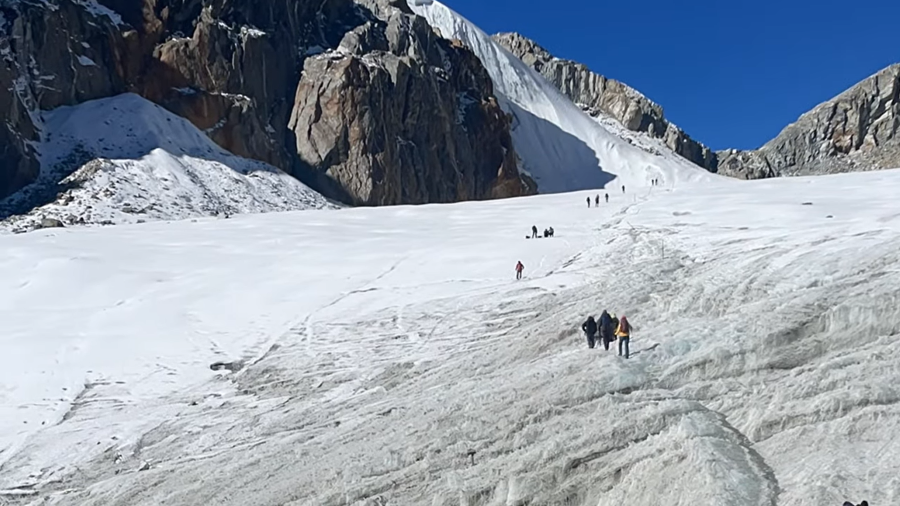
Picture this. It is 4:30 in the morning, somewhere above 5,000 metres. Your headlamp makes a small circle of light on frozen gravel, your breath hangs in front of you, and the only sound is the crunch of your boots and the slow tinkle of a yak bell far below. Ahead, a thin line of trekkers zigzags up toward a gap in the ridge, where the first sunlight is starting to turn the snow orange.
That is a pass day on the Everest Three Passes Trek, and it is the moment most people are thinking about when they type the same question into Google: am I fit enough for this?
The honest answer is more encouraging than you might expect, and also more demanding. You do not need to be an athlete. But you do need to arrive with the right kind of fitness and the right kind of mindset. Let’s walk through both.
The Short Answer: Strong Stamina, Not Superhuman Strength
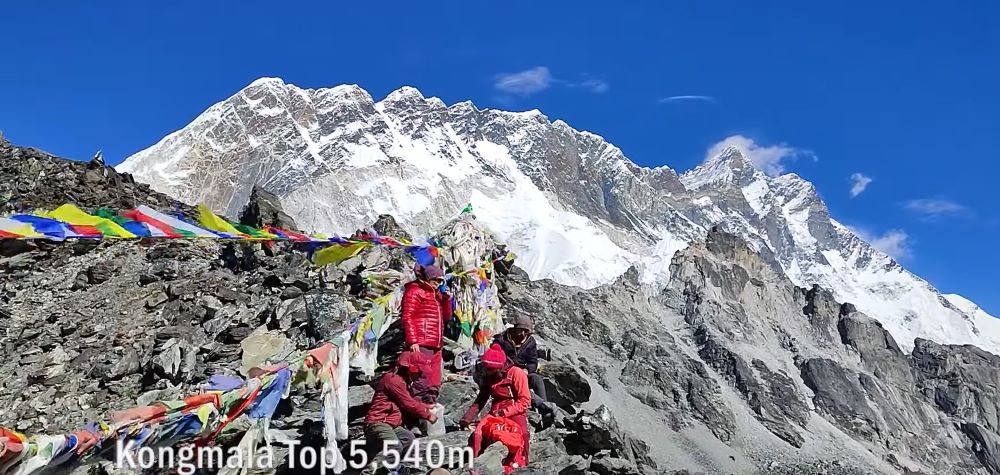
The Three Passes Trek links Kongma La (5,535 m), Cho La (5,420 m) and Renjo La (5,360 m) in one long loop through the Khumbu region. It also includes Everest Base Camp, Kala Patthar and the turquoise Gokyo Lakes if you want them. There is no rope work, no ice axe and no technical climbing. If you can walk, you can technically do it.
The catch is how long you walk, and where. Most trekkers are on their feet for five to eight hours a day, and the pass days can stretch to nine hours or more. All of this happens in thin air, over roughly two and a half to three weeks.
So the fitness this trek rewards is not sprinting speed or gym strength. It is endurance: the ability to walk steadily all day, wake up tired but functional, and do it again tomorrow, and the day after that.
What a Typical Day Really Feels Like
Numbers on an itinerary rarely tell you how a trek feels, so here is the rhythm of the route.
The first week is gentler than people fear. You fly into Lukla, follow the Dudh Kosi river, cross the swaying suspension bridges and make the famous climb up to Namche Bazaar. Days are moderate, the air is still rich enough to chat while you walk, and your legs are slowly learning what the next two weeks will ask of them.
Then the trail rises. Around Dingboche and Chhukhung, you are above 4,400 metres and every staircase feels like a negotiation. This is where the trek quietly shifts from a walk to an expedition-style effort, and where the fitness you built at home starts paying you back.
The pass days are the real tests. Crossing Kongma La means a long, steep climb over moraine and loose rock, followed by a knee-punishing descent toward Lobuche. Cho La involves a rocky ascent, sometimes with icy patches near the top, and a boulder-strewn descent to Dragnag. Renjo La, usually crossed from Gokyo toward Thame, is a steady stone staircase that feels endless on tired legs but rewards you with a sweeping view of Everest, Lhotse, Makalu and Cho Oyu.
None of these days are technical. All of them are tiring. That is the whole point of preparing well.
Altitude Is the Real Boss
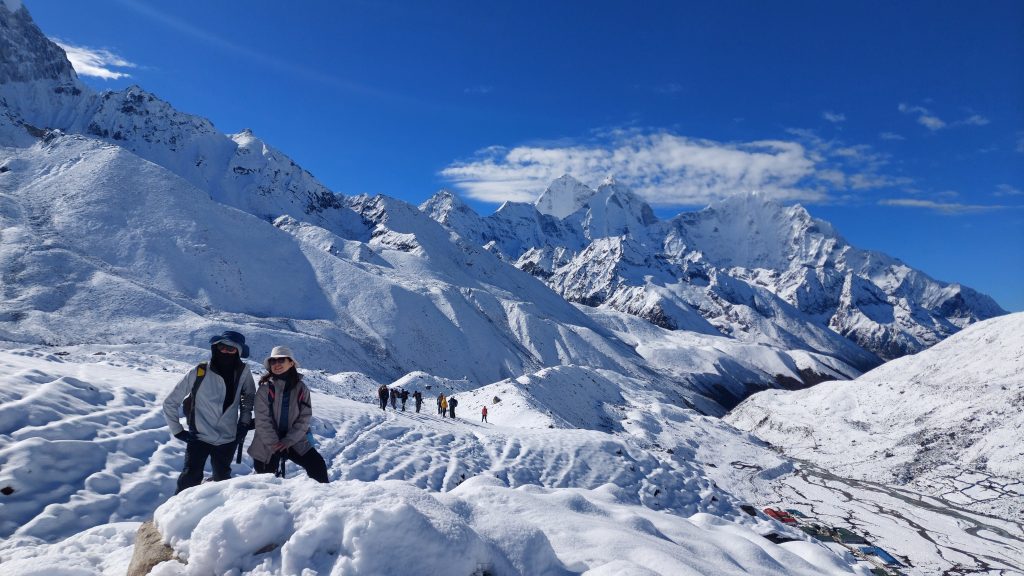
Here is something experienced guides repeat constantly: fitness helps, but altitude does not care how fit you are.
Marathon runners get altitude sickness. Retired teachers with a sensible pace sometimes breeze through. Your heart rate, your lungs and your muscles matter, but your body’s ability to adapt to low oxygen has a lot to do with genetics, hydration, sleep and, above all, how quickly you ascend.
This is why a well-designed itinerary matters more than any training plan. Good Three Passes itineraries include acclimatization days in Namche and Dingboche, short “climb high, sleep low” side trips, and sensible daily elevation gains. If a company offers you a version of this trek that feels rushed, treat that as a red flag. A slower itinerary is not a weaker trek; it is the safer and usually more successful one.
Learn the early warning signs too: persistent headache, nausea, dizziness, unusual fatigue and trouble sleeping. Tell your guide the moment you notice them. Descending is the best and most reliable treatment for altitude sickness, and no pass in the world is worth ignoring it. If you are thinking about altitude medication, speak to your doctor before you travel rather than deciding on the trail.
How to Train: A Simple 8 to 12 Week Plan
You do not need a complicated programme. You need consistency, and you need to train the specific things this trek will demand. Start about three months out if you can.
Build your cardio base. Aim for three to four sessions a week of brisk walking, jogging, cycling, swimming or stair climbing. Start with 30 to 40 minutes and slowly build toward an hour or more. The goal is not speed. It is teaching your body to work comfortably for a long time.
Walk with weight, on hills. This is the single most valuable habit. Once a week, and later twice, go for a long hike with a loaded daypack, around 6 to 8 kilograms. Choose hills or stairs if you can. In the last month, try two long hikes on consecutive days, because that is exactly what trekking feels like. You will learn how your legs, feet and shoulders respond on day two, which is when most problems appear.
Strengthen your legs and core. Squats, lunges, step-ups, calf raises and planks, twice a week, are enough. Strong quads and glutes protect your knees on the long descents from the passes, and a solid core keeps your posture steady when your pack feels heavier than it did in week one.
Train for the downhill. Everyone talks about the climbs, but the descents from Kongma La and Cho La are what make knees complain. Include downhill walking and slow, controlled step-downs in your training so your legs are not meeting steep, loose scree for the first time in the Himalayas.
Break in your boots. Not a week before. Months before. Good broken-in boots, proper socks and a tested backpack prevent the blisters and sore spots that quietly ruin otherwise strong trekkers.
Rest properly. The final week before you fly should be lighter. Arrive in Kathmandu fresh, not exhausted from over-training.
A Simple Test: Are You Ready?
If you want a quick reality check, try this. Can you hike for five to six hours with a daypack, feel pleasantly tired rather than wrecked, and then wake up the next morning ready to do it again? If yes, and especially if you can repeat that on a third day, your stamina is in the right neighbourhood for this trek.
If you are not there yet, that is fine. It simply means you need a bit more time to build up, or an itinerary with extra rest days. Plenty of first-time Himalayan trekkers complete the Three Passes. They just prepare steadily and respect the mountain.
Your Age and Experience Matter Less Than You Think
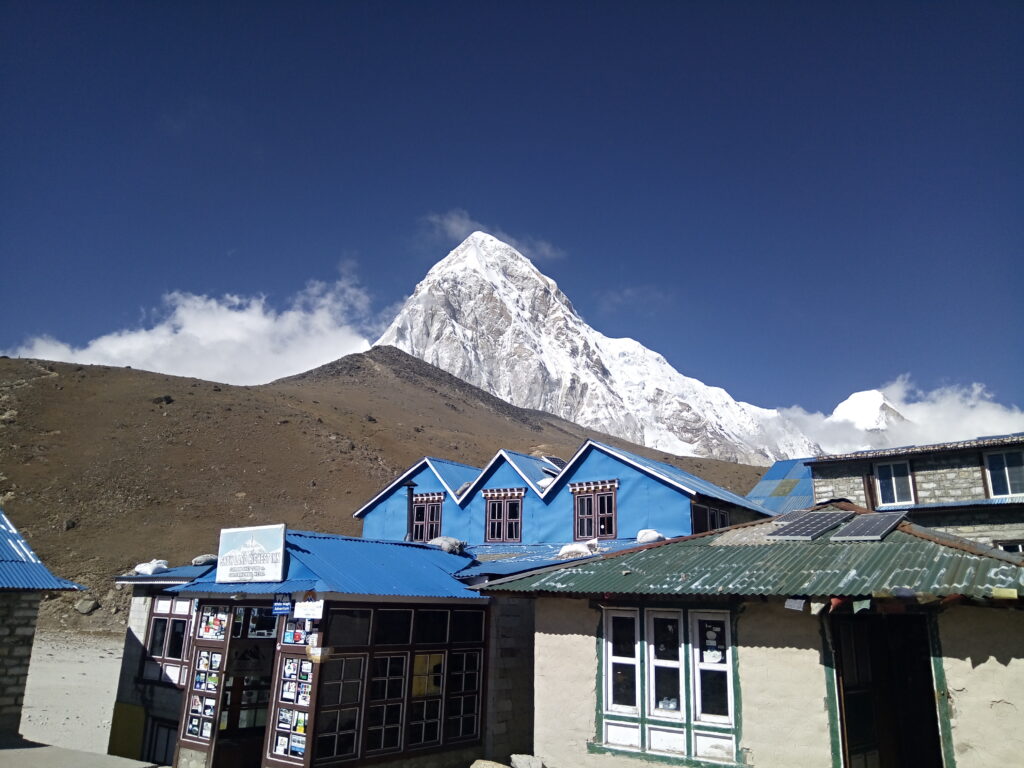
One of the surprising things about trekking in Nepal is how mixed the groups are. You will meet 25-year-olds who struggle and 60-year-olds who glide past on day eight. What separates them is rarely age. It is preparation, pacing and attitude.
That said, this is not usually the best choice for a first-ever trek. If you have never walked more than a few days in a row, consider starting with Everest Base Camp or a shorter Annapurna route first. Previous multi-day trekking experience, even at lower altitudes, gives you a huge advantage because you already know how your feet, your pack and your patience behave.
Also be honest about your health. If you have heart, lung, blood pressure or other medical conditions, see your doctor well before you book, and tell your trekking company so your guide can plan accordingly.
The Mindset That Gets People Over All Three Passes
Now for the part that no gym can train: your head.
On this trek you will have cold mornings when your zipper feels like ice. You will have days when the dining room is smoky, the tea is lukewarm and your legs feel like wet sand. You will get tired of dal bhat for the fifth night in a row. And you will probably, at some point, ask yourself why you signed up.
The trekkers who finish happily are almost never the fastest. They are the most patient. They follow a simple formula:
- Walk slowly. The Sherpa phrase “bistari, bistari” means “slowly, slowly,” and it is the best advice on the mountain. If you can talk in short sentences while walking, your pace is right.
- Drink constantly. Aim for three to four litres a day. Dehydration makes altitude symptoms worse and tiredness heavier.
- Eat even when you are not hungry. Appetite fades with altitude, but your body is burning huge amounts of energy. Carbohydrate-rich meals keep you going.
- Rest without guilt. A rest day is not a wasted day. It is part of the plan.
- Trust your guide. Experienced guides read weather, trail conditions and your body language better than any app. If they suggest turning back or delaying a pass, they are protecting your trek, not ending it.
Choosing the Right Season and Support
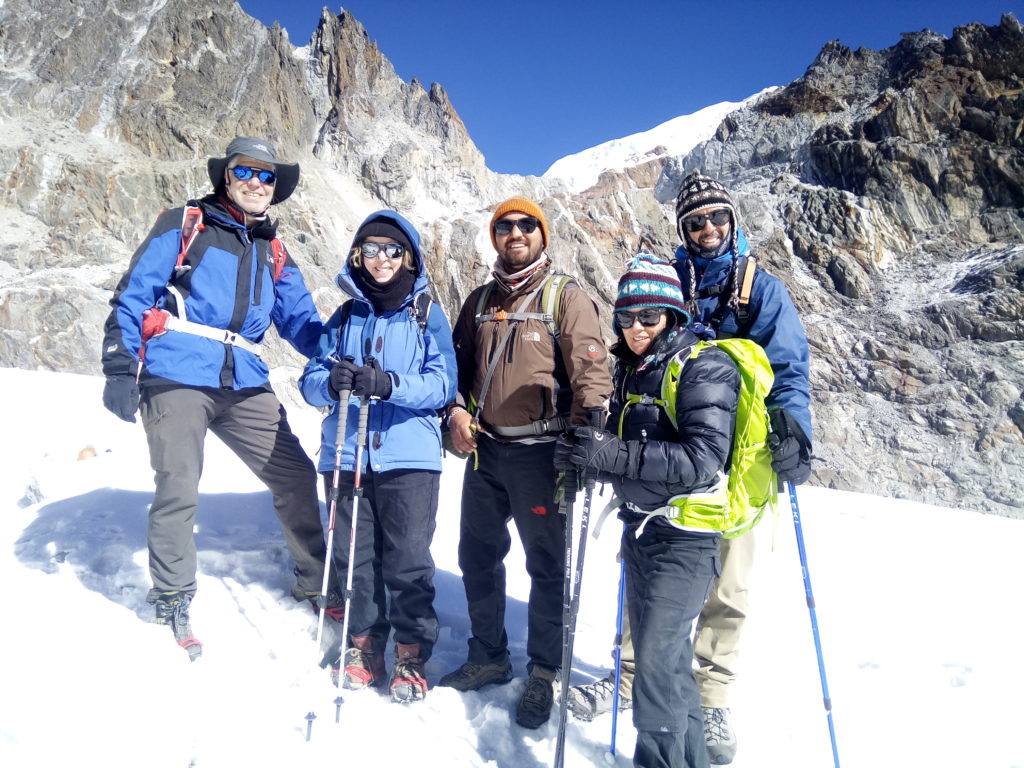
Fitness is only one piece of the puzzle. Conditions on the passes matter too. Spring (March to May) and autumn (late September to November) are the most reliable seasons, with stable weather and clear mountain views. Snow can make Cho La and Kongma La trickier, so a guide who knows the current conditions is worth a lot.
Hiring a licensed local guide and, if you can, a porter has another benefit for fitness: it lets you carry only a light daypack. That saves energy for the walking itself, and it supports local families who depend on the trekking economy.
Final Thoughts: Tough, But Wonderfully Doable
So, how fit do you need to be for the Three Passes Trek? Fit enough to walk long days with a smile, patient enough to let altitude do its slow work, and prepared enough to let your body enjoy the trek instead of merely surviving it.
You do not need a perfect body or an impressive résumé. You need a few months of honest preparation, a well-planned itinerary with proper acclimatization, and the humility to listen to the mountains.
If you give the trek that, it will give you something back that is hard to describe: three high passes, a crown of 8,000-metre giants all around you, and the quiet pride of knowing you crossed them on your own two feet.
Planning your Everest Three Passes adventure? Our local team at Safe Holiday Adventure Pvt. Ltd can help you with fitness advice, a safe acclimatization-friendly itinerary and complete trip planning. Message us and let’s get you ready for the Himalayas.