

How to Complete the Everest Base Camp Trek Without Altitude Sickness?
6 Oct 2026 Santosh Gauli

Every year, thousands of trekkers land in Lukla with the same dream: stand at the foot of the world’s highest mountain. And every year, a fair number of them turn back early. The reason is rarely a lack of fitness or willpower. It is almost always altitude.
The Everest Base Camp trek is not technically difficult. There are no ropes, no crampons, and no climbing skills required. What makes it demanding is the thin air. At 5,364 meters, Base Camp holds roughly half the oxygen available at sea level. The good news is that altitude sickness is largely preventable. The people who finish this trek comfortably are usually not the strongest ones. They are the ones who respect the mountain’s rules.
This guide walks you through those rules, from the science behind the sickness to the daily habits that keep you moving upward.
Understanding What Altitude Sickness Really Is
Altitude sickness, known medically as Acute Mountain Sickness (AMS), happens when your body cannot adjust quickly enough to the drop in oxygen and air pressure as you climb. Your breathing speeds up, your heart works harder, and your body begins producing more red blood cells. These changes take time, and when you ascend faster than your body can adapt, symptoms appear.
It does not care how young, athletic, or experienced you are. A marathon runner can be hit hard while a quiet grandfather walks through without trouble. Past trips at altitude help, but they do not guarantee anything. This is why the goal is never to outperform the mountain. The goal is to give your body enough time to catch up with it.
AMS usually begins to show above 2,500 meters, and on the Everest trail you cross that line before you even reach Phakding. From Namche Bazaar upward, you are living at heights where the risk is real, so everything you do should be built around gradual adaptation.
Know the Warning Signs Early
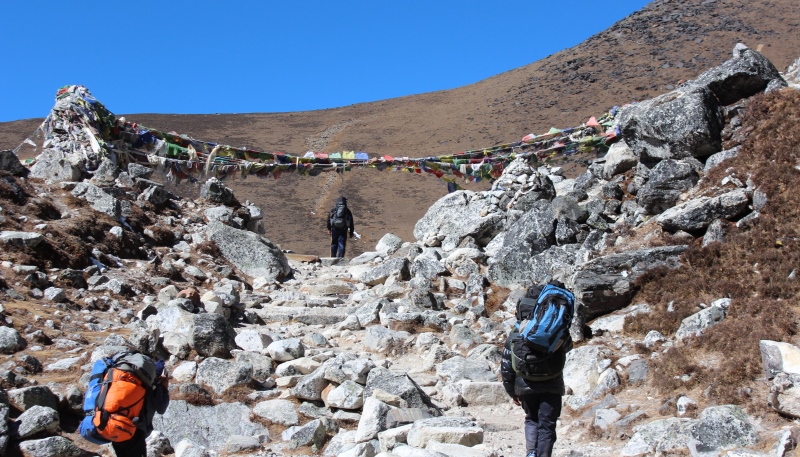
The most important skill on this trek is honest self-assessment. Most altitude problems become serious only because people ignore the early signals.
Mild AMS often feels like a bad hangover. You may notice a persistent headache, a loss of appetite, mild nausea, unusual tiredness, dizziness, or trouble sleeping. Some of these are normal on any trek, such as a restless night or a slightly faster heartbeat. But a headache that does not ease after rest, water, and a painkiller is a message you should not brush aside.
Moderate AMS is a clear step up. The headache becomes severe, vomiting begins, you feel weak even while resting, and your coordination starts to slip. At this stage, going higher is no longer an option. You rest at the same altitude if the symptoms are mild and improving, and you descend if they are not.
Then there are the two dangerous conditions that every trekker should know by name. High Altitude Pulmonary Edema (HAPE) is fluid collecting in the lungs. It shows up as breathlessness at rest, a wet or crackling cough, tightness in the chest, and extreme fatigue. High Altitude Cerebral Edema (HACE) is swelling of the brain. Its signs include confusion, strange behavior, severe loss of balance, and in the worst cases, drowsiness leading to unconsciousness. A simple test used in the mountains is to ask someone to walk heel to toe in a straight line. If they cannot, treat it as an emergency.
Both HAPE and HACE can become life-threatening within hours. The answer to either one is the same: descend immediately, without waiting for morning and without negotiating.
The Golden Rule: Climb High, Sleep Low
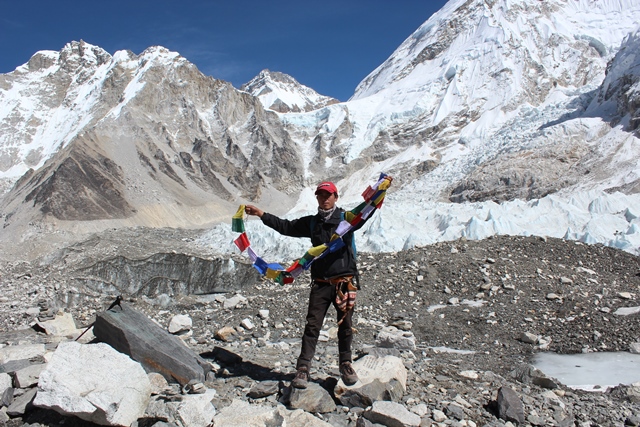
If you remember only one principle from this article, make it this one. Your body adapts best when you reach a higher point during the day, then return to a lower altitude to sleep. The stress of the higher elevation triggers adaptation, while the lower sleeping altitude lets you recover.
Mountain professionals follow a simple guideline above 3,000 meters. Do not increase the altitude where you sleep by more than about 300 to 500 meters per day, and take a rest day for every 1,000 meters gained. The standard Everest itinerary is designed around this idea, and it is the reason the two acclimatization days exist.
Do not treat those days as optional. The trekkers who try to squeeze the itinerary by skipping them are the ones who most often end up in a helicopter.
Choose an Itinerary That Gives Your Body Time
The length of your trek matters more than almost any other decision you make. A rushed schedule is the single biggest cause of altitude trouble on this route.
A well-paced trek typically takes 12 to 14 days. After the flight to Lukla at 2,860 meters, you walk gently to Phakding, then climb to Namche Bazaar at 3,440 meters. Here you spend your first acclimatization day. This is the right moment for the classic side hike up toward the Everest View Hotel or Khumjung, which takes you several hundred meters higher before you come back down to sleep.
From there the trail continues to Tengboche at 3,860 meters, with its beautiful monastery, and on to Dingboche at 4,410 meters. Here you take a second acclimatization day, usually with a hike up the ridge behind the village toward Nangkartshang View Point, which rises above 5,000 meters. After this, Lobuche at 4,910 meters and Gorak Shep at 5,164 meters follow, with Base Camp visited from there and the sunrise climb of Kala Patthar at 5,545 meters.
Notice that the days above Dingboche get shorter and the altitude gains get smaller. That is deliberate. Where the air is thinnest, the mountain asks you to slow down even more.
If you are choosing between a 10-day and a 14-day itinerary, choose the longer one. An extra day costs very little compared with a failed trek or an emergency evacuation.
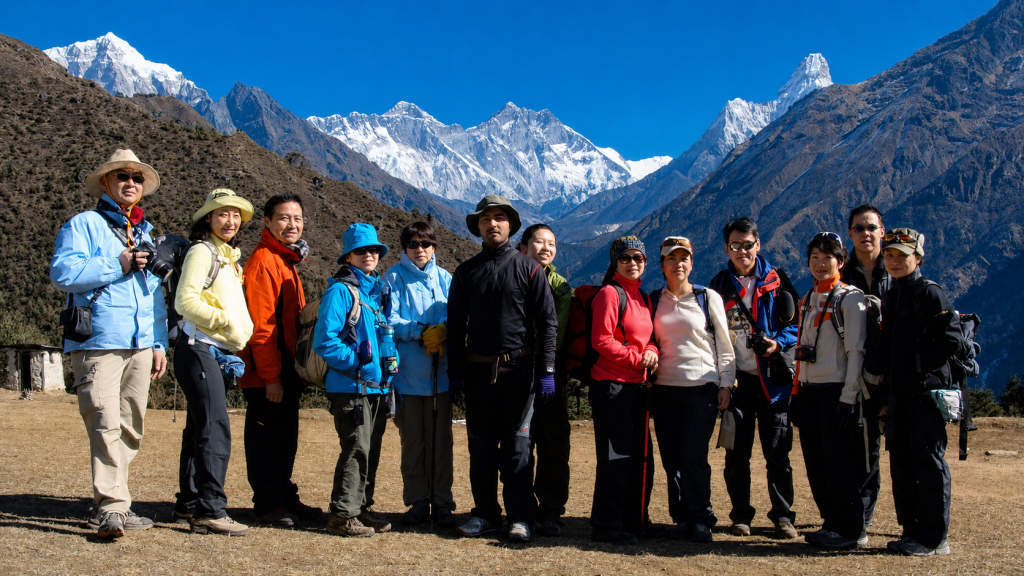
Walk Slowly, Then Walk Even Slower
You will hear the Nepali word “bistari” many times on this trail. It means slowly, and it is the best advice you will ever receive here.
Your pace should feel almost embarrassingly easy. A good test is whether you can hold a conversation while walking without gasping. If you cannot, slow down. Take short, steady steps and breathe rhythmically. Many experienced trekkers use pressure breathing, where you inhale deeply through the nose and exhale firmly through pursed lips, which helps push more oxygen into the blood.
Do not race other groups, and do not feel pressure to keep up with a faster friend. Porters and guides who move quickly have spent their entire lives at these heights, and their bodies work differently. Your only competition is your own comfort.
Rest often. Short breaks every hour cost you very little time, but they help you keep your heart rate steady. Arriving at the teahouse with energy left in your legs is a far better sign than arriving first.
Hydration Is Your Quiet Superpower
At altitude, you lose water faster than you realize. The air is dry, you breathe harder, and you sweat under your layers without noticing. Dehydration also mimics and worsens altitude symptoms, so staying well hydrated is one of the easiest defenses you have.
Aim to drink around three to four liters of fluid each day. Water is the best choice, but warm soup, ginger tea, lemon tea, and herbal drinks all count. Your urine should be pale and clear. If it turns dark yellow, you are falling behind.
Keep a bottle within easy reach and sip steadily rather than gulping at meals. A useful habit is to fill a bottle each evening so you have water ready in your room overnight. Be aware that water bottles can freeze in the high teahouses, so keep yours inside your sleeping bag or upside down in your pack.
Bring purification tablets or a filter to treat tap and stream water. This saves you from buying plastic bottles along the way, and it keeps your stomach healthy, which matters because an upset stomach combined with altitude can quickly drain your energy.
Eat Well Even When You Do Not Feel Like It
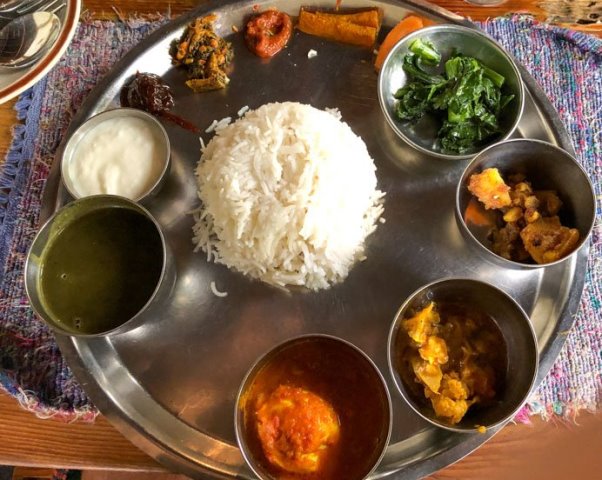
Appetite often shrinks as you gain height, yet your body needs more calories to keep warm and keep moving. Think of food as fuel for acclimatization, not just a meal.
Favor carbohydrates, because they are easier to digest and use less oxygen to burn than fats. Dal bhat (Nepali Traditional food), the Nepali staple of rice, lentils, and vegetables, is popular for good reason, and the refills are usually free. Pasta, potatoes, noodles, porridge, and Tibetan bread all do the job well.
Local garlic soup is a long-standing tradition in the Khumbu. There is no firm scientific proof that it prevents altitude sickness, but it is warm, hydrating, and gentle on the stomach, which is reason enough to enjoy it.
Be careful with meat in the upper villages. Items carried by porters over several days may not be fresh, so a vegetarian diet tends to be the safer choice on the trail. Carry snacks such as nuts, chocolate, dried fruit, and energy bars for the moments when a full meal feels too heavy.
Avoid Alcohol, Smoking, and Sleeping Pills
The bars of Namche are tempting, and a celebratory drink feels natural after a long day. But alcohol dehydrates you, interferes with sleep, and can mask or worsen early symptoms. It is wise to skip it completely until you are back at lower elevation.
Smoking reduces the oxygen your blood can carry, which is the last thing you need at altitude. Sleeping pills are another trap. They slow your breathing at exactly the time your body wants to breathe more, which can make nights dangerous. If sleep is difficult, which is common above 4,000 meters, treat it as normal rather than as something to chemically fix.
Medication: A Conversation to Have With Your Doctor
Acetazolamide, widely known by the brand name Diamox, is the most commonly used medicine to help the body acclimatize. It speeds up your breathing adaptation and can reduce symptoms. Many trekkers take it as prevention, and many prefer to carry it just in case.
The key point is that it is a medicine, so the decision should be made with your own doctor before you leave home. They can advise on dosage, side effects such as tingling fingers and frequent urination, and whether it suits you. It is not a license to climb faster, and it does not replace gradual acclimatization. If you have allergies, particularly to sulfa drugs, medical advice becomes even more important.
Also ask your doctor about any existing heart, lung, or blood conditions, and about pregnancy if relevant. A proper pre-trek checkup is not a formality. It is part of a responsible plan.
Prepare Your Body Before You Arrive
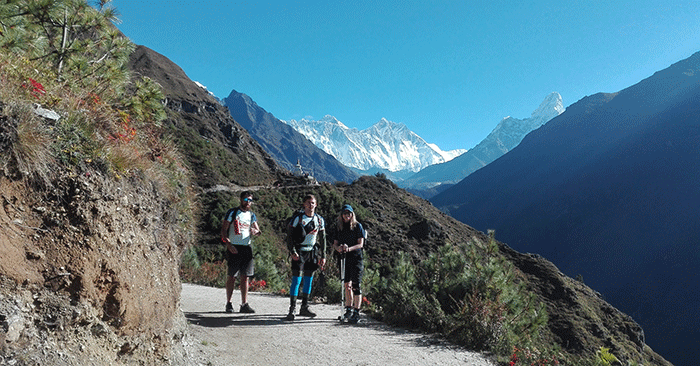
You cannot train your body to resist altitude, but a strong, healthy body copes with the physical load much better, and that leaves more energy for adapting.
Start preparing at least two to three months before departure. Build endurance with long walks, hill hikes, stair climbing, cycling, or swimming. Include a few back-to-back days of hiking with a loaded daypack, since you will be walking five to seven hours several days in a row. Strengthen your legs and core, because steep descents and endless stone steps work these muscles hard.
If you can spend time at moderate altitude before the trek, even a few nights in the hills around Kathmandu valley, it may give you a small head start. Arriving rested, well fed, and free of illness also matters. Starting the trek with a cold or stomach bug is a poor beginning.
Sleep Smart and Stay Warm
Poor sleep at altitude is common, and it is not necessarily a sign of sickness. You may wake often, dream vividly, or notice your breathing pause and restart. This is a normal pattern called periodic breathing, and it generally eases as you acclimatize.
To help yourself rest, eat a warm dinner, drink water earlier in the evening rather than right before bed, and keep your sleeping bag rated well below the coldest expected temperature. Teahouse rooms are unheated, and nights above 4,000 meters can drop far below freezing. Staying warm saves energy your body would otherwise spend on heating.
Keep your head slightly elevated, and do not overdress in a way that makes you sweat. A hot water bottle at your feet, filled by the teahouse for a small fee, is a simple luxury that works wonders.
Use a Pulse Oximeter Wisely
Many trekkers carry a small finger pulse oximeter to track oxygen saturation and heart rate. It can be a useful extra data point, but it should never replace listening to your body.
Readings naturally fall as you climb. Numbers in the 80s at high altitude are common among healthy trekkers, so a single low reading is not automatically alarming. What matters more is the trend and how you feel. A reading that keeps dropping, combined with a headache, nausea, or breathlessness, deserves attention. Cold fingers and poor placement can also give false results, so warm your hands before measuring.
Choose Your Guide and Group Carefully
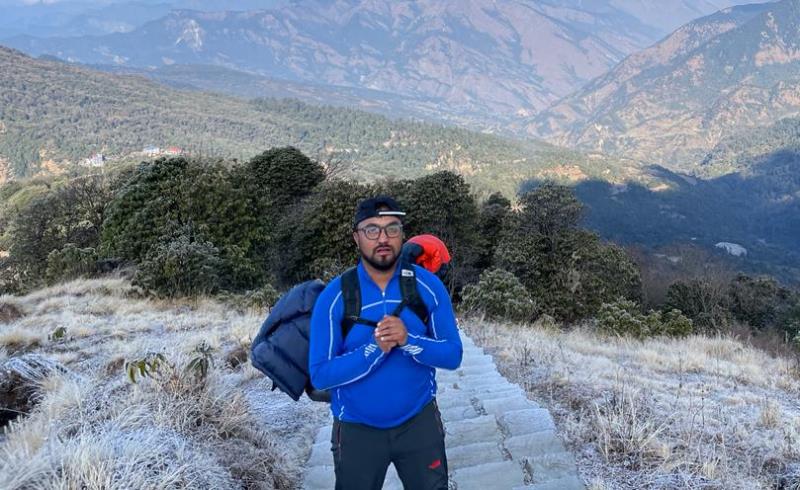
A good guide is more than a map reader. A trained, experienced guide watches your behavior throughout the day, notices when you walk differently or speak less, and asks you the right questions before you realize something is wrong. Many altitude cases are first noticed by someone else, because the affected person often feels fine or simply tired.
Check that your guide has wilderness first aid training and carries a first aid kit. Ask how the company handles emergencies and what its policy is if a trekker needs to rest or descend. A trustworthy operator builds flexibility into the plan and puts safety above the schedule.
Travel with a group or partner when possible, and agree early that anyone can speak up without embarrassment. Pride is a dangerous companion at altitude.
Travel Insurance That Truly Covers You
Before you fly, make sure your insurance covers trekking up to at least 6,000 meters and includes emergency helicopter evacuation. Many standard policies exclude high-altitude activity, so read the fine print carefully rather than assuming. Carry a copy of your policy number and emergency contact details, and share them with your trekking company.
You will probably never need it, but the peace of mind helps you make the right decision if a problem arises, rather than hesitating because of cost.
What to Do If Symptoms Appear
Having a plan in advance makes the decision easier in the moment. If you develop mild symptoms, stop ascending, rest, drink fluids, and monitor how you feel. If symptoms disappear, you may continue slowly. If they stay the same, remain at that altitude for another night. If they get worse, go down.
Descent is the most effective treatment for altitude sickness. Even 300 to 500 meters can make a dramatic difference. Do not go down alone, and do not wait for a perfect moment. Dropping altitude early often means you can recover and, in some cases, return up the trail later.
For HAPE or HACE, descent is urgent, and evacuation by helicopter may be needed. This is why insurance and a reliable operator matter so much.
A Few Small Habits That Make a Big Difference
Some of the best protection comes from small, unglamorous routines. Wash or sanitize your hands regularly to avoid stomach illness. Wear layers you can adjust easily, so you are never overheating or shivering. Protect your skin and eyes from intense sun with sunscreen, lip balm, and good sunglasses. Keep your daypack light and let a porter carry the heavy load. And take a moment each evening to check in with yourself, honestly rating your headache, appetite, and energy.
Most importantly, keep your attitude flexible. The mountain is not going anywhere. A trek completed safely in 14 days is far better than a rushed one that ends in a hospital.
Reaching Base Camp the Right Way
When you finally stand among the prayer flags at Everest Base Camp, with the Khumbu Icefall glittering above and the mountains wrapping around you, you will understand why people save for years to be here. And when you watch the sunrise paint Everest gold from Kala Patthar the next morning, the effort feels small compared with what you receive.
That moment belongs to those who prepared well and moved wisely. The trekkers who reach it comfortably follow the same simple formula: an unhurried itinerary, proper acclimatization days, steady hydration, good food, honest self-awareness, and the humility to turn around when the body says so.
Altitude sickness is not a punishment reserved for the unlucky. It is the mountain’s way of asking you to slow down and listen. Do that, and the Himalaya will reward you with the trek of a lifetime.