

Upper Mustang Trek with Independent Guide – Complete Travel Guide for 2026
2 May 2026 Santosh Gauli
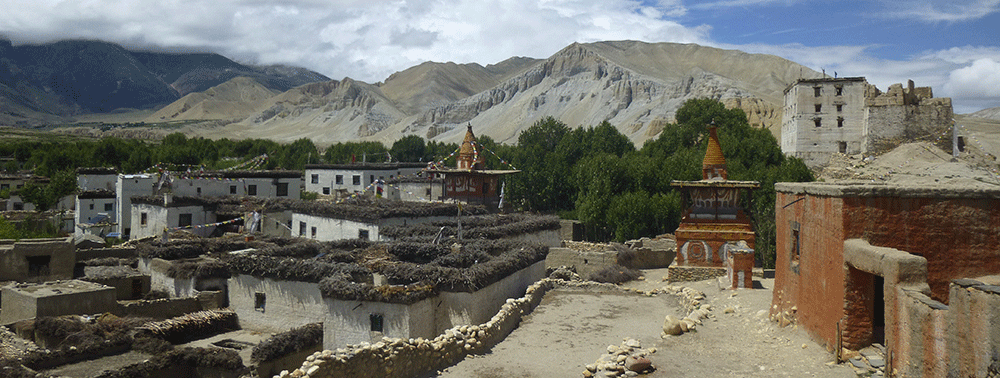
The Upper Mustang Trek is one of the most fascinating trekking adventures in Nepal. Hidden behind the mighty Himalayas near the Tibetan border, Upper Mustang offers a rare opportunity to explore ancient Tibetan culture, dramatic desert landscapes, centuries-old monasteries, and the mysterious walled city of Lo Manthang.
Often called the “Last Forbidden Kingdom of Nepal,” Upper Mustang remained closed to foreign travelers until 1992. Even today, it is a restricted region requiring special permits and a licensed trekking guide. For travelers seeking flexibility, local knowledge, and authentic cultural experiences, trekking with an independent guide in Nepal is one of the best ways to explore this hidden Himalayan kingdom.
Where is Upper Mustang Located?

Upper Mustang lies in the northern part of Nepal within the Mustang District of the Annapurna region. The area stretches toward the Tibetan plateau and sits in the rain shadow of the Annapurna and Dhaulagiri mountain ranges.
Unlike the green hills found in many trekking regions of Nepal, Upper Mustang features dry valleys, deep canyons, red cliffs, and desert-like landscapes. The region’s culture, language, architecture, and religion are heavily influenced by Tibet.
The main destination of the trek is Lo Manthang, the ancient capital of the former Kingdom of Lo. This historic walled city is filled with monasteries, royal palaces, narrow alleys, and traditional mud-brick houses that preserve centuries-old Himalayan traditions.
Why Choose the Upper Mustang Trek in Nepal?
The Upper Mustang Trek is completely different from popular trekking routes like the Everest Base Camp Trek or Annapurna Base Camp Trek. Instead of crowded mountain trails, trekkers experience peaceful villages, ancient Buddhist culture, and remote Himalayan wilderness.
Top Reasons to Trek Upper Mustang
- Explore the legendary “Forbidden Kingdom” of Nepal
- Experience authentic Tibetan Buddhist culture
- Visit ancient monasteries, caves, and traditional villages
- Trek through unique desert-like Himalayan landscapes
- Discover the historic walled city of Lo Manthang
- Enjoy less crowded trekking trails
- Witness breathtaking views of Annapurna, Nilgiri, and Dhaulagiri
- Experience one of Nepal’s most culturally preserved regions
Upper Mustang is ideal for travelers who want both adventure and deep cultural exploration.
Upper Mustang Trek with Independent Guide
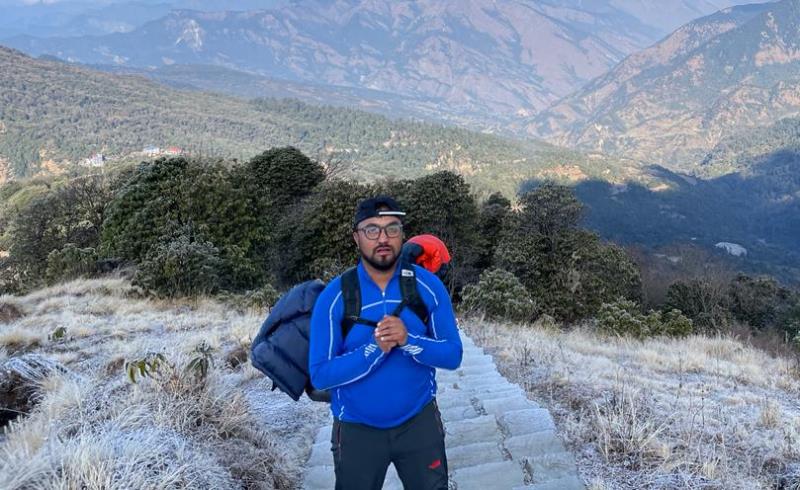
Hiring an independent trekking guide in Nepal is becoming increasingly popular among travelers visiting Upper Mustang. Independent guides are licensed local professionals who work directly with trekkers instead of large trekking companies.
This option offers a more flexible, personal, and affordable trekking experience.
Benefits of Hiring an Independent Guide
1. Personalized Trekking Experience
Independent guides can adjust the itinerary according to your pace, interests, and physical condition.
2. Flexible Schedule
You can make changes during the trek depending on weather, health, or photography opportunities.
3. Authentic Cultural Experience
Many guides come from Himalayan regions and can explain local traditions, Buddhist culture, and village life in detail.
4. Direct Communication
You communicate directly with your guide without middle agencies, making planning easier and more transparent.
5. Budget-Friendly Option
Independent guides are often more affordable than expensive all-inclusive trekking packages.
Permits Required for Upper Mustang Trek
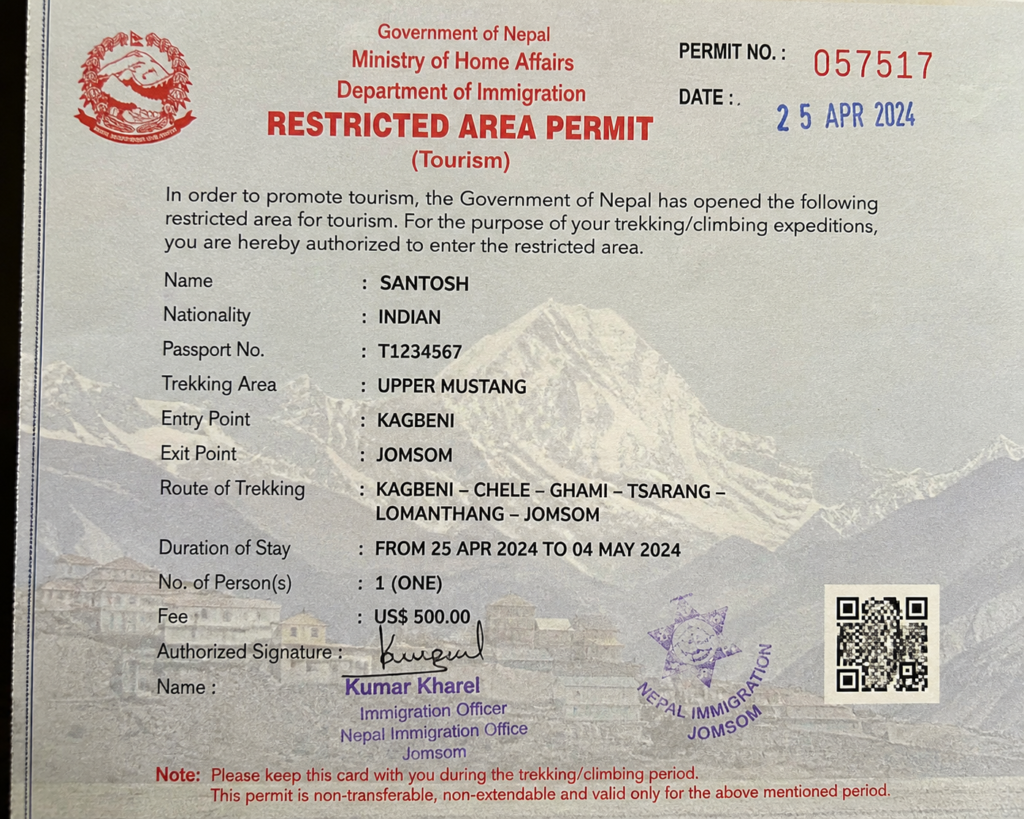
Upper Mustang is a restricted trekking region in Nepal, so trekkers must obtain special permits before entering the area.
1. Restricted Area Permit (RAP)
- Cost: Approximately USD 500 per person for 10 days
- Additional days cost extra
- Mandatory for all foreign trekkers
2. Annapurna Conservation Area Permit (ACAP)
- Required for trekking within the Annapurna Conservation Area
- Helps support environmental conservation and local communities
A licensed guide or trekking agency usually arranges these permits for trekkers.
Best Time for Upper Mustang Trek
One of the unique advantages of Upper Mustang is that it can be trekked even during Nepal’s monsoon season because the region lies in a rain shadow area.
Spring Season (March to May)
Spring is one of the best times for the Upper Mustang Trek.
Highlights:
- Mild temperatures
- Clear mountain views
- Colorful landscapes
- Excellent photography conditions
Autumn Season (September to November)
Autumn is considered the peak trekking season in Nepal.
Highlights:
- Stable weather
- Dry trekking trails
- Crystal-clear Himalayan views
- Comfortable temperatures
Monsoon Season (June to August)
Unlike many trekking routes in Nepal, Upper Mustang remains relatively dry during monsoon.
Highlights:
- Less crowded trails
- Dramatic desert scenery
- Unique seasonal atmosphere
Difficulty Level of Upper Mustang Trek
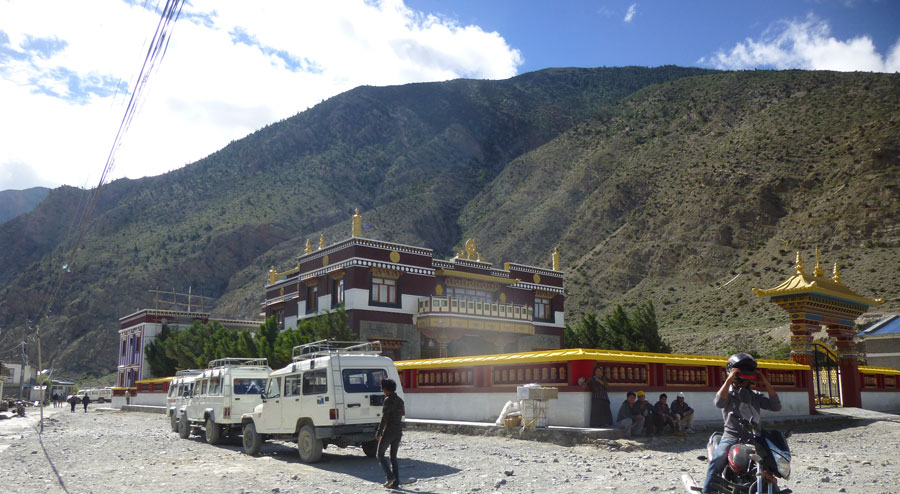
The Upper Mustang Trek difficulty level is considered moderate. It is suitable for trekkers with average fitness and some hiking experience.
Trekkers usually walk between 5 to 7 hours daily through dry trails, rocky terrain, and gradual uphill sections. Although the route is not technically difficult, the high altitude and remote environment can make the trek physically demanding.
The trek reaches elevations above 3,800 meters, so proper acclimatization is important to avoid altitude sickness.
Key Challenges
- Long daily walking hours
- Dry and windy environment
- High altitude conditions
- Remote trekking routes
- Basic accommodation facilities
With proper preparation, hydration, and a steady pace, most trekkers can complete the journey comfortably.
Upper Mustang Trek Itinerary
Day 1: Fly Kathmandu → Pokhara (820 m), no trekkingDay 2: Fly Pokhara → Jomsom (2,720 m), trek to Kagbeni (2,810 m), ~10 km
Day 3: Kagbeni (2,810 m) → Chele (3,050 m), ~15 km
Day 4: Chele (3,050 m) → Syangboche (3,800 m), ~14 km
Day 5: Syangboche (3,800 m) → Ghami (3,520 m), ~12 km
Day 6: Ghami (3,520 m) → Charang (3,560 m), ~10 km
Day 7: Charang (3,560 m) → Lo Manthang (3,840 m), ~12 km
Day 8: Acclimatization day at Lo Manthang (3,840 m), explore monasteries, ~5–8 km optional
Day 9: Lo Manthang (3,840 m) → Drakmar (3,810 m), ~15 km
Day 10: Drakmar (3,810 m) → Ghami (3,520 m), ~14 km
Day 11: Ghami (3,520 m) → Syangboche (3,800 m), ~13 km
Day 12: Syangboche (3,800 m) → Chhusang (2,980 m), ~16 km
Day 13: Chhusang (2,980 m) → Jomsom (2,720 m), ~18 km
Day 14: Fly Jomsom → Pokhara (820 m), no trekking
Day 15: Pokhara → Kathmandu (1,400 m), return
Pass beautiful villages and Buddhist mani walls.
Major Highlights of Upper Mustang Trek Nepal
Lo Manthang – Ancient Walled City
Explore the historic capital filled with monasteries, palaces, and Tibetan culture.
Tibetan Buddhist Culture
Experience ancient Buddhist traditions, prayer ceremonies, and monastery life.
Desert Landscapes
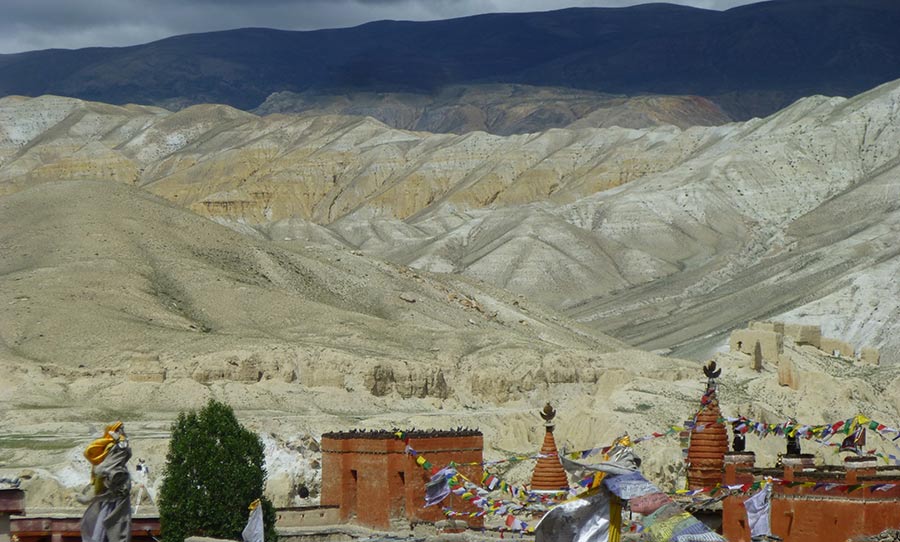
Walk through dramatic red cliffs, canyons, and wind-shaped valleys unlike any other trekking route in Nepal.
Ancient Sky Caves
Discover mysterious cave systems carved into cliffs centuries ago.
Traditional Mustang Villages
Visit authentic Himalayan villages like Kagbeni, Ghami, Tsarang, and Samar.
Lo-La Pass (3,950m)
Enjoy panoramic views of Nilgiri, Annapurna, and Dhaulagiri mountains.
Tiji Festival
If you visit during spring, you may witness the famous Tiji Festival in Lo Manthang with colorful masked dances and Buddhist rituals.
Accommodation and Food in Upper Mustang
Accommodation during the trek is simple but comfortable.
Accommodation
- Local teahouses and lodges
- Twin-sharing rooms
- Shared bathrooms
- Warm dining areas
Food Available
- Dal Bhat (traditional Nepali meal)
- Tibetan bread
- Fried rice and noodles
- Soups and potatoes
- Tea and coffee
- Seasonal vegetables
Despite the remote location, most teahouses provide good hospitality and freshly prepared meals.
Upper Mustang Trek Cost with Independent Guide
The total cost depends on itinerary length, group size, transportation, and services.
Estimated Cost Breakdown
| Service | Approximate Cost |
|---|---|
| Independent Guide | USD 25–40 per day |
| Porter | USD 20–30 per day |
| Restricted Permit | USD 500+ |
| Food & Accommodation | USD 35–70 per day |
| Transportation | Depends on flights or jeep option |
Total Estimated Budget
USD 1,300 – 2,100 per person
Traveling with a local independent guide can often reduce costs while providing a more authentic experience.
Safety Tips for Upper Mustang Trek
- Trek with a licensed guide
- Drink plenty of water
- Walk slowly at high altitude
- Carry warm clothing for cold nights
- Protect yourself from sun and wind
- Respect local culture and monasteries
- Carry personal medications and a first aid kit
Packing List for Upper Mustang Trek
Essential Items
- Warm down jacket
- Trekking boots
- Thermal clothing
- Sunglasses and sunscreen
- Water bottle
- Sleeping bag
- Trekking poles
- Gloves and hat
- Personal medicines
The weather can change quickly in the Himalayas, so proper layering is important.
Culture and Lifestyle in Upper Mustang
Upper Mustang preserves one of the oldest Tibetan Buddhist cultures in the Himalayas. Local people, known as Loba communities, continue to follow traditional lifestyles based on farming, trade, and animal herding.
During the trek, you will see:
- Prayer flags
- Mani walls
- Ancient monasteries
- Chortens and stupas
- Traditional mud-brick houses
- Buddhist rituals and ceremonies
Respecting local customs and religious sites is an important part of the trekking experience.
Why Choose Upper Mustang Trek with Independent Guide?
The Upper Mustang Trek with an independent guide in Nepal offers a perfect combination of adventure, culture, history, and Himalayan beauty.
Unlike crowded trekking routes, Upper Mustang provides a peaceful and authentic travel experience through one of Nepal’s most remote and culturally preserved regions.
Choosing an independent guide allows you to enjoy:
- Flexible itineraries
- Personalized service
- Local cultural insight
- Better communication
- Affordable trekking options
If you are looking for a unique trekking destination in Nepal with deep Tibetan culture, breathtaking landscapes, and historical significance, the Upper Mustang Trek is truly one of the best adventures in the Himalayas.