

Best Freelance Guide for the Everest Base Camp Trek
16 Jul 2026 Santosh Gauli
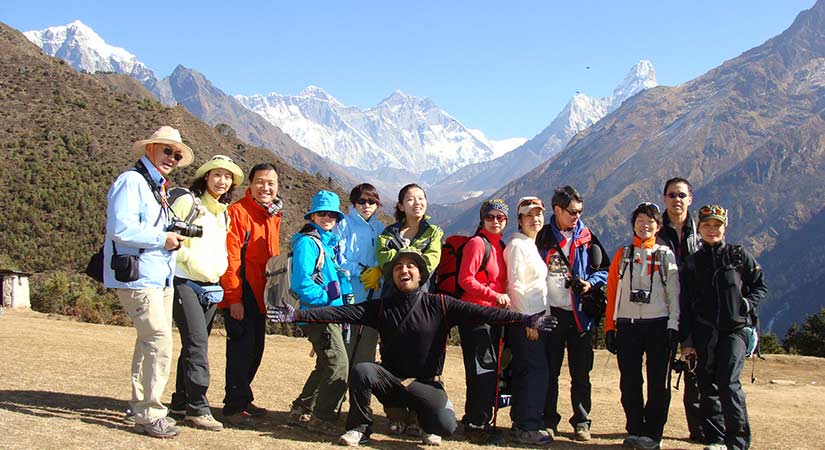
The Everest Base Camp (EBC) Trek is one of the world’s most iconic trekking adventures, attracting thousands of trekkers every year to the heart of the Nepal Himalayas. Walking beneath towering peaks like Mount Everest (8,848.86 m), Lhotse, Ama Dablam, Nuptse, and Thamserku is a dream shared by hikers from around the globe. While the scenery is extraordinary, reaching Everest Base Camp is not simply about walking from one village to another. Success depends on careful planning, proper acclimatization, reliable logistics, and, most importantly, the guidance of an experienced trekking professional.
If you are searching for the Best Freelance Guide for the Everest Base Camp Trek, you are already making an excellent decision. A knowledgeable freelance guide provides far more than trail navigation. They become your trekking partner, local expert, cultural interpreter, safety advisor, and problem solver from the moment you arrive in Nepal until your adventure ends. Whether you are a solo traveler, a couple, a family, or a small private group, hiring the best freelance guide in Nepal gives you a more flexible, personal, and rewarding trekking experience than most standard package tours.
Why Your Choice of Guide Matters

The Everest Base Camp Trek is a high-altitude journey that reaches Everest Base Camp (5,364 m / 17,598 ft) and Kala Patthar (5,545 m / 18,192 ft). As you gain elevation, the air becomes thinner, temperatures become colder, and weather conditions can change rapidly. Even experienced hikers benefit from trekking with someone who understands the region and knows how to make safe decisions.
A professional guide helps you:
- Plan a realistic itinerary with proper acclimatization.
- Monitor your health for signs of altitude-related illness.
- Reserve tea house accommodation throughout the trek.
- Coordinate Lukla flights and transportation.
- Explain Sherpa culture, history, and local traditions.
- Adjust your pace to match your fitness level.
- Respond quickly if weather or trail conditions change.
- Organize porter services and manage daily logistics.
Instead of worrying about the practical details, you can concentrate on enjoying the spectacular mountain scenery and the unforgettable experience of walking through the Khumbu region.
Why Choose a Freelance Guide Instead of a Large Trekking Company?
Many visitors automatically book an Everest Base Camp package through a large international company. While group tours work well for some travelers, they often follow fixed schedules, larger group sizes, and less flexible itineraries. An independent guide to Everest Base Camp offers a different experience—one centered around your needs rather than a standard itinerary.
With a freelance guide, you benefit from direct communication before your arrival, allowing you to discuss your fitness level, travel dates, interests, and expectations. Your itinerary can be adjusted when needed, whether that means taking an extra acclimatization day, spending more time in Namche Bazaar, or walking at a pace that feels comfortable.
Because you communicate directly with your guide instead of through multiple office staff, planning is often simpler and more transparent. Questions are answered quickly, and arrangements can be customized without unnecessary delays.
What Makes the Best Freelance Guide in Nepal?
Not every trekking guide has the same level of experience. The best freelance guide in Nepal combines technical knowledge, mountain experience, excellent communication skills, and genuine hospitality.
A professional guide should have:
- A valid Nepal Government trekking guide license.
- Registration with the relevant tourism authorities.
- Extensive experience leading treks in the Everest region.
- First aid and mountain safety training.
- Strong knowledge of altitude acclimatization.
- Excellent communication in English and other languages when possible.
- Honest advice and transparent pricing.
- Respect for local culture and the natural environment.
Experience is especially valuable in the Everest region because mountain conditions can change quickly. An experienced guide understands alternative routes, weather patterns, tea house availability, and the best daily walking pace for different types of trekkers.
Government Authorised and Licensed Holder Guide in Nepal

Hiring a government authorised and licensed holder guide in Nepal gives you confidence that your guide has completed professional training and meets national standards for trekking leadership.
Licensed trekking guides are trained in:
- Mountain safety.
- Emergency response.
- First aid.
- Trek planning.
- Responsible tourism practices.
- Local geography and history.
- Cultural interpretation.
A licensed guide also understands the latest trekking regulations, permit requirements, and conservation rules for the Everest region. Their experience helps reduce unnecessary risks while making your journey smoother and more enjoyable.
More Than a Guide—A Trusted Trekking Partner
The best guides do much more than show the direction of the trail. They become part of your journey.
From the moment you land in Kathmandu, your freelance guide can assist with airport pickup, equipment checks, final trekking preparations, and answers to any last-minute questions. Before flying to Lukla, they help confirm flight schedules, explain baggage limits, and ensure all permits are ready.
During the trek, they walk beside you, checking your pace, encouraging regular hydration, and watching for early symptoms of high altitude sickness. At the end of each day, they arrange Tea house accommodation, help you order meals, discuss the next day’s route, and answer questions about the mountains, villages, and Sherpa culture.
Many trekkers say that the conversations they have with their guide become one of the most memorable parts of their Himalayan adventure.
Lukla Flight Reservations Made Easy
One of the biggest concerns for Everest trekkers is securing flights to and from Lukla. Flights are weather-dependent and can be delayed or rescheduled, particularly during the busy spring and autumn trekking seasons.
An experienced freelance guide helps by arranging Lukla flight reservations well in advance, confirming schedules, monitoring weather conditions, and assisting with alternative plans if flights are delayed. During peak periods, when flights may operate from Ramechhap instead of Kathmandu, your guide can also organize the required ground transportation, making the journey as smooth as possible.
Having someone local to manage these logistics allows you to focus on preparing for the trek instead of worrying about transportation changes.
Personalized Service from Start to Finish
Every trekker has different goals. Some want to reach Everest Base Camp at a relaxed pace, while others hope to include Kala Patthar, Gokyo Lakes, or Cho La Pass. Some are experienced hikers, while others are attempting their first high-altitude trek.
An independent guide can tailor the experience to suit your needs. Whether you require additional acclimatization days, dietary assistance, photography stops, or advice on equipment, your guide adapts the journey rather than asking you to fit into a fixed schedule.
This level of personal attention is one of the main reasons many experienced travelers prefer hiring the Best Freelance Guide for the Everest Base Camp Trek instead of joining a large commercial group.
In the next section, we’ll follow the journey day by day, covering the complete Everest Base Camp itinerary with daily distances in kilometers and miles, elevation changes, trekking hours, accommodation, and the support your guide provides throughout each stage of the adventure.
Everest Base Camp Trek Itinerary with Daily Distance and Guide Support
One of the greatest advantages of hiring the Best Freelance Guide for the Everest Base Camp Trek is having an experienced professional who manages every stage of your journey. From arranging tea house accommodation and monitoring your health to explaining local culture and coordinating daily logistics, your guide allows you to enjoy the adventure without unnecessary stress.
Below is a typical 12-day Everest Base Camp Trek itinerary from Lukla with approximate daily distances, walking hours, and the support you can expect from your independent guide to Everest Base Camp.
Day 1: Fly to Lukla (2,860 m / 9,383 ft) and Trek to Phakding (2,610 m / 8,563 ft)
- Distance: 8 km (5 miles)
- Walking Time: 3–4 hours
Your adventure begins with one of the world’s most scenic mountain flights to Lukla. After meeting your porter and completing final preparations, your guide leads you along a gentle trail through Chheplung and Ghat before reaching the peaceful village of Phakding.
The first day is intentionally easy, allowing your body to adjust to the higher elevation.
Guide Support
- Confirm Lukla flight and baggage.
- Introduce porter and trekking team.
- Check permits at the national park checkpoint.
- Reserve the best available tea house in Phakding.
- Explain the following day’s challenging climb to Namche Bazaar.
Day 2: Phakding to Namche Bazaar (3,440 m / 11,286 ft)
- Distance: 10–11 km (6.2–6.8 miles)
- Walking Time: 6–7 hours
Today’s trek is one of the most memorable and physically demanding sections of the Everest Base Camp route. The trail follows the Dudh Koshi River, crossing several suspension bridges before the famous Hillary Suspension Bridge. From there, the path climbs steadily through pine forests toward Namche Bazaar, the gateway to the Everest region.
If the weather is clear, this is often where trekkers enjoy their first distant view of Mount Everest.
Guide Support
- Maintain a comfortable walking pace.
- Encourage hydration and regular breaks.
- Monitor for early symptoms of altitude sickness.
- Assist with park entry procedures.
- Reserve accommodation in Namche Bazaar before evening.
Day 3: Acclimatization Day in Namche Bazaar
- Distance: 5–6 km (3.1–3.7 miles)
- Walking Time: 3–4 hours
Acclimatization is essential for a safe Everest Base Camp Trek. Rather than resting all day, your guide leads a gradual hike to Hotel Everest View or nearby viewpoints, allowing your body to adapt while enjoying magnificent views of Everest, Ama Dablam, Lhotse, and Thamserku.
After returning to Namche, you have time to explore local cafés, bakeries, museums, and Sherpa markets.
Guide Support
- Lead the acclimatization hike.
- Explain altitude adaptation techniques.
- Monitor your oxygen levels and overall health.
- Recommend proper nutrition and hydration.
- Review the next stage of the trek.
Day 4: Namche Bazaar to Tengboche (3,860 m / 12,664 ft)
- Distance: 10 km (6.2 miles)
- Walking Time: 5–6 hours
Leaving Namche behind, the trail contours along the mountainside with spectacular views before descending to the Dudh Koshi River. After crossing the river, a steady uphill climb leads to Tengboche, home to the region’s most famous monastery.
Surrounded by towering Himalayan peaks, Tengboche offers one of the finest panoramic viewpoints on the trek.
Guide Support
- Select the safest walking pace.
- Explain local Buddhist traditions.
- Arrange accommodation with mountain views whenever possible.
- Provide weather updates for higher elevations.
Day 5: Tengboche to Dingboche (4,410 m / 14,468 ft)
- Distance: 11 km (6.8 miles)
- Walking Time: 5–6 hours
The trail descends through rhododendron forests before crossing the Imja Khola and gradually climbing into a more open alpine landscape. Trees become scarce, replaced by stone walls, grazing yaks, and dramatic mountain scenery.
Dingboche is an ideal village for acclimatization because of its elevation and surrounding viewpoints.
Guide Support
- Monitor altitude adaptation carefully.
- Encourage slow and steady walking.
- Arrange comfortable tea house accommodation.
- Recommend nutritious meals suitable for high altitude.
Day 6: Acclimatization Hike at Dingboche
- Distance: 6 km (3.7 miles)
- Walking Time: 3–4 hours
Another acclimatization day helps prepare you for elevations above 5,000 meters. Most trekkers hike toward Nangkartshang Peak, where breathtaking views stretch across Makalu, Ama Dablam, Island Peak, and the surrounding Himalayan range.
The climb is challenging but plays an important role in reducing the risk of altitude sickness.
Guide Support
- Lead the acclimatization hike.
- Assess your physical condition.
- Adjust the itinerary if necessary.
- Discuss symptoms of Acute Mountain Sickness (AMS).
Day 7: Dingboche to Lobuche (4,910 m / 16,109 ft)
- Distance: 8 km (5 miles)
- Walking Time: 5 hours
Today’s trail climbs gradually through alpine terrain before reaching the memorial site at Thukla Pass, where monuments honor climbers who lost their lives on Everest.
From here, the route continues across glacial landscapes toward Lobuche, surrounded by spectacular Himalayan scenery.
Guide Support
- Maintain a slow, safe pace.
- Check your health frequently.
- Arrange tea house accommodation before rooms become limited.
- Brief you about the next day’s journey to Everest Base Camp.
Day 8: Lobuche to Gorak Shep (5,164 m / 16,942 ft) and Everest Base Camp (5,364 m / 17,598 ft)
- Distance: 15 km (9.3 miles)
- Walking Time: 7–8 hours
This is the day many trekkers have dreamed about. After trekking to Gorak Shep and leaving your main luggage at the lodge, you continue across rocky glacial terrain to Everest Base Camp.
Standing beneath the Khumbu Icefall is a truly unforgettable experience and the highlight of the trek for many visitors.
After spending time at Base Camp, you return to Gorak Shep for the night.
Guide Support
- Set a slow pace at high altitude.
- Monitor for symptoms of AMS.
- Assist with photographs at Everest Base Camp.
- Ensure everyone returns safely to Gorak Shep before nightfall.
Day 9: Kala Patthar (5,545 m / 18,192 ft) and Trek to Pheriche (4,240 m / 13,911 ft)
- Distance: 13 km (8.1 miles)
- Walking Time: 7 hours
Before sunrise, your guide leads the climb to Kala Patthar, the best viewpoint for close-up views of Mount Everest. As the first light illuminates the surrounding peaks, you’ll enjoy one of the most iconic mountain panoramas in Nepal.
After descending to Gorak Shep for breakfast, the trek continues downhill to Pheriche, where the increased oxygen level often makes walking more comfortable.
Guide Support
- Wake the group early for sunrise.
- Choose the safest route in low-light conditions.
- Monitor energy levels during the long descent.
- Reserve accommodation in Pheriche.
Day 10: Pheriche to Namche Bazaar
- Distance: 19–20 km (11.8–12.4 miles)
- Walking Time: 7–8 hours
Today’s route retraces the trail through Pangboche and Tengboche before descending to the Dudh Koshi River and climbing back to Namche Bazaar. Although it is a long day, the lower altitude makes trekking easier for most people.
Guide Support
- Adjust walking pace to reduce fatigue.
- Coordinate meal stops.
- Confirm accommodation in Namche.
- Review plans for the return to Lukla.
Day 11: Namche Bazaar to Lukla
- Distance: 18 km (11.2 miles)
- Walking Time: 7–8 hours
The final trekking day follows familiar trails through forests, villages, and suspension bridges before arriving back in Lukla. Although the walk is demanding, reaching Lukla brings a tremendous sense of achievement after completing one of the world’s greatest trekking adventures.
In the evening, many trekkers celebrate with their guide, porter, and fellow travelers, reflecting on the unforgettable journey through the Himalayas.
Guide Support
- Manage final accommodation.
- Reconfirm the next morning’s flight.
- Organize porter payments and gratuities if requested.
- Ensure all trekking permits are properly completed.
Day 12: Fly from Lukla to Kathmandu
Weather permitting, your guide helps you board your return flight and ensures your journey back to Kathmandu is smooth. If flights are delayed because of mountain weather, an experienced freelance guide assists with rescheduling, alternative transportation, or helicopter arrangements when appropriate.
This final day marks the end of your Everest Base Camp adventure, but the memories of the Khumbu region, the hospitality of the Sherpa people, and the support of a trusted guide will stay with you for years to come.
In the next section, we’ll cover high altitude sickness in the EBC trek, Lukla flight delays, tea houses, food, Wi-Fi, trekking permits, packing tips, costs, and the reasons why hiring the Best Freelance Guide for the Everest Base Camp Trek provides exceptional value and peace of mind.
High Altitude Sickness in the Everest Base Camp Trek
One of the most important responsibilities of the Best Freelance Guide for the Everest Base Camp Trek is protecting trekkers from the effects of high altitude. As you climb above 3,000 meters (9,842 ft), the amount of oxygen in the air decreases. Even healthy and physically fit trekkers can experience Acute Mountain Sickness (AMS) if they ascend too quickly.
Common Symptoms of High Altitude Sickness
- Persistent headache
- Loss of appetite
- Nausea or vomiting
- Difficulty sleeping
- Unusual tiredness
- Dizziness
- Shortness of breath while resting
A professional licensed holder guide in Nepal continuously monitors your condition throughout the trek. They understand that prevention is always better than treatment.
How Your Freelance Guide Helps Prevent AMS
Your guide will:
- Maintain a slow and steady walking pace.
- Schedule proper acclimatization days.
- Encourage you to drink plenty of water.
- Recommend nutritious meals.
- Check your physical condition every day.
- Advise against climbing too fast.
- Make immediate decisions if symptoms become serious.
Experienced guides know when a trekker needs additional rest and when it is safest to descend. This knowledge is one of the biggest advantages of hiring an experienced independent guide to Everest Base Camp.
Lukla Flight Reservations and Weather Delays
Flying to Lukla is one of the most exciting parts of the Everest adventure, but mountain weather can sometimes delay or cancel flights.
The best freelance guide in Nepal helps reduce travel stress by:
- Booking Lukla flights well in advance.
- Monitoring weather forecasts.
- Confirming flight schedules daily.
- Assisting with rebooking if flights are delayed.
- Organizing helicopter options when available and requested.
- Coordinating transportation between Kathmandu and Ramechhap during peak seasons.
Because your guide communicates directly with local airlines and travel partners, you receive accurate updates and practical solutions if travel plans change.
Tea House Accommodation Throughout the Trek
Tea houses are family-run mountain lodges that provide simple but comfortable accommodation along the Everest trail.
Typical facilities include:
- Twin-sharing rooms.
- Comfortable mattresses and blankets.
- Shared bathrooms.
- Warm dining halls.
- Charging facilities (extra charge).
- Wi-Fi in many villages (additional fee).
- Hot showers at lower elevations (additional fee).
During the busy spring and autumn trekking seasons, rooms can fill quickly. Your freelance guide contacts tea houses ahead of your arrival whenever possible, helping secure accommodation before other groups arrive.
Food During the Everest Base Camp Trek
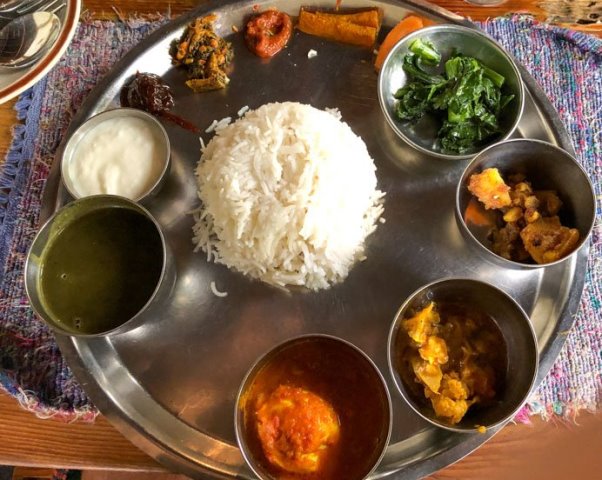
Maintaining your energy is essential during the trek. Tea houses offer surprisingly varied menus featuring both Nepali and international dishes.
Popular meals include:
- Dal Bhat (rice, lentils, vegetables, and curry)
- Fried rice
- Vegetable noodles
- Garlic soup
- Sherpa stew
- Tibetan bread
- Pancakes
- Omelets
- Pasta
- Pizza (available in larger villages)
Your guide can recommend freshly prepared meals and advise which foods are best suited to high-altitude trekking.
Internet, Wi-Fi, and Mobile Network
Although you are trekking through remote Himalayan valleys, communication is available in many villages.
Depending on the location, trekkers may find:
- Paid Wi-Fi services.
- Mobile network coverage in larger villages.
- Charging stations for phones and cameras.
- Satellite communication in some remote areas.
Your guide can advise where internet connections are most reliable and help you stay connected with family and friends.
Permits Required for the Everest Base Camp Trek
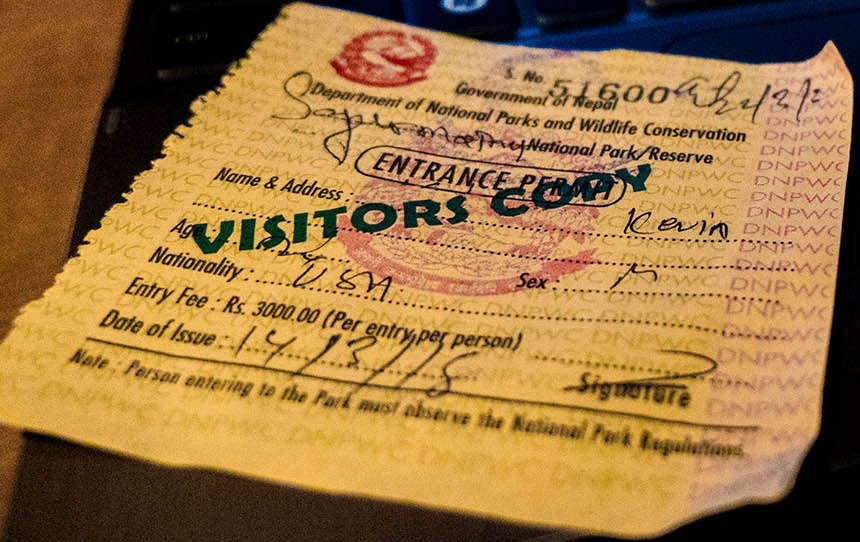
Every trekker must obtain the necessary permits before entering the Everest region.
These generally include:
- Khumbu Pasang Lhamu Rural Municipality Entrance Permit
- Sagarmatha National Park Entry Permit
Your government authorised trekking guide arranges or assists with these permits, ensuring all documentation is completed correctly before the trek begins.
Best Time to Trek to Everest Base Camp
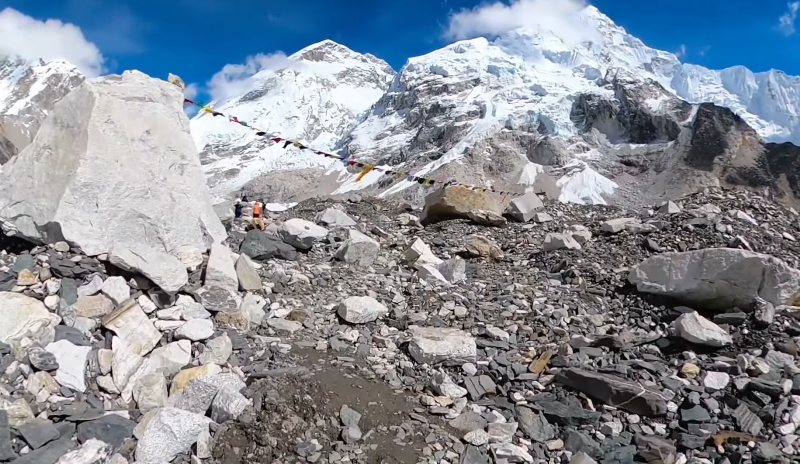
The Everest Base Camp Trek can be completed throughout much of the year, but the two main trekking seasons offer the best conditions.
Spring (March to May)
Spring is one of the most popular seasons because of stable weather, blooming rhododendron forests, and excellent mountain visibility.
Average daytime temperatures:
- Lukla: 10°C to 18°C
- Namche Bazaar: 5°C to 15°C
- Everest Base Camp: -8°C to 8°C
Autumn (September to November)
Autumn offers crisp mountain air, clear skies, and outstanding photography opportunities. This season is also ideal for first-time trekkers because weather conditions are generally stable.
Winter trekking is possible for experienced hikers prepared for cold temperatures, while the summer monsoon season brings more rain, cloud cover, and occasional flight disruptions.
Essential Packing List
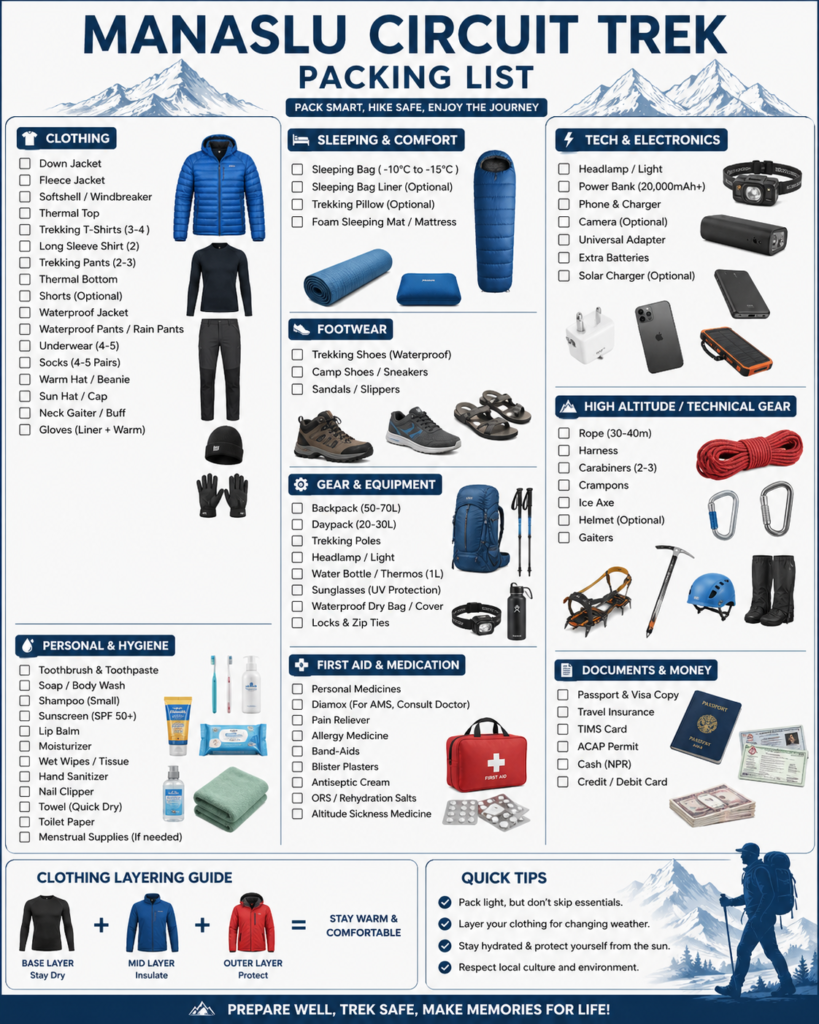
A well-prepared backpack makes the journey much more comfortable.
Recommended equipment includes:
- Waterproof trekking boots
- Down jacket
- Warm fleece layers
- Thermal clothing
- Rain jacket
- Trekking poles
- Gloves
- Warm hat
- Sunglasses
- Sunscreen
- Water bottles or hydration system
- Headlamp
- Personal medications
- Power bank
- Sleeping bag rated for cold temperatures
Your guide will happily review your equipment before departure and recommend any last-minute purchases or rentals in Kathmandu.
Why Choose a Freelance Guide Instead of a Trekking Agency?
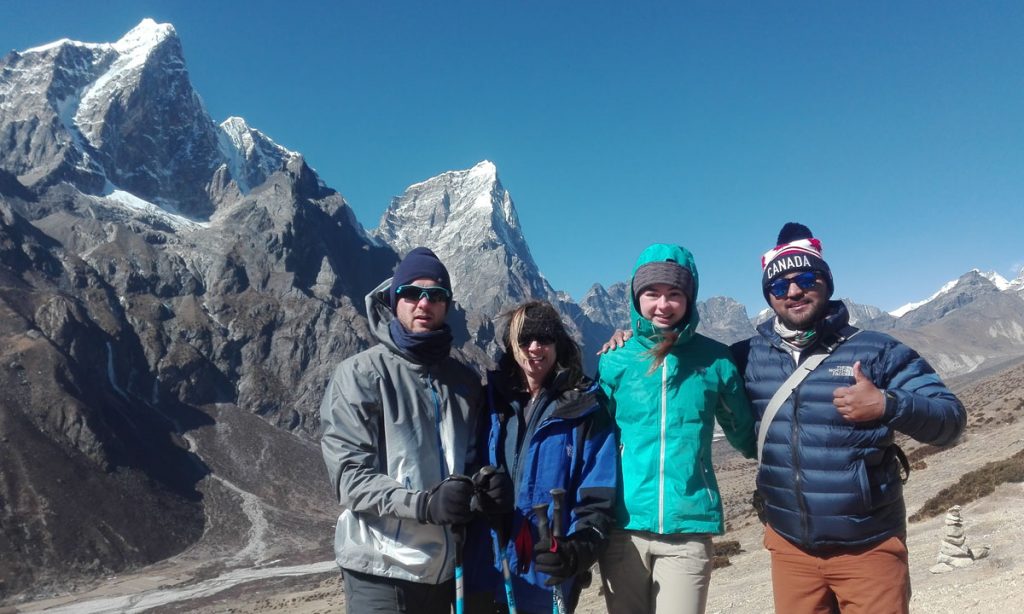
Many trekkers discover that hiring a freelance guide offers a more rewarding experience than joining a large commercial group.
Personalized Service
You communicate directly with your guide from the beginning, allowing your itinerary to be tailored to your interests, pace, and schedule.
Better Value
Without multiple layers of administration, freelance guides often provide excellent service at a more competitive cost.
Flexible Itinerary
Need an extra acclimatization day? Want to spend more time in Namche Bazaar? Prefer shorter walking days? A freelance guide can usually adapt the itinerary to suit your needs.
Authentic Local Experience
Independent guides often have deep connections with local communities, allowing you to experience genuine Sherpa hospitality and learn more about Himalayan culture.
Continuous Support
From your arrival in Kathmandu until your departure from Nepal, your guide remains your primary point of contact, providing reassurance and practical assistance every step of the way.
Frequently Asked Questions
Is hiring a guide mandatory for the Everest Base Camp Trek?
Current trekking regulations can change, so always check the latest requirements before your trip. Regardless of regulations, hiring a professional guide is strongly recommended for safety, logistics, and local knowledge.
How difficult is the Everest Base Camp Trek?
The trek is considered moderately challenging. Good physical fitness, proper preparation, and gradual acclimatization make it achievable for many first-time trekkers.
How many days does the trek take?
Most itineraries range from 12 to 14 days, although customized options are available.
Can beginners complete the trek?
Yes. With adequate preparation, realistic expectations, and guidance from an experienced trekking professional, many beginners successfully reach Everest Base Camp.
Do I need travel insurance?
Yes. Comprehensive travel insurance that covers high-altitude trekking and emergency helicopter evacuation is highly recommended.
Will my guide reserve accommodation every day?
Yes. One of the key responsibilities of your guide is arranging tea house accommodation throughout the trek, especially during busy trekking seasons.
Why Trek with an Experienced Independent Guide?
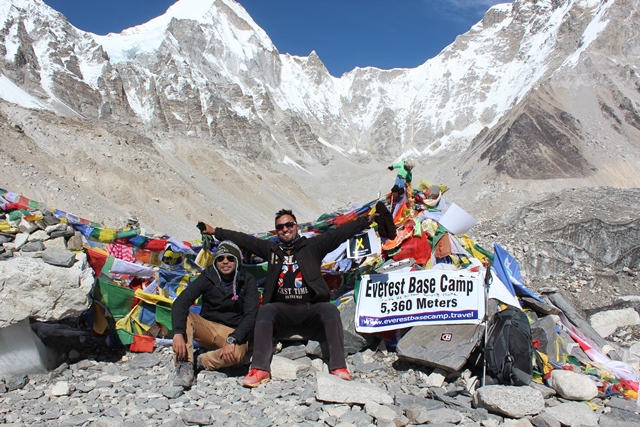
Choosing the Best Freelance Guide for the Everest Base Camp Trek is about far more than reaching your destination. It is about enjoying every step of the journey with confidence, knowing that an experienced local professional is looking after your safety, comfort, and overall experience.
A knowledgeable guide understands the challenges of high altitude, the rhythm of the mountains, and the traditions of the Sherpa people. They organize permits, coordinate Lukla flight reservations, reserve tea houses, monitor your health, and adapt the itinerary when conditions require flexibility. Their experience allows you to focus on the spectacular landscapes, the friendly mountain communities, and the unforgettable sense of achievement that comes from standing beneath the world’s highest peak.
Whether you are trekking alone, traveling as a couple, or joining friends and family, hiring the best freelance guide in Nepal gives you the freedom to enjoy a personalized adventure without sacrificing safety or professional support.
Conclusion
The Everest Base Camp Trek is more than a walk through the Himalayas—it is a journey that challenges your body, inspires your spirit, and introduces you to one of the most remarkable mountain cultures on Earth. Choosing the Best Freelance Guide for the Everest Base Camp Trek ensures that every part of the experience is carefully planned and professionally managed, from your arrival in Nepal to your return home.
A trusted independent guide to Everest Base Camp offers local expertise, flexible itineraries, personalized attention, and dependable support every day of the trek. As a government authorised and licensed holder guide in Nepal, they help manage altitude safely, arrange permits, reserve tea house accommodation, organize Lukla flight reservations, and provide practical solutions whenever unexpected challenges arise.
If your dream is to experience the Everest region with confidence, comfort, and authentic local guidance, hiring an experienced freelance guide is one of the best investments you can make. With expert planning, personalized service, and a genuine passion for the Himalayas, your journey to Everest Base Camp will become more than a trekking holiday—it will become a lifelong memory filled with breathtaking mountain views, meaningful cultural encounters, and the satisfaction of achieving one of the world’s greatest trekking adventures.