

Nar Phu Valley Trek Detailed Guide 2026/2027 – Everything You Need to Know
7 Sep 2026 Santosh Gauli
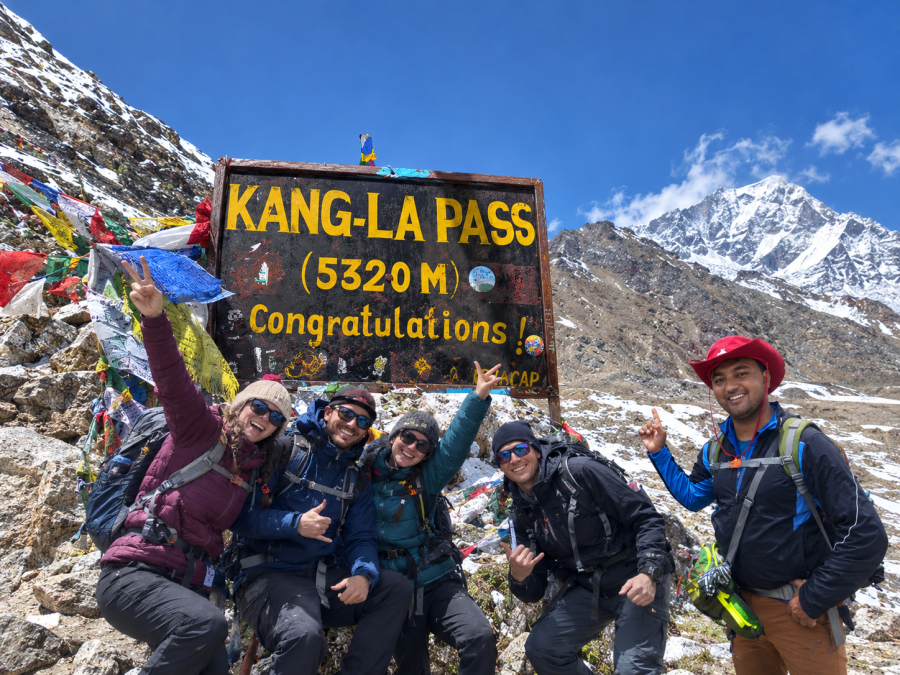
Nar Phu Valley Trek introduction:
The Nar Phu Valley Trek is one of Nepal’s most fascinating and remote Himalayan adventures, combining dramatic mountain scenery, ancient Tibetan Buddhist culture, traditional villages, and a challenging high-altitude pass. This trek takes you away from the busy trails of the Annapurna region and deep into the isolated valleys of Nar and Phu, where traditional lifestyles have remained largely unchanged for generations.
The journey begins with a scenic drive from Kathmandu through green hills, terraced farmland, rivers, and traditional villages toward the Marsyangdi Valley. From Chamje (1,310 m), the trail follows the roaring Marsyangdi River through forests, waterfalls, and mountain villages before reaching Tal (1,700 m), Dharapani (1,920 m), and Koto (2,600 m). At Koto, the trail enters the restricted Nar Phu Valley, where the landscape gradually changes from green forests to rugged alpine terrain.
Magnificent Himalayan peaks, including Annapurna II (7,937 m) and Lamjung Himal (6,983 m), begin to dominate the skyline as the trail climbs higher.
Nar Phu Valley Trek Highlights
- Explore the remote and culturally rich Nar and Phu valleys
- Experience traditional Tibetan-style villages and stone houses
- Cross the spectacular Kang La Pass
- Enjoy views of Annapurna II, Annapurna III, Gangapurna, Himlung Himal, Tilicho Peak and other Himalayan peaks
- Visit ancient Buddhist monasteries, chortens, mani walls and prayer wheels
- Walk through narrow mountain canyons, forests, waterfalls and alpine pastures
- Experience traditional farming and the lifestyle of mountain communities
- See yaks, Himalayan wildlife and dramatic high-altitude landscapes
- Combine the remote Nar Phu route with the famous Annapurna Circuit
Trek from Koto to Meta
From Koto, the trail enters the restricted Nar Phu Valley and follows the wild Nar Khola River through a spectacular mountain landscape. The route crosses suspension bridges and passes through narrow canyons carved into the cliffs by centuries of glacial activity.
Waterfalls cascade down the rocky mountainsides, adding to the dramatic scenery. As the trail gains altitude, the dense vegetation gradually becomes thinner and the surrounding landscape becomes increasingly rugged.
After passing through Dharmasala, the trail reaches Meta (3,570 m), a small Tibetan-style settlement surrounded by open pastures and grazing yaks. From Meta, trekkers can enjoy impressive views of Annapurna II (7,937 m) and Lamjung Himal (6,983 m).
The peaceful surroundings and remote location make Meta one of the memorable overnight stops on the Nar Phu Valley Trek.
Meta to Phu Village
Beyond Meta, the trail continues through the isolated settlements of Chyakhu and Kyang, following a rugged route through high mountain terrain. Local farmers cultivate barley, potatoes, and buckwheat in small fields despite the harsh Himalayan climate.
Along the trail, traditional Buddhist culture is visible through ancient chortens, mani walls, prayer flags, and small monasteries. The combination of dramatic mountain scenery and centuries-old traditions gives the Nar Phu Valley a unique character.
Eventually, the trail reaches the remarkable Phu Village (4,050 m). Built on the barren slopes of the valley, Phu is one of the most culturally interesting settlements in the region. Traditional stone houses, narrow paths, ancient structures, and surrounding mountain cliffs create an unforgettable Himalayan atmosphere.
The village provides an opportunity to experience a traditional mountain lifestyle that is very different from the more developed trekking settlements found elsewhere in Nepal.
Exploring Phu Village and Tashi Lhakhang Monastery
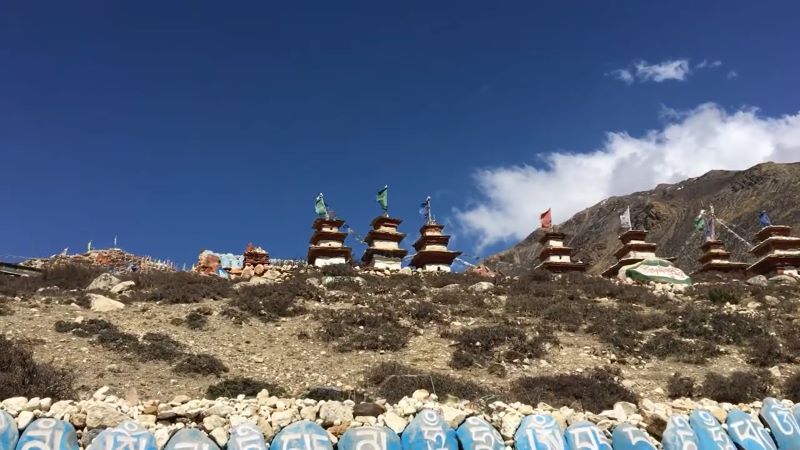
An acclimatization period in Phu allows trekkers to explore the village and its surrounding hills. One of the major cultural attractions is Tashi Lhakhang Monastery, an important Buddhist site in the valley.
The area is filled with prayer wheels, mani stones, chortens, prayer flags, and other signs of the region’s deep Buddhist heritage. The peaceful surroundings provide a wonderful opportunity to learn about the culture and spiritual traditions of the local communities.
The surrounding highlands also offer views toward Himlung Himal (7,126 m), Pisang Peak (6,091 m), and other snow-covered Himalayan peaks.
Phu Village to Nar Phedi
Leaving Phu Village, the trail gradually descends through the remote valley before continuing toward Nar Phedi. This section of the trek provides a different perspective of the landscape, with rugged cliffs, open mountain slopes, and traditional settlements along the route.
Nar Phedi is known for its peaceful Buddhist monastery and simple mountain environment. Spending a night in this remote location gives trekkers an opportunity to experience the quiet side of Himalayan life away from the main trekking routes.
Nar Phedi to Nar Village
From Nar Phedi, the trail climbs steadily toward the beautiful village of Nar (4,110 m). Surrounded by wide alpine meadows and traditional agricultural terraces, Nar is one of the most impressive villages in the Nar Phu Valley.
The village is known for its strong Tibetan Buddhist culture and traditional way of life. Stone houses, ancient chortens, prayer walls, mani stones, and prayer flags can be seen throughout the settlement.
Farmers continue to cultivate barley and potatoes in the high-altitude fields, while yaks graze on the surrounding pastures.
From Nar, trekkers can enjoy spectacular views of surrounding peaks, including Kang Guru, Pisang Peak, and Chulu East.
Crossing Kang La Pass
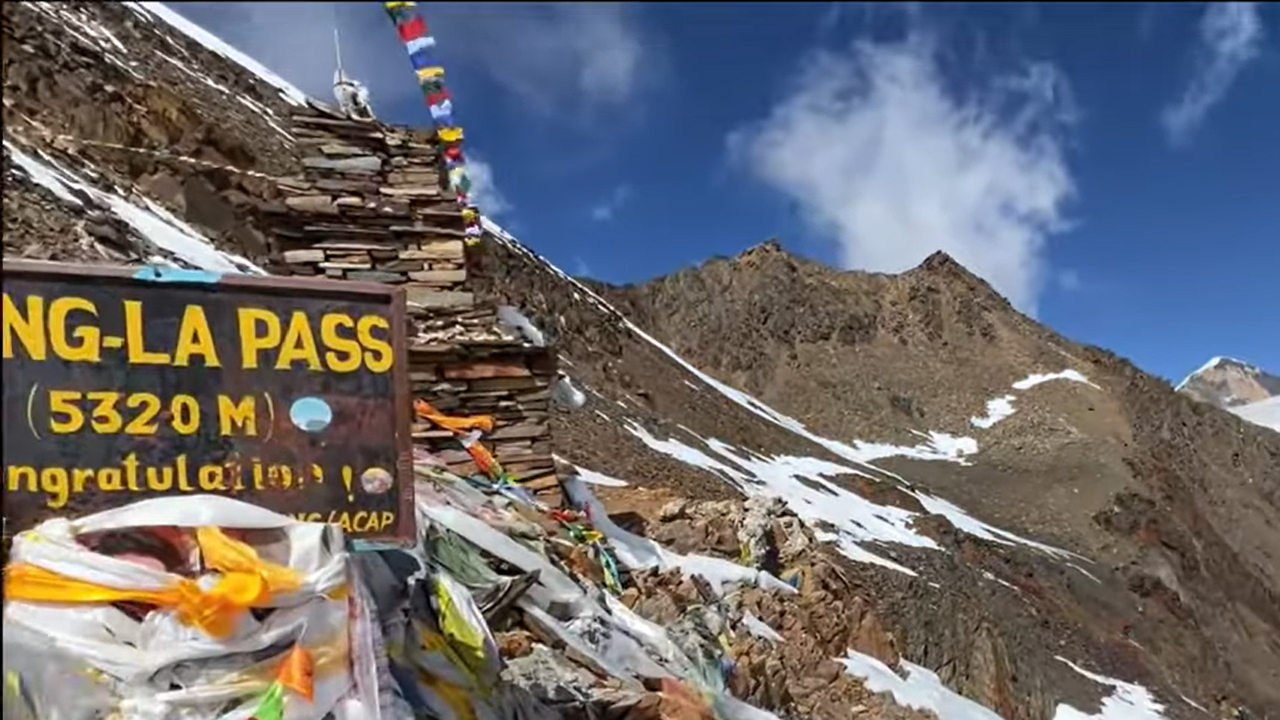
The crossing of Kang La Pass is the major challenge and one of the most exciting highlights of the Nar Phu Valley Trek. Reaching an altitude of approximately 5,320 m, the pass requires good physical fitness and careful acclimatization.
The climb begins early in the morning, and the trail gradually becomes steeper as it approaches the pass. The high-altitude environment, rocky terrain, and changing weather conditions make this one of the most demanding sections of the trek.
From the top of Kang La Pass, trekkers are rewarded with spectacular panoramic views of the surrounding Himalayan range, including Annapurna II, Annapurna III, Gangapurna, Tilicho Peak, and numerous other snow-covered mountains.
After crossing the pass, the trail descends through alpine landscapes toward the Annapurna Circuit side of the region.
Kang La Pass to Ngawal
The descent from Kang La Pass leads through open mountain terrain, yak pastures, and juniper-covered slopes. After the challenging pass crossing, the changing landscape provides a welcome sense of achievement.
The trail eventually reaches Ngawal (3,670 m), a traditional village on the Annapurna Circuit. Ngawal is surrounded by ancient monasteries, Buddhist stupas, traditional stone houses, and impressive Himalayan views.
This section provides a fascinating contrast between the remote Nar Phu Valley and the more established Annapurna trekking route.
Nar Phu Valley Trek and Annapurna Circuit
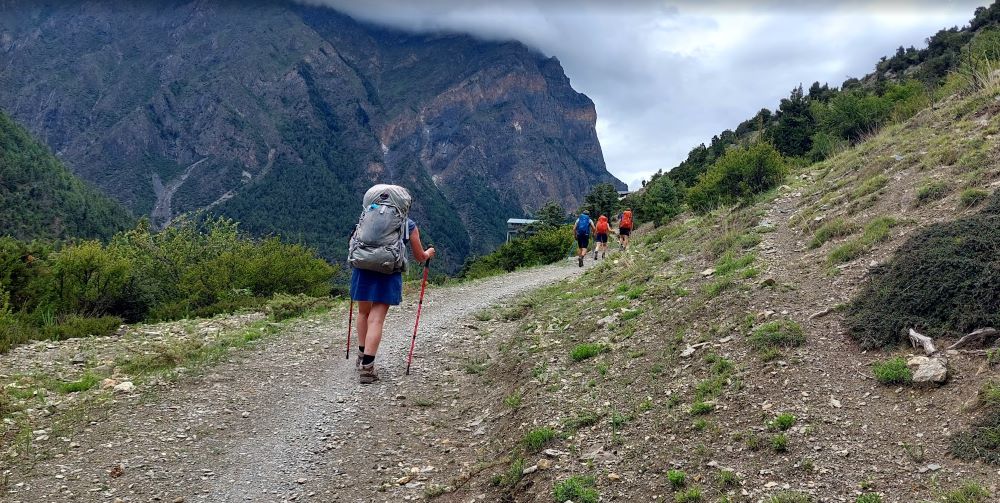
From Ngawal, the trail joins the famous Annapurna Circuit and continues through the Marsyangdi Valley. The route passes through mountain forests, waterfalls, apple orchards, riverside villages, and spectacular Himalayan scenery.
Depending on the chosen itinerary, trekkers can continue through villages such as Chame, Dharapani, and Tal before descending toward the lower Marsyangdi Valley.
As the altitude decreases, the landscape gradually changes from barren alpine terrain to green forests, cultivated terraces, and warmer mountain villages.
The journey eventually reaches Besisahar (760 m), from where transportation can be arranged for the return journey.
Why Choose the Nar Phu Valley Trek?
- Remote Himalayan Valley – Explore a quieter and less-traveled part of the Annapurna region.
- Traditional Villages – Discover the unique villages of
- Nar and Phu and their traditional stone houses.
- Rich Tibetan Culture – Experience ancient Buddhist monasteries, chortens, mani walls, and prayer flags.
- Kang La Pass Adventure – Cross the challenging
- Kang La Pass (5,320 m) with spectacular mountain views.
- Amazing Mountain Views – See peaks such as
- Annapurna II, Himlung Himal, Gangapurna, and Tilicho Peak.
- Dramatic Landscapes – Walk through forests, narrow gorges, alpine meadows, and high mountain terrain.
- Wildlife and Yaks – Spot yaks and experience the natural environment of the high Himalayas.
- Annapurna Circuit Connection – Combine the remote Nar Phu route with the classic Annapurna Circuit.
- Authentic Himalayan Experience – Enjoy local hospitality and a traditional way of life away from busy trekking trails.
How Difficult Is the Nar Phu Valley Trek?
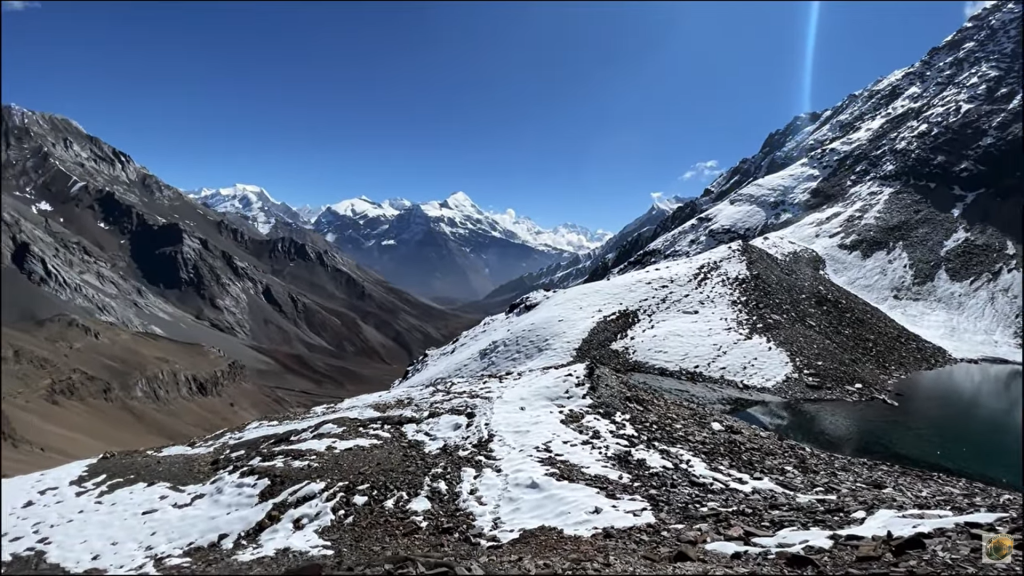
The Nar Phu Valley Trek is considered a challenging high-altitude trek because of its remote trails, steep sections, long walking days, and changing terrain. The route becomes more demanding as you climb toward the higher villages of Phu and Nar.
The biggest challenge is crossing Kang La Pass (5,320 m), where trekkers face high altitude, steep climbs, rocky trails, and possible cold or windy conditions. Good acclimatization and a steady walking pace are important for a safe and enjoyable trek.
You do not need to be an expert mountaineer, but good physical fitness and some previous trekking experience are recommended. With proper preparation, an experienced guide, enough acclimatization, and suitable equipment, fit and well-prepared trekkers can complete the Nar Phu Valley Trek successfully.
Best Time for Nar Phu Valley Trek
The best time for the Nar Phu Valley Trek is spring (March to May) and autumn (September to November). These months offer stable weather, clear skies, good mountain visibility, and comfortable trekking conditions.
October and November are especially popular for clear Himalayan views, while April and May bring warmer temperatures and beautiful spring landscapes.
It is best to avoid the monsoon season (June to August) because of rain and clouds, and the winter months (December to February) can bring heavy snow and very cold conditions at higher elevations.
Accommodation and Food
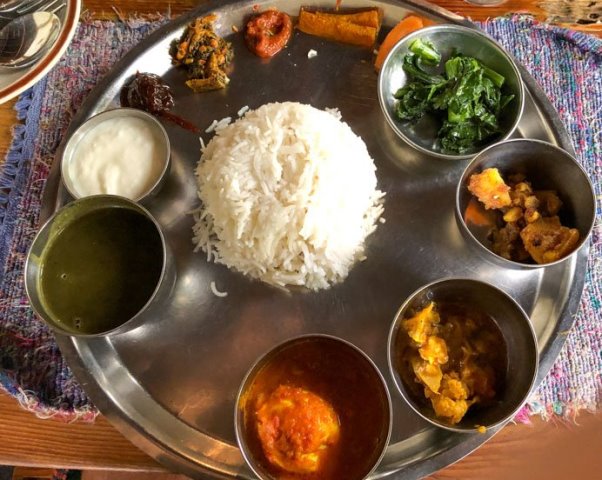
Accommodation during the Nar Phu Valley Trek is generally provided in local teahouses, lodges, and simple guesthouses. In the more remote sections of Nar and Phu, facilities are basic compared with the major trekking routes.
Meals generally include traditional Nepali, Tibetan, and common trekking dishes such as dal bhat, noodles, pasta, rice, potatoes, soups, vegetables, eggs, bread, and Tibetan-style foods.
Because the region is remote, trekkers should expect simpler facilities and limited food choices in some villages.
Nar Phu Valley Trek Packing List
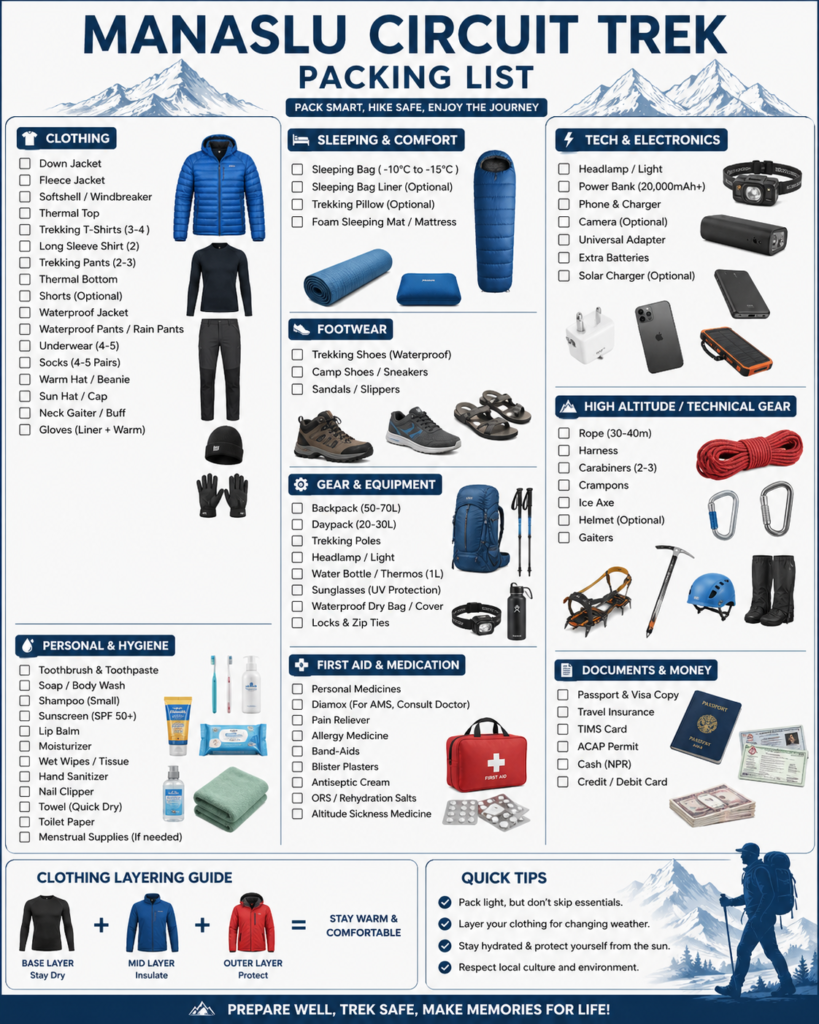
Clothing
- Thermal innerwear
- Trekking T-shirts
- Fleece jacket
- Down jacket
- Waterproof jacket
- Trekking trousers
- Warm hat
- Sun hat
- Gloves
- Trekking socks
Footwear
- Comfortable trekking boots
- Lightweight shoes or sandals
- Gaiters
Trekking Equipment
- Backpack
- Sleeping bag
- Trekking poles
- Headlamp
- Water bottles or hydration system
- Sunglasses
- Backpack rain cover
Personal Items
- Sunscreen
- Lip balm
- Personal toiletries
- Quick-dry towel
- Personal medicines
- Basic first-aid kit
- Power bank
- Camera
Important Documents
- Passport
- Trekking permits
- Travel insurance documents
- Emergency contact details
For Kang La Pass
- Extra warm layers
- Waterproof gloves
- Warm socks
- Good-quality trekking boots
- Sunglasses
- Sunscreen
- Trekking poles
Is Nar Phu Valley Trek Suitable for You?
The Nar Phu Valley Trek is best suited to travelers who enjoy remote mountain environments, cultural experiences, challenging trails, and high-altitude trekking.
It is particularly suitable for experienced trekkers, adventure travelers, photographers, nature lovers, and anyone interested in exploring traditional Himalayan communities away from the main tourist routes.
If you are a first-time trekker, you should consider your fitness level and previous experience before choosing this route. A properly planned itinerary with sufficient acclimatization is essential.
Book Your Nar Phu Valley Trek with a Local Trekking Agency
Planning the Nar Phu Valley Trek with an experienced local trekking agency makes the journey easier and more organized. A professional trekking company can arrange the required permits, transportation, an experienced trekking guide, accommodation, meals, porter service, and other essential logistics.
Safe Holiday Adventure can organize the Nar Phu Valley Trek according to your available time, fitness level, preferred accommodation, and budget. Our experienced local trekking team provides practical support throughout the journey while allowing you to enjoy the landscapes, culture, and local communities along the route.
Whether you are traveling alone, as a couple, with friends, or as a private group, we can help arrange a safe and well-managed Nar Phu Valley trekking experience in Nepal.
Nar Phu Valley Trek FAQs
How difficult is the Nar Phu Valley Trek?
The Nar Phu Valley Trek is a challenging high-altitude trek. The remote trail, long walking days, altitude, and Kang La Pass crossing require good physical fitness and proper acclimatization.
How high is Kang La Pass?
Kang La Pass is approximately 5,320 meters above sea level. The exact elevation can vary slightly between mapping and trekking references.
What is the best season for the Nar Phu Valley Trek?
Spring, from March to May, and autumn, from September to November, are generally considered the best seasons for trekking in the Nar Phu Valley.
Do I need a guide for Nar Phu Valley Trek?
Nar Phu is a restricted trekking area, so trekkers need to follow the applicable permit and guide requirements. A licensed local trekking agency can arrange the necessary permits and logistics.
Is Nar Phu Valley Trek suitable for beginners?
The trek is better suited to trekkers with good fitness and some previous high-altitude trekking experience. Beginners should prepare carefully and choose an itinerary with adequate acclimatization.
What makes Nar Phu Valley Trek special?
The trek combines remote Himalayan landscapes, traditional Nar and Phu villages, Tibetan Buddhist culture, ancient monasteries, dramatic mountain views, and the challenging Kang La Pass in one journey.
Experience the Remote Himalayas of Nepal
The Nar Phu Valley Trek offers a remarkable journey into one of the most culturally fascinating and remote areas of the Annapurna region. From the green Marsyangdi Valley to the barren landscapes of Phu and Nar, every section of the trail offers a different Himalayan experience.
With ancient monasteries, traditional stone villages, high mountain passes, yak pastures, Buddhist traditions, and spectacular views of the Annapurna and surrounding peaks, Nar Phu is an unforgettable adventure for trekkers seeking something beyond the usual trekking routes in Nepal.
Plan your Nar Phu Valley Trek with Nepal Everest Guide and discover the remote Himalayan landscapes, culture, and hospitality of Nepal.