

How Much Nepali Money Should You Carry for the Everest Base Camp Trek?
17 Nov 2026 Santosh Gauli
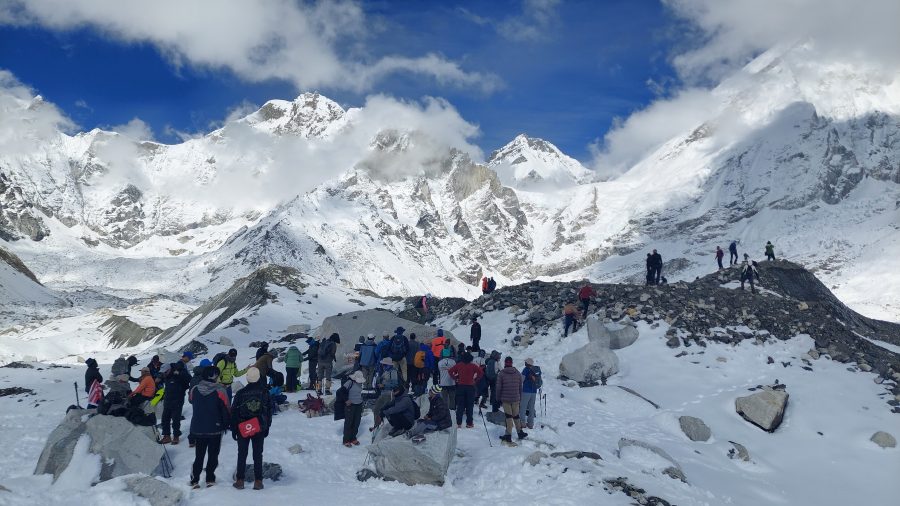
There is a moment on every Everest trek that nobody puts in the brochure. You are standing in a stone teahouse above Namche, your hands are warm around a cup of ginger tea, and you reach into your pocket to pay. That is the moment you find out whether you planned your cash for Everest Base Camp trek well or not.
The Khumbu is one of the most spectacular regions on Earth, but it is also a place where cards are rarely accepted, ATMs are scarce and every kilogram of food is carried up by porters or yaks. In this guide, we explain in plain words how much money to bring, where to keep it and how to spend it wisely. It is written for 2026 and 2027 trekkers, whether you book a full package with Safe Holiday Adventure or plan to walk independently.
The Short Answer Before the Story
If you join a package that includes meals, lodging, permits and flights, most trekkers are comfortable with about NPR 30,000 to 50,000 (roughly USD 230 to 380) for the whole trek. That covers drinks, snacks, hot showers, charging, Wi-Fi and tips for your crew.
If you are paying for everything yourself, a realistic daily range is USD 35 to 55 per person, or around NPR 5,000 to 7,500 per day. Over a 12 to 14 day trek, that is a comfortable cushion without being excessive.
Now let us walk the trail and see why the numbers look this way.
Why Cash Rules the Everest Trail (Route)
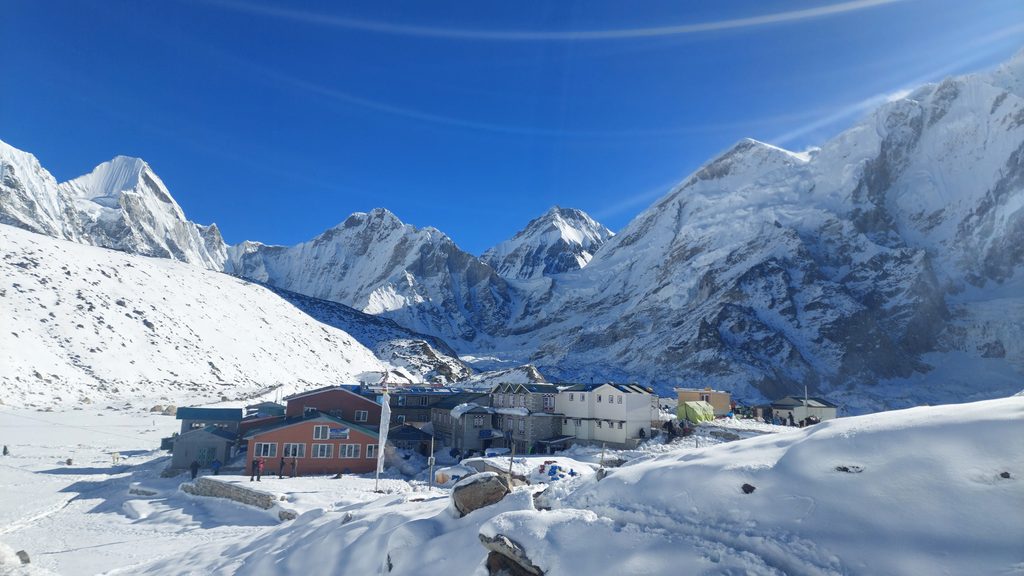
Down in Kathmandu you can swipe a card at almost any hotel or restaurant. Once your small plane touches down at Lukla, that world quietly disappears. Teahouse owners run on cash. Electricity often comes from solar panels, and internet signals are weak, so card machines are unreliable at best.
There is also a second reason. The higher you walk, the more expensive everything becomes. A bottle of water in Lukla may feel ordinary. By Gorak Shep it costs several times more, because someone carried it on their back for days. Understanding this simple pattern will help you budget with confidence.
The Money Story, Day by Day
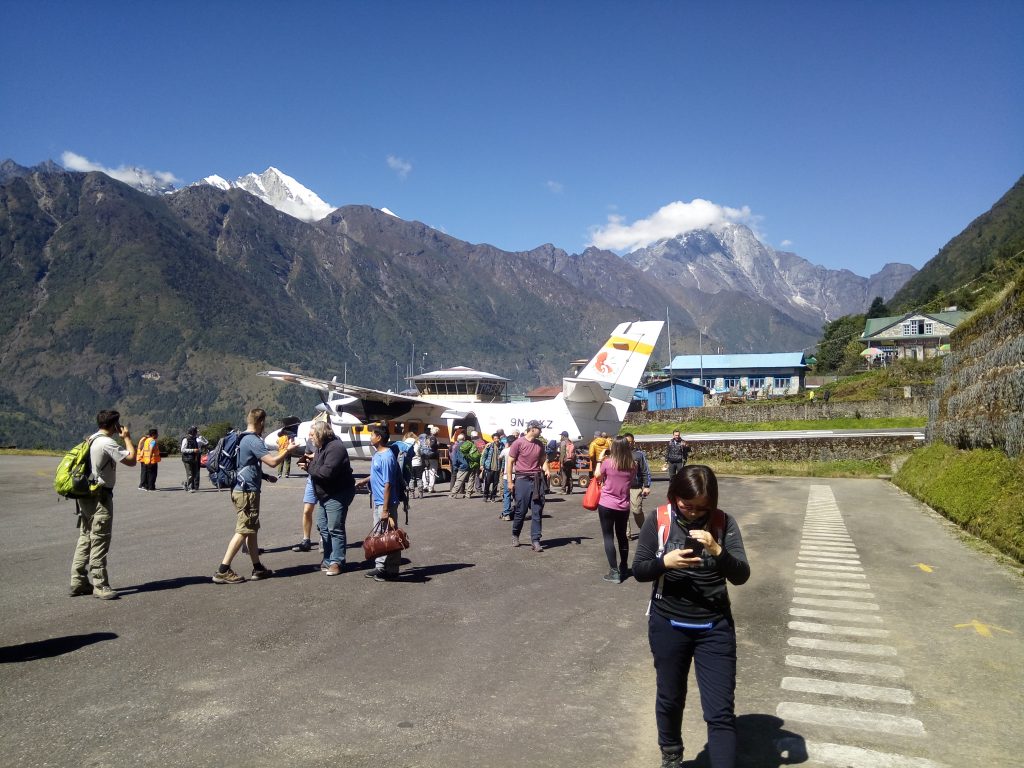
Lukla and Phakding: Easy Spending, Small Notes
Your first days are gentle on the wallet. Lukla has a few ATMs, though they can run out of notes or lose power, so never depend on them as your only plan. Withdraw what you need in Kathmandu before the flight. In Phakding, a simple tea, a chocolate bar or a quick snack costs very little, and small bills make every purchase smooth.
Namche Bazaar: Your Last Real Shopping Stop
Namche is the busiest town on the trail, and it behaves like one. You will find bakeries, gear shops, a few banks and ATMs, and even a pharmacy. This is the best place to top up if you are short, and the best place to replace a lost glove, a pair of trekking socks or a battery.
Because you usually spend two nights here for acclimatization, you will likely enjoy a bakery coffee, a hot shower and maybe a small souvenir. Plan for a slightly higher spend on these days.
Tengboche, Dingboche and Lobuche: Prices Start to Climb
Here the trail becomes remote and the menu prices climb with every hundred meters of altitude. A hot shower may cost around USD 5 to 8 where it is available. Charging a phone or camera battery usually costs USD 2 to 5 per device. Wi-Fi cards, when they work, may cost USD 5 to 10 for limited data.
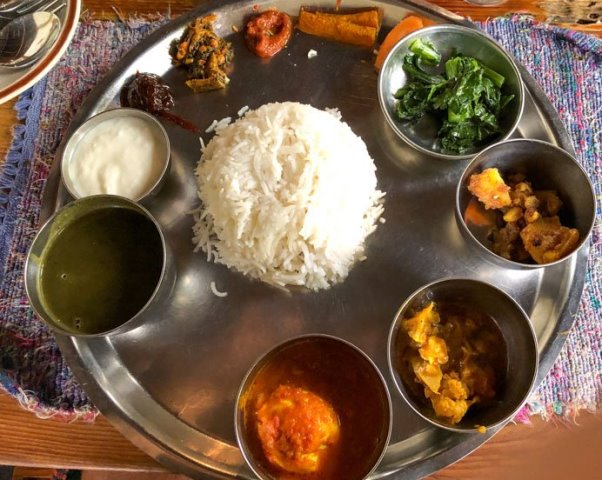
Meals are the largest regular expense if they are not included in your package. A plate of dal bhat, the classic Nepali meal with lentils, rice and vegetables, usually costs between USD 6 and 12 at this stage. Many guides recommend it because it is filling and often comes with free refills.
Gorak Shep and Base Camp: Spend Little, Carry Enough
At Gorak Shep you are living at nearly 5,200 meters, and you will not shop here. Still, tea, soup and snacks are at their highest prices. Keep your cash dry, easy to reach and in small notes. There is nothing to buy at Everest Base Camp itself except a memory, but you will want a little spare in your pocket for a celebratory hot drink on the way back down.
What Your Money Will Actually Be Spent On
If you are wondering where those rupees quietly disappear, here is the honest list in the order most trekkers notice it.
Drinks and snacks. Tea, coffee, hot chocolate and bottled water add up faster than anyone expects. Many trekkers spend USD 8 to 15 per day on drinks alone. Carrying a water bottle and using purification tablets, or refilling safely at teahouses where boiled water is offered, can lower this cost and also reduce plastic waste on the mountain.
Hot showers and charging. These are small luxuries that feel enormous after a cold day. Budget a few showers across the trek rather than one every night.
Wi-Fi and communication. Signals are weak. If staying connected matters to you, consider a local SIM card from Kathmandu and a small amount of paid data. Do not expect fast internet above Namche.
Extra permits and fees. If you are not on a package, you will need your Sagarmatha National Park permit and your local municipality permit, both paid in Nepali rupees. Your trekking agency normally arranges these for you. Check the current fees with the official Nepal Tourism Board before you travel, since permit rules can change.
Tips for your team. This is not optional in practice, and it deserves its own section below.
Emergencies and extras. A delayed flight, an unplanned night in Lukla or an extra day for rest all cost money. A small reserve of around USD 100 to 150 is the sort of quiet insurance you hope never to use.
Tipping: The Part Most Trekkers Forget to Budget
Guides and porters are the heart of your journey. They carry heavy loads, watch your health, make decisions about weather and keep you safe. A tip is the traditional way to say thank you.
As a general guide, many groups give around USD 10 to 15 per day for a guide and USD 6 to 10 per day for a porter, shared across the group. For a 12 day trek, this can come to USD 200 to 300 in total for a small team. It is polite to hand over the tip on the final evening, in Nepali rupees or US dollars, with a short word of thanks.
If you want a deeper look at fair amounts and etiquette, our guide to tipping in Nepal explains how groups usually divide it and what feels respectful.
How to Carry Your Money Safely
Safety comes before savings. A few simple habits keep your money protected without any stress.
Split your cash. Never keep everything in one pocket or one bag. Keep a day’s spending in an easy pocket, the main amount in a zip bag inside your daypack and a small emergency reserve in your duffel or a hidden money belt.
Bring small notes. Notes of 100, 500 and 1,000 rupees are far more useful than large denominations. Teahouse owners in remote villages often cannot change big bills.
Keep it dry. A waterproof pouch or a simple zip-lock bag protects your money from sweat, snow and rain.
Use your teahouse safe carefully. Some lodges offer a locked room, but most are simple. Rely on your own habits first, and keep valuables with you at night.
Carry a backup card. Keep one card for emergencies, stored separately from your cash. It will not work on the trail, but it will help in Kathmandu if something goes wrong.
Nepali Rupees or US Dollars?
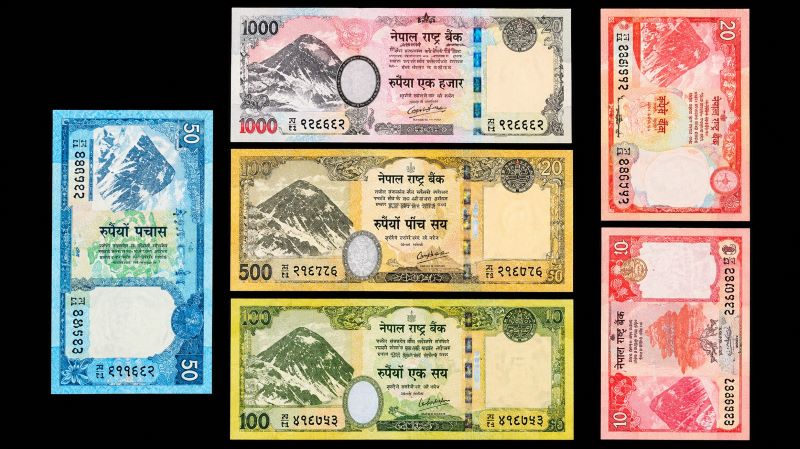
The local currency is the Nepali rupee, and it is the best choice on the trail. Teahouse owners prefer it and the prices are written in it. US dollars are accepted in Kathmandu and by some operators, but you will often receive a poorer exchange rate in the mountains.
The smartest plan is simple. Exchange or withdraw most of your money in Kathmandu, where rates are fair and ATMs are reliable. Keep a small amount of US dollars as an emergency reserve and for your tips if you prefer. Always use licensed exchange counters and keep your receipts.
Three Budget Styles for Three Kinds of Trekkers
The comfortable package trekker. Your meals, lodging, permits and guide are covered. Bring about NPR 35,000 to 50,000 for drinks, small treats, showers, charging and tips. This is the easiest way to trek, and it is the style our team at Safe Holiday Adventure organizes most often.
The independent walker. You are paying for rooms, meals and permits yourself. Plan around USD 35 to 55 per day, plus tips and a reserve. You will enjoy more freedom, but you will also need more planning, and a local guide is still wise for safety.
The treat-yourself trekker. You want the bakery cakes, the extra hot showers, a few souvenirs and maybe a helicopter flight back. Add USD 20 to 30 per day to the range above, and keep a larger emergency fund.
Smart Habits That Save Money Without Spoiling the Trip
Small choices make a real difference over two weeks. Eat where you sleep, since most teahouses expect guests to dine in their dining room and sometimes charge less for the room in return. Order Dal Bhat when you are hungry, because it is filling and usually the best value. Carry a reusable bottle and purification tablets instead of buying bottled water every day. Choose a few showers for the days you need them most, and bring a power bank so that you are not paying for charging at every stop.
None of this means being stingy. It simply means that the money you save can go to what matters, a warm drink at sunrise, a kind tip for your porter or a postcard from Namche.
A Simple Checklist Before You Fly to Lukla
Before you leave Kathmandu, run through these quick questions. Have you exchanged enough rupees in small notes? Do you have a waterproof pouch for your cash? Have you set aside tips for your guide and porters? Is there an emergency reserve hidden separately? Do you know which permits your agency has already arranged?
If you answered yes to all five, you are ready. The mountain will take care of the rest.
Final Thoughts
The right amount of cash for the Everest Base Camp trek is rarely about wealth. It is about calm. When you know what to expect, you stop worrying about money and start noticing what you came for, the sound of yak bells, the prayer flags in the wind and the first clear view of Everest at sunrise.
If you would like a clear, honest quote with everything included, you can explore our trekking packages at Safe Holiday Adventure. If you prefer an experienced independent guide who will plan the trek around your needs, you can also contact Nepal Everest Guide, who will help you set a realistic budget before you land in Kathmandu.
Pack light, carry small notes and walk slowly. The Himalayas reward everyone who does.
Frequently Asked Questions
1. How much Nepali money should I carry for the EBC trek?
On a package trek, about NPR 30,000 to 50,000 is enough. If you pay for everything yourself, plan NPR 5,000 to 7,500 per day.
2. Is cash really necessary on the trail?
Yes. Cards are almost never accepted above Namche Bazaar, so cash is your main payment method.
3. Which currency is best on the trek?
Nepali rupees. Teahouse prices are set in rupees, and you get the best value paying in them.
4. Can I use US dollars on the trail?
Some places may accept them, but the exchange rate is usually poor. Keep dollars only as an emergency reserve.
5. Are there ATMs on the EBC route?
There are a few in Lukla and Namche Bazaar. They can run out of cash or lose power, so don’t rely on them.
6. Where should I withdraw or exchange money?
In Kathmandu. Rates are fair and ATMs are reliable. Use licensed exchange counters and keep your receipts.
7. What notes are best to carry?
Small notes of 100, 500 and 1,000 rupees. Remote teahouses often can’t change large bills.
8. How much do meals cost on the trek?
Roughly USD 6 to 12 per meal, and prices rise with altitude. Dal bhat is usually the best value because it comes with refills.
9. How much will I spend on drinks and snacks?
Many trekkers spend USD 8 to 15 per day on tea, coffee, water and snacks.
10. How much does a hot shower cost?
Usually USD 5 to 8, where available. Take a few showers rather than one every night.
11. How much does charging a phone cost?
About USD 2 to 5 per device. A power bank saves money.
12. How much does Wi-Fi cost?
Around USD 5 to 10 for limited data, and the signal is often weak. A local SIM card from Kathmandu is an alternative.
13. How much should I tip my guide?
Many groups give around USD 10 to 15 per day for a guide, shared across the group.
14. How much should I tip my porter?
Around USD 6 to 10 per day, shared across the group. Hand over tips on the final evening with a thank you.
15. Are permits paid in cash?
Yes, permit fees are paid in Nepali rupees. If you book a package, your agency normally arranges them. Check current fees with the Nepal Tourism Board before you travel.
16. Where can I top up if I run low?
Namche Bazaar is the best place, with banks, ATMs and shops. Above it, options are very limited.
17. How should I carry my money safely?
Split it: a day’s spending in an easy pocket, the main amount in a zip bag in your daypack, and a small reserve hidden in your duffel.
18. How do I keep my cash dry?
Use a waterproof pouch or a zip-lock bag to protect it from sweat, snow and rain.
19. How much emergency money should I keep?
About USD 100 to 150 extra, kept separately. It covers flight delays, extra nights or unplanned expenses.
20. What happens if I run out of money?
Your guide can help you reach Namche or Lukla to withdraw more. A small hidden reserve prevents this problem.