

KATHMANDU-LUKLA-NAMCHE-DINGBCOHE-GORAKSHEP-EBC-PHERICHE-NAMCHE-LUKLA-KATHMANDU
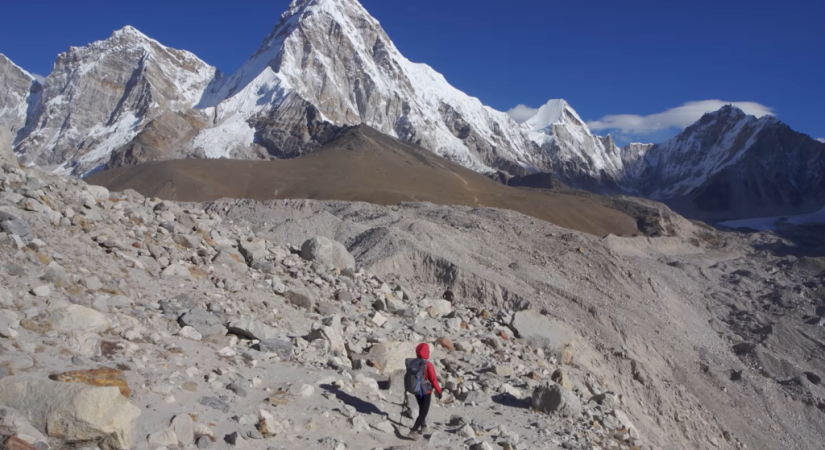
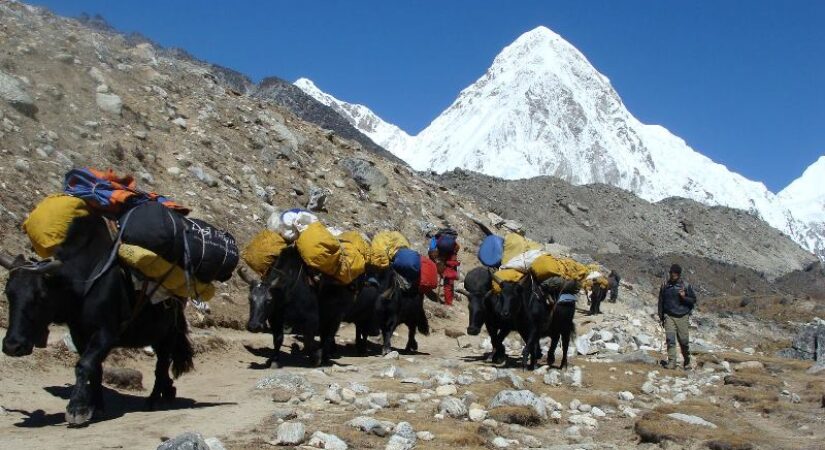


Why Everest Base Camp Budget Trek?
➤ Scenic Lukla Flight – Begin your adventure with a thrilling flight landing at the world-famous Tenzing-Hillary Airport.
➤ Namche Bazaar Exploration – Visit the lively Sherpa town, shop for local crafts, and enjoy stunning mountain views.
➤ Tengboche Monastery Visit – Experience the spiritual heart of the Khumbu region with panoramic Himalayan vistas.
➤ Sunrise at Kala Patthar – Watch the sun rise over Everest and the surrounding peaks for an unforgettable moment.
➤ Reach Everest Base Camp – Stand at the foot of the world’s tallest mountain amidst glaciers and rugged terrain.
➤ Khumbu Icefall View – Marvel at the impressive and ever-changing glacier formations along the trail.
➤ Gorak Shep Stopover – Explore this high-altitude village before reaching the base camp, soaking in the Himalayan atmosphere.
➤ Trek Along Khumbu Glacier – Walk beside one of the highest glaciers in the world and witness its scale and beauty.
➤ Cultural Encounters with Sherpas – Learn about Sherpa traditions, hospitality, and daily life in the mountains.
➤ Sagarmatha National Park Experience – Discover a UNESCO World Heritage area rich in flora, fauna, and breathtaking landscapes.
➤ Colorful Prayer Flags & Mani Stones – See vibrant symbols of Buddhist culture scattered along the trails.
➤ Suspension Bridge Crossings – Enjoy thrilling walks over iconic Himalayan suspension bridges.
➤ Acclimatization Villages – Rest and explore Namche, Dingboche, and other villages to adjust to high altitude.
➤ Panoramic Mountain Views – Constantly admire peaks like Lhotse, Nuptse, and Ama Dablam along your trek.
➤ Authentic Himalayan Life – Immerse yourself in local festivals, monasteries, and mountain village life for a complete cultural experience.
Introduction to Everest Base Camp Budget Trekking
Experience the awe-inspiring Everest Base Camp Budget Trek without breaking the bank with our 11-day Budget Everest Base Camp Trek. Designed for trekkers seeking to explore the majestic Himalayas on a budget, this trek offers an unforgettable adventure without any unnecessary expense. The journey follows the classic route, with strategic adjustments to reduce costs, including skipping the acclimatization day in Namche Bazaar (3,450 m) and having only one acclimatization day in Dingboche.
Our budget trek to Everest Base Camp ensures you enjoy the essentials of the adventure while managing your expenses. The tea house accommodation offers a comfortable and authentic experience, and you can further reduce costs by paying for your own breakfast, lunch, and dinner. This flexible approach lets you choose meals that suit your taste and budget, making it a truly personalized trekking experience.
With the 11-Day Everest Base Camp Budget Trek, you'll be guided by an experienced independent guide who knows the trails intimately. This ensures your safety and enjoyment while keeping the overall cost lower than that of larger, more commercial trekking groups. Our independent guides are knowledgeable, friendly, and committed to providing an exceptional trekking experience.
Despite being a budget-friendly trek, you'll still witness the breathtaking beauty of the Everest region. Each day offers incredible views and unforgettable moments, from the vibrant Namche Bazaar to the serene Tengboche Monastery. Reaching the iconic Everest Base Camp is a dream come true, and this budget trek ensures you achieve that dream without overspending.
Join our Affordable Everest Base Camp Budget Trek for an adventure of a lifetime that fits your budget. Whether you're an experienced trekker or a first-time adventurer, this carefully crafted itinerary offers the perfect balance of cost-saving measures and thrilling experiences. Discover the grandeur of the Himalayas on a budget trek to EBC and create memories that will last a lifetime.
Best Time for Budget Trekking to Everest Base Camp
The best time for budget trekking to Everest Base Camp is during the off-season, late February to May, and late September to November. These periods offer better prices on flights and accommodations compared to peak seasons. The weather is generally clear, making for stunning mountain views and comfortable trekking conditions. Avoid trekking during the monsoon season (June to August) due to heavy rainfall and slippery trails, which can make trekking difficult and less enjoyable. By choosing the off-season, you can save money while still experiencing the beauty of the Himalayas on a budget-friendly trek to Everest Base Camp.
Alternative Everest Trekking Routes for Adventurers
For a different Everest experience, Nepal offers many exciting options. The Gokyo Valley Trek is renowned for its turquoise lakes and breathtaking mountains, including Everest and Cho Oyu. The trail is less crowded than the usual Base Camp route. Along the way, you can explore quiet villages and enjoy the peaceful nature. It is perfect for adventurers who want beauty and calm together.
The Everest Three Passes Trek is designed for trekkers seeking a true challenge. It crosses three high passes: Renjo La, Cho La, and Kongma La. You will see glaciers, mountains, and high-altitude scenery. This trek needs stamina and careful acclimatization. But the reward is amazing views and a sense of real adventure. It is a memorable experience for those ready to test their limits.
The Imja Tse (Island Peak) Trek combines trekking and peak climbing. You can climb a 6,189-meter peak and enjoy trails in the Everest region. Along the way, you will visit Sherpa villages and see glaciers and mountains. This trek is ideal for those with some trekking experience who are seeking adventure and excitement. Climbing Island Peak gives a special thrill and a chance to achieve something big in the Himalayas.
Cost-Saving Tips for Everest Base Camp Trek
Here are some cost-saving tips for the Everest Base Camp trek:
- Travel offseason: Trek during late February to May or late September to November for lower prices.
- Book early: Secure flights and accommodations in advance for better rates.
- Join a group: Share costs, such as guides and permits, with others
- Pack snacks: Carry energy bars and snacks to help reduce meal expenses on the trail.
- Stay in tea houses: Opt for basic accommodations in tea houses to save on lodging costs.
Accommodation Options on a Budget
During the Everest Base Camp budget trek, you can stay in tea houses along the trail. These are basic lodges offering simple rooms with shared bathrooms. They serve meals including dal bhat, lentils, and other local specialties. Tea houses are affordable and convenient, often charging nominal fees for accommodation if you dine there. They offer a chance to meet fellow trekkers and experience local hospitality while keeping costs low on your journey to Everest Base Camp.
Food and Meals: Budget-Friendly Choices
During the Everest Base Camp trek, especially for students and budget-conscious travelers, there are smart ways to manage food costs. Enjoy a hearty breakfast at the tea houses to energize yourself for the day ahead. By lunchtime, munch on packed snacks like biscuits and chocolates bought cheaply in Kathmandu. This saves money and keeps you going. For dinner, enjoy the substantial meals served at tea houses, typically including dal bhat (rice and lentils) with options for seconds, ensuring you get a satisfying meal without overspending.
Note:
The quoted price is for 2-3 people. If you have a larger group, I can offer a discount. For solo trekkers, the cost will be slightly higher than for 2-3 people. Thank you
Everest Base Camp Budget Trek Outline
Day 1: Fly Kathmandu to Lukla (2840m), trek to Phakding (2,610m) - 8km, 3 hours
Day 2: Trek Phakding to Namche Bazaar (3,440m) - 10km, 6 hours
Day 3: Trek Namche Bazaar to Tengboche (3,860m) - 10km, 5 hours
Day 4: Trek Tengboche to Dingboche (4,410m) - 11km, 5 hours
Day 5: Acclimatization day in Dingboche
Day 6: Trek Dingboche to Lobuche (4,910m) - 11km, 5 hours
Day 7: Trek Lobuche to Gorak Shep (5,180m), visit Everest Base Camp (5,364m) - 15km, 8-9 hours
Day 8: Hike Gorak Shep to Kala Patthar (5,545m), return to Pheriche (4,371m) - 15km, 7-8 hours
Day 9: Trek Pheriche to Namche Bazaar - 20km, 7-8 hours
Day 10: Trek to Lukla(19 km-7 hours
Day 11: Fly from Lukla to Kathmandu
What's included?
- Experienced Everest Base Camp Expert Guide,
- 11 Breakfast Included from Lukla to Everest Base Camp and Back,
- Private Tea House Accommodation in the mountain,
- Sagarmatha National Park entry permit and Pashang Lhamu Rural Municipality Fees,
- Guide's salary and All his Expenses for the Trekking,
- Emergency helicopter rescue management (covered by your insurance),
- Government taxes and official charges,
- Local and Government Taxes,
What's not included?
- Nepal visa fees (visa can be obtained on arrival at Tribhuvan International Airport, Kathmandu),
- Medical and travel insurance,
- Kathmandu-Lukla-Kathmandu Flight Tickets,
- Personal expenses like bar bills, donations, bigger, etc.
- Lunch And Dinner during the trek,
- Mineral water, boiled water, and hot water during the trek
- Alcoholic and non-alcoholic drinks
- Desserts and snacks
- Wi-Fi, battery charging, hot showers, boiled water, and extra food beyond regular meals
- Tips for guide, porter, and driver (highly appreciated)
- Additional charges for luggage exceeding 15 kg on domestic flights
Day by Day Itinerary
DAY
Day 1
Fly Kathmandu to Lukla (2840m), trek to Phakding (2610m)
3 Hours- 8KM Breakfast Lodge
On the first day of the Everest Base Camp trek, we fly from Kathmandu to Lukla (2840m). From Lukla, we trek 8 km to Phakding (2,610 m). It takes about 3 hours to trek from Lukla to Phakding (2,610 m). The trail passes through charming villages such as Chaurikharka and Chheplung, offering breathtaking views of lush green hills and distant snow-capped peaks.Along the Dudh Koshi River, we cross suspension bridges adorned with prayer flags, adding cultural charm to our journey. Phakding welcomes us with cozy lodges and a serene atmosphere, setting the stage for the adventure ahead.
DAY
02
Trek Phakding to Namche Bazaar (3440m)
6 hours- 10 Km Breakfast Tea House/ Lodge
Today’s trek from Phakding to Namche Bazaar (3,440 m) was a rewarding 10 km journey, taking around 6 houToday’s trek from Phakding to Namche Bazaar (3,440 m) was a rewarding 10 km journey, taking around 6 hours. We started by crossing a suspension bridge, which offered breathtaking views of the river rushing far below.The trail then gently ascended to Toktok, a serene 20-minute walk through lush greenery, passing by streams and small waterfalls—a truly picturesque start.
Continuing onward, we reached Banker, where scattered houses and terraced farmlands dotted the landscape, adding a glimpse into local Sherpa life. Another suspension bridge led us to Manjo village, a bustling Sherpa settlement known for its warm hospitality.
A short walk from Manjo brought us to Jorsalley, where we paused for a hearty lunch break. Crossing yet another suspension bridge, the trail hugged the riverbank before a steep ascent to Hillary Bridge, named in honor of Sir Edmund Hillary, renowned for his Everest ascent. The final stretch was a challenging yet invigorating climb through alpine forests, eventually leading us to Namche Bazaar after about 2 hours.
DAY
Day 3:
Trek Namche Bazaar to Tengboche (3860m)
5 hours - 10km Breakfast Lodge
Today's trek from Namche Bazaar to Tengboche, situated at 3860m altitude, covered approximately 10km over 5 hours. Departing from Namche Bazaar, the trail initially ascended gently, offering breathtaking views of Everest and surrounding peaks on clear days. Passing through dense rhododendron forests alive with bird song, we continued uphill, occasionally encountering yak caravans transporting goods between villages.
Halfway through the trek, we reached Phunki Thenga, a small settlement where we rested and refueled with local tea and snacks. From there, the path ascended steeply through pine forests, revealing occasional glimpses of Ama Dablam towering in the distance.
Approaching Tengboche, the trail opened up to reveal the iconic Tengboche Monastery, a spiritual center perched majestically against the backdrop of snow-capped mountains. As evening approached, we settled into our accommodations, reflecting on the day's journey amidst the serene mountain ambiance.
DAY
Day 4:
Trek Tengboche to Dingboche (4410m)
5 hours- 11km, Breakfast Lodge
Today, we trekked from Tengboche to Dingboche, climbing to 4410m above sea level. The journey covered about [mention the distance] kilometers and took around [mention the time] hours. From Tengboche, we began with a gentle descent, taking in breathtaking views of distant peaks like Ama Dablam and Everest. We crossed the Imja Khola River and then started ascending through lush meadows filled with wildflowers, as the scenery gradually shifted from forests to rocky terrain.
Halfway through, we reached Pangboche, a village where Sherpa people live. They have an old monastery there, and everyone was friendly. As we continued upward, the landscape grew increasingly barren, and Dingboche appeared, nestled among towering mountains and icy glacial slopes.
When we arrived in Dingboche, we settled into our rooms and looked out at the amazing views of the Himalayas. Today's trek was tough but amazing, letting us see the natural beauty and learn about the culture of this special place.
DAY
Day 5:
Acclimatization day in Dingboche
Breakfast Lodge
Today in Dingboche, we had an acclimatization day. After breakfast, we hiked up to Nangkartshang Hill, which stands nearly 5000 meters high. The trail took us through rocky terrain and sparse vegetation, with the air getting thinner as we climbed higher.
From Nangkartshang Hill, we had panoramic views of the surrounding Himalayan peaks, including Lhotse, Makalu, and Cho Oyu. Prayer flags fluttered in the wind, adding to the peaceful atmosphere. We took our time to soak in the majestic scenery and adjust to the altitude.
Descending back to Dingboche, we enjoyed a relaxing afternoon exploring the village, interacting with locals, and learning more about their way of life. The acclimatization day not only helped us physically prepare for higher altitudes but also allowed us to appreciate the natural beauty of the Khumbu region.
DAY
Day 6:
Trek Dingboche to Lobuche (4910m)
5 hours- 11km Breakfast Lodge
Today, we left Dingboche and headed towards Lobuche, which sits at 4910 meters above sea level. The trek began with a steady climb along rocky paths and patches of grass, and as we ascended, the thinning air reminded us of the increasing altitude.
The trail revealed breathtaking views of towering peaks, including Taboche and Cholatse, set against a clear blue sky. We crossed the Khumbu Khola on a sturdy bridge and passed stone walls adorned with colorful prayer flags, which hold special significance for the local people.
Near Dughla, the landscape transformed into rugged rock, and we could see the Khumbu Glacier descending from the mountains. Along the way, we passed memorials for climbers who had lost their lives on Mount Everest. It made us think about the risks of climbing such tall peaks.
The last part of the trek to Lobuche was tough. We had to climb steep slopes, and the air was thin. Upon reaching Lobuche, we settled into our rooms, surrounded by breathtaking views of snow-capped peaks.
Today's trek was hard work but also gave us a chance to see the incredible mountains and learn about the area's history.
DAY
Day 07:
Trek Lobuche to Gorak Shep (5180m), visit Everest Base Camp (5364m)
8-9 hours -15km, Breakfast Lodge
We started our walk from Lobuche early in the morning. The air was crisp and the mountains around us glowed in the morning sunlight. Trekking through the rugged terrain, we made our way steadily towards Gorak Shep at 5180 meters above sea level. The path was challenging at times, with rocky trails and occasional steep climbs, but the panoramic views of the Himalayas kept us motivated.
Upon reaching Gorak Shep, we paused to catch our breath and refuel with some snacks and water. Energized, we continued our trek towards Everest Base Camp at 5364 meters. The trail led us through glacial moraines and stunning vistas, with the towering presence of Mount Everest becoming more prominent as we approached.
Finally, we arrived at Everest Base Camp, a bustling hub of tents and prayer flags surrounded by icy peaks and glaciers. We took time to explore the area, soaking in the surreal experience of standing at the base of the world's highest mountain. After capturing unforgettable moments with photos and memories, we began our descent back to Gorak Shep, where we will spend the night before continuing our trekking journey.
DAY
Day 8:
Hike Gorak Shep to Kala Patthar (5545m), return to Pheriche (4371m)
7-8 hours- 15km, Breakfast Lodge
Today's trek from Gorak Shep to Kala Patthar starts early. We leave our heavy backpacks at Gorak Shep, carrying only essentials, water, and our camera in a small daypack.It's a 2-hour hike to Kala Patthar, where we'll catch breathtaking views of Mount Everest and the surrounding peaks. After enjoying the scenery and taking photos, we returned to Gorak Shep for breakfast.
Once we're ready with our big backpacks, we begin our descent towards Pheriche. The trail takes us through Lobuche and Thukla, passing through beautiful landscapes and alongside glacier views. It's about a 15-kilometer journey, taking around 7 to 8 hours, with breaks along the way to rest and take in the stunning Himalayan scenery. We'll reach Pheriche by late afternoon, ready to relax and reflect on our amazing trekking experience today.
DAY
Day 9:
Trek Pheriche to Namche Bazaar
7-8 hours- 20km, Breakfast Lodge
Starting from Pheriche on the Everest Base Camp trek, the trail spans 20 kilometers and takes about 7 to 8 hours to Namche Bazaar. After Funke Thanga, the path ascends steeply through pine trees up to Sanasa. From Sanasa, the route continues to Namche via an easier, flat walk passing through Kyanjuma. This section offers stunning views of the Himalayas and local Sherpa villages. The trail winds through lush forests and Unlimitedmeadows, providing ample opportunities to spot local wildlife and enjoy the serene mountain views. As you approach Namche Bazaar, the bustling market town comes into view, nestled amidst the mountains, offering trekkers a chance to rest, refuel, and experience Sherpa culture firsthand.
DAY
Day 10:
Trek Namche Bazaar to Lukla
6-7 hours- 18km, Breakfast Lodge
The trekking route from Namche Bazaar to Lukla spans approximately 18 kilometers and typically takes around 6 to 7 hours to complete. Starting from Namche Bazaar, nestled amidst the mountains, the trail initially descends gradually through forests of rhododendron and pine trees. You'll cross several suspension bridges over the Dudh Koshi River, passing through villages like Phunki Thenga and Monjo.
After Monjo, the trail continues alongside the Dudh Koshi River, offering occasional views of Everest and other snow-capped peaks. The path winds through terraced fields, small settlements, and lush green hillsides, providing ample opportunities to experience Sherpa culture and hospitality. As you approach Lukla, the landscape flattens out, and you'll enter the bustling town, known for its vibrant atmosphere and as the gateway to the Everest region.
Throughout the trek, trekkers can immerse themselves in the serene Himalayan scenery, encounter local wildlife, and experience the unique blend of Sherpa culture and majestic mountain landscapes that define the Khumbu region.
DAY
Day 11:
Fly from Lukla to Kathmandu
30 Minute flight Breakfast Hotel
We begin our day in Lukla with a hearty breakfast, savoring the fresh mountain air and reminiscing about the unforgettable experiences of our Everest Base Camp trek. We then board a short flight back to Kathmandu or Ramechhap, depending on current air traffic conditions. As we soar above the Himalayas one last time, we cherish the memories of breathtaking landscapes and warm hospitality that defined our journey. Upon arrival, we bid farewell to the mountains and prepare to return home, carrying with us the spirit of adventure and the camaraderie forged along the trail.
Departure Dates
Sorry, No fixed departure dates are listed to group join, please request private trip
"Discover Everest Base Camp for Less! Book our Budget Trek today and save 10%! Experience the awe of Everest without breaking the bank. Limited availability – Act Now! Contact us for details."
Reviews
Monika Allen
Canada
Budget-Friendly Adventure: 11 Days to Everest Base Camp
2025I had an amazing experience on the 11-day Everest Base Camp Budget Trek. Our guide, Rupesh from Nepal Everest Guide, was incredibly knowledgeable, supportive, and attentive throughout the trek. He ensured our safety, kept us motivated, and shared fascinating insights about the local culture and environment. The trek itself was challenging but extremely rewarding, and the views were absolutely breathtaking.
I, Monika Allen from Canada, highly recommend this trek with Nepal Everest Guide to anyone seeking an unforgettable adventure in the Himalayas. Thank you, Rupesh, for making this journey so memorable!
Giu Bos
Indonesia
Memorable Budget Journey to Everest Base Camp – 11 Days
2024I joined the 11-day Everest Base Camp Budget Trek, and it exceeded my expectations. Even though it was a budget option, the services provided were excellent. The tea houses were simple but comfortable, and the food was good enough to keep me energized throughout the journey. The trek itself was challenging yet incredibly rewarding. Standing at the base of Mount Everest was a dream come true. My guide was professional, supportive, and always made sure I was safe and comfortable. For anyone looking for an affordable way to experience Everest Base Camp, this budget trek is a fantastic choice. It was one of the most memorable adventures of my life.
Essential Information
Everest base camp weather during Spring and Autumn seasons
During the spring (March to May) and autumn (September to November) seasons, the weather at Everest Base Camp is generally favorable for trekking. Days are typically mild and sunny with clear skies, offering stunning views of the surrounding peaks. Temperatures during the day range from mild to cool, making it comfortable for trekking. Nights can be chilly, especially at higher altitudes, so warm clothing is necessary. These seasons are considered the best times to trek to Everest Base Camp due to stable weather conditions, minimal precipitation, and the post-monsoon clarity that ensures breathtaking views of the Himalayas throughout the trek.
Everest base camp trek difficulty
The Everest Base Camp trek presents a moderate challenge suitable for trekkers with basic fitness levels and preparation. The trail involves varying terrain and altitude gains, requiring stamina and acclimatization. Trekkers navigate rocky paths, occasional steep ascents, and high altitude conditions reaching over 5,000 meters. It's essential to pace oneself, acclimatize properly, and follow the guidance of experienced guides. While achievable for most, the trek demands physical endurance and mental determination. With proper preparation and a gradual ascent, trekkers can enjoy the stunning landscapes and cultural experiences along the route to Everest Base Camp.
Everest base camp budget trek cost
For budget-conscious travelers, the Everest Base Camp trek typically costs between 450 to 600 USD per person. This price generally covers essential services like accommodation in tea houses along the trekking route, meals, experienced guides, necessary permits, and transportation to and from the starting point of the trek. Additional costs may include personal expenses, tips for guides and porters, travel insurance, and optional items like hot showers and charging facilities in tea houses. Prices can vary based on the trekking season, group size, and specific inclusions/exclusions in the package offered by trekking operators.
Everest base camp trek Altitude sickness information
Altitude sickness, or acute mountain sickness (AMS), can occur during the Everest Base Camp trek due to rapid altitude gain. Symptoms include headache, nausea, dizziness, and shortness of breath. To prevent AMS, ascend gradually, acclimatize properly, stay hydrated, and listen to your guide's advice. If symptoms worsen, descend to lower altitudes immediately. Tea houses along the route have oxygen cylinders and basic medical supplies. It's crucial to be aware of AMS risks and symptoms to ensure a safe trekking experience. Consult your doctor before trekking if you have pre-existing medical conditions or concerns about high altitude.
Do we have to sleep in a tent during the EBC trek or not?
No, you won't need to sleep in tents during the Everest Base Camp trek. Over the past few years, there have been significant improvements in accommodation along the route. You can expect comfortable private tea houses with basic to luxurious amenities. These tea houses offer cozy beds, hot showers, and hearty meals, ensuring a comfortable stay after each day of trekking. Some places even have upscale lodges, adding a touch of luxury to your trekking experience. Rest assured, you can enjoy the breathtaking Himalayan views without worrying about roughing it in tents.
Everest Base Camp budget Trek FAQs
What is the best time to trek to Everest Base Camp?
The best times are generally from March to May (spring) and September to November (autumn). These months offer stable weather and clear skies, ideal for trekking.
How difficult is the Everest Base Camp trek?
The trek is considered moderate to strenuous. It involves walking for 5-7 hours a day at high altitude, which can be physically demanding. However, it doesn't require technical climbing skills.
How many days does it take to complete the Everest Base Camp trek?
The standard trek duration is around 12-14 days, depending on the itinerary. This includes acclimatization days to prevent altitude sickness.
What is the altitude of Everest Base Camp?
Everest Base Camp is located at an altitude of approximately 5,364 meters (17,598 feet) above sea level.
Do I need a permit for the Everest Base Camp trek?
Yes, trekkers need to obtain permits. These include the Sagarmatha National Park Entry Permit and the TIMS (Trekkers' Information Management System) card, which are arranged by trekking agencies.
What is the accommodation like during the trek?
Accommodation is typically in tea houses along the route. These are basic lodges with shared rooms and common dining areas. They provide meals such as dal bhat (rice and lentils), pasta, and noodles.
Is altitude sickness a concern on the Everest Base Camp trek?
Yes, altitude sickness is a serious concern due to the high altitude. It's important to acclimatize properly by following a gradual ascent and staying hydrated.
What gear do I need for the Everest Base Camp trek?
Essential gear includes sturdy trekking boots, warm clothing layers, a down jacket, a sleeping bag suitable for cold temperatures, sunglasses, sunscreen, and a headlamp. Trekking poles can also be helpful.
Are there any alternative routes to Everest Base Camp?
Yes, there are variations like the Gokyo Lakes trek, which offers stunning views of the Gokyo Lakes and the Everest region from different perspectives.
Can I do the Everest Base Camp trek independently or do I need a guide?
While it's possible to trek independently, hiring a licensed guide is highly recommended for safety, navigation, and cultural insights.
Cancellation Note
- Free cancellation up to 60 days prior departure
- 30% of the total cost of the trip will be charged if cancelled between 60 to 30 days prior to departure date
- 60% of total cost of the trip will be charged if cancelled in between 30 to 14 days prior to departure date.
Web design & Developed by Wildstone Solution
