

Trekking Guide to Everest Base Camp
1 Apr 2023 NEG
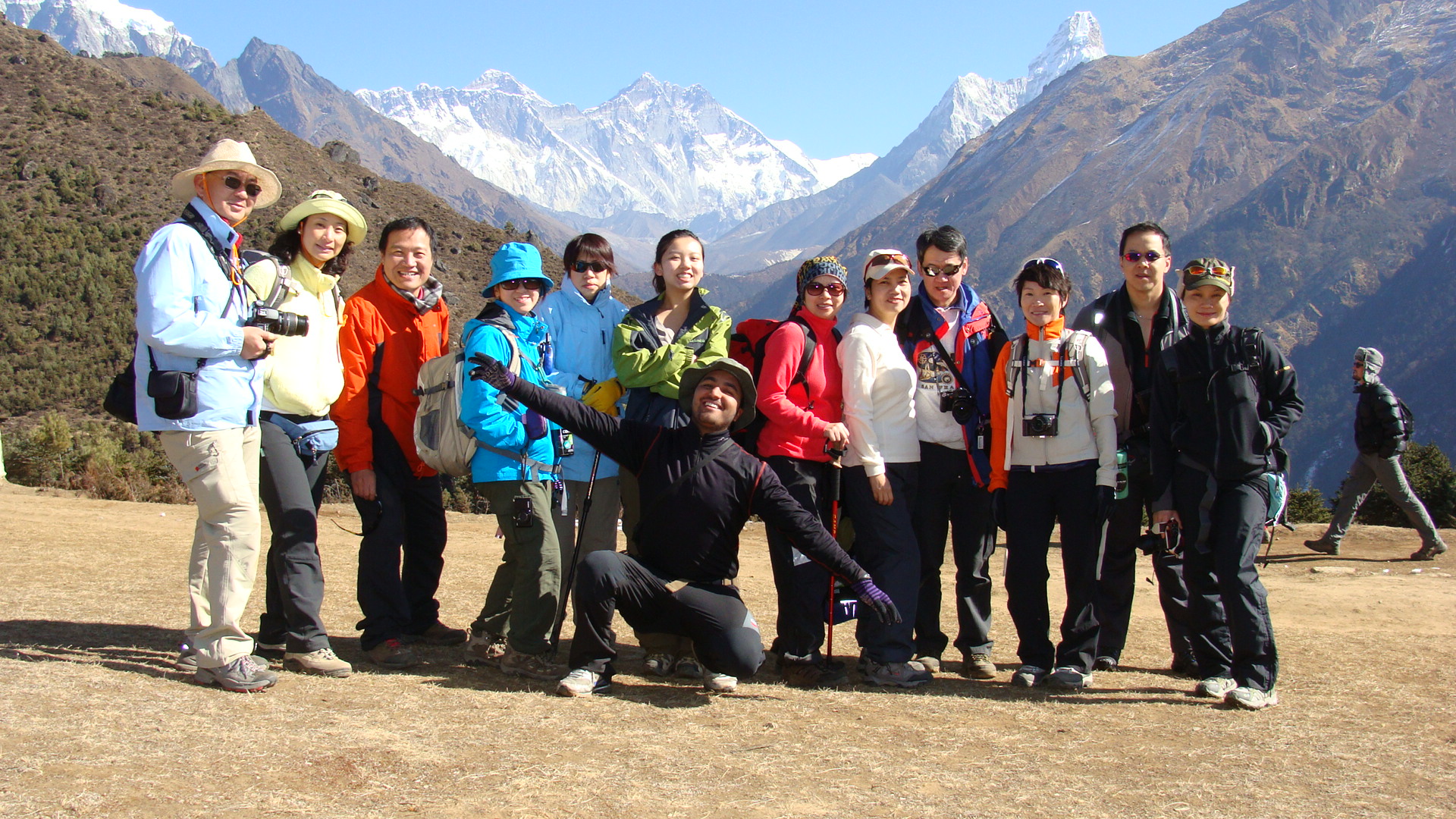
Trekking to Everest Base Camp is a once-in-a-lifetime experience for many adventure enthusiasts. The journey requires physical and mental preparation, as well as strategic planning to ensure a successful and safe trip. One of the most important aspects of planning your Everest Base Camp trek is deciding whether to hire an independent trekking guide. Hiring an independent trekking guide can provide a sense of security, safety, and peace of mind while exploring the Himalayas. In this blog post, we’ll explore the benefits of hiring an independent trekking guide to Everest Base Camp, factors to consider when choosing a guide, and what to expect during the trek. We’ll also cover qualifications, safety measures, communication, cultural sensitivity, itinerary planning, and other essential information to help you make an informed decision when hiring an independent trekking guide for your Everest Base Camp adventure.
Why hiring a guide for the Everest Base Camp trek is a good idea
Hiring a guide for your trek to Everest Base Camp is a wise decision that can make your journey not only more enjoyable but also safer. Here are some reasons why:
- Expertise and Knowledge: Your guide will have extensive knowledge and expertise about the area, including the trail, terrain, and weather conditions. They can offer valuable insights and advice that can help you stay safe and comfortable throughout the trek.
- Safety: Trekking to Everest Base Camp can be dangerous, especially if you’re not familiar with the environment. A guide can help minimize the risks by taking necessary precautions, ensuring that you’re following the right trail, and monitoring your health and well-being.
- Personalized attention: With an independent guide, you’ll receive personalized attention and support throughout the trek. They can adapt the itinerary to your needs and preferences, help you with any issues you may encounter, and offer motivation and encouragement when you need it the most.
- Cultural Awareness: Nepal is a culturally diverse country, and trekking to Everest Base Camp offers an opportunity to experience the local culture and traditions. A guide can help you navigate cultural differences, provide valuable insights into the local customs, and ensure that you’re respecting the local communities.
- Logistics: Trekking to Everest Base Camp requires proper planning and organization. A guide can take care of all the logistical details, such as permits, accommodations, and transportation, making your journey stress-free and more enjoyable.
In summary, hiring a guide for your Everest Base Camp trek is a great way to enhance your experience, ensure your safety, and make the most of your journey. With their expertise, personalized attention, and logistical support, you can focus on enjoying the stunning views and unique culture of the region.
Preparation needed for the trek, including physical and mental preparations
Preparing for a trek to the Everest base camp in Nepal requires both physical and mental preparations. Here are some things to consider for each:
Physical Preparation:
- Cardiovascular exercise: Start by building your cardiovascular endurance through activities like hiking, running, or cycling. This will help prepare your body for the physical demands of the trek.
- Strength training: Building muscle strength will help you carry your pack and traverse the steep terrain. Focus on exercises that target your legs, core, and back.
- Hiking with a pack: Practice hiking with a weighted pack on your back to get used to the extra weight and build endurance.
- Stair climbing: Practice climbing stairs to prepare for the many uphill sections of the trek.
- Aerobic exercises: Incorporate aerobic exercises such as jogging, swimming, or cycling into your training regimen to build endurance and stamina.
Mental Preparation:
- Research and planning: Read about the trek and the region to gain a better understanding of what to expect. Plan your itinerary and familiarize yourself with the route.
- Visualization: Visualize yourself completing the trek and achieving your goals. This can help build mental resilience and motivation.
- Focus on the journey: Embrace the journey rather than focusing solely on the destination. Enjoy the scenery, take breaks when needed, and stay present in the moment.
- Stay positive: A positive mindset can help you push through challenging moments on the trek. Focus on the small accomplishments and milestones along the way.
- Coping strategies: Prepare coping strategies for dealing with the physical and mental challenges of the trek. These may include deep breathing exercises, positive affirmations, or taking breaks when needed.
By preparing both physically and mentally, you can increase your chances of having a successful and enjoyable trek to Everest base camp. Remember to start your preparations well in advance and to consult with your doctor if you have any medical concerns.
How to find a trustworthy Guide for the Everest Base Camp trek
Finding a trustworthy guide for your Everest Base Camp trek is crucial for a safe and enjoyable journey. Here are some tips on how to find a reputable and reliable guide:
- Get Referrals: Ask for referrals from friends, family, or other travelers who have previously trekked to Everest Base Camp. Their recommendations can help you find a trustworthy guide who has proven experience and credibility.
- Research Online: Search for independent guides or tour operators online and check their reviews and ratings. Websites like TripAdvisor and Lonely Planet offer reviews from other travelers that can provide you with valuable insights.
- Look for Certifications: Check if the guide or tour operator has the necessary certifications, such as a Trekking Guide License from the Nepal Tourism Board or membership in the Trekking Agencies’ Association of Nepal. These certifications ensure that the guide has received the proper training and follows ethical standards.
- Meet in Person: Before booking your guide, try to meet with them in person if possible. This will allow you to assess their communication skills, level of professionalism, and ability to understand your needs and preferences.
- Consider the Cost: Be wary of guides who offer significantly lower prices than others. A low price may indicate a lack of experience or credentials, and you may end up compromising your safety and experience.
One recommended guide in Nepal for the Everest Base Camp trek is Nepal Everest Guide, a reputable and experienced tour operator with a team of licensed and certified guides. They offer personalized itineraries, customized services, and a commitment to responsible and sustainable tourism practices.
Training and qualifications of a guide for the Everest Base Camp trek
The training and qualifications required for a guide to lead an Everest Base Camp trek are regulated by the Nepal Tourism Board (NTB). Here are some of the key requirements for a guide to become licensed by the NTB:
- Training: A guide must have completed a training course on trekking and mountaineering from a recognized training institute in Nepal, such as the Nepal Academy of Tourism and Hotel Management (NATHM).
- Certification: A guide must hold a Trekking Guide License issued by the NTB, which requires passing a written and practical test on trekking, mountaineering, and first aid skills.
- Language Skills: A guide must be fluent in English and other languages spoken by their clients to ensure clear communication and effective guidance.
- Experience: A guide must have a minimum of three years of experience as an assistant guide before being eligible for a trekking guide license. This ensures that they have the necessary knowledge and skills to lead a trek safely and effectively.
- Medical Training: A guide must have basic first aid and high-altitude medical training to handle any medical emergencies that may occur during the trek.
- Cultural Awareness: A guide must have a good understanding of the local culture and customs to ensure respectful and responsible trekking practices.
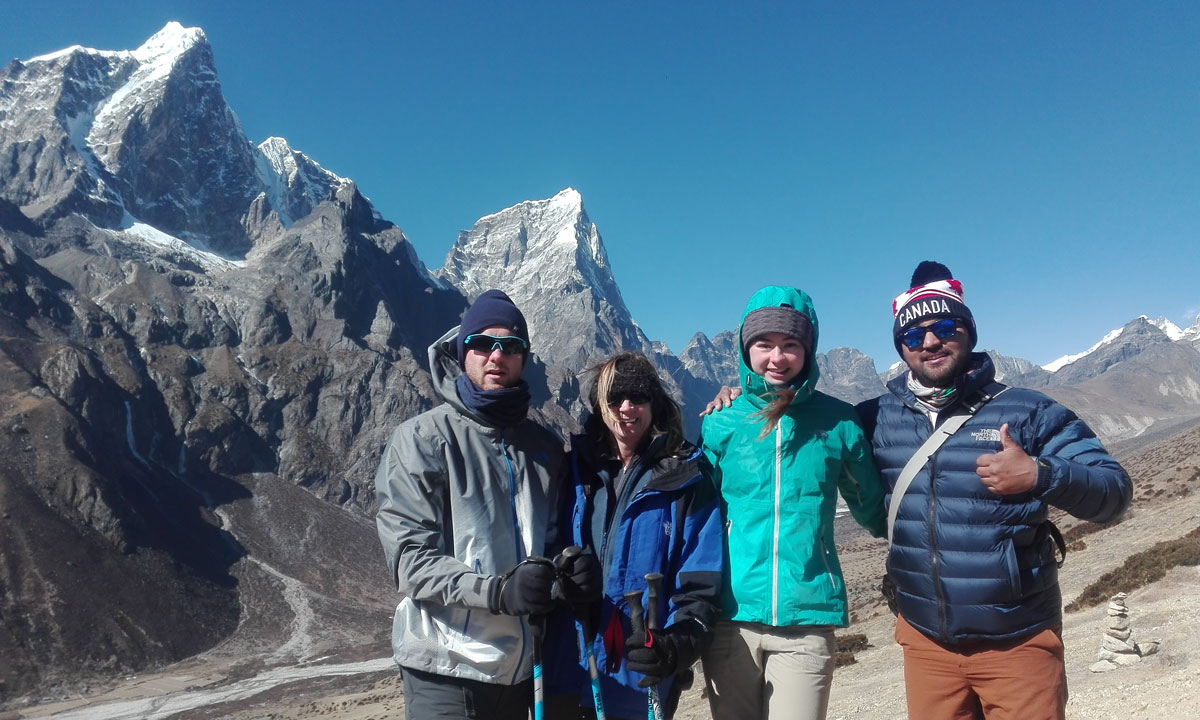
It’s important to note that hiring a licensed and qualified guide is not only essential for a safe and enjoyable trek but also for responsible tourism. A qualified guide will follow ethical and sustainable tourism practices, respect the local culture and environment, and provide valuable insights into the local customs and traditions.
The Role of a Porter during an independent trek to Everest Base Camp in Nepal
Porters play an important role in independent treks to Everest Base Camp in Nepal. Here are some of the key responsibilities and benefits of hiring a porter:
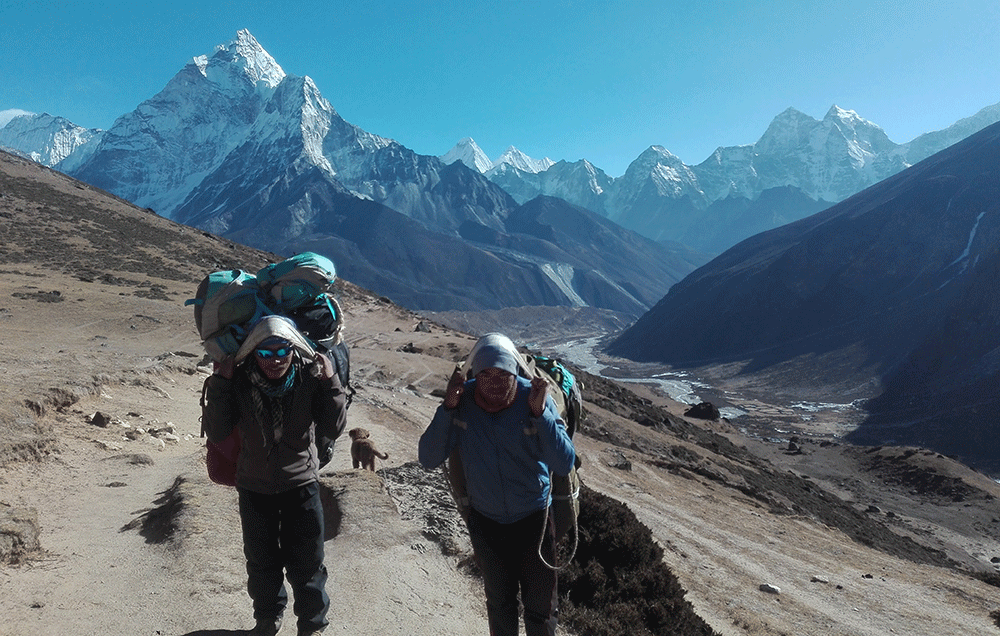
- Carrying Gear: Porters are responsible for carrying the gear and supplies required for the trek. This includes food, cooking equipment, tents, and personal gear. By carrying the load, they allow trekkers to enjoy the trek without the added burden of carrying heavy loads.
- Safety: Porters are experienced and familiar with the terrain, weather, and altitude of the trek. They can help trekkers navigate challenging sections of the trail and provide assistance in case of an emergency.
- Logistics: Porters are familiar with the logistics of the trek and can help with permits, accommodations, and transportation. They can also provide information on the best routes, weather conditions, and other practical considerations.
- Cultural Experience: Porters are often from the local communities and can provide valuable insights into the culture, customs, and traditions of the region. They can also translate for trekkers and help them interact with the locals.
- Employment: Hiring a porter provides employment opportunities for the local community and supports the local economy. This is an important aspect of responsible and sustainable tourism.
It is important to note that porters should be provided with appropriate gear and clothing to ensure their safety and comfort during the trek. It is also recommended to limit the weight of the load that they carry to reduce the risk of injury.
Altitude acclimatization
Altitude acclimatization is crucial when trekking to high-altitude destinations such as Everest base camp in Nepal. Here are some tips for preparing your body for high-altitude trekking:
- Take time to acclimatize: It’s important to give your body time to adjust to the altitude, so plan your trekking itinerary accordingly. Allow for rest days to acclimatize before climbing higher.
- Stay hydrated: Drink plenty of fluids to stay hydrated and help your body acclimatize. Water is the best option, but you can also drink tea or other hot beverages.
- Eat a balanced diet: A balanced diet with plenty of carbohydrates, protein, and fat is important for providing the energy you need for the trek and for maintaining good health.
- Avoid alcohol and smoking: Alcohol and smoking can both decrease your body’s ability to acclimatize to high altitudes, so it’s best to avoid them during the trek.
- Start with a slower pace: Trek at a slower pace than you normally would to help your body acclimatize. Take breaks when you need to catch your breath.
- Consider medication: Consult with your doctor about medication that can help your body adjust to high altitude. Some common medications include acetazolamide and dexamethasone.
- Be aware of symptoms: Pay attention to symptoms of altitude sickness such as headache, dizziness, nausea, and fatigue. If you experience any of these symptoms, descend to a lower altitude immediately.
Remember, altitude sickness can be a serious condition that can lead to complications if left untreated. So, it’s important to take the necessary precautions and allow your body to acclimatize properly to enjoy your trekking experience to the fullest.
Information on the EBC trek route, including highlights and challenges along the way
The EBC trek, also known as the Everest Base Camp trek, is one of the most popular and iconic trekking routes in the world. It takes you to the base camp of Mount Everest, the highest mountain in the world. Here is some information on the EBC trek route, including highlights and challenges along the way:
Route:
The trek typically starts from Lukla, a small town in the Khumbu region of Nepal. The trek then takes you through several Sherpa villages, including Namche Bazaar, Tengboche, Dingboche, and Gorak Shep, before reaching Everest Base Camp. The trek typically takes around 12-14 days to complete, depending on the pace of the trekker.
Highlights:
- Stunning Himalayan views: The EBC trek offers some of the most spectacular views of the Himalayan mountains, including Mount Everest, Ama Dablam, Lhotse, and Nuptse.
- Sherpa culture: The trek takes you through several Sherpa villages, where you can experience the unique Sherpa culture and traditions.
- Sagarmatha National Park: The trek takes you through the Sagarmatha National Park, a UNESCO World Heritage site, which is home to several rare and endangered species of flora and fauna.
- Everest Base Camp: The trek culminates at Everest Base Camp, where you can get up close and personal with the world’s highest mountain.
Challenges:
- Altitude sickness: The EBC trek takes you to high altitudes, and altitude sickness can be a major challenge for many trekkers. It is important to acclimatize properly and listen to your body.
- Weather: The weather in the Himalayas can be unpredictable, and trekkers may face rain, snow, and strong winds at any time of the year.
- Physical fitness: The EBC trek involves several steep ascents and descents, and requires a good level of physical fitness.
Accommodation and food options on the trail
Accommodation on the EBC trek ranges from basic teahouses to more luxurious lodges. Teahouses are small, family-run guesthouses that offer simple accommodations, usually with shared bathrooms. Lodges, on the other hand, offer more comfortable rooms with private bathrooms and hot showers.
Teahouses and lodges along the EBC trek offer a variety of food options, including traditional Nepali dishes like dal bhat (rice and lentils), momos (dumplings), and Thukpa (noodle soup), as well as Western dishes like pizza, pasta, and pancakes. Vegetarian options are also available.
The cost of accommodation and food on the EBC trek varies depending on the level of comfort you choose. Teahouses are generally more affordable, with rooms costing around $5-10 per night and meals costing around $5-10 per meal. Lodges, on the other hand, are more expensive, with rooms costing around $30-50 per night and meals costing around $10-15 per meal.
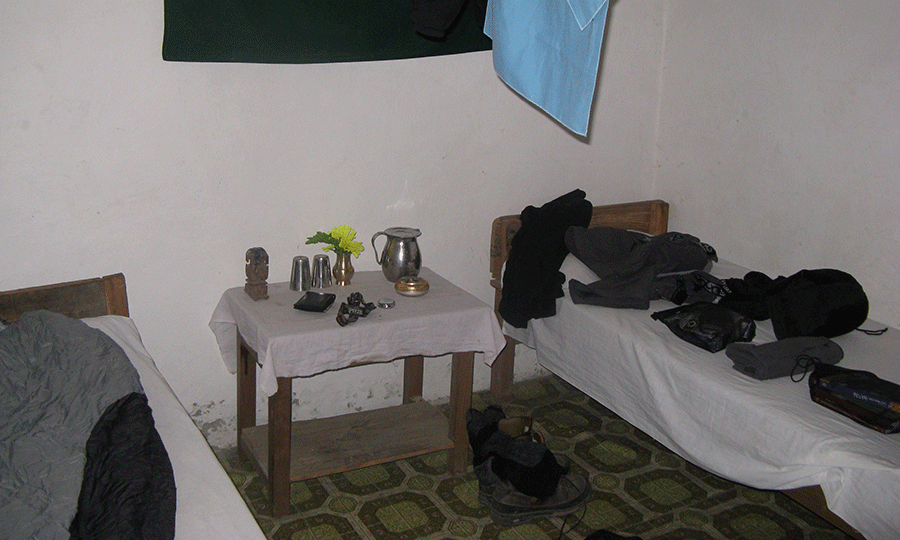
It is important to note that prices may vary depending on the season, with prices being higher during peak trekking seasons like spring and autumn. It is also recommended to bring some cash with you, as credit card facilities may not be available in some remote areas of the trail.
Permits and costs associated with the trek
Permits are required for trekking in the Everest region of Nepal, including the EBC trek. Here are the types of permits required and their associated costs:
TIMS Card (Trekkers’ Information Management System): This card is required for all trekkers in Nepal and costs $20 for individual trekkers and $10 for group trekkers.
Sagarmatha National Park Permit: This permit is required for entry into the Sagarmatha National Park, which is part of the UNESCO World Heritage Site. The cost of the permit is $34 for foreign trekkers and NPR 1,500 (approximately $13) for SAARC trekkers.
Local Government Permit: This permit is required for trekking to certain areas of the Everest region, including Gokyo Valley and Everest Base Camp. The cost of the permit is NPR 2,000 (approximately $18) per person.
In addition to these permits, trekkers are also required to have travel insurance that covers high-altitude trekking.
The cost of the EBC trek varies depending on the level of comfort and the duration of the trek. Here are some estimated costs:
- Budget Trek: $700-$1,000 per person for a 12-14 day trek
- Mid-range Trek: $1,000-$1,500 per person for a 12-14 day trek
- Luxury Trek: $2,000-$5,000 per person for a 12-14 day trek
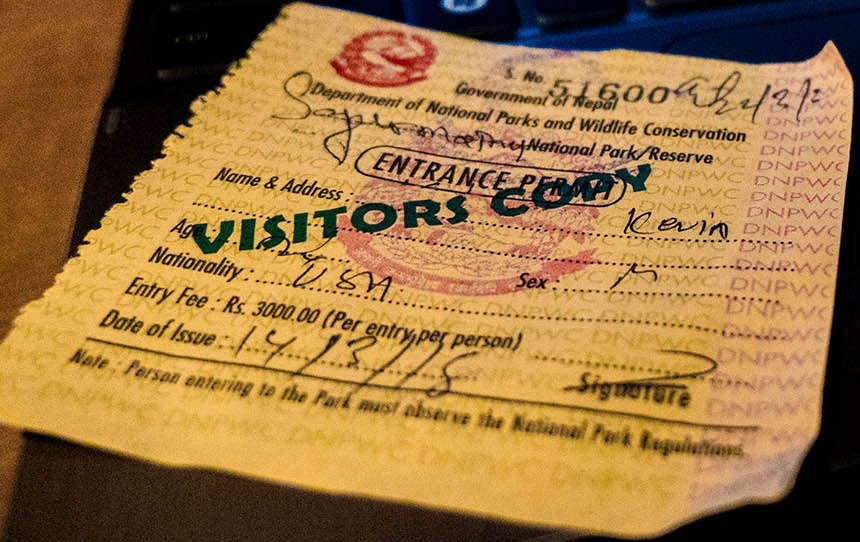
These costs usually include permits, accommodation, meals, and a guide and porter. It is important to note that these costs are estimates and may vary depending on the season, the number of trekkers in your group, and other factors.
No more solo treks. hiring a Guide is mandatory from April 1, 2023
Yes, it is true that from April 1, 2023, it will be compulsory to hire a licensed guide for all treks and expeditions in Nepal. This decision was made by the Nepal government in order to improve safety and security for trekkers and climbers and to reduce the number of accidents and incidents on popular routes.
This means that anyone planning to trek or climb in Nepal will be required to hire a licensed guide from a registered trekking agency. The licensed guide will be responsible for providing guidance, support, and advice during the trek or expedition, and for ensuring that all safety protocols are followed.
There are several benefits to hiring a licensed guide for treks and expeditions in Nepal. First and foremost, a licensed guide will have extensive knowledge and experience of the local terrain, weather conditions, and cultural norms, which can help trekkers and climbers navigate the route safely and efficiently.
In addition, licensed guides are trained in first aid and emergency response, and can provide assistance in the event of accidents or injuries. They can also help with logistics such as arranging permits, transportation, accommodation, and meals, and can provide valuable insight into local customs and traditions.
Overall, the new requirement to hire a licensed guide in Nepal is a positive step towards improving safety and security for trekkers and climbers. By working with licensed guides, travelers can have a more enjoyable and stress-free experience, while also supporting the local tourism industry and contributing to the local economy.
Acclimatization at Namche
Acclimatization is a critical aspect of the Everest Base Camp trek, as it helps trekkers adjust to the high altitude and reduce the risk of altitude sickness. Namche Bazaar is a popular acclimatization stop on the EBC trek, as it is situated at an altitude of around 3,440 meters and offers several opportunities for rest and relaxation.
Here are some of the things that trekkers typically do during their acclimatization day in Namche Bazaar:
Explore the Town: Namche Bazaar is the largest town in the Everest region and is a hub for trekkers and climbers. It offers a range of shops, restaurants, and accommodations, as well as stunning views of the surrounding mountains. Trekkers can spend time exploring the town, visiting local markets, and interacting with the friendly locals.
Hike to Everest View Hotel: One popular acclimatization activity is hiking up to the Everest View Hotel, which is located at an altitude of around 3,880 meters. The hike takes about two hours and offers breathtaking views of Everest and the surrounding peaks. Trekkers can enjoy a cup of tea or coffee at the hotel while taking in the stunning scenery.
Visit the Sagarmatha National Park Museum: The Sagarmatha National Park Museum is located in Namche Bazaar and offers a wealth of information about the local flora and fauna, as well as the history and culture of the Sherpa people. Trekkers can spend time learning about the region and its unique ecosystem.
Rest and Relax: Finally, acclimatization is also about rest and relaxation. Trekkers can take advantage of their time in Namche Bazaar to rest, hydrate, and eat nutritious meals. It is important to listen to your body and take the necessary time to acclimatize properly before continuing on with the trek.
Acclimatization day at Dingbcohe While going up to EBC Trek
Actually, Dingboche is another important acclimatization stop on the Everest Base Camp trek, located at an altitude of around 4,410 meters. It is situated in a wide valley surrounded by some of the highest peaks in the world, including Lhotse and Makalu. The acclimatization day in Dingboche offers an opportunity to rest and adjust to the altitude, while also exploring the local area.
Here are some of the things that trekkers typically do during their acclimatization day in Dingboche:
Hike to Nagarjun Hill: One popular acclimatization activity is to hike up to Nagarjun Hill, which is located at an altitude of around 5,100 meters. The hike takes about three hours and offers stunning views of the surrounding peaks, including Ama Dablam, Makalu, and Lhotse. The view from the top of Nagarjun Hill is truly magical and is well worth the effort.
Explore Dingboche Village: Dingboche is a charming village with traditional Sherpa houses and a Buddhist monastery. Trekkers can spend time exploring the village, interacting with the locals, and learning about their culture and way of life.
Rest and Relax: Like Namche Bazaar, acclimatization is also about rest and relaxation. Trekkers can take advantage of their time in Dingboche to rest, hydrate, and eat nutritious meals. It is important to listen to your body and take the necessary time to acclimatize properly before continuing on with the trek.
Attend a High Altitude Lecture: Many lodges in Dingboche offer high altitude lectures, which provide valuable information about altitude sickness, its symptoms, and how to prevent it. These lectures can be very helpful for trekkers who are not familiar with the effects of high altitude.
Packing list for the Everest Base Camp trek:
Clothing:
- 1 waterproof and windproof jacket
- 1 warm-down or synthetic jacket
- 1 fleece or wool sweater
- 2-3 long-sleeved shirts
- 2-3 short-sleeved shirts
- 1-2 pairs of quick-drying trekking pants
- 1 pair of waterproof pants
- 1-2 pairs of thermal underwear (tops and bottoms)
- 1-2 pairs of hiking socks
- 1-2 pairs of thermal socks
- 1-2 pairs of warm gloves or mittens
- 1-2 warm hats (beanie or wool hat)
Footwear:
- 1 pair of sturdy and comfortable hiking boots (well broken-in)
- 1 pair of lightweight shoes or sandals for walking around the lodges
Accessories:
- 1 daypack (around 20-30 liters)
- 1 duffel bag or backpack (for a porter to carry)
- 1 sleeping bag (rated to at least -15°C)
- 1 sleeping bag liner (optional)
- 1 headlamp or flashlight (with extra batteries)
- 1 pair of sunglasses (with UV protection)
- 1 trekking pole (optional but recommended)
- 1 water bottle (at least 1 liter)
- 1 water purification system (water filter or purification tablets)
- 1 camera with extra batteries or power bank
- 1 small first aid kit (with blister treatment, painkillers, etc.)
Toiletries:
- Sunscreen (SPF 30+)
- Lip balm (with SPF)
- Wet wipes or hand sanitizer
- Toilet paper
- Toothbrush and toothpaste
- Quick-drying towel
- Personal hygiene items
Optional:
- Lightweight down or synthetic jacket for added warmth
- Gaiters (for trekking in snowy or wet conditions)
- Portable charger for electronic devices
- Book or e-reader for entertainment
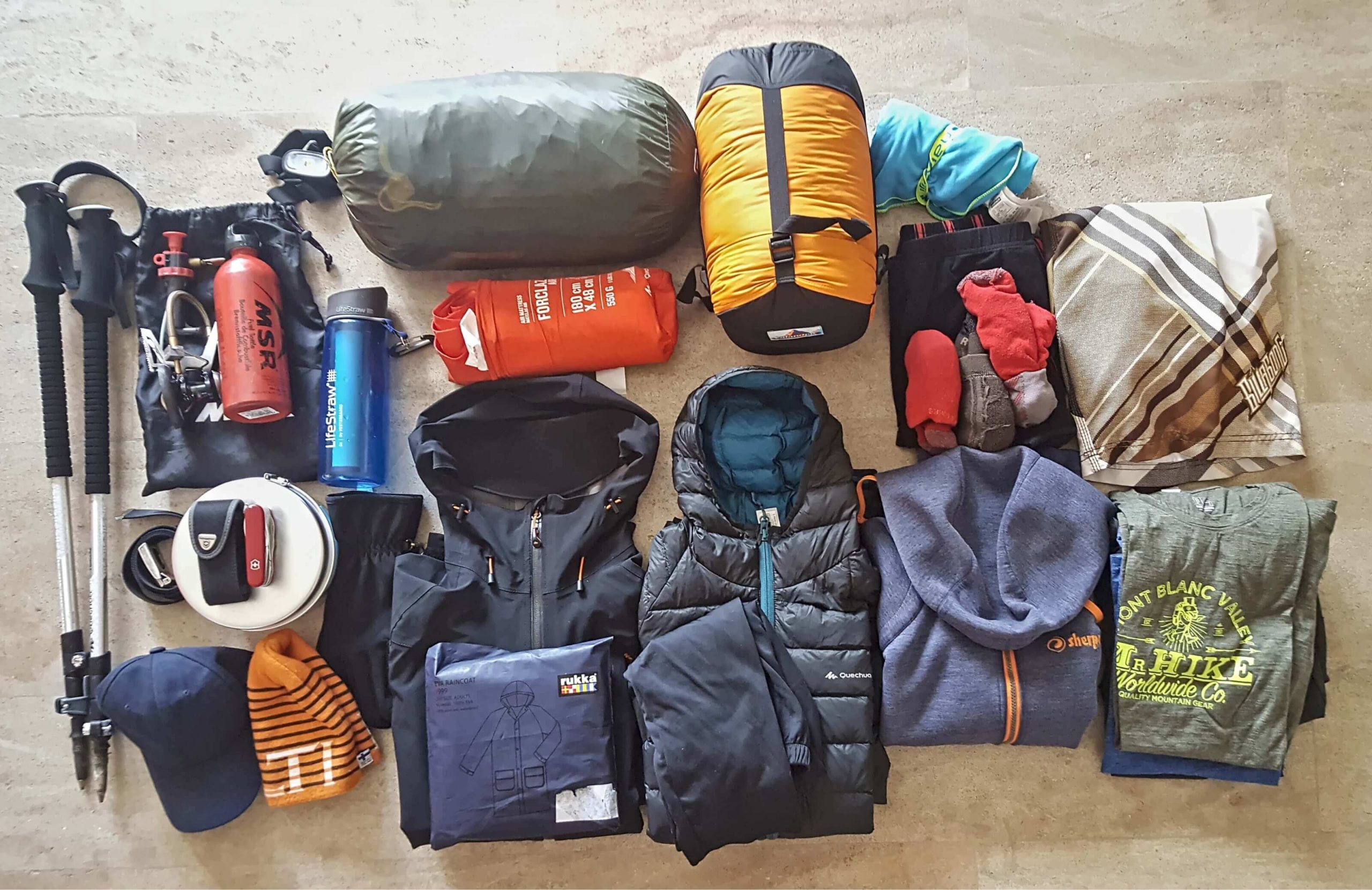
It is important to pack lightly, as porters can only carry up to 15 kg (33 lbs) of gear per person. Consider leaving non-essential items behind or sharing items with fellow trekkers. Also, keep in mind that you can purchase or rent some items in Kathmandu or Namche Bazaar if you forget something.
Things to know before trekking up to EBC
Here are some useful tips to keep in mind before heading to the Everest Base Camp trek
- Train beforehand: The Everest Base Camp trek is a challenging and strenuous trek that requires a good level of fitness. Make sure to train and prepare beforehand by doing cardio and strength training exercises.
- Acclimatize properly: Altitude sickness is a real risk on the Everest Base Camp trek. Take your time to acclimatize properly and listen to your body. If you experience any symptoms of altitude sickness, descend to a lower altitude immediately.
- Stay hydrated: Dehydration can worsen the effects of altitude sickness. Drink plenty of water and fluids to stay hydrated.
- Pack appropriately: Pack according to the weather and climate of the region. Layered clothing is important as temperatures can vary widely during the day.
- Hire a licensed guide: Hiring a licensed guide is highly recommended as they can provide valuable information about the region, assist with navigation, and help with any emergencies that may arise.
- Respect local culture: The Everest region is home to the Sherpa people, who have a unique culture and way of life. Respect their customs and traditions, and avoid taking photos or videos without permission.
- Bring enough cash: Credit cards are not widely accepted in the region, and there are limited ATM machines. Bring enough cash to cover expenses such as food, accommodation, and tips for your guide and porter.
- Stay connected: Stay in touch with your family and friends by bringing a reliable communication device such as a satellite phone or a local SIM card.
- Be prepared for emergencies: Bring a basic first aid kit and medications for common ailments. Also, consider purchasing travel insurance that covers emergency medical evacuation.
- Leave no trace: Practice responsible trekking by carrying out all of your trash and leaving the environment as you found it. The Everest region is a pristine and fragile ecosystem that needs to be preserved for future generations.
Guide and porter salary in Everest base camp trekking
Yes, the salary for guides and porters on the Everest Base Camp trek can vary depending on various factors such as group size, travel agency, and experience level. Generally, the cost for a licensed guide can range from $25-$50 per day, while porters can earn around $18-$20 per day.
It’s important to note that hiring a licensed guide and porter not only provides you with valuable assistance and guidance on the trek but also supports the local economy by providing employment opportunities for people in the region.
In addition to their daily wages, it’s customary to tip your guide and porter at the end of the trek as a sign of appreciation for their hard work and dedication. The amount of the tip can vary depending on various factors such as the quality of service provided and your budget, but a general guideline is to tip around 10-20% of the total trekking cost for your guide and 5-10% for your porter.
How much should I tip for the guide and porter after completing the Everest base camp trek
Tipping your guide and porter is a common practice on the Everest Base Camp trek as a way to show your appreciation for their hard work and support during the trek. The amount of the tip can vary depending on various factors such as the quality of service provided, your budget, and the duration of the trek.
As a general guideline, you can consider tipping around 10-20% of the total cost of the trek for your guide and 5-10% for your porter. So, if you paid $1500 for your trek, you can consider tipping your guide around $150-$300 and your porter around $75-$150.
However, the amount of the tip ultimately depends on your satisfaction with their service and your personal budget. If you feel that your guide and porter went above and beyond to make your trek a memorable experience, you can consider tipping more generously.
It’s important to note that tipping is not mandatory, but it is a meaningful gesture that can go a long way in supporting the local economy and building positive relationships with the local people.
In conclusion, hiring a guide for your Everest Base Camp trek can be a valuable investment for a safe and enjoyable experience. A licensed guide can provide assistance with navigation, cultural interpretation, and emergency situations, while also supporting the local economy. With the help of a knowledgeable guide, you can make the most of your trek and create unforgettable memories.