

KATHAMANDU - LUKLA- NAMCHE BAZAAR- TENGBOCHE - DINGBOCHE - GORAKSHEP-PHERICHE-NAMCHE - LUKLA - KATHMANDU
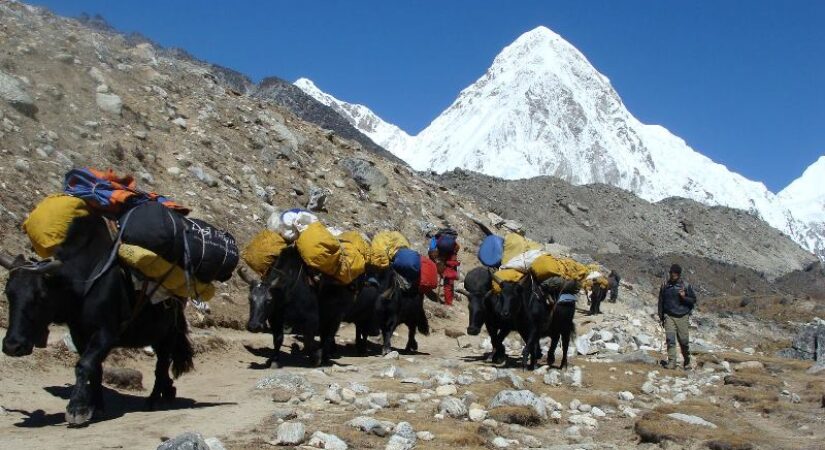


Why Everest Base Camp with Independent Guide?
- Lukla Airport - The gateway to the Everest region, Lukla Airport is a thrilling experience in itself.
- Namche Bazaar - The largest village in the Everest region, Namche Bazaar offers a unique insight into Sherpa culture.
- Tengboche Monastery - The oldest and most important monastery in the Everest region, the Tengboche Monastery is a stunning sight.
- Everest Base Camp - The ultimate destination of the trek, the Everest Base Camp is an awe-inspiring location.
- Kala Patthar - At 5,545 m, Kala Patthar provides some of the best views of Everest and its surrounding peaks.
- Chukhung Valley - An isolated valley with stunning views, Chukhung Valley is home to some of the most beautiful scenery in the region.
- Pangboche Village - A traditional Sherpa village, Pangboche is home to some of the oldest monasteries in the region.
- Tengboche Monastery - The largest monastery in the region, Thyangboche Monastery is a stunning sight to behold.
- Kalapatthar - The highest point of the trek, Kalapatthar offers stunning views of the Mount Everest, Lhotse and Everest Himalayan range.
Everest Base Camp with Independent Guide: Trek Overview:
Everest Base Camp with Independent Guide is one of the most popular and rewarding trekking routes in the world. This incredible journey takes you from the bustling town of Lukla through charming villages and scenic trails to the foot of Mount Everest. Along the way, trekkers are treated to breathtaking views of the Himalayas and have the opportunity to immerse themselves in the rich culture and warm hospitality of the Sherpa people.
Trekking to Everest Base Camp with an independent or freelance guide typically takes around 10 to 14 days, including essential acclimatization days to help prevent altitude sickness. The route passes through iconic locations such as Namche Bazaar, Tengboche, Dingboche, and Gorak Shep, close to the Everest Base Camp itself, where mountaineers prepare for their ascent of the world’s highest peak.
Many trekkers also take the opportunity to hike up Kala Patthar, a nearby viewpoint that offers stunning panoramic views of Mount Everest and the surrounding peaks. For those seeking to extend their adventure, the trek can include a visit to the beautiful Gokyo Valley, known for its serene turquoise lakes and the challenging ascent of Gokyo Ri. More experienced trekkers or those accompanied by knowledgeable guides can also explore the demanding but scenic route via Cho La Pass, which offers even more awe-inspiring mountain landscapes.
Everest Base Camp with an independent guide, it’s crucial to choose someone reliable and experienced who understands the terrain and can ensure your safety throughout the journey. Equally important is having proper travel insurance, securing the necessary permits, and adhering to all local regulations and guidelines.
In summary, trekking to Everest Base Camp with an independent guide is a truly unforgettable experience. It combines stunning natural beauty, physical challenge, and cultural discovery, making it one of the most remarkable adventures for trekking enthusiasts worldwide.
How many Acclimatization days are necessary for the EBC Trek?
Acclimatization is crucial for trekkers ascending to Everest Base Camp due to the high altitude. Two acclimatization days are typically recommended at Namche Bazaar and Dingboche, key stops along the route. At Namche, situated at 3,440 meters, trekkers can explore the town's vibrant markets and museums while their bodies adjust to the altitude. Dingboche Village, at 4,360 meters, offers stunning views of Ama Dablam and Island Peak, providing a picturesque backdrop for rest and acclimatization. These days allow hikers to adapt to the thinning air, reducing the risk of altitude sickness and enhancing overall safety and enjoyment of the trek. Proper acclimatization increases the chances of successfully reaching Everest Base Camp (EBC) and Kalapathar while reducing the health risks associated with high altitude.
Preparing for the Trek to Everest Base Camp
Preparing for the 12-day Everest Base Camp and Kalapatthar trek is crucial for a successful adventure. Both physical and mental readiness are essential. The trek requires long hours of walking at high altitudes, with unpredictable terrain and weather conditions. It’s best to start training at least three months in advance. Focus on exercises that build cardiovascular strength and muscle endurance to help you keep up with the demands of the trek. Mentally, staying positive and resilient is key. Be prepared to face challenges and persist until you reach your goal. Additionally, be aware of altitude sickness and familiarize yourself with its symptoms and treatments. Before you depart, consult a doctor to ensure you are in good health and ready for the journey.
Choosing an Independent Guide vs. a Group Tour:
Choosing between an independent guide and a group tour for your Everest Base Camp trek depends on what you’re looking for. An independent guide offers personalized attention and flexibility, allowing you to customize your trek according to your interests and pace. However, this often comes at a higher cost. In contrast, a group tour provides a structured itinerary and can be more affordable, but it may be less flexible and personalized. Group tours also offer the chance to meet other trekkers and share experiences. Both options have their benefits, so consider what matters most to you—customization or cost efficiency.
Required Permit for Everest Base Camp trek
There are 2 main Permits required for the Everest Base Camp trek in Nepal:
🛂 Sagarmatha National Park Entry Permit:
To enter Sagarmatha National Park, a protected area and UNESCO World Heritage Site, you must obtain a permit. The permit costs NPR 3,000 (approximately USD 25) per person.
🛂 Khumbu Pasang Lhamu Rural Municipality Permit:
This permit is required for entering the Khumbu region, which includes the Everest Base Camp trek route. The permit costs NPR 2,000 (approximately USD 17) per person.
It's important to note that these permits can only be obtained through registered trekking agencies in Nepal. Your independent/freelance guide can assist you in obtaining all the necessary permits for your trek.
Everest Base Camp Trek Difficult
Everest Base Camp (EBC) trek, along with Kala Patthar, is tough and requires endurance, as trekkers face high altitudes, long trails, and unpredictable weather conditions. Trekkers reach elevations up to 5,545 meters, risking altitude sickness. Covering 10–15 kilometers per day over 12–14 days, this trek traverses rocky, uneven trails and is suitable for those with strong physical fitness.. Acclimatization stops at Namche Bazaar and Dingboche to help prevent altitude sickness. Weather conditions fluctuate rapidly, from warmth to severe cold, and can include snowstorms and powerful winds. Good preparation, including cardiovascular and strength training, is essential. Trekkers stay in basic teahouses along the route. Despite the difficulties, the stunning scenery and sense of accomplishment make it worthwhile.
The salary for an independent/freelance guide on the Everest Base Camp Trek varies depending on several factors such as the guide's level of experience, the length of the trek, and the level of service offered to clients. On average, a freelance guide on the Everest Base Camp Trek can expect to earn anywhere from $30 to $50 per day. However, the salary can increase significantly for more experienced guides or those offering a higher level of service, such as private guiding or customized itineraries. It's important to note that the salary for a freelance guide in Nepal is negotiable and can be determined through negotiations between the guide and the client.
Everest Base Camp Weather, Temperature, & Safety:
The weather during an EBC trek varies depending on the time of year. The monsoon season (July–August) brings heavier rainfall and more cloud cover, while the post-monsoon and winter seasons (September–June) are generally drier with clearer skies. However, temperatures can still drop below freezing at night and high altitudes, even in the warmer months.
In terms of safety, trekkers should be prepared for the challenges of high altitude, including altitude sickness, which can occur above 2,500 meters. It is important to acclimatize gradually and listen to your body. Other safety precautions include being properly equipped with warm clothing, good-quality hiking gear, and carrying adequate supplies of food and water. It is essential to recognize the dangers of hypothermia and frostbite, particularly when trekking at high altitudes in cold weather.
Reasons to hire an Independent Guide for the Everest Base Camp Trek:
⮞ Personalized Attention: Get focused support tailored to your needs.
⮞ Direct Local Support: Ensure your money goes directly to the community.
⮞ Richer Cultural Insights: Deep local knowledge for a more immersive experience.
⮞ Flexibility and Responsiveness: Your guide is capable of adapting plans easily.
⮞ Cost-Effective: Cut out middleman fees for a budget-friendly option.
⮞ Responsible Tourism: Support sustainable practices and local livelihoods.
⮞ Customizable Itineraries: Enjoy a trek tailored to your preferences.
⮞ Environmental Awareness: Minimize your ecological impact by adopting sustainable practices.
⮞ Build Meaningful Connections: Forge lasting friendships along the journey.
Everest Base Camp with Independent Guide Outline
Day 1: Lukla (2,840m) to Phakding (2,610m)
Day 2: Phakding to Namche Bazaar (3,440m)
Day 3: Namche Bazaar
Day 4: Namche Bazaar to Tengboche (3,860m)
Day 5: Tengboche to Dingboche (4,410m)
Day 6: Dingboche
Day 7: Dingboche to Lobuche (4,910m)
Day 8: Lobuche to Gorak Shep (5,164m) to Everest Base Camp (5,364m) and back to Gorak Shep
Day 9: Gorak Shep to Kala Patthar (5,545m) and back to Pheriche (4,240m)
Day 10: Pheriche to Namche Bazaar
Day 11: Namche Bazaar to Lukla
Day 12: Lukla to Kathmandu
What's included?
- Trekking Permit for Everest- Sagarmatha National Park.
- Pasang Lamu Village Municipality Entry Permit,
- All essential documents for your Trip,
- Everest Base Camp Expert Guide-who have trekked more than 80 times,
- Guide Salary, His all Expenses,
- Salary of Field Staff, their Food, Insurance, and other Necessities,
- Comfortable Tea House Accommodation and Breakfast During the Trek ( Lukla-EBC-Lukla),
- Rescue service management( by paid from your insurance company)
What's not included?
- Your entry Visa fee for Nepal,
- Your Travel insurance and international Flight Ticket,
- Lunch & Dinner during the trek,
- Lukla Flight Tickets,
- Personal expenses if it is out of our services,
- Alcohol and Non Alcohol drinks, including Mineral Water
- Rescue service by a Chopper,
- Tipping the guide and porter is highly recommended after walking for nearly two weeks in high-altitude terrain."
Day by Day Itinerary
DAY
Day 01
Fly from Kathmandu to Lukla than Trek to Phakding Village
30 Min Flight & 3 Hrs Trek Breakfast, lunch & Dinner Lodge in Phakding
Brief Itinerary and Highlights:
- Distance: 8 km
- Walking Time: 3-4 hours
- Trail Difficulty: Easy
- Village: Phakding
- Scenery: Scenic flight from Kathmandu to Lukla, stunning mountain views, and lush green hills.
- Highlights: First glimpses of the Himalayan landscape, traditional Sherpa villages, and a gentle start to the trek.
To fly from Kathmandu to Lukla and trek to Phakding (2,652 m/8,699 ft) is a journey of 8 km and takes approximately 3 hours. The flight duration is approximately 30 minutes. Along the way, one can experience the stunning mountain scenery and the unique culture of the Sherpa people. Experience the beauty of the Himalayas on this trek, which offers an unforgettable way to explore the region.
DAY
02
Trek from Phakding to Namche Bazaar(3450m)
6-7 Hour Trek Breakfast, Lunch & Dinner Lodge
Brief Itinerary and Highlights:
- Distance: 11 km
- Walking Time: 5-6 hours
- Trail Difficulty: Moderate to Challenging
- Village: Namche Bazaar
- Scenery: Beautiful forested paths, river crossings, and breathtaking views of the Himalayas.
- Highlights: Crossing the Dudh Koshi River, impressive suspension bridges, and the first sighting of Everest in the distance.
The journey from Phakding to Namche Bazaar covers approximately 12 kilometers and offers a truly breathtaking introduction to the Himalayan landscape. This section of the trek takes you across several suspension bridges and through lush forests, with spectacular views of the surrounding snow-capped peaks along the way.
Namche Bazaar is a well-known and essential stop on the Everest Base Camp trek. It is renowned for its lively atmosphere, friendly locals, and a wide variety of restaurants, cafes, and shops that cater to trekkers from around the world.
This leg of the trek typically takes about 6 to 7 hours to complete and involves a significant altitude gain of around 1,000 meters. Due to the considerable elevation change, it’s important to walk at a steady pace, take frequent breaks, and allow your body time to acclimate. Proper acclimatization at this stage is crucial to ensure a safe and enjoyable trekking experience in the higher altitudes to come.
DAY
03
Rest / Acclimatization Day at Namche Bazaar
2-3 Hours sight walk Breakfast, Lunch & Dinner Tea House
Brief Itinerary and Highlights:
- Distance: 5-6 km (day hike to Everest Viewpoint)
- Walking Time: 2-3 hour
- Trail Difficulty: Moderate
- Village: Namche Bazaar
- Scenery: Panoramic views of Everest, Lhotse, and Ama Dablam from the Everest Viewpoint.
- Highlights: Visiting local markets and museums, acclimatization hikes to higher altitudes.
Rest days are an essential part of the Everest Base Camp Trek, and Namche Bazaar is one of the most popular places to spend them. On a rest day in Namche Bazaar, trekkers can explore the town and its surroundings, acclimate to the altitude, and take time to relax while enjoying the stunning mountain views. There are several rewarding activities available, such as visiting the Sherpa Culture Museum, hiking up to the Everest View Hotel for a breathtaking panorama of the Himalayas, or walking to the nearby village of Khumjung to see the Khumjung Monastery.
DAY
04
Namche Bazaar to Tengbcohe(3,780m)
5-6 Hour Trek Breakfast, Lunch & Dinner Tea House
Brief Itinerary and Highlights:
- Distance:10 km
- Walking Time: 5-6 hours
- Trail Difficulty: Moderate
- Village: Tengboche
- Scenery: Pine forests, river valleys, and dramatic mountain vistas.
- Highlights: The famous Tengboche Monastery, stunning views of Everest, Lhotse, and Ama Dablam.
Trekking from Namche Bazaar to Tengboche via Kyanjuma, Sanasa, Lausasa, Funki Thaga offers a thrilling journey through the heart of the Himalayas. Starting amidst Namche's bustling streets, the trail ascends through rhododendron forests and alpine meadows, providing glimpses of Everest and Ama Dablam. After crossing Sanasa and Lausasa, you'll navigate rocky terrain towards Funki Thaga's crest, enjoying panoramic views of the Dudh Koshi River valley. Descending gently, Tengboche's iconic monastery comes into view, perched majestically against a backdrop of towering peaks. This 10-km trek, spanning 5 to 6 hours, encapsulates the beauty and serenity of the Khumbu region, leaving trekkers with unforgettable memories.
DAY
05
Tengboche to Dingboche (4,360m)
5 Hour Trek Breakfast, lunch & Dinner Tea House
Brief Itinerary and Highlights:
- Distance: 12 km
- Walking Time: 5-6 hours
- Trail Difficulty: Moderate
- Village: Dingboche
- Scenery: Scenic trails with alpine vegetation, views of the Imja Tse (Island Peak), and open valleys.
- Highlights: Gorgeous views of the surrounding peaks and a chance to explore Dingboche village.
Leaving Tengboche, you'll start your trek with a descent through a forested area. The path is mostly downhill, winding through a beautiful forest of pine and rhododendron trees. As you walk, you might hear the sounds of birds and see the occasional deer or other wildlife. As the forest gradually clears, it reveals expansive views of the valley below.
After a while, the trail levels out and follows the Imja Khola River. Along the way, you'll cross several suspension bridges, offering beautiful views of the river and the surrounding hills. The path here is relatively gentle, making for a pleasant walk with the distant peaks of the Himalayas often visible in the background.
As you continue, the trail begins to climb gradually. The terrain becomes more rugged, and you’ll start to notice the altitude as you gain elevation. This section of the trek offers fantastic views of the towering peaks, including Ama Dablam, which looms majestically ahead.
Approaching Dingboche, the trail traverses a series of grassy meadows and small villages. The scenery changes as you leave the lower forested areas and enter the more barren, high-altitude landscape. Dingboche itself is a charming village set against a backdrop of towering peaks. It’s a popular stop for trekkers to acclimatize before continuing to Everest Base Camp. The community offers several lodges where you can rest and enjoy the stunning mountain views.
DAY
06
Dingboche Acclimatization day
3-4 Hours Hike to Nangarkhan hill Breakfast, lunch & Dinner Tea House
Brief Itinerary and Highlights:
- Distance: 2-3 km (day hike to Nagarkhan Hill or Chhukung Ri)
- Walking Time: 2-3 hours
- Trail Difficulty: Moderate
- Village: Dingboche
- Scenery: Panoramic views of the surrounding peaks, including Makalu and Cho Oyu.
- Highlights: include a day hike for acclimatization and breathtaking views of the Himalayas.
Today is an acclimatization day in Dingboche, providing an opportunity to explore and enjoy the surrounding beauty.We embark on a morning hike to Nangrakhan Hill, situated behind the village. The trail is rugged, taking about 3-4 hours to ascend. As we climb, the panorama gradually unfolds, revealing a mesmerizing tapestry of mountain peaks. From the vantage point atop Nangrakhan Hill, we're treated to unparalleled views of Makalu, Lhotse, Everest, Nuptse, and a myriad of other majestic summits. The sheer grandeur of these towering giants against the backdrop of the azure sky is truly awe-inspiring. After soaking in the breathtaking scenery, we descend back to Dingboche, rejuvenated and ready for the next leg of our adventure.
DAY
07
Dingbcohe to Lobuche
5-6 Hour Trek Breakfast, Lunch & Dinner Lodge/Tea House
Brief Itinerary and Highlights:
- Distance: 8 km
- Walking Time: 4-5 hours
- Trail Difficulty: Moderate
- Village: Lobuche
- Scenery: Rugged terrain, icy rivers, and breathtaking mountain vistas.
- Highlights: Views of the Khumbu Glacier and the towering peaks surrounding Lobuche.
The trek from Dingboche to Lobuche is a captivating journey through the heart of the Himalayas, punctuated by a poignant stop at Thukla and the Memorial Hills. As we depart Dingboche, the trail winds its way through rugged terrain, with towering peaks looming overhead. After a few hours of trekking, we reach Thukla, a significant resting point along the route. Here, we pause for lunch amidst the serene mountain landscape, refueling our bodies for the remainder of the journey.
Leaving Thukla behind, we continue our trek towards Lobuche, passing through the Memorial Hills. This somber yet awe-inspiring site serves as a tribute to the mountaineers who lost their lives while attempting to summit Everest and other peaks in the region. Prayer flags flutter in the mountain breeze, and chortens adorned with colorful prayer flags dot the landscape, creating a sense of reverence and reflection.
As we traverse the Memorial Hills, we are reminded of the immense challenges and risks inherent in mountaineering, but also of the indomitable spirit and resilience of those who dare to venture into the world's highest peaks. The scenery is both haunting and beautiful, with panoramic views of the surrounding mountains serving as a poignant backdrop to the memorial site.
With each step, we inch closer to Lobuche, our hearts heavy with the weight of the mountains and the memories they hold. Yet, there is also a sense of determination and gratitude for the opportunity to experience such raw beauty and profound humanity in this remote corner of the world. As we finally arrive in Lobuche, we carry with us the stories of those who came before us, their legacy etched into the very fabric of the mountains themselves.
DAY
08
Lobuche to EBC Than back to Gorakshep(5180m)
8 Hour Trek Breakfast, lunch & Dinner Tea House
Brief Itinerary and Highlights:
- Distance: 12 km (round trip)
- Walking Time: 7-8 hours
- Trail Difficulty: Challenging
- Village: None (Base Camp is a high-altitude camp)
- Scenery: Glacial landscapes, rugged terrain, and the iconic Everest Base Camp.
- Highlights: Reaching Everest Base Camp, dramatic views of the Khumbu Icefall, and the massive Everest summit.
Trekking from Lobuche to Everest Base Camp (EBC) and back to Gorakshep is a challenging yet exhilarating journey. The first hour is a gentle hike through picturesque valleys, followed by a rugged two-hour ascent over rocky terrain to reach Gorakshep. After a quick meal, trekkers continue to EBC with daypacks, a 4-5 hour round trip from Gorakshep. The awe-inspiring landscape features the iconic Khumbu Icefall in full sight." Despite fatigue, reaching EBC brings a sense of achievement. Back in Gorakshep, sleep is elusive due to altitude concerns. Yet, trekkers find solace in their accomplishment, having embraced the spirit of the Himalayas.
DAY
09
Gorakshep to Pangboche(4,000m)
8 Hour Trek Breakfast, Lunch & Dinner Tea House
Brief Itinerary and Highlights:
- Distance: 12 km (round trip)
- Walking Time: 6-8 hours
- Trail Difficulty: Challenging
- Village: Pheriche
- Scenery: Sunrise views from Kala Patthar, stunning panoramic mountain vistas, and the descent back through the high Himalayas.
- Highlights: Sunrise at Kala Patthar, breathtaking views of Everest and surrounding peaks, and the descent to Pheriche.
Starting early from Gorakshep, we embark on a 3-hour trek to Kala Patthar for a mesmerizing close-up view of Everest, Nuptse, Lhotse, Ama Dablam, and more. After capturing the awe-inspiring scenery, we return to Gorakshep, retrieve our backpacks, and begin the 5-hour descent to Pangboche via Lobuche, Thukla, and Pheriche. The trail offers panoramic vistas of the Himalayas and picturesque Sherpa villages. Arriving in Pangboche, we settle in for a well-deserved rest, reflecting on the day's adventures amidst the tranquility of the mountains.
DAY
10
Pangboche to Namche(3,450m)
5-6 Hour Trek Breakfast, Lunch & Dinner Tea House
Brief Itinerary and Highlights:
- Distance: 14 km
- Walking Time: 6-7 hours
- Trail Difficult: Moderate
- Village: Namche Bazaar
- Scenery: Beautiful forests, river valleys, and the return to the bustling village of Namche Bazaar.
- Highlights: Retracing the trek with a mix of familiar and new views.
The trek from Pangboche to Namche Bazaar is a picturesque journey spanning around 11 kilometers and taking approximately 5 to 6 hours. Descending from Pangboche, you traverse through verdant forests and cross charming streams, all while enjoying panoramic mountain vistas. Passing by the iconic Tengboche Monastery, you're immersed in the spiritual atmosphere of the region. Crossing sturdy suspension bridges over deep gorges adds an adventurous touch to the trek. As the trail gradually ascends towards Namche Bazaar, the vibrant hub of the Khumbu region comes into view, nestled amidst the majestic Himalayan peaks, welcoming trekkers with its bustling markets and cozy lodges.
DAY
11
Trek from Namche to lukla
7 Hour Trek Breakfast, Lunch & Dinner Tea House
Brief Itinerary and Highlights:
- Distance: 11 km
- Walking Time: 5-6 hours
- Trail Difficulty: Moderate
- Village: Lukla
- Scenery: Scenic descent with final views of the Himalayas and the flight back to Kathmandu.
- Highlights: The final trek to Lukla and the thrilling flight back to Kathmandu.
The trek from Namche Bazaar to Lukla covers about 18 kilometers over 6 to 7 hours. Starting from Namche's lively streets, you descend steep trails with stunning mountain views, passing through quaint Sherpa villages along the way. Crossing sturdy suspension bridges over rushing rivers adds excitement to the journey. As the trail levels out, you ascend gradually towards Lukla. The final stretch may include some uphill sections before reaching Lukla's bustling town center. Upon arrival, trekkers unwind, reflecting on their adventure amidst the Himalayan backdrop, marking the end of their trekking expedition in the Khumbu region.
DAY
12
Fly from Lukla to Kathmandu
30 Minute Flight Breakfast Hotel in Kathmandu
Flying from Lukla to Kathmandu is a short yet exhilarating experience that offers spectacular views of the Himalayan landscape. Lukla, located in Nepal’s Everest region, is renowned for its challenging airstrip surrounded by towering peaks. A flight covering 138 kilometers (86 miles) typically lasts around 25 to 30 minutes.
During the journey, passengers are treated to breathtaking aerial views of snow-capped mountains, deep valleys, and charming villages nestled in the hills. Despite its brief duration, the flight is often considered thrilling, as small aircraft skillfully navigate through the mountainous terrain.
Upon arrival in Kathmandu, travelers can look forward to exploring Nepal’s vibrant capital city, known for its rich culture, historical landmarks, and lively markets.
Departure Dates
Sorry, No fixed departure dates are listed to group join, please request private trip
Experience the magic of the Himalayas this spring with our exclusive offer for the Everest Base Camp trek with a freelance guide. Book now and receive a 10% discount on the trek, as well as complimentary airport pickup and drop-off service. Don't miss this incredible opportunity to trek to the base of the world's highest mountain with our expert team.
Reviews

Rebecca Rainey
Poland
Exceptional Experience with Local Expertise
2023, OctoberMy name is Rebecca Rainey from Poland, and I had an amazing experience trekking to Everest Base Camp with Santu, an independent guide in Nepal. Santu was knowledgeable, friendly, and very supportive throughout the journey. He made sure everything was well-organized and safe. The breathtaking views and Santu’s guidance made this trip unforgettable. I highly recommend Santu for anyone planning to trek in Nepal. Thank you, Santu, for an incredible adventure! Feel free to modify any part of it to better fit your personal experience!
Essential Information
Weather in Lukla(2860m
Lukla, a town in the Khumbu region of Nepal, serves as a popular starting point for treks to Everest Base Camp. The weather in Lukla varies throughout the year due to its altitude and the influence of the Himalayan climate. Here's a description of the weather in Lukla during October and November, as well as March, April, and May:
October and November (Autumn):
Lukla experiences clear skies and stable weather during the autumn months.
The temperatures during the day are mild, ranging from around 10°C to 15°C (50°F to 59°F) but can drop significantly at night, reaching below freezing.
October and November are considered the best months for trekking to Everest Base Camp due to the clear views, moderate temperatures, and minimal precipitation.
March, April, and May (Spring):
Spring is another popular time for trekking in Lukla and the Everest region.
March sees the transition from winter to spring, with temperatures slowly rising and days becoming longer.
April is one of the most favored months for trekking due to the stable weather conditions, clear skies, and blooming rhododendrons along the trail.
May marks the onset of the pre-monsoon season, with warmer temperatures during the day ranging from 10°C to 20°C (50°F to 68°F).
However, towards the end of May, the likelihood of afternoon showers and occasional thunderstorms increases as the monsoon approaches.
Overall, both autumn and spring offer favorable weather conditions for trekking in Lukla, with clear skies, mild temperatures, and minimal precipitation. However, trekkers should always be prepared for sudden weather changes and fluctuations in temperature, especially at higher altitudes. It's essential to check the weather forecast regularly and pack appropriate clothing and gear for the trek.
Weather at Everest Base Camp
The weather at Everest Base Camp varies significantly throughout the year due to its high altitude and Himalayan location. During the peak trekking seasons of spring (March to May) and autumn (October to November), temperatures range from -10°C to 10°C (14°F to 50°F) during the day, dropping below freezing at night. These months offer clearer skies and stable weather conditions, ideal for trekking. However, during the winter months (December to February), temperatures plummet, with daytime highs averaging around -17°C (1°F) and bitterly cold nights. The monsoon season (June to September) brings heavy rainfall, making trekking challenging and hazardous.
Is Acclimatization compulsory for Everest Base Camp trek?
Yes, acclimatization is absolutely necessary for the Everest Base Camp (EBC) trek. The trek involves significant altitude gain, reaching over 5,000 meters (16,500 feet) at EBC. Proper acclimatization allows the body to adjust gradually to the decreasing oxygen levels at higher altitudes, reducing the risk of altitude sickness and other related health issues such as headaches, nausea, and fatigue. It's recommended to schedule rest days during the trek to allow the body time to acclimatize. Additionally, ascending slowly, staying hydrated, and listening to your body's signals are crucial for a safe and enjoyable EBC trek.
Gorakshep to Kalapthar Trails and Distance
Kala Patthar is a famous viewpoint in the Everest region of Nepal, offering stunning panoramic views of Mount Everest and surrounding peaks. It is located at an altitude of 5,643 meters (18,514 feet). Gorak Shep is a small settlement in the Everest region, often used as a base for trekkers before their final ascent to Everest Base Camp.
The distance from Gorak Shep to Kala Patthar is approximately 2.2 kilometers (about 1.4 miles) one way. The trail to Kala Patthar from Gorak Shep is a challenging uphill hike, mostly consisting of rocky terrain and loose gravel. It typically takes around 1.5 to 2 hours to hike from Gorak Shep to Kala Patthar, depending on individual fitness levels and acclimatization.
Here's a brief description of the trail:
Start from Gorak Shep: Begin your hike from the teahouses or lodges in Gorak Shep. The trail initially follows a relatively flat path as it heads northeast out of the settlement.
Ascend gradually: As you proceed, the trail starts to ascend gradually, and you'll encounter rocky terrain. Take your time and maintain a steady pace, especially considering the high altitude.
Steeper sections: As you approach Kala Patthar, the trail becomes steeper, and you may need to take more frequent breaks to catch your breath and acclimate to the altitude.
Final ascent: The last section of the trail to Kala Patthar involves a steep climb up a rocky slope. This part can be physically demanding, but the rewarding views await you at the summit.
Summit of Kala Patthar: Once you reach the top of Kala Patthar, take some time to soak in the breathtaking views of Mount Everest, neighboring peaks, and the Khumbu Glacier below. Remember to dress warmly as it can be quite cold and windy at this altitude.
After enjoying the views from Kala Patthar, you'll return via the same trail back to Gorak Shep. The descent is generally faster but requires caution due to the loose terrain. Take your time, watch your footing, and enjoy the scenery on your way back. It's essential to stay hydrated and listen to your body's signals, especially at high altitudes.
Best month to trek to Everest Base Camp (EBC)
The best month to trek to Everest Base Camp (EBC) typically depends on personal preferences, weather conditions, and trekking experience. However, generally, the most popular and recommended months for trekking to Everest Base Camp are during the spring and autumn seasons:
Spring (March to May): This is considered the best time to trek to EBC due to stable weather conditions, clear skies, and moderate temperatures. The trails are also adorned with blooming rhododendrons and other flowers, adding to the scenic beauty.
Autumn (September to November): Another excellent time for trekking to EBC. The weather is generally clear, and the skies are crisp, offering stunning views of the Himalayan peaks. The temperatures are also pleasant during this time, making it ideal for trekking.
During these months, you're more likely to encounter other trekkers on the trail, and the teahouses along the route are fully operational. It's essential to note that weather in the mountains can be unpredictable, so it's advisable to check the forecast and be prepared for sudden changes regardless of the season. Additionally, be aware that spring and autumn are the peak seasons, so the trails and teahouses can be crowded, and booking accommodations in advance is recommended.
Acclimatization day in Dingboche,
During your acclimatization day in Dingboche, it's essential to engage in light activities to aid the adjustment to altitude. Consider a hike to Nagarjun Hill or Chhukung Ri for stunning views, explore the village's cultural offerings like the local bakery or monastery, and take time to rest and hydrate at your lodge. Attend informational sessions about altitude sickness and monitor your body for any symptoms. This day serves as a crucial step in acclimatizing to the high altitude of Everest Base Camp trek, ensuring a safer and more enjoyable journey ahead.
Cancellation Note
- Free cancellation up to 60 days prior departure
- 30% of the total cost of the trip will be charged if cancelled between 60 to 30 days prior to departure date
- 60% of total cost of the trip will be charged if cancelled in between 30 to 14 days prior to departure date.
Web design & Developed by Wildstone Solution
