

How Much Does the Annapurna Base Camp Trek Cost?
5 Aug 2025 Santosh Gauli
Introduction: Annapurna Base Camp Trek Cost
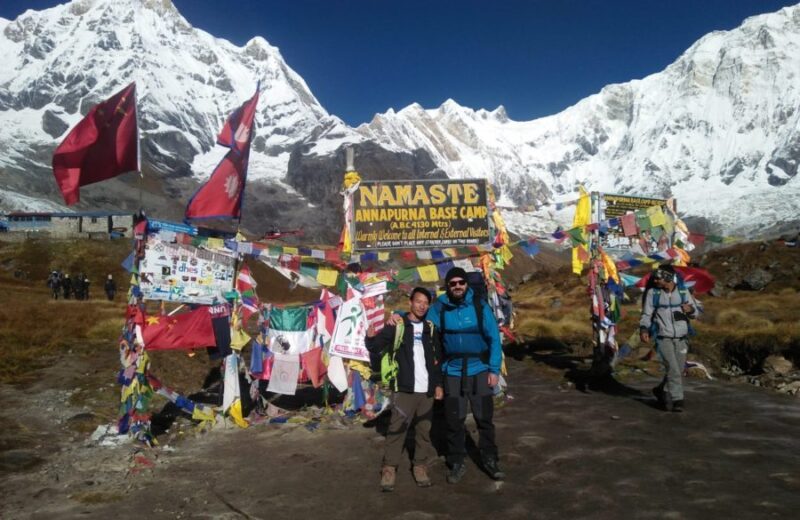
When planning the Annapurna Base Camp (ABC) trek, it is important to understand that the cost can vary a lot depending on how you do the trek. There are several ways to reach ABC, and each way affects how much you will spend.
The classic and popular route goes through Ghorepani and Poon Hill. This route is longer and takes about 10 to 12 days to complete. Many people choose this path because of the beautiful views and the famous Poon Hill sunrise. But because it takes more days, the cost of the trek will be higher.
If you want a shorter trip, there is a more direct route that goes straight to Annapurna Base Camp and back. This shorter trek usually takes about 5 to 6 days, starting from Pokhara. This option saves time and money, but is less popular and has fewer attractions like Poon Hill.
Another option is to start from places like Phedi, Kande, or Australian Camp. This trek is usually 7 to 8 days long and is quieter because fewer people use this route. It is good for trekkers who want fewer crowds and a peaceful experience.
Because these options have different lengths and start points, the total cost changes. A typical one-week Annapurna Base Camp trek with a guide, porter, food, accommodation, and permits will cost between 500 and 700 USD. Choosing a longer route or extra services will increase the cost.
Understanding these options helps you plan your budget and choose the best trek for you.
Why Budgeting Matters for the Annapurna Base Camp Trek
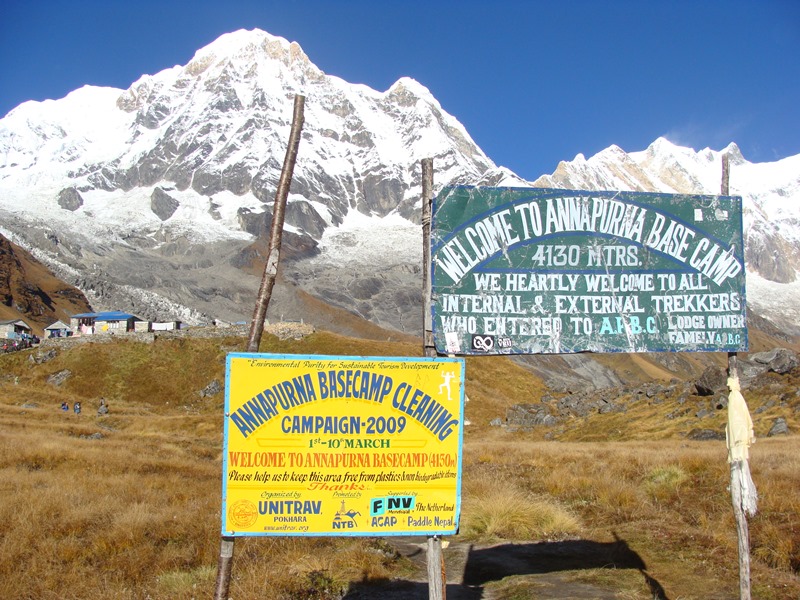
Budgeting is important for the Annapurna Base Camp trek because it helps you prepare for all the expenses you will face during your journey. Trekking in Nepal involves many costs beyond just the permit fees and guide charges. You need to consider transportation, accommodation, food, gear, insurance, and tips.
If you do not budget properly, unexpected costs may cause problems and stress while trekking. Some expenses, like emergency medical help or helicopter rescue, can be very expensive. Without insurance or savings, these costs can ruin your trip.
Also, budgeting helps you choose the right trekking package or plan a trek independently within your means. It allows you to decide what services you want to include, such as hiring a porter or staying in better lodges.
By knowing your budget, you can avoid overspending and make your trek safer and more enjoyable. It also ensures you have enough money for emergencies and extras like souvenirs or internet access.
In short, good budgeting makes your Annapurna Base Camp trek smooth, affordable, and stress-free.
Overview of the Annapurna Base Camp Trek
The Annapurna Base Camp (ABC) Trek is one of the most popular trekking routes in Nepal, offering stunning mountain views and a close encounter with the Annapurna massif. This trek can be enjoyed as a classic route or combined with other nearby treks like the Mardi Himal Trek or the Poon Hill Trek for an extended adventure. Many trekkers choose to add Poon Hill to their itinerary for a breathtaking sunrise view over the Annapurna and Dhaulagiri ranges.
The best time to go on the ABC trek is during the autumn (September to November) and spring (March to May) seasons when the weather is clear and the temperatures are moderate. Winter trekking is possible but more challenging due to cold weather and potential snow, while the monsoon season (June to August) is less popular because of heavy rainfall and slippery trails.
The ABC trek difficulty is considered moderate, suitable for most healthy and fit trekkers, including solo trekkers. It involves gradual elevation gain, starting from beautiful villages like Nayapul or Jhinu Danda, passing through charming stops like Ghorepani (famous for the Poon Hill viewpoint), Chhomrong, and Bamboo, before reaching the base camp at around 4,130 meters.
Many trekkers prefer solo trekking to the Annapurna Base Camp for the solitude and opportunity to connect with nature, but guided treks and porter services are also widely available for support. The route passes through diverse landscapes, including rhododendron forests, terraced fields, and alpine zones.
For those with more time, the trek can be extended to include the Mardi Himal Trek or the full Annapurna Circuit. Both options add more days of trekking and additional spectacular mountain scenery.
Overall, the Annapurna Base Camp Trek is a rewarding experience for adventure lovers, offering spectacular Himalayan panoramas, rich cultural encounters, and a well-supported trekking infrastructure.

ABC Trek Cost Breakdown (Per Person)
- Annapurna Conservation Area Permit (ACAP) – USD 25
(TIMS card is not required anymore) - Transportation
- Kathmandu to Pokhara (Tourist Bus) – USD 10–13
- Pokhara to Kande Car – USD 20
- Jhinu to Pokhara (Sharing Jeep) – USD 15
- Pokhara to Kathmandu (Tourist Bus Return) – $10-13 USD
- Trekking Guide – $25–70 USD per day
- Porter (Optional) – $20–25 USD per day
- Accommodation (Tea Houses) – $5–USD 10 per night
- Meals & Drinks on the Trek – $20–25 USD per day
- Trekking Gear Rental (Optional)
- Sleeping bag: $2–3/day
- Down jacket: $2–3/day
- Other Expenses
- Hot shower, Wi-Fi, charging – $30–35 USD total
- Tips for guide and porter – $80–100 USD
Local vs. International Trekking Company Packages
Local trekking agencies in Nepal usually offer cheaper packages for the Annapurna Base Camp trek. Their prices are often 30% to 50% lower than international agencies. This is because they have less overhead cost and work directly with local guides and porters. You can find good packages from about $500 to $800, which include permits, a guide, and basic meals.
International trekking agencies charge more for the same trek. Their prices can range from $800 to $1500 or more. They often include extra services like private transport, better accommodation, and insurance. These agencies spend more on marketing and have foreign staff, so their costs are higher. Many travelers choose international agencies for the extra comfort and support, even if it costs more.
Local agencies use guides who are from the trekking region. These guides know the trails well and offer a true local experience. The guides speak English, but sometimes with a simple accent. Accommodation is usually in standard lodges or tea houses, and meals are simple but good. Local agencies handle permits and paperwork well, often including these costs in the package price.
International agencies may have more professional guides, sometimes from abroad. They offer better lodge options and more meal choices. Transport is often private and includes airport pickups or even internal flights. These agencies provide more safety features and often have insurance and emergency helicopter rescue included. Communication and support before and after the trek are usually stronger with international companies.
In summary, local trekking agencies are great for travelers on a budget who want a real cultural experience. International agencies suit those who want more comfort and full support during the trek. Both offer good services, but the price and style of service are the main differences. Choosing depends on what you want from your Annapurna Base Camp trek.
Cost Range with Local Trek Operators
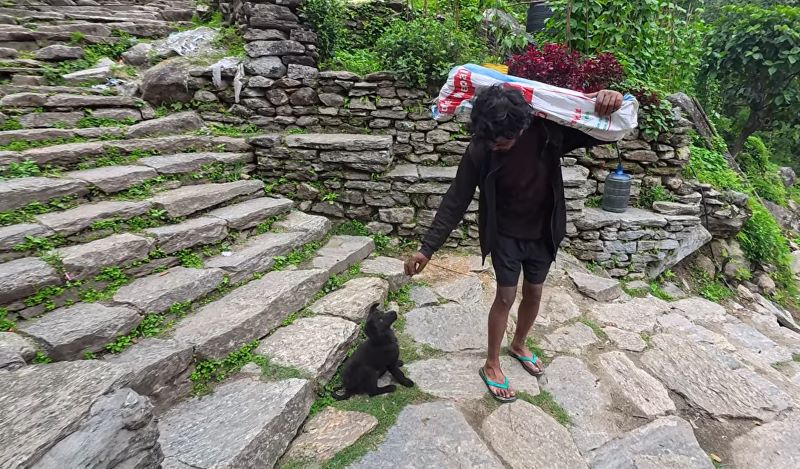
Local trekking operators in Nepal provide competitively priced packages for the Annapurna Base Camp trek, typically ranging between $500 and $700 for a standard 7 to 10-day itinerary. These packages generally encompass essential services such as experienced local guides, porters, necessary trekking permits, comfortable tea house accommodations, and nutritious meals. Costs may fluctuate based on factors like trekking season, group size, and specific service preferences. Opting for a local operator not only ensures authentic experiences but also supports Nepal’s trekking communities and economy.
Transportation from Kathmandu to Pokhara and Trek Start
Transportation from Kathmandu to Pokhara is well-connected and convenient for trekkers heading to Annapurna Base Camp. Most travelers choose either a scenic 6 to 8-hour tourist bus or a 30-40 minute domestic flight for faster travel. Both options are affordable and reliable, depending on your schedule and budget.
From Pokhara, the trek usually starts at Kande or Jhinu Danda, two popular trailheads. Kande is accessible by jeep or taxi from Pokhara within 1 to 1.5 hours. Jhinu Danda, famous for its natural hot springs, is about 2 hours away by local transport from Pokhara. These starting points offer easy access to the trekking route and basic facilities before beginning your Annapurna Base Camp journey.

Accommodation Costs in Kathmandu, Pokhara, and Tea Houses During the ABC Trek

Accommodation costs vary depending on location and type of lodging. In Kathmandu, budget hotels typically cost between $15 and $40 per night for a basic room. Mid-range hotels range from $40 to $80 per night, offering more comfort and amenities.
In Pokhara, prices are similar or slightly lower, with budget rooms available for around $10 to $30 per night. Many trekkers stay in Pokhara before and after their trek.
During the Annapurna Base Camp trek, accommodation is mostly in tea houses (local lodges). These offer simple twin-sharing rooms that usually cost between $3 and $10 per night. Rooms are basic but clean and comfortable, with shared bathrooms. Staying in tea houses supports local communities and provides an authentic trekking experience.
Food and Drink Costs on the Trail during the Annapurna Base Camp Trek:
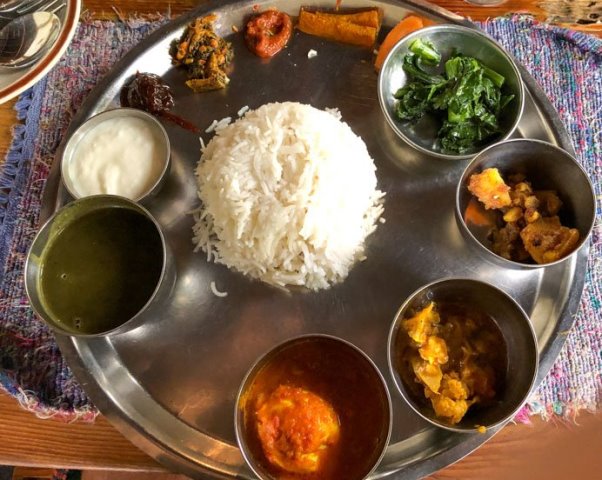
Food and drink prices along the Annapurna Base Camp trail tend to be higher than in the cities due to the remote location and the effort required to transport supplies. On average, meals at tea houses cost between $5 and $10 per dish, depending on what you order. Popular options include dal bhat (rice and lentils), noodles, soups, and omelets.
Bottled water is usually available but can cost around $1 to $2 per liter. Many trekkers prefer to carry a water purifier or tablets to refill bottles from natural water sources, which helps reduce costs. Hot drinks like tea, coffee, or hot chocolate typically cost about $2 to $4 each and are a welcome comfort in cold weather.
Overall, budgeting around $15 to $20 per day for food and drinks on the trail is reasonable for most trekkers. While prices are higher than in towns, the variety and quality of meals have improved over the years, offering good nutrition to support your trek.
Guide and Porter Fees for the ABC Trek
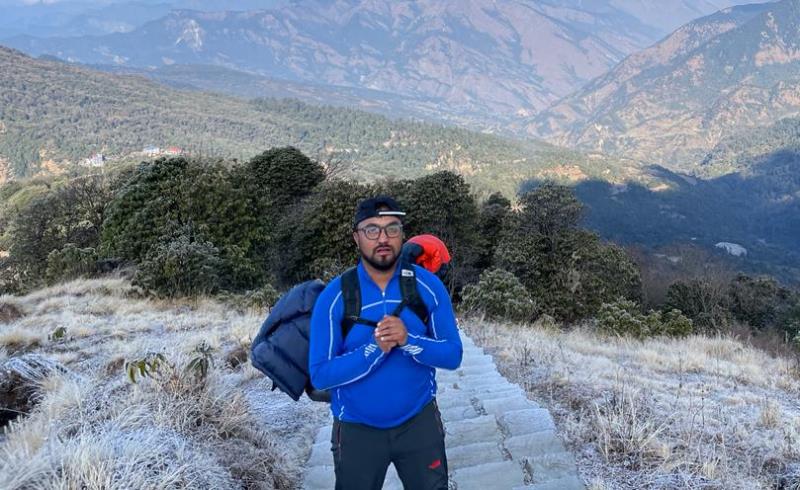
When trekking to Annapurna Base Camp independently, hiring a guide typically costs between 25 to 70 USD per day, depending on several factors. These include the size of your group, the guide’s language skills, and their experience level. For example, guides who speak multiple languages or have extensive expertise may charge toward the higher end of this range.
If you choose to hire a porter, the daily fee usually ranges from 18 to 25 USD, also influenced by group size and the porter’s experience.
However, if you book a complete trekking package to Annapurna Base Camp through a reputable agency, both the guide and porter fees are generally included in the total cost. This makes planning easier and often more cost-effective, as all your trekking support will be arranged and managed by the agency.
Annapurna Base Camp Trek: Essential Gear — Renting vs. Buying Costs
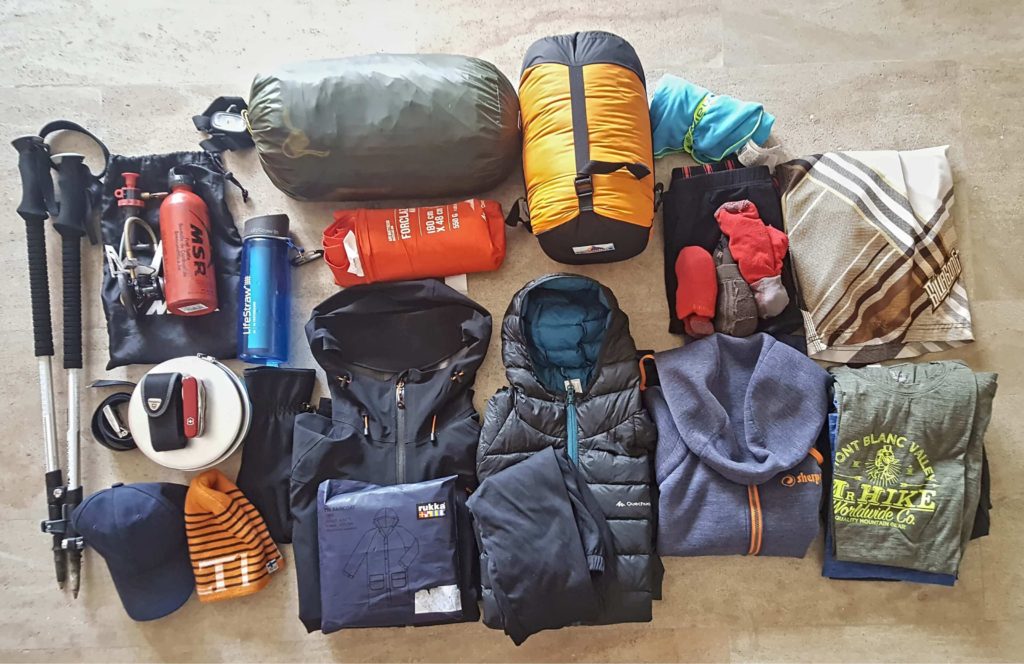
When preparing for the Annapurna Base Camp trek, you have the option to either rent or buy essential gear.
For renting, a sleeping bag typically costs around 3 to 4 USD per day during the peak trekking season, while prices tend to be lower in the off-season. Renting a down jacket usually ranges from 2 to 3 USD per day.
If you prefer to buy your gear, a good-quality sleeping bag will cost approximately 80 to 100 USD, and a standard down jacket can range between 50 and 70 USD.
Choosing whether to rent or buy depends on your trekking frequency and budget. Renting is convenient and cost-effective for occasional trekkers, while buying offers long-term value for regular adventurers.
Annapurna Base Camp Trek: Permits and Other Fees
If you choose an all-inclusive trekking package for the Annapurna Base Camp trek, the permit fees, government taxes, and any service charges are usually included in the total price. This means you don’t need to worry about paying separately for the Annapurna Conservation Area Permit (3,000 NPR- 25 USD) or other official fees during your trek. Everything will be arranged and managed by the trekking agency for your convenience.
Money-Saving Tips for the Annapurna Base Camp (ABC) Trek
Eat Only in Tea Houses:
It is important to follow the local trekking rules — eating outside of tea houses is generally not allowed in the ABC trekking area, as well as on other popular routes like the Everest Base Camp (EBC) and Manaslu trek. Tea houses provide meals at affordable prices and rely on trekkers eating there to cover their expenses.
- Choose Simple Food and Eat Less:
Opt for basic, local dishes rather than expensive or heavy meals. Eating smaller portions can also help reduce costs. You can also bring your snacks, like cookies or energy bars, to keep you fueled between meals. - Stay in Standard Tea Houses:
Avoid expensive or deluxe lodges. Standard tea houses are cheaper and still offer clean rooms and warm meals. This is the best way to save money on accommodation. - Carry Your Backpack:
Bringing and carrying your backpack means you don’t need to hire a porter, which saves a significant amount of money. - Trek Efficiently:
Try to walk at least 7 to 9 hours per day to complete the trek faster than usual. Finishing sooner reduces the number of nights spent in tea houses, lowering your overall cost. - Use Local Buses for Transportation:
For traveling to and from trekking starting points like Jhinu, use local buses instead of private taxis or expensive transport. Also, take local buses between Kathmandu and Pokhara to save on travel costs.
Annapurna Base Camp Trek Distance

The Annapurna Base Camp Trek can be done by different routes, mainly depending on whether you take the classic route via Poon Hill or a shorter direct route from Jhinu to ABC and back. Below are three popular trekking route options with their approximate distances:
1. Classic Route via Poon Hill (Longer Route)
This is the traditional and popular route. It starts from Kande and passes through Australian Camp, Ghorepani, Poon Hill viewpoint, Tadapani, Chomrong, and then to Annapurna Base Camp. The return is usually the same way or via Jhinu.
- Start: Kande (1,700 m / 5,577 ft)
- Key points: Australian Camp → Ghorepani → Poon Hill → Tadapani → Chomrong → Bamboo → Deurali → Annapurna Base Camp (4,130 m / 13,550 ft)
- Approximate trekking distance: 74 km (46 miles) round trip (start to base camp and back to Kande)
This route is scenic with panoramic mountain views, especially from Poon Hill, but takes longer and involves more trekking days.
2. Shorter Route via Jhinu and Direct to ABC (Short Circuit)
This option is faster and used by trekkers who want to reach ABC in fewer days. It usually starts from Kande or Nayapul, then trekking via Landruk and Jhinu, followed by a direct ascent to Annapurna Base Camp.
- Start: Kande or Nayapul (1,070 m / 3,510 ft)
- Key points: Landruk → Jhinu → Chomrong → Bamboo → Deurali → Annapurna Base Camp
- Approximate trekking distance: 52 km (32 miles) round trip (start to base camp and back to Jhinu or Landruk)
This route is shorter and less crowded but lacks the Poon Hill viewpoint experience.
3. Shortest Route: Direct Trek to ABC from Jhinu and Return the Same Way
This is the quickest and shortest route, ideal for trekkers with limited time.
- Start: Jhinu (1,700 m / 5,577 ft)
- Route: Jhinu → Chomrong → Bamboo → Deurali → Annapurna Base Camp → Return same way
- Approximate trekking distance: 36 km (22 miles) round trip
From Jhinu, you can take a jeep or local transport back to Pokhara, saving time on the return.
Best Season to Go for the Annapurna Base Camp Trek

The best time to trek to Annapurna Base Camp depends on what you want to experience — clear mountain views, blooming flowers, or quieter trails. Generally, Spring and Autumn are considered the top seasons for the ABC Trek.
1. Spring (March to May) — Best for Blooming Flowers
If you love nature and colorful landscapes, spring is the perfect season to do the ABC trek. During this time:
- The weather starts to warm up after winter.
- You will see beautiful rhododendron flowers blooming all along the trail, especially between 2,000 m to 3,000 m altitude.
- Besides rhododendrons, many other colorful wildflowers cover the forested hillsides.
- The air is fresh and the days are longer, perfect for trekking.
- Mountain views are usually good, though sometimes early spring can have some mist or light rain.
- Wildlife is more active, and you can enjoy vibrant greenery.
Spring is lively and full of natural beauty, making it ideal for photographers and nature lovers.
2. Autumn (September to November) — Best for Clear Mountain Views
Autumn is the most popular trekking season for Annapurna Base Camp because of its stable weather and clear skies:
- After the monsoon rains of summer, the air is fresh and clean.
- The skies are usually clear, offering spectacular views of Annapurna, Machapuchare (Fishtail), and other Himalayan peaks.
- Temperatures are moderate during the day, not too hot, not too cold.
- The trails are dry and less slippery compared to the monsoon season.
- It is the best time for photography and enjoying panoramic mountain vistas.
- Many trekkers choose autumn for the perfect combination of good weather and great scenery.
3. Other Seasons
- Summer / Monsoon (June to August): This season is less recommended because of heavy rain, slippery trails, leeches, and the risk of landslides. However, the region becomes lush green, and the waterfalls are strong.
- Winter (December to February): Cold and sometimes snowy at higher altitudes. Trails may be icy, and some tea houses close. Good for those who like solitude, but be prepared for very cold weather and limited facilities.
Is ABC Trek Cheaper in Monsoon Season?

Yes, trekking to Annapurna Base Camp during the monsoon season is a bit cheaper compared to the peak seasons (spring and autumn), but not much different overall.
Why it’s slightly cheaper:
- Fewer trekkers on the trail means less demand, so some tea houses may offer lower prices for rooms.
- Guides and porters may be available at slightly negotiable rates, especially if they are not fully booked.
- Domestic flights and transport might be a bit cheaper due to lower demand.
- Some agencies offer discounted packages in off-season months to attract trekkers.
But why isn’t the difference huge?
- Food prices on the trail stay the same year-round because everything has to be carried up by porters or mules.
- Permits (ACAP and TIMS) cost the same in every season.
- Essential services like guides, porters, permits, and gear do not change much in price.
- Rainy conditions mean extra challenges, so guides and porters still deserve full pay for their hard work.
So yes, the ABC trek is slightly cheaper during the monsoon, but not much different in total cost. If you’re trekking on a tight budget and don’t mind the rain, it can be a good time to go. However, always prepare for slippery trails, leeches, and limited mountain views due to clouds and rain.