

Licensed Trekking Guides in Nepal
4 Apr 2026 Santosh Gauli
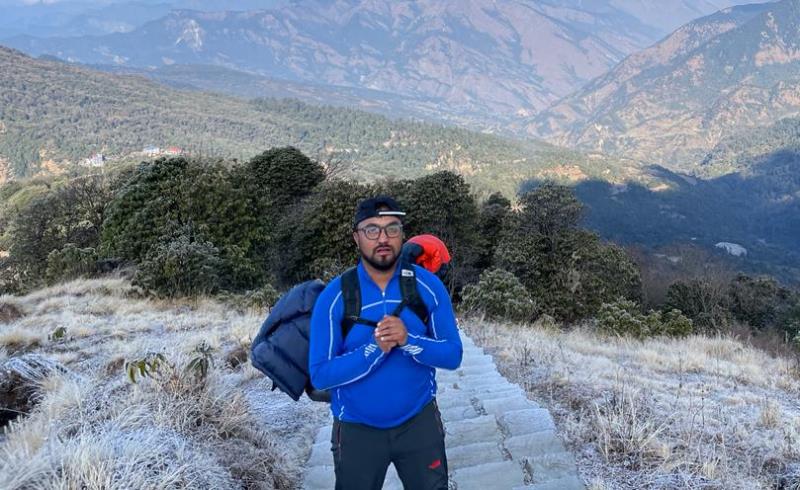
Nepal is one of the world’s greatest trekking destinations, home to legendary routes like Everest Base Camp, Annapurna Circuit, Poon Hill, ABC, Manaslu Circuit, and the culturally rich trails of the Himalayas. Every year, thousands of trekkers arrive with dreams of walking among towering peaks, ancient villages, and dramatic landscapes.
But behind every safe, smooth, and meaningful trekking experience, there is often an unsung hero—the licensed trekking guide.
In recent years, the importance of hiring a government-licensed trekking guide in Nepal has become more prominent than ever. From safety and legal compliance to cultural understanding and ethical travel, licensed guides play a vital role in shaping your Himalayan journey.
This in-depth guide explores:
- Why licensed trekking guides are essential
- The role of Nepal Tourism Board
- How to verify a guide’s license
- And why choosing a certified professional makes all the difference

What Is a Licensed Trekking Guide in Nepal?
A licensed trekking guide is a trained and certified professional authorized by the Government of Nepal to lead trekkers in various trekking regions. These guides undergo formal training, assessments, and certification processes before receiving their license.
Unlike informal or unregistered guides, licensed guides:
- Have completed government-approved training programs
- Carry official identification and certification
- Are legally authorized to guide trekkers
- Are trained in first aid, altitude sickness, and emergency response
Their role goes far beyond simply showing the trail—they are your leader, safety manager, cultural interpreter, and problem solver.
Importance of Government-Licensed Guides
1. Safety Comes First in the Himalayas
Trekking in Nepal is not just a walk in the park. High-altitude environments present real risks, including unpredictable weather, remote terrain, and altitude-related illnesses such as Acute Mountain Sickness.
Licensed guides are trained to:
- Recognize early symptoms of altitude sickness
- Plan proper acclimatization schedules
- Handle emergencies and coordinate evacuations
- Adjust routes based on weather and conditions
Without proper guidance, even experienced trekkers can face dangerous situations.
2. Legal Requirements and Government Regulations
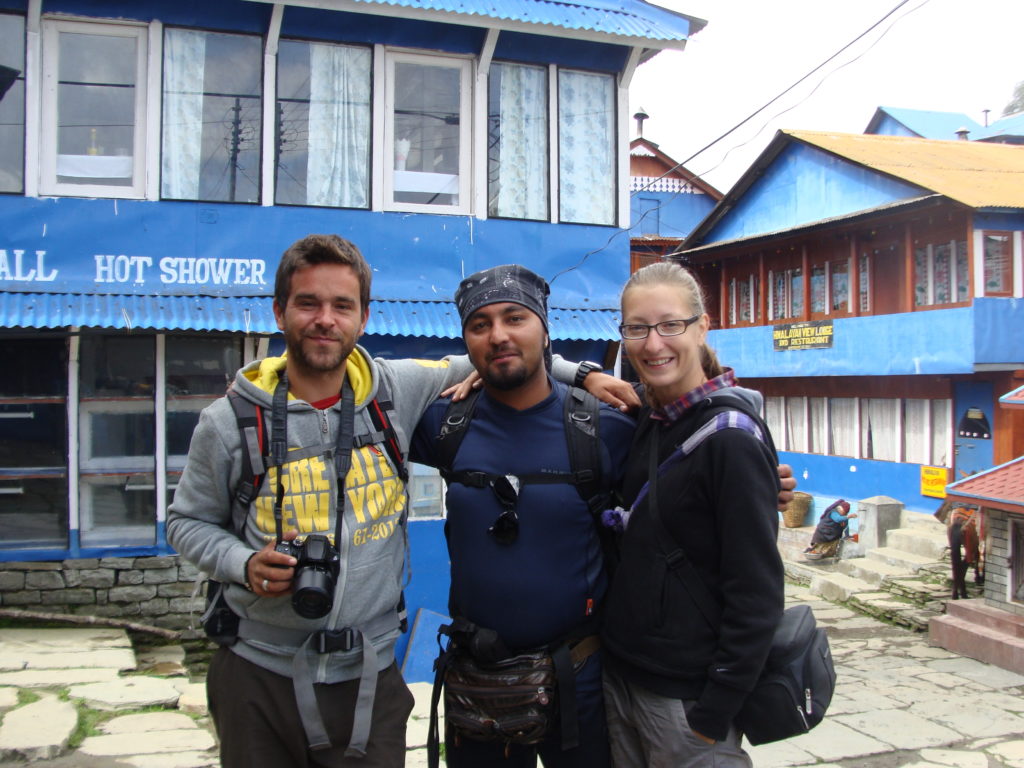
In several trekking regions, hiring a licensed guide is mandatory, especially in restricted or controlled areas such as:
The Government of Nepal has increasingly emphasized regulations to ensure:
- Trekker safety
- Proper monitoring of trekking activities
- Protection of remote environments and communities
Trekking without a licensed guide in restricted areas can result in fines or denied permits.
3. Navigation and Local Expertise
While popular routes like Annapurna Base Camp may seem straightforward, trails can still be confusing due to:
- Changing paths
- Landslides
- Weather-related visibility issues
Licensed guides have deep knowledge of:
- Trail conditions
- Alternate routes
- Safe resting points
- Local infrastructure
This ensures you stay on track and avoid unnecessary risks.
4. Cultural Connection and Authentic Experience
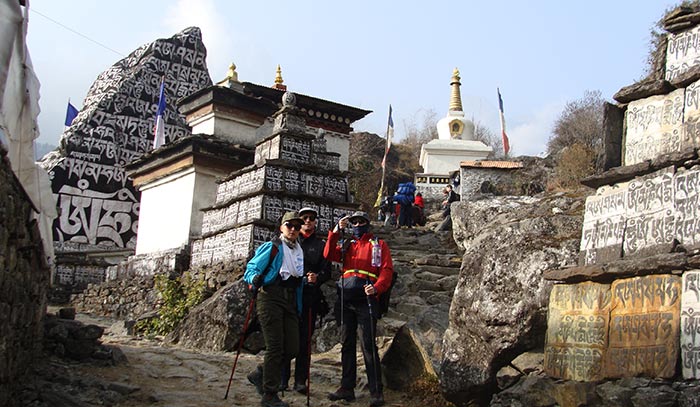
Nepal is not just about mountains—it’s about people, traditions, and heritage. A licensed guide bridges the gap between trekkers and local communities.
They help you:
- Understand local customs and etiquette
- Communicate with villagers
- Explore monasteries and cultural sites respectfully
In regions like Namche Bazaar, guides provide insights that turn a simple trek into a rich cultural journey.
5. Ethical and Responsible Tourism
Hiring a licensed guide supports:
- Local employment
- Fair wages and working conditions
- Sustainable tourism practices
It also helps reduce illegal guiding practices and ensures that tourism benefits local communities directly.
6. Emergency Support and Crisis Management
In remote areas where medical facilities are limited, a licensed guide can be life-saving.
They are trained to:
- Provide first aid
- Arrange helicopter evacuation
- Communicate with rescue teams
This level of preparedness is critical in high-altitude environments.
Role of the Nepal Tourism Board
The Nepal Tourism Board (NTB) plays a central role in regulating and promoting trekking in Nepal.
1. Licensing and Regulation
NTB works with government bodies to:
- Establish standards for trekking guides
- Monitor licensed professionals
- Ensure compliance with tourism laws
This helps maintain quality and safety across the industry.
2. Training and Skill Development
The board supports training programs that cover:
- Trekking leadership skills
- First aid and high-altitude safety
- Environmental awareness
- Communication and language skills
These programs ensure guides meet international standards.
3. Promoting Sustainable Tourism
NTB promotes responsible trekking practices, including:
- Environmental conservation
- Waste management
- Respect for local cultures
Licensed guides are key partners in implementing these initiatives on the ground.
4. Information and Tourist Support
NTB provides:
- Trekking information centers
- Safety guidelines
- Updates on weather and trail conditions
Trekkers can rely on NTB for accurate and up-to-date information.
5. Crisis Management and Safety Measures
During emergencies (natural disasters, pandemics), NTB:
- Coordinates rescue efforts
- Issues travel advisories
- Supports stranded trekkers
Licensed guides work closely with NTB during such situations.
How to Verify a Trekking Guide’s License in Nepal
Choosing the right guide is crucial. Here’s how you can ensure your guide is genuinely licensed:
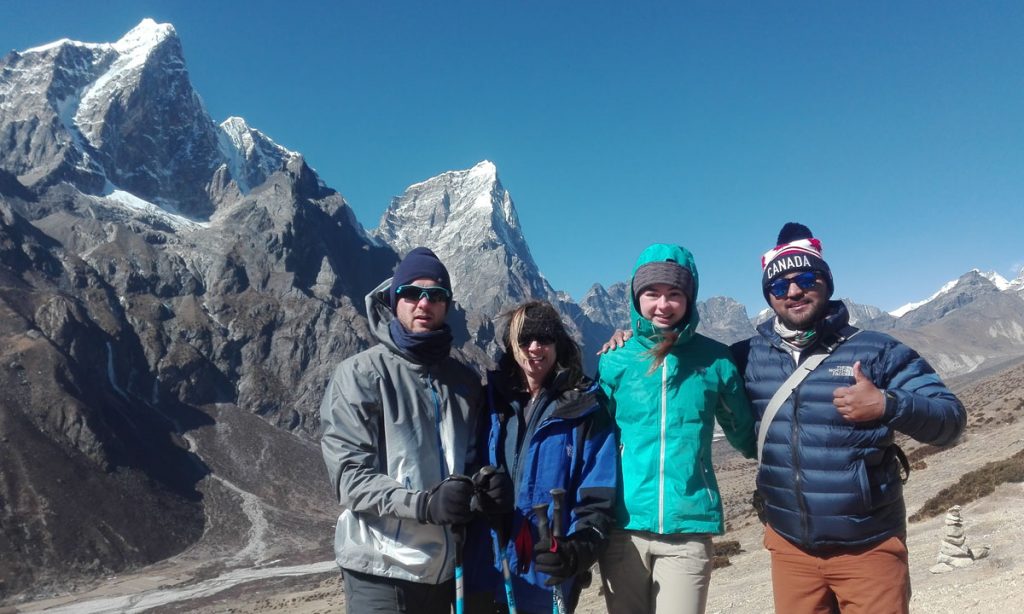
1. Check the Guide License Card
Every licensed guide carries an official ID card that includes:
- Name and photo
- License number
- Issuing authority
Always ask to see this before hiring.
2. Verify Through a Registered Trekking Company
Reputable trekking agencies registered with the government only hire licensed guides. Booking through a trusted company adds an extra layer of security.
3. Confirm with the Nepal Tourism Board
You can contact the Nepal Tourism Board to verify:
- Guide credentials
- Company registration
- Licensing status
4. Check Experience and Reviews
Look for:
- Years of experience
- Trekking regions covered
- Client reviews and testimonials
A licensed guide with strong experience is always a better choice.
5. Ask About Training and Certifications
Professional guides should be able to explain:
- Their training background
- First aid certification
- Language skills
This gives insight into their professionalism.
6. Confirm Insurance Coverage
Licensed guides usually have:
- Personal insurance
- Emergency coverage
This reflects their professionalism and employer responsibility.
Why Licensed Guides Are the Future of Trekking in Nepal
Nepal’s trekking industry is evolving. With increasing numbers of trekkers and growing safety concerns, the demand for licensed guides is rising.
Key trends include:
- Stronger government regulations
- Increased awareness among trekkers
- Focus on sustainable tourism
- Digital verification systems
Hiring a licensed guide is no longer just a recommendation—it is becoming the standard practice.
Final Thoughts
Trekking in Nepal is a once-in-a-lifetime experience, filled with breathtaking landscapes, cultural richness, and personal achievement. But the Himalayas demand respect, preparation, and responsible choices.
Choosing a licensed trekking guide ensures:
- Your safety
- Legal compliance
- A deeper cultural experience
- Support for local communities
With the guidance of professionals supported by the Nepal Tourism Board, your journey becomes not only सुरक्षित (safe) but also meaningful and unforgettable.
Quick Summary
- Licensed guides are trained, certified, and legally authorized
- They play a critical role in safety, navigation, and cultural connection
- NTB regulates, trains, and promotes responsible trekking
- Always verify your guide’s license before hiring