

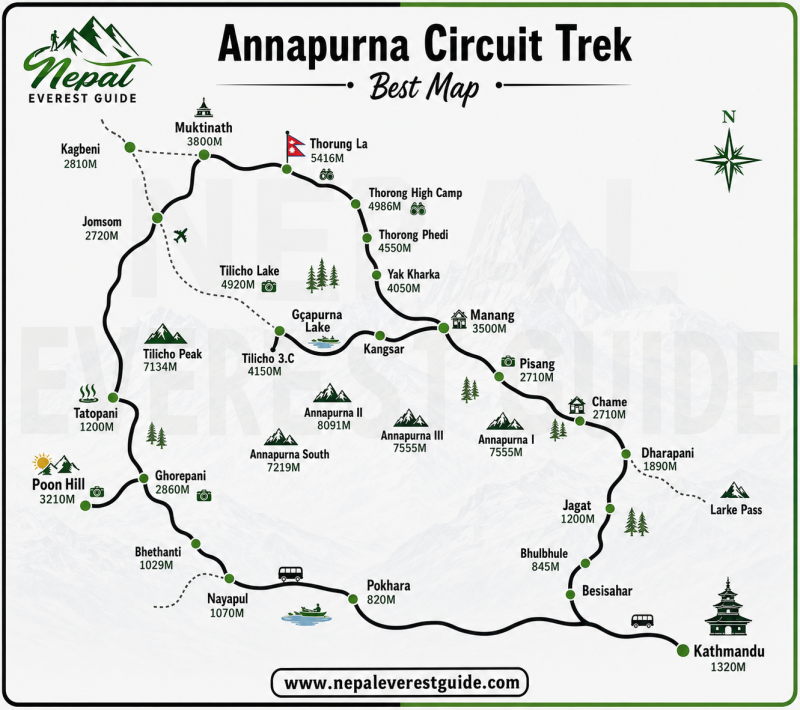
KATHMANDU - POKHARA - NAYAPUL - GHOREPANI - KAGBENI - MUKTINATH - JOMSOM - POKHARA - KATHMANDU




Why Muktinath Trek with Local Guide?
- Scenic views of the Annapurna Range, Dhaulagiri, and other peaks of the Himalayas.
- Exploring the ancient village of Kagbeni, the gateway to the Upper Mustang region.
- Visiting the Muktinath Temple, a popular pilgrimage site for Hindus and Buddhists.
- Walking through the deepest and most spectacular gorge in Nepal, the Kali Gandaki Gorge.
- Enjoying the vibrant culture of the Mustang region, including the traditional dances of the locals.
- Admiring the spectacular views of the Nilgiri Mountains from the village of Jomsom.
- Visiting the Thakali villages in the area, and discovering the unique architecture of the region.
- Exploring the numerous caves, monasteries, and temples along the trail.
- Spotting exotic wildlife such as the Himalayan Tahr, Blue Sheep, and Snow Leopard.
- Experiencing the traditional hospitality of the locals and tasting their delicious local cuisine
Muktinath Trek is one of the finest short trekking adventures in Nepal, combining breathtaking Himalayan scenery with rich history and culture. Although the journey requires only three days, it passes through fascinating places such as Pokhara (822 m), Tatopani (1,190 m), Eklebhatti (2,740 m), Kagbeni (2,810 m), and the sacred pilgrimage site of Muktinath (3,760 m). This short trek offers an excellent combination of natural beauty, ancient traditions, and cultural experiences, making it ideal for both pilgrims and trekkers.
The journey begins with a scenic drive from Pokhara to Tatopani, a beautiful village nestled in the dramatic Kali Gandaki Gorge, the world's deepest, between Mt. Annapurna I (8,091 m) and Mt. Dhaulagiri (8,167 m). Tatopani, which literally means "hot water," is famous for its natural hot springs located beside the sacred Kali Gandaki River. Travelers can relax in the soothing pools while enjoying spectacular mountain views. Tatopani also serves as an important junction for trekkers wishing to extend their journey to Ghorepani Poon Hill (3,210 m), or even Annapurna Base Camp (4,130 m). An overnight stay here provides a perfect introduction to the beauty of the Annapurna region.
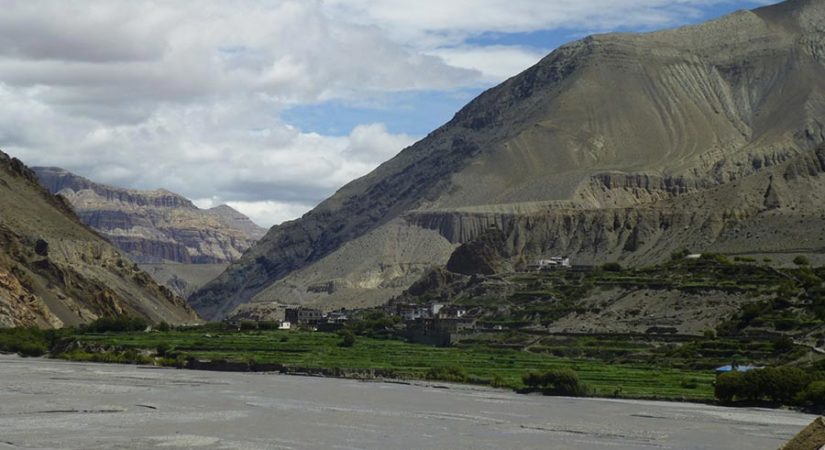
The following day, the drive continues to Eklebhatti, where the hiking section begins. Although there is road access, the trail remains enjoyable with magnificent views of the wide Kali Gandaki Valley, snow-capped peaks, traditional villages, and beautiful apple orchards. As the route approaches the Upper Mustang region, the landscape gradually transforms into wonderful barren hills, colorful cliffs, and arid Himalayan terrain. After about an hour of walking, trekkers reach Kagbeni, an ancient village located at 2,810 meters. Famous for its Tibetan-style houses, narrow alleyways, and centuries-old monasteries, Kagbeni is one of Nepal's most culturally significant settlements and serves as the gateway to the restricted Upper Mustang region.
After spending a night in Kagbeni, the trail ascends gradually to Muktinath (3,760 m), one of the holiest pilgrimage sites in Nepal. Every year, thousands of Hindu and Buddhist pilgrims, along with visitors from Europe and around the world, come to worship at the sacred Muktinath Temple. The area is home to beautiful Buddhist monasteries, holy shrines, and the famous 108 water spouts, where devotees perform ritual baths. Early morning visits are especially rewarding, as visitors can witness monks and priests chanting prayers in a peaceful spiritual atmosphere. With the assistance of an experienced guide, travelers can explore the historical and religious significance of this sacred site in greater depth.
After exploring Muktinath, travelers return to Pokhara by road. A public bus journey takes approximately 10–12 hours, while a private vehicle offers a more comfortable trip of around 9–10 hours. Despite being a short adventure, Muktinath Trekking provides unforgettable experiences through spectacular landscapes, ancient villages, sacred temples, and the unique culture of the Kali Gandaki Valley, making it one of Nepal's most rewarding short trekking experiences.
Why Choose a Local Guide for the Muktinath Trek?
- Local knowledge: A local guide understands the trails, villages, weather conditions, and changing conditions around the Muktinath and Mustang region.
- Cultural insight: Muktinath is a sacred pilgrimage site for both Hindus and Buddhists. A knowledgeable guide can explain the significance of the temples, monasteries, prayer sites, and local traditions.
- Better route planning: A guide can help organize daily walking distances, rest stops, accommodation, and transportation according to the group's itinerary.
- High-altitude awareness: Muktinath is located at around 3,800 meters, so having someone familiar with the area can be helpful when planning walking pace and rest periods.
- Communication support: Local guides can make communication with tea houses, drivers, and local communities easier during the journey.
- Authentic local experience: Beyond reaching Muktinath Temple, a guide can introduce travelers to the landscapes, villages, people, and traditions of the Mustang region.
- Practical trekking support: A guide can help travelers stay organized with route information, local arrangements, and necessary trekking procedures.
- Supporting local communities: Hiring a local guide directly contributes to tourism-based employment in Nepal's mountain communities.
- Peace of mind: Having an experienced person familiar with the route can make the Muktinath Trek more organized and enjoyable, particularly for travelers visiting the region for the first time.
Muktinath Trek with Local Guide Outline
Day 01: Drive from Pokhara (822m) to Ekle Bhatti (2740m) ~8–10 hrs, then trek from Ekle Bhatti (2740m) to Kagbeni (2800m) ~2–3 hrs.
Day 02: Trek from Kagbeni (2800m) to Muktinath (3710m) ~6–7 hrs via high Himalayan terrain and gradual steep ascent.
Day 03: Explore Muktinath (3710m) and surrounding temple area ~2–3 hrs of light walking and cultural sightseeing.
Day 04: Drive from Muktinath (3710m) to Pokhara (822m) ~10–12 hrs through Kali Gandaki valley and mountain road.
What's included?
- Two nights' accommodation in Pokhara,
- Airport pick-up and drop-off services,
- All standard meals (breakfast, lunch, and dinner) during the trek,
- Quality and sanitary tea house accommodation during the trek,
- Essential trekking equipment such as sleeping bags and down jackets (available for rent if needed),
- Ground transportation for the trek with private vehicles (tourist buses),
- Professional English-speaking guide with a government license,
- Porter service to carry up to 15 kg of luggage per two trekkers,
- Flight tickets for members and staff from Pokhara to Jomsom and Back,
- Monastery entry fees,
- Trekking route map,
- Emergency helicopter rescue arrangements covered by insurance,
- Annapurna Conservation Area fees,
- TIMS (Trekkers’ Information Management System) Card fees,
- First-aid kit with essential medical supplies,
What's not included?
- Drinks such as mineral water, juice, or alcoholic beverages,
- Sweet treats and desserts,
- Personal expenses, including hot showers and electronic charging fees,
- International airfare to and from Kathmandu,
- Travel insurance (compulsory),
- Extra activities or extended stays in Kathmandu and Pokhara,
- Tips for Guide, Porter & Driver.
Day by Day Itinerary
DAY
01
Drive from Pokhara to Ekle Bhatti, then Trek to Kagbeni
8-9 Hrs Breakfast Hotel in Pokhara
You start early morning from Pokhara (822m) with a scenic drive heading north toward the Kali Gandaki valley. The road gradually climbs through winding hills, river valleys, and traditional villages. You pass through Beni (899m) and continue along rough mountain roads toward Jomsom region (2720m), with views of Dhaulagiri (8167m) and Nilgiri (7061m) when weather is clear.
From Jomsom region (2720m), you continue to Ekle Bhatti (2740m) where your trekking portion begins. The trail to Kagbeni (2800m) is relatively easy, following the Kali Gandaki River (approx. 2800m valley floor). You walk through dry Himalayan desert landscapes, strong winds, and dramatic cliffs shaped by ancient river erosion.
Kagbeni (2800m) is a medieval-style village with narrow alleys, ancient monasteries, and strong Tibetan Buddhist influence. Overnight stay in Kagbeni.
DAY
02
Trek from Kagbeni to Muktinath:
20 minute flight Breakfast, Lunch & Dinner Guest House in Jomsom
After breakfast, you leave Kagbeni (2800m) and begin a steady uphill climb. The trail follows the Jhong River Valley (approx. 3300–3600m range) with increasing altitude gain and thinner air.
The landscape becomes more rugged and arid as you ascend into the high Mustang region. You pass small settlements like Jhong Village (3500m) and enjoy panoramic views of Nilgiri (7061m) and Thorong La region (5416m pass area) in the distance.
As you approach Muktinath (3710m), the environment shifts to a sacred alpine plateau. The area is spiritually significant for both Hindus and Buddhists. You arrive at Muktinath Temple (3710m), famous for its 108 water spouts and eternal flame.
Evening is free to explore the temple complex and enjoy sunset views over the Himalayas.
Overnight in Muktinath.
DAY
03
Exploration Day at Muktinath (3,710m)
5-6 Hours trek Breakfast, Lunch &Dinner Guest House
This day is for acclimatization, rest, and spiritual exploration. You visit the sacred Muktinath Temple (3710m) early in the morning when it is peaceful and less crowded. Pilgrims from Nepal, India, and beyond come here for religious purification.
You can explore:
- 108 Water Spouts (3710m) – ritual bathing area
- Jwala Mai Temple (3710m) – eternal flame shrine
- Nearby viewpoints overlooking Kali Gandaki Valley (2800–4000m range)
- Short walks around Ranipauwa settlement (3700m)
The high-altitude desert scenery, combined with snow-capped peaks in the background, makes this a very peaceful and reflective day. This is also an important acclimatization day before descending.
Overnight stay in Muktinath.
DAY
04
Drive from Muktinath to Pokhara
5-6 Hours Breakfast, Lunch & Dinner Guest House
After breakfast, you begin the long descent from Muktinath (3710m). The drive passes through Jomsom (2720m), follows the dramatic Kali Gandaki Gorge (one of the deepest gorges in the world), and continues through Tatopani (1190m) where hot springs are located.
The road gradually improves as you move into greener landscapes, passing terraced fields, rivers, and hillside villages. You eventually return to Pokhara (822m) by evening.
This marks the end of your short but culturally rich and spiritually powerful Muktinath trek journey.
Departure Dates
Sorry, No fixed departure dates are listed to group join, please request private trip
"Book your low-budget Jomsom Muktinath trek with us! Enjoy a 10% discount until November 2023 with our local freelance guide in Nepal. Message us now for a reasonable price and a memorable experience."
Reviews
Marco Franchino
Australia
Trusted Guides, Memorable Treks
2026Fantastic experience with NepalEverestGuide! Dupka took great care of us every step of the way. The trek was challenging but rewarding, and sharing it with Matty and Ellen from Australia was a highlight. Perfect for anyone seeking an affordable Everest adventure.
Monika Allen
Canada
Budget-Friendly Adventure: 11 Days to Everest Base Camp
2025I had an amazing experience on the 11-day Everest Base Camp Budget Trek. Our guide, Rupesh from Nepal Everest Guide, was incredibly knowledgeable, supportive, and attentive throughout the trek. He ensured our safety, kept us motivated, and shared fascinating insights about the local culture and environment. The trek itself was challenging but extremely rewarding, and the views were absolutely breathtaking.
I, Monika Allen from Canada, highly recommend this trek with Nepal Everest Guide to anyone seeking an unforgettable adventure in the Himalayas. Thank you, Rupesh, for making this journey so memorable!
Giu Bos
Indonesia
Memorable Budget Journey to Everest Base Camp – 11 Days
2024I joined the 11-day Everest Base Camp Budget Trek, and it exceeded my expectations. Even though it was a budget option, the services provided were excellent. The tea houses were simple but comfortable, and the food was good enough to keep me energized throughout the journey. The trek itself was challenging yet incredibly rewarding. Standing at the base of Mount Everest was a dream come true. My guide was professional, supportive, and always made sure I was safe and comfortable. For anyone looking for an affordable way to experience Everest Base Camp, this budget trek is a fantastic choice. It was one of the most memorable adventures of my life.
Essential Information
Best Time to Go on Muktinath Trek:
The best time for the Muktinath Trek is during the spring (March to May) and autumn (September to November) seasons. These months offer the most stable weather, clear mountain views, and comfortable trekking conditions. In spring, the Kali Gandaki Valley and surrounding hills bloom with rhododendrons and greenery, while temperatures remain pleasant for walking. Autumn is considered the peak season, with crystal-clear skies, dry trails, and excellent visibility of Annapurna (8,091 m) and Dhaulagiri (8,167 m) ranges.
Winter (December to February) is also possible for experienced trekkers, but temperatures in Muktinath (3,760 m) and Kagbeni (2,810 m) can drop significantly, sometimes with snowfall that makes travel more challenging. The summer/monsoon season (June to August) is generally less recommended due to heavy rain, slippery roads, and limited mountain views, although the Mustang region remains relatively drier than other parts of Nepal because it lies in a rain shadow area.
Muktinath Trek Difficulties:
Muktinath Trekking is a short yet spectacular journey in Nepal that blends culture, spirituality, and Himalayan scenery. The trek passes through the dramatic Kali Gandaki Valley, with views of Annapurna (8,091 m) and Dhaulagiri (8,167 m) ranges. Starting from Pokhara, the route includes scenic stops like Tatopani, known for its natural hot springs, before reaching the traditional villages of the Mustang region.
The highlight is Muktinath Temple (3,760 m), a sacred site for both Hindus and Buddhists. Trekkers also explore Kagbeni (2,810 m) and surrounding monasteries, experiencing ancient culture, mountain landscapes, and peaceful spiritual atmosphere in a short 3-day adventure.
How many hours per day should I expect to walk on the Muktinath trek?
The average walking time per day on the Muktinath trek is approximately 4-7 hours. The time may vary depending on the terrain and the weather conditions. The trek usually starts at an altitude of 2,700 meters and goes up to 5,400 meters, so it is important to take it slow and pace yourself.
What is the best time of year to go on the Muktinath trek?
The best time to go on the Jomsom Muktinath trek is from September to November and from March to May. During these months, the weather is dry and clear, offering excellent visibility and pleasant temperatures for trekking. The monsoon season, which runs from June to August, can bring heavy rainfall and cloud cover, making the trek difficult and potentially hazardous. Winter months, from December to February, can be very cold, with snow and ice covering the trails in some areas.
How difficult is the Muktinath trek?
The Jomsom Muktinath trek is considered to be a moderate trek, suitable for those with some previous hiking or trekking experience. The trek covers a distance of around 125 kilometers over a period of 5-12 days, with a maximum altitude of 3800 meters. The trail involves some steep climbs and descents, as well as some high-altitude passes, which can be challenging for some trekkers. However, the trek is well-trodden and well-marked, with a good network of tea houses and lodges along the way, providing regular opportunities for rest and nourishment.
It is important to note that altitude sickness can be a risk for some trekkers, and adequate acclimatization is essential to avoid this. It is also advisable to be in good physical shape and to be prepared for long days of walking and carrying a backpack. With proper planning and preparation, however, the Jomsom Muktinath trek can be a rewarding and fulfilling experience for most trekkers.
How long does the Muktinath trek take?
The Muktinath trek typically takes 7-12 days, depending on the itinerary and the pace of the trekker. This trek covers a distance of approximately 125 kilometers and involves several days of walking, with the longest day covering up to 7-8 hours of continuous walking. The length of the trek can also be affected by factors such as acclimatization, weather conditions, and the trekker's physical fitness.
Most itineraries for the Jomsom Muktinath trek begin with a flight from Pokhara to Jomsom, and then follow the Kali Gandaki River valley, passing through traditional villages and spectacular landscapes, to reach the holy town of Muktinath. The trek can be completed in a loop, returning to Pokhara, or by flying back from Jomsom to Pokhara.
It is recommended to allow sufficient time for the trek, to fully enjoy the scenery and the cultural experiences along the way, and to reduce the risk of altitude sickness.
What are the altitude gains and losses on the Muktinath trek?
The Jomsom Muktinath trek is a popular trekking route in Nepal that offers a unique blend of natural beauty, cultural experiences, and spiritual significance. The trek involves several altitude gains and losses, with the highest point being Muktinath at an elevation of 3,710 meters (12,172 feet).
Here's an overview of the altitude gains and losses on the Jomsom Muktinath trek:
Day 1: Pokhara to Kalopani (2,540 meters)
Altitude gain: Approximately 700 meters (2,296 feet)
Day 2: Kalopani to Tatopani (1,190 meters)
Altitude loss: Approximately 1,350 meters (4,429 feet)
Day 3: Tatopani to Ghorepani (2,850 meters)
Altitude gain: Approximately 1,660 meters (5,449 feet)
Day 4: Ghorepani to Tadapani (2,700 meters)
Altitude loss: Approximately 150 meters (492 feet)
Day 5: Tadapani to Ghandruk (1,940 meters)
Altitude loss: Approximately 760 meters (2,493 feet)
Day 6: Ghandruk to Nayapul (1,010 meters)
Altitude loss: Approximately 930 meters (3,051 feet)
Day 7: Nayapul to Jomsom (2,715 meters)
Altitude gain: Approximately 705 meters (2,313 feet)
Day 8: Jomsom to Muktinath (3,710 meters)
Altitude gain: Approximately 995 meters (3,259 feet)
Please note that these altitude gains and losses are estimates and may vary slightly depending on the exact route taken. Additionally, the trek can be physically demanding, so it's important to be properly prepared and acclimatized before attempting it.
What type of Accommodation is available during the Jomsom Muktinath trek?
- During the Jomsom Muktinath trek in Nepal, there are various types of accommodations available for trekkers, including:
- Tea Houses: Tea houses are the most common form of accommodation along the trekking routes in Nepal. These are locally run lodges that offer basic facilities, such as a bed, blanket, and sometimes a hot shower. Most tea houses serve meals and drinks, and they are a great place to socialize with other trekkers.
- Guesthouses: Guesthouses are similar to tea houses but often offer a higher standard of comfort and facilities. They may have en-suite bathrooms and hot water, as well as a restaurant or dining room.
- Camping: For those who prefer a more adventurous experience, camping is also an option. There are designated camping sites along the trek, and trekkers can hire a guide and a support team to assist with camping gear, food, and other necessities.
- Homestays: For those who want a more authentic and immersive experience, homestays are available in some of the villages along the trek. This allows trekkers to experience the local culture, food, and hospitality.
It's worth noting that the level of comfort and facilities may vary depending on the location and the time of year, so it's a good idea to do some research and plan ahead to ensure a comfortable and enjoyable experience.
What kind of gear do I need to bring on the Muktinath trek?
When trekking on the Jomsom Muktinath trail in Nepal, it's important to be well-prepared and bring the necessary gear. Here's a list of essential items that you should consider bringing:
Clothing:
- A waterproof and windproof jacket,
- Fleece or insulated jacket,
- Long-sleeved shirts and pants for sun and insect protection,
- Hiking shorts,
- Quick-drying and lightweight base layers,
- Warm hat, gloves, and a scarf.
Footwear:
- Hiking boots or sturdy, supportive trekking shoes
- Socks (bring multiple pairs for layering)
- Gaiters (for protection against dust and debris)
Backpack:
- A comfortable, durable, and waterproof backpack (approximately 40-50 liters in size)
- A waterproof cover for your backpack
- Sleeping Gear:
- A sleeping bag rated for cold temperatures
- A sleeping bag liner
- A camping mat or inflatable pad
Personal Hygiene:
- A small towel
- A toothbrush and toothpaste
- Personal hygiene items such as wet wipes, tissues, and hand sanitize
- Sunscreen with a high SPF
- Lip balm
- Sunglasses and a hat
Miscellaneous:
- A headlamp or flashlight (with spare batteries)
- A water bottle or hydration system
- A first-aid kit (including pain relievers, blister care, and any necessary prescription medications)
- Snacks (such as energy bars, trail mix, and dried fruit)
- Cash (Nepalese Rupees) for meals, accommodations, and other purchases
What type of food is available during the Jomsom Muktinath trek?
During the Jomsom Muktinath trek in Nepal, there is a range of food options available to trekkers, although the variety and quality of food can vary depending on the location and time of year. Here are some of the types of food that are commonly available:
- Nepalese cuisine: Popular Nepalese dishes, such as dal bhat (lentils and rice), momos (steamed dumplings), and chow mein (stir-fried noodles) are widely available in tea houses and guesthouses along the trek.
- International cuisine: Some trekking lodges and guesthouses offer international dishes, such as pasta, pizza, and sandwiches, for trekkers who want a break from Nepalese food.
- Snacks: Snacks, such as biscuits, energy bars, chocolate, and dried fruit, are widely available and can be a good option for those who want to save time and energy while trekking.
- Beverages: Tea and coffee are widely available in tea houses and guesthouses, and you can also find other drinks, such as soft drinks, beer, and lemon tea.
It's worth noting that the availability and quality of food can vary depending on the location and the time of year, so it's a good idea to plan ahead and bring some additional snacks and food items if you have specific dietary needs or preferences. Additionally, it's important to stay well hydrated while trekking, so be sure to drink plenty of water and electrolyte-rich beverages.
What type of medical assistance is available on the Muktinath trek?
Medical assistance on the Jomsom Muktinath trek in Nepal can be limited, especially in remote areas, so it's important to be well-prepared and take steps to minimize the risk of illness or injury. Here are some things to consider:
- First-Aid Kit: You should carry a well-stocked first-aid kit, including items such as pain relievers, blister care, and any necessary prescription medications.
- Altitude Sickness: Altitude sickness can be a risk on this trek, as the highest point is over 3,800 meters. To minimize the risk, it's important to acclimate to the altitude slowly, drink plenty of water, and avoid overexertion. If you experience symptoms such as headache, fatigue, or nausea, it's important to descend to a lower altitude and seek medical assistance.
- Local Health Posts: There are several health posts along the Jomsom Muktinath trek that can provide basic medical assistance, including treatment for minor illnesses and injuries.
- Evacuation: In the event of a serious illness or injury, evacuation to a hospital in Pokhara or Kathmandu may be necessary. It's important to have travel insurance that covers evacuation, and to familiarize yourself with the evacuation procedures and the contact information for local rescue services.
Is it safe to trek independently in Nepal?
- Familiarize yourself with the trekking route: Before embarking on your trek, it's important to research the route, including the trail conditions, weather patterns, and available services. Having a good understanding of the route and the conditions you may face can help you prepare and make informed decisions about your itinerary.
- Prepare for emergencies: Emergencies can happen at any time, so it's important to be prepared. This includes carrying a well-stocked first-aid kit, having a plan for evacuation, and being familiar with the local emergency services.
- Respect local customs and regulations: Nepal is a culturally rich country, and it's important to respect local customs and regulations while trekking. This includes obtaining the necessary permits and following any restrictions or guidelines in protected areas.
- Respect the environment: Trekking in Nepal can have a significant impact on the environment, so it's important to minimize your impact by following Leave No Trace principles, such as packing out all your trash and minimizing the use of soap and detergents in streams and rivers.
- Travel with a partner: While trekking independently can be a rewarding and fulfilling experience, it's always safer to travel with a partner. This provides added safety and support, and can make the trekking experience more enjoyable.
- In conclusion, while trekking independently in Nepal can be safe, it requires careful planning and preparation. By being aware of the risks and taking steps to minimize them, you can ensure a safe and enjoyable trekking experience.
Are there any age restrictions for the Jomsom Muktinath trek?
There are no strict age restrictions for the Jomsom Muktinath trek. However, it's a challenging trek that requires a good level of physical fitness and endurance, as it involves walking for several hours a day over rough terrain and high altitudes. It's recommended that trekkers should be at least 12 years old and in good health, with some prior hiking experience.
For children under the age of 18, it's advisable to have written consent from their parents or legal guardians. The trek can be especially challenging for elderly individuals or those with pre-existing medical conditions, so it's important to consult with a doctor before attempting the trek.
Ultimately, the age of the trekker is just one factor to consider. The ability to physically and mentally handle the demands of the trek should be the primary consideration when deciding whether to attempt the Jomsom Muktinath trek.
Cancellation Note
- Free cancellation up to 60 days prior departure
- 30% of the total cost of the trip will be charged if cancelled between 60 to 30 days prior to departure date
- 60% of total cost of the trip will be charged if cancelled in between 30 to 14 days prior to departure date.
Web design & Developed by Wildstone Solution
