

Can I Go to Everest Base Camp by Road?
10 Aug 2025 Santosh Gauli

Everest Base Camp (EBC) is the ultimate dream destination for many trekkers, adventurers, and mountain lovers. Traditionally, reaching EBC means flying from Kathmandu to Lukla and then trekking for about 12 days through some of the most stunning Himalayan landscapes. But what if you’re wondering — can I go to Everest Base Camp by road?
In this blog post, we will explore everything about traveling to Everest Base Camp by road — the possibilities, challenges, permits, road conditions, alternatives, and much more. We’ll also discuss the pros and cons of this journey, tips for travelers, and how it compares to the traditional trek by air.
1. Introduction to Everest Base Camp (EBC)
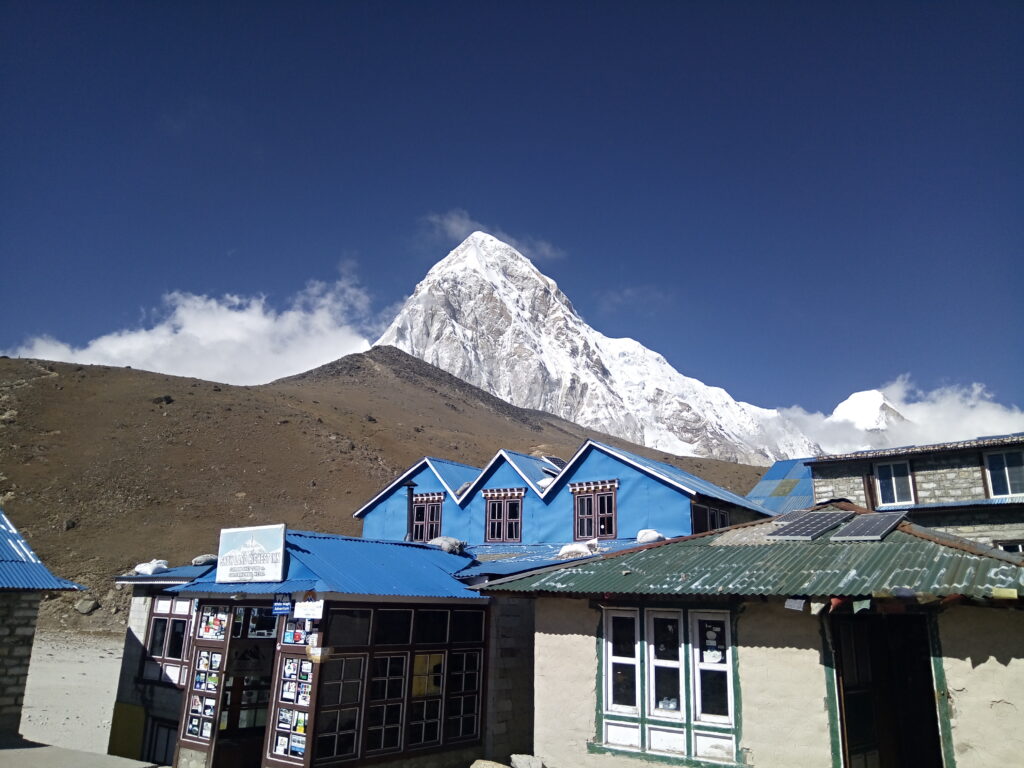
Everest Base Camp (EBC) is one of the most iconic trekking destinations in the world. Located in the heart of the Himalayas, it serves as the main starting point for climbers attempting to summit Mount Everest, the highest peak on Earth, standing tall at 8,848 meters (29,029 feet).
For trekkers, reaching EBC is a remarkable achievement that offers breathtaking views of snow-capped mountains, stunning glaciers, and a unique chance to experience the rich Sherpa culture of Nepal. The Base Camp itself sits at an altitude of approximately 5,364 meters (17,598 feet) on the south side of Everest in Nepal’s Sagarmatha National Park.
Traditionally, most trekkers fly from Kathmandu to the small mountain airport at Lukla, and then spend about 12-14 days trekking through picturesque villages, Buddhist monasteries, and rugged landscapes to reach the Base Camp. The journey is both physically challenging and spiritually rewarding, attracting adventurers from all over the globe.
Recently, with improvements in road infrastructure and local transport options, many travelers are curious whether it is possible to reach Everest Base Camp by road, bypassing the famous Lukla flight. This guide will explore that question in depth and provide you with all the information you need to plan your own adventure.
2. Can You Reach Everest Base Camp By Road?
The short answer: Yes, you can get much closer to Everest Base Camp by road than before — but not to the traditional Base Camp.
Why is it only “much closer” and not all the way?
- The actual Everest Base Camp lies on a glacier and is not accessible by road.
- Road infrastructure exists only up to certain points near Everest.
- Roads are often rough, gravel or dirt paths, and can be closed due to weather or landslides.
Current Road Access Points Towards Everest
Here are the key points reachable by road in the Everest region:
- Salleri (Sallery) – The gateway to the Everest region by road from Kathmandu: You can drive from Kathmandu to Salleri via the new road networks. This journey typically takes 10-12 hours. Salleri is the district headquarters of Solukhumbu.
- Jiri – Traditional trailhead by road: Jiri is about 194 km from Kathmandu by road and has been the traditional starting point for Everest treks before Lukla airport opened.
- Phaplu and Salleri Airport: Smaller airports in the region provide alternatives to Lukla.
- Dingboche and other villages: Some villages further into the region have limited road access, but not up to Base Camp.
Roads and Vehicle Types
- Roads beyond Salleri and Jiri are mostly rough, gravel, and sometimes narrow mountain trails.
- You need sturdy 4WD vehicles or jeeps capable of handling rugged terrain.
- Many local operators provide jeep safaris that take tourists close to Everest Base Camp.
While you can travel by road much farther than before, the last stretch to Everest Base Camp still requires trekking on foot. Usually, the furthest accessible by vehicle is around the village of Salleri or even farther towards Kharikhola, but no road leads directly to the Base Camp.
3. Road Route Options to Everest Base Camp

Here are the main road routes commonly used to approach Everest Base Camp without flying:
Route 1: Kathmandu to Salleri by Road
- Distance: Approx 250 km (takes about 10-12 hours by jeep or bus)
- Highlights: The drive offers spectacular views of hills, rivers, forests, and small villages.
- Road Condition: Mostly gravel or dirt roads; under constant improvement, but can be bumpy.
- From Salleri, you start trekking from here to reach Everest Base Camp (usually takes 10-12 days).
Route 2: Kathmandu to Jiri by Road (Traditional Trailhead)
- Distance: Around 194 km (takes 8-10 hours)
- Road Condition: Mostly gravel and dirt roads, with occasional landslide risks.
- Significance: Jiri is the old starting point for Everest Base Camp treks before Lukla airport opened.
- From Jiri: You trek for about 10-12 days to reach Base Camp.
Route 3: Kathmandu to Phaplu by Road and Flight
- Phaplu has a small airport with limited flights.
- From Phaplu, you can drive further to villages like Salleri and then trek.
- A road and air combination is sometimes preferred due to road conditions.
Route 4: Kathmandu to Kharikhola or Near Ghat by Road
- Some adventurous jeep safaris use this route.
- These roads reach closer to the Everest villages.
- Trekkers save 2-3 days of trekking.
4. What Permits Are Required for Road Travel to Everest Base Camp?
If you plan to travel by road to the Everest region and trek, the following permits are required:
1. Sagarmatha National Park Permit
- Needed for all visitors entering the Everest region (Solukhumbu district).
- Cost: Approximately NPR 3000 (~ USD 25).
- Issued by the Department of National Parks and Wildlife Conservation.
2. Solukhumbu (Pasang Lhamu) Rural Municipality Permit
- A local permit is issued by the municipal office for entry into their area.
- Sometimes required for areas beyond Salleri or Jiri.
- Cost varies, generally a low fee.
No special permit is needed for road travel itself, but you need these permits to enter and trek inside the protected areas.
5. Pros and Cons of Going to Everest Base Camp by Road
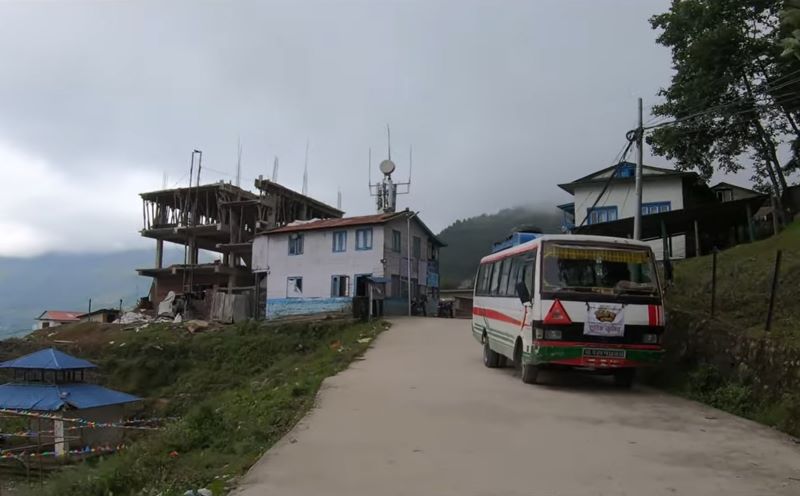
Pros:
- No Lukla Flight: Avoid the expensive and sometimes risky Lukla flight, which is prone to weather cancellations.
- Scenic Drive: Enjoy stunning Himalayan views on the way.
- Cost-effective: Road travel can be cheaper than flights.
- Adventurous: Great for travelers who love off-road jeep rides and rugged adventures.
- More cultural exposure: Visiting towns like Salleri and Jiri gives a unique cultural experience.
Cons:
- Long travel time: 10-12 hours of bumpy driving.
- Road conditions: Roads can be rough, dusty, and sometimes closed due to landslides.
- No road to Base Camp: You still have to trek many days.
- Comfort: Less comfortable than flying.
- Weather-dependent: Roads can be affected by monsoon rains.
6. How to Plan an Everest Base Camp Trip by Road?
Step 1: Book your transport from Kathmandu
- Choose jeep or bus companies offering Kathmandu to Salleri or Jiri routes.
- A private jeep is recommended for comfort and flexibility.
Step 2: Arrange permits
- Sagarmatha National Park Permit.
- Pasang Lhamu Rural Municipality Permit.
Step 3: Prepare for trekking
- Even if you travel by road, the EBC trek still involves 8-12 days of walking.
- Prepare with proper gear, guide, porter, and itinerary.
Step 4: Hire local guides or agencies
- Local trekking companies can arrange combined jeep and trekking packages.
- Guides help navigate trails and arrange lodges.
Step 5: Pack for rough road travel
- Carry water, snacks, and medicines.
- Prepare for long, bumpy rides.
7. Alternatives: The Lukla Flight vs Road Travel
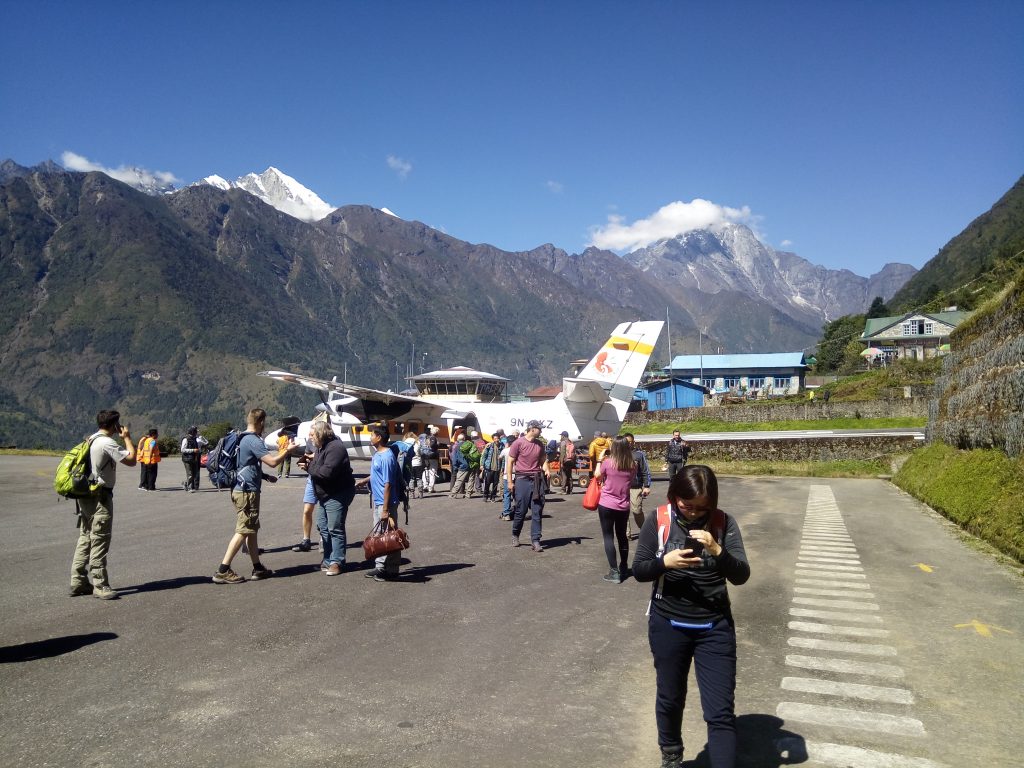
Lukla Flight:
- Pros: Quick (35-minute flight), more comfortable, iconic airport.
- Cons: Expensive (~$160-USD 200 one way), weather delays, flight cancellations.
Road Travel:
- Pros: Cheaper, adventurous, more scenic.
- Cons: Long travel time, rough roads, no direct access to Base Camp.
Some travelers choose a mixed option:
- Drive to Salleri or Jiri.
- Fly back from Lukla.
Or do the reverse.
8. The Experience of Road Travel to Everest Base Camp
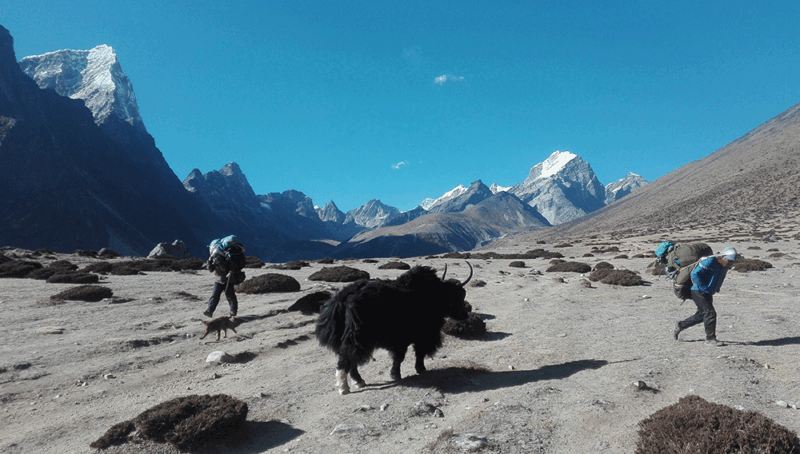
Travelers who have gone by road say:
- The jeep ride through rural Nepal is an adventure itself.
- You get a chance to see authentic villages and local life.
- It feels more “off the beaten path” and less touristy.
- The road can be dusty and tiring, but worth it for the views.
- It’s best during the dry season (October to May).
9. Challenges of Road Travel in the Everest Region
1. Road Quality and Safety
- Roads are often gravel or dirt.
- Risk of landslides, especially during monsoon (June-August).
- Narrow mountain roads can be dangerous.
2. Weather Conditions
- Monsoon rains cause closures.
- Winter snow can block roads.
3. Accessibility
- Some roads are seasonal.
- Local transport availability can be limited.
4. Health and Altitude
- Even by road, you reach high altitudes fast.
- Acclimatization is necessary during trekking.
10. Must-Know Tips for Road Travel to Everest Base Camp
- Travel during the dry season (Sept-Nov, March-May).
- Book a reliable 4WD jeep with an experienced driver.
- Carry water, snacks, and basic medicines.
- Be ready for delays due to weather or roadblocks.
- Allow extra days in your itinerary.
- Acclimatize properly once you start trekking.
- Hire a guide if unfamiliar with the area.
- Carry cash, as ATM access is limited.
- Respect local customs and the environment.
- Have travel insurance covering trekking and road travel.
11. Trekking from Salleri or Jiri to Everest Base Camp
Once you reach Salleri or Jiri by road, the trek starts.
Salleri to Everest Base Camp Trek Highlights:
- Salleri (1,800 m): Gateway town, small market.
- Sete: Small village, traditional Sherpa houses.
- Junbesi: A Village with Buddhist monasteries.
- Namche Bazaar (3,440 m): Main Sherpa town, famous market.
- Tengboche: Home to the famous Tengboche Monastery.
- Dingboche: Beautiful alpine valley.
- Lobuche and Gorakshep: Final stops before Base Camp.
- Everest Base Camp (5,364 m): Your ultimate destination.
This trek takes around 12-14 days, depending on pace and acclimatization.
12. How to Book a Road + Trek Package?
Many trekking agencies in Kathmandu offer combined jeep and trek packages, including:
- Pickup from Kathmandu.
- Road journey to Salleri or Jiri.
- Trekking with a guide and a porter.
- Accommodation and meals.
- Return options by road or flight.
One reliable agency is Safe Holiday Adventure Pvt. Ltd, which specializes in road-access treks to Everest Base Camp. They can customize your trip according to your preferences and budget.
13. Environmental and Cultural Impact of Road Access
- Increasing road access impacts local culture and environment.
- Roads bring tourism, jobs, and development.
- But risks of environmental damage, pollution, and loss of culture exist.
- Travelers should follow responsible tourism guidelines.
14. Future of Road Travel to Everest Base Camp
- Nepal government is working to improve road connectivity in the Everest region.
- New roads may reach closer to Base Camp in the coming years.
- But the traditional trekking experience will remain popular.
- Road travel offers an alternative for those who want adventure without flying.
15. Everest Base Camp Trek by Road 14-Day Itinerary
Route: Kathmandu → Salleri (by road) → Surke → Phakding → Everest Base Camp → Return
Day 1: Kathmandu to Salleri (by Jeep/Car)
- Distance: ~250 km | Duration: 10-12 hours | Altitude: 1,400 m → 1,800 m
- Description:
Begin your adventure with a scenic but bumpy jeep drive from Kathmandu to Salleri. You will pass through lush valleys, rural villages, terraced fields, and forested hills. The road is rugged in parts, so be ready for an exciting off-road experience. Salleri is a small town and the district headquarters of Solukhumbu, providing a glimpse of Sherpa culture and mountain life. Rest well tonight to prepare for your trek start.
Day 2: Salleri to Surke (Trek Start)
- Distance: ~12 km | Duration: 5-6 hours | Altitude: 1,800 m → 2,130 m
- Description:
The trek begins with a gradual uphill walk from Salleri through terraced farmland and charming Sherpa villages. You’ll cross several suspension bridges over clear rivers and streams. The trail winds through peaceful forests of rhododendron and pine. Surke is a quiet village where trekkers get their first true taste of the Everest region’s serene beauty and warm hospitality.
Day 3: Surke to Junbesi
- Distance: ~12 km | Duration: 5-6 hours | Altitude: 2,130 m → 2,670 m
- Description:
Trek through dense rhododendron and pine forests with increasing mountain views as you ascend. Junbesi is known for its traditional monastery, which offers insight into Sherpa Buddhism and culture. The village itself is picturesque with stone houses and prayer flags fluttering in the wind. It’s a peaceful place to soak in mountain village life.
Day 4: Junbesi to Nunthala
- Distance: ~13 km | Duration: 6-7 hours | Altitude: 2,670 m → 2,300 m
- Description:
Today’s trail has a mix of ups and downs as you walk through forests, crossing streams and passing several small farming villages. On clear days, you will enjoy fantastic views of Kusum Kanguru and other peaks. Nunthala is a small, quiet settlement where you can experience authentic Sherpa village life and hospitality.
Day 5: Nunthala to Bupsa
- Distance: ~8 km | Duration: 4-5 hours | Altitude: 2,300 m → 2,500 m
- Description:
A moderate trekking day through forested areas and alongside mountain streams. The trail offers peaceful scenery with a chance to spot wildlife or birds. Bupsa is a small Sherpa village known for its friendly locals and traditional stone houses decorated with prayer flags.
Day 6: Bupsa to Phakding
- Distance: ~14 km | Duration: 6-7 hours | Altitude: 2,500 m → 2,610 m
- Description:
You begin descending towards the Dudh Koshi River valley, trekking through lush forests and crossing several suspension bridges. Phakding is a lively village and the gateway to the Everest trekking trail from Lukla. Here, many trekkers gather before heading up to Namche Bazaar. Enjoy the bustling atmosphere and prepare for a steeper climb ahead.
Day 7: Phakding to Namche Bazaar
- Distance: ~10 km | Duration: 5-6 hours | Altitude: 2,610 m → 3,440 m
- Description:
A challenging day with a steep ascent through dense rhododendron forests and across multiple suspension bridges. Namche Bazaar is the largest Sherpa town and a cultural hub. Here, you’ll find shops, cafes, museums, and lively markets. Take time to explore and enjoy spectacular views of Everest, Ama Dablam, and Lhotse. This is an important acclimatization stop.
Day 8: Acclimatization Day in Namche Bazaar
- Altitude: 3,440 m
- Description:
A rest day to help your body adjust to the altitude. You can explore Namche Bazaar, visit the Sherpa Culture Museum, or hike to Everest View Hotel or nearby viewpoints for stunning panoramic mountain vistas. Use this day to hydrate well and relax before the trek continues upward.
Day 9: Namche Bazaar to Tengboche
- Distance: ~10 km | Duration: 5-6 hours | Altitude: 3,440 m → 3,860 m
- Description:
Trek through fragrant pine forests to Tengboche, home to the famous Tengboche Monastery, the spiritual heart of the region. The monastery offers spectacular mountain views and a peaceful atmosphere. This day’s trek is moderately steep but rewarding, with incredible scenery.
Day 10: Tengboche to Dingboche
- Distance: ~11 km | Duration: 5-6 hours | Altitude: 3,860 m → 4,360 m
- Description:
You ascend through alpine meadows and sparse forests, with the landscape becoming more rugged and barren. Dingboche is a picturesque high-altitude village surrounded by towering peaks and glaciers. It’s another key acclimatization stop, with stunning views and tranquil surroundings.
Day 11: Acclimatization Day in Dingboche
- Altitude: 4,360 m
- Description:
Spend the day resting or hiking to higher viewpoints such as Nangkartshang Peak (~5,100 m). This helps your body adapt to higher altitudes. The views from these spots are breathtaking, with panoramic sights of Ama Dablam, Lhotse, and Makalu.
Day 12: Dingboche to Lobuche
- Distance: ~10 km | Duration: 5-6 hours | Altitude: 4,360 m → 4,910 m
- Description:
The terrain becomes rockier and more barren as you hike beside the Khumbu Glacier. Lobuche is a small settlement with basic lodges, serving as a final stop before the trek’s highest point. The views of the glacier and surrounding peaks are stunning, and the atmosphere is quieter here.
Day 13: Lobuche to Gorakshep and Everest Base Camp, Return to Gorakshep
- Distance: ~14 km round trip | Duration: 7-8 hours | Altitude: 4,910 m → 5,164 m → 5,364 m → 5,164 m
- Description:
An unforgettable day! Trek to Gorakshep, the last village, and then hike to Everest Base Camp. Witness the massive Khumbu Icefall, prayer flags, and climbers’ memorials. The views and the sense of accomplishment are immense. Return to Gorakshep for your last overnight at high altitude.
Day 14: Gorakshep to Pheriche via Dzongla
- Distance: ~16 km | Duration: 6-7 hours | Altitude: 5,164 m → 4,830 m → 4,280 m
- Description:
Begin your descent, which is easier on the body but requires care. Pass through changing landscapes, from barren alpine zones to greener valleys. Pheriche is known for its high-altitude clinic and peaceful surroundings, offering a comfortable rest spot.
(Optional) Additional Days for Return Trek:
You can continue retracing your steps back through Namche Bazaar, Phakding, and then Salleri, followed by a road journey to Kathmandu, adjusting for rest and pace.
FAQs About Everest Base Camp by Road
Q1: Can I reach Everest Base Camp directly by jeep or car?
No, the actual Base Camp is not accessible by road. You can only reach nearby villages by vehicle and then trek on foot.
Q2: How long does the road trip from Kathmandu to Salleri take?
Approximately 10-12 hours, depending on road conditions.
Q3: Is the road safe for tourists?
Mostly yes, but roads are rugged, and you should hire experienced drivers.
Q4: Can I avoid trekking by using road transport?
No, trekking is necessary for the final part.
Q5: Which season is best for road travel to Everest Base Camp?
Dry season: October to May.
Summary
The journey to Everest Base Camp by road is a thrilling and authentic way to explore Nepal’s Himalayan heartland. While the complete journey by road is not yet possible, you can drive much closer to the base of the world’s highest mountain than ever before. The combination of road travel and trekking opens new doors for adventure lovers and cultural explorers.
If you want to skip the Lukla flight, save some money, and enjoy a rugged jeep safari, road travel to Everest Base Camp is the perfect choice. Just be ready for an adventurous ride and some trekking in the mountains.
For planning your trip, permits, jeep bookings, and guided trekking, trusted agencies like Safe Holiday Adventure Pvt. Ltd can help make your Everest Base Camp by road come true.