

Hire a Guide for the Everest Three Passes Trek
1 Apr 2026 Santosh Gauli
Introduction:
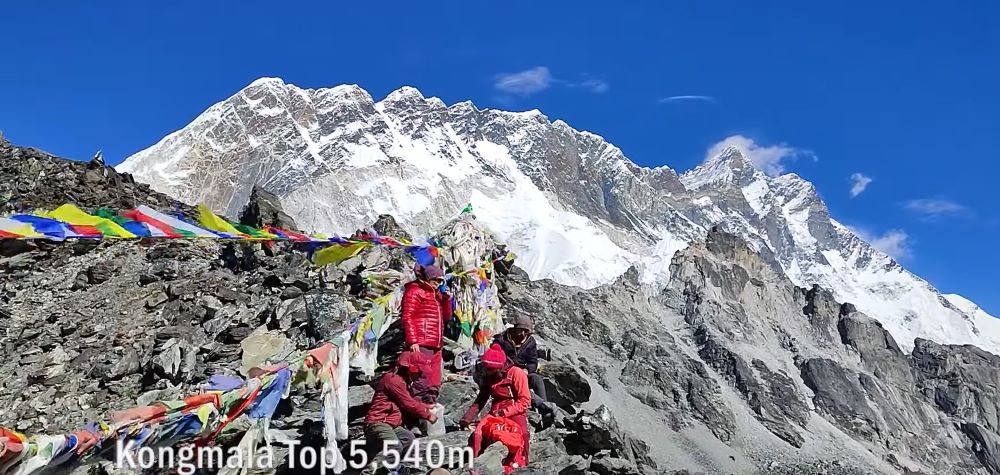
The Everest Three Passes Trek is one of the most challenging and rewarding adventures in the Himalayas. Crossing high mountain passes like Kongma La, Cho La, and Renjo La, this trek demands physical strength, proper planning, and strong local knowledge. Hiring a guide can make a huge difference—not just for safety, but for overall experience.
This detailed, original guide will walk you step by step through everything you need to know about hiring the right guide for your Everest Three Passes journey in Nepal.
1. Understand Why You Need a Guide

Before hiring, it’s important to know why a guide is valuable on this trek.
Safety in Remote Terrain
The Everest Three Passes route is far more complex than the standard Everest Base Camp trail. Routes can be unclear, especially around high passes and glaciers.
A guide helps you:
- Navigate safely
- Handle altitude sickness situations
- Make quick decisions in bad weather
Cultural and Local Knowledge
Guides are locals who know the mountains, traditions, and people. They enrich your journey with:
- Stories about Sherpa culture
- Insights into monasteries and villages
- Local language support
Logistics Made Easy
From tea house bookings to permits, your guide manages:
- Accommodation
- Meals planning
- Route adjustments
2. Decide Between Independent Guide vs Agency
You have two main options when hiring a guide.
Option 1: Through a Trekking Agency
Most trekkers hire guides via agencies based in Kathmandu or Lukla.
Pros:
- Reliable backup support
- Insurance and paperwork handled
- Easy communication
Cons:
- Higher cost
- Less flexibility in choosing a guide
Option 2: Hire a Freelance Guide
Independent guides are often experienced and more flexible.
Pros:
- Lower cost
- Direct communication
- Personalized experience
Cons:
- You must verify credentials yourself
- No company backup
Tip: If you go freelance, always check references and documents.
3. Check Guide Qualifications

Not all guides are equal. Choosing the right one is critical.
Must-Have Certifications
Ensure your guide has:
- Government trekking license from Nepal Tourism Board
- Training in first aid and altitude sickness
- Experience in high-altitude trekking
Experience Matters
Ask:
- How many times have you done the Three Passes Trek?
- Have you guided in winter or monsoon?
- What emergency situations have you handled?
A guide who has crossed Kongma La or Cho La multiple times is far more reliable.
4. Compare Costs and What’s Included
Guide pricing varies depending on experience and services.
Average Cost (per day)
- $25–$40 USD for a guide
- $20–$30 USD for a porter (optional)
What Should Be Included
Clarify:
- Guide’s salary
- Food and accommodation
- Insurance
- Equipment (if any)
Always avoid hidden costs. Agree on everything in advance.
5. Ask the Right Questions Before Hiring
Before confirming, interview your guide.
Important Questions
- What is your emergency plan?
- Do you carry first aid?
- Can you adjust itinerary if needed?
- How do you handle altitude sickness?
Communication Skills
Choose someone who:
- Speaks clear English
- Is patient and friendly
- Understands your expectations
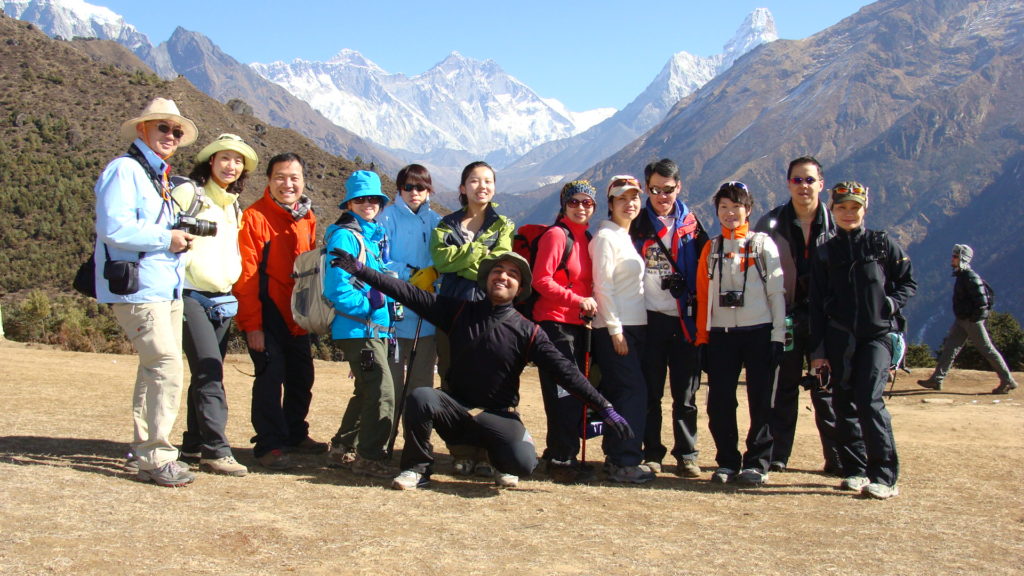
Your guide will be your trekking partner for 2–3 weeks—compatibility matters.
6. Verify Reviews and Recommendations
Never hire blindly.
Where to Check
- Trekking forums
- Google reviews
- Social media pages
Word of Mouth
If possible, get recommendations from:
- Previous trekkers
- Travel bloggers
- Local contacts
A guide with repeat clients is a strong sign of reliability.
7. Understand Legal Requirements
Recent trekking rules in Nepal increasingly encourage or require guides in certain regions.
For Everest region, you typically need:
- Sagarmatha National Park Permit
- Khumbu Pasang Lhamu Rural Municipality Permit
A guide ensures:
- Proper documentation
- No legal complications
8. Clarify Itinerary Flexibility
The Everest Three Passes Trek is physically demanding and unpredictable.
Why Flexibility Matters
- Weather can change quickly
- Altitude acclimatization may require extra days
- Pass crossings depend on conditions
A good guide will:
- Adjust pace
- Suggest alternative routes
- Prioritize safety over schedule
9. Discuss Safety and Emergency Protocols
This is one of the most important steps.
Key Safety Questions
- Do you carry a first aid kit?
- Are you trained in altitude sickness response?
- Do you have rescue contacts?
Emergency Preparedness
Your guide should:
- Recognize symptoms of AMS (Acute Mountain Sickness)
- Arrange helicopter rescue if needed
- Know nearest medical posts
10. Decide on Guide + Porter Combination
For a demanding trek like this, many trekkers hire both.
Guide vs Porter
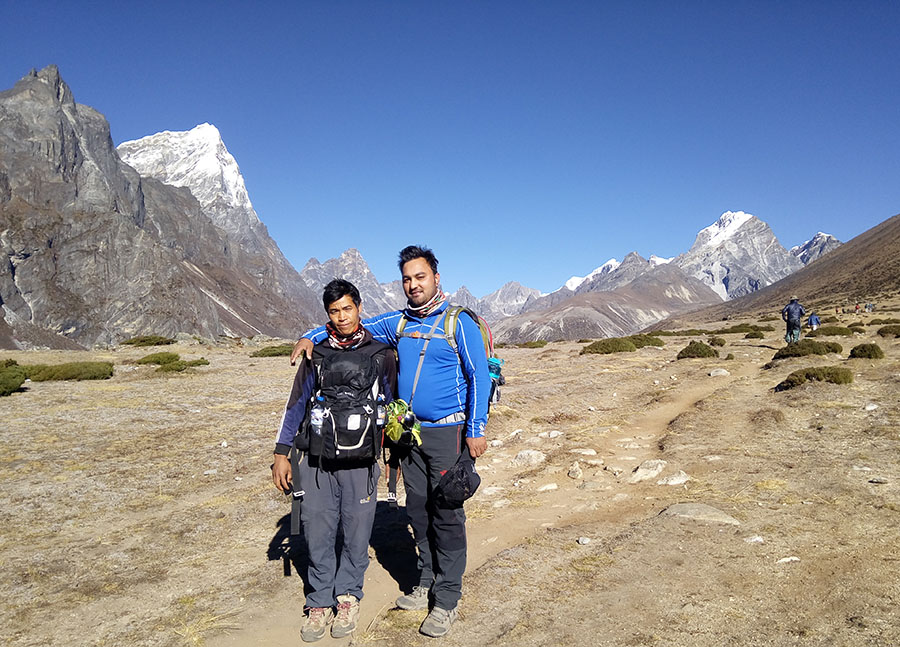
- Guide: Navigation, safety, leadership
- Porter: Carries heavy load (15–20 kg)
Benefits of Hiring a Porter
- Less physical strain
- Better energy for high passes
- Lower risk of exhaustion
11. Book in Advance (Best Practice)
The Everest region gets busy, especially during peak seasons.
Best Seasons
- Spring (March–May)
- Autumn (September–November)
During these months, experienced guides are in high demand.
Book at least 1–2 months in advance.
12. Make a Clear Agreement
Before starting your trek, finalize everything.
Written Agreement Should Include:
- Daily rate
- Trek duration
- Responsibilities
- Insurance coverage
- Cancellation terms
This avoids misunderstandings later.
13. Build a Good Relationship
Once you’ve hired your guide, treat them as a partner.
Tips:
- Respect local culture
- Communicate openly
- Be honest about your fitness
A strong guide-client relationship leads to a much better experience.
14. Tipping and Ethical Hiring
Tipping is customary in trekking culture.
Typical Tips
- Guide: $5–$10 per day
- Porter: $3–$7 per day
Ethical Considerations
Choose guides who:
- Are fairly paid
- Work under safe conditions
- Are properly insured
Responsible tourism benefits everyone.
15. Red Flags to Avoid
Be cautious if you notice:
- Extremely cheap prices
- No license or certification
- Poor communication
- No knowledge of Three Passes route
If something feels off, trust your instincts.
Final Thoughts
Hiring an independent guide for the Everest Three Passes Trek is one of the most important decisions you will make for a safe and enjoyable journey. A skilled guide provides not only navigation and logistics support but also safety assurance in one of the world’s most challenging trekking environments.
By carefully selecting a licensed, experienced, and trustworthy guide, you can focus on the adventure itself—crossing high mountain passes like Kongma La, Cho La, and Renjo La, exploring iconic stops such as Namche Bazaar, and experiencing the breathtaking beauty of the Everest region.Approach the hiring process with research, patience, and clear communication, and your trek will be significantly more rewarding and secure.