Govt Licence no: 5968/2009
Call Whatsapp/Viber
+977 9849 116 284
Mail Us
nepaleverestguide@gmail.com

Mardi Himal Trek Itinerary

7 May 2025 Santosh Gauli

trekking mardi himal is the best trek in Annapurna 2020/2021

Explore the Hidden Beauty of Mardi Himal Trek in Nepal

The Mardi Himal Trek is short and beautiful in the Annapurna region of Nepal. It is perfect for those who want to enjoy quiet nature, stunning mountain views, and peaceful trails without going too high or too far. The trek usually starts from Kande, a small village near Pokhara, and ends at Siding, another local village from where you drive back to Pokhara. The whole trek takes about 5 days, and it reaches a maximum altitude of 4,200 meters at the Mardi Himal Viewpoint.

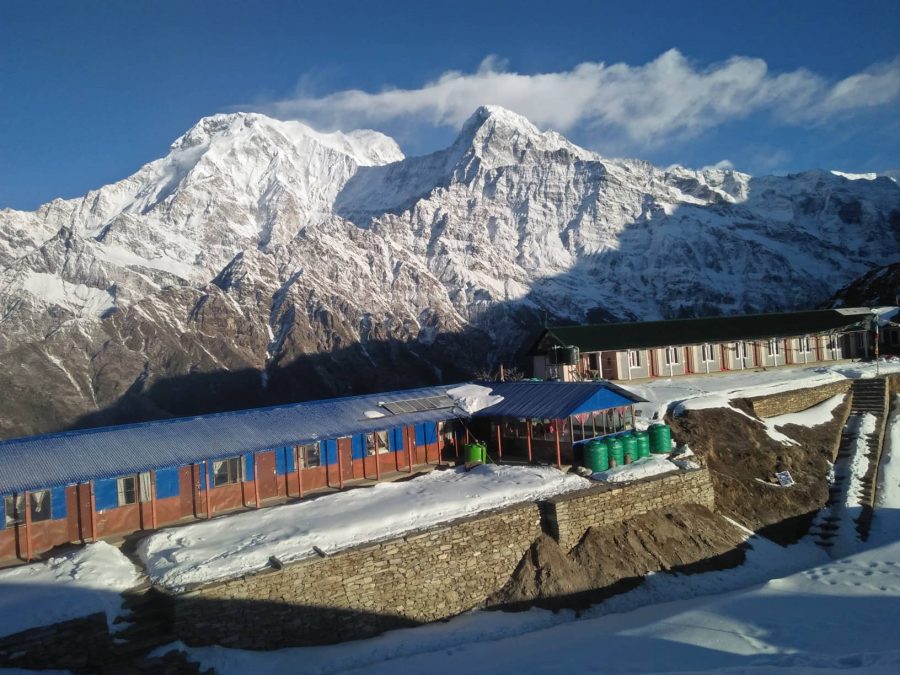
This trek offers amazing views of some of the most famous mountains in Nepal. Along the way, you can see Machhapuchhre (Fishtail) very close — one of the most beautiful peaks in the world. You’ll also see Annapurna South, Hiunchuli, and Annapurna I. The trail goes through rhododendron forests, ridgelines with clouds below, and peaceful hilltops where you feel like you are walking in the sky. Popular stops along the trail include Australian Camp, Deurali, Forest Camp, Badal Danda, and High Camp.

The Mardi Himal trek is not very difficult, but it still involves walking uphill and downhill for 4 to 6 hours each day. You don’t need climbing experience, but being fit and ready for mountain walking is helpful. The trail is well-marked and safe, and there are small tea houses along the way where you can sleep and eat simple Nepali food like dal bhat, noodles, or fried rice.

This trek is great for people with a small budget. If you are a solo traveler or in a small group, the total cost can be between $300 to $500 USD per person, including permits, food, accommodation, transport, and a guide. If you walk without a guide, the cost can be even less — but having a local guide makes the journey safer and more enjoyable. They also help you understand the mountains, culture, and local lifestyle.

The best time to do the Mardi Himal Trek is in October–November (autumn) and March–May (spring). These months have clear skies, dry trails, and great mountain views. In spring, the rhododendron forests bloom with pink, red, and white flowers, making the walk even more beautiful. It can be cold at higher places like High Camp, especially in the early morning, so warm clothes are needed.

Overall, Mardi Himal Trek is a perfect short trek in Nepal for those who want mountain adventure, natural beauty, and local culture — all without crowds or high cost. Whether you’re a student, a family, or a solo traveler, this trek offers a lifetime experience that you’ll never forget.

Mardi Himal Trek Detailed Itinerary:

Day 1: Drive from Pokhara to Kande (1,770 m) and Trek to Deurali (2,100 m)

Your Mardi Himal adventure begins with an early morning pickup in Pokhara. After loading your bags and supplies, you set off on a scenic 1 to 1.5-hour drive to Kande. The road winds through beautiful countryside, with terraced fields, pine-covered hills, and scattered traditional villages where locals can be seen working in the fields or guiding animals along dusty trails.

Upon reaching Kande (1,770 m), you tighten your shoelaces and begin your uphill trek. The trail immediately leads you into a lush forest, climbing steadily along well-paved stone steps shaded by tall trees. After about an hour of steady walking, you reach the charming open meadows of Australian Camp. Here, you rest briefly while soaking in sweeping panoramic views of the Annapurna range, Machhapuchhre (Fishtail), and even Dhaulagiri on a clear day.

From Australian Camp, the trail descends gently through pine and rhododendron forest to reach Pothana, a quiet village with tea houses and a check post for trekking permits. After completing formalities and perhaps sipping a warm cup of tea, you continue your walk through moss-covered rhododendron forest. The air is cool and scented, birds chirp from the treetops, and the path feels peaceful and secluded.

A gradual ascent brings you to Deurali (2,100 m), a ridge-top settlement with jaw-dropping views of Annapurna South and Hiunchuli, especially during golden hour. The village has a few cozy lodges where you’ll spend the night. Enjoy a traditional Nepali dinner, perhaps dal bhat or warm soup, and gaze at the star-filled sky before resting. Walking time today is approximately 4 to 5 hours — a perfect introduction to the serenity and magic of the Himalayas.


Day 2: Trek from Deurali to Forest Camp (2,520 m)

After a peaceful night, you wake to cool mountain air and the soft glow of morning sun over the Himalayas. After breakfast, the trail leads you into a dense, mystical forest — a living cathedral of rhododendron, oak, maple, and moss-covered trees. This day’s trek is serene, away from villages and crowds, where nature rules.

The path gently undulates, offering a mix of ups and downs as you make your way deeper into the woods. You might hear the distant call of a cuckoo bird or spot a curious langur monkey watching from the treetops. During spring (March to May), the rhododendrons bloom in an explosion of red, pink, and white blossoms, creating a magical fairy-tale atmosphere under the forest canopy.

With no settlements in between, the silence is only broken by your footsteps, the rustle of leaves, and occasional birdsong. The air is crisp, and the forest feels alive and sacred. You take breaks along the way to sip water and enjoy the peaceful surroundings.

After about 4 to 5 hours of trekking, you reach Forest Camp (Kokar), a quiet resting spot tucked within the trees. The lodges here are basic but welcoming, often warmed by a wood stove in the dining area. Dinner is usually a hearty Nepali meal or noodle soup to warm you up. Nights are colder at this altitude, so dress in layers and fall asleep to the soothing sounds of the forest.


Day 3: Trek from Forest Camp to Badal Danda (3,210 m)

Today, you continue your climb, leaving behind the dense lower forest. After breakfast, the trail gradually ascends and the forest starts to thin. After around two hours of walking, you reach Low Camp (2,970 m) — a scenic rest stop where you can sip tea and admire closer views of Machhapuchhre, now beginning to dominate the landscape.

From Low Camp, the trail becomes truly spectacular. You now follow a narrow ridge that winds its way upward, offering jaw-dropping views to both sides. The path opens fully, and on a clear day, it feels like walking above the clouds — hence the name Badal Danda, which means “Hill of Clouds.” You may spot grazing yaks, fluttering prayer flags, and local herders managing their livestock.

As you gain altitude, the majestic peaks of Machhapuchhre, Annapurna South, and Hiunchuli feel close enough to touch. Each step brings you deeper into the heart of the mountains. The wind may pick up here, so a windproof jacket is handy. After 4 to 5 hours of trekking, you arrive at Badal Danda (3,210 m) — a small cluster of lodges perched on a grassy ridge.

The sunset from Badal Danda is breathtaking. Watch as the sky turns shades of gold and orange, while the snow-capped peaks glow pink in the last light of day. After dinner, sit around a fire or head straight to bed, lulled to sleep by the gentle wind and starlit skies.


Day 4: Trek from Badal Danda to High Camp (3,580 m)

Wake up early to witness the first light hitting the Himalayas — a magical start to the day. After breakfast, you set off on a trail that climbs steadily along the same ridge. Vegetation is now sparse; the landscape is alpine, raw, and windswept. The trees disappear, replaced by low shrubs and grassy slopes, allowing uninterrupted views in all directions.

With every step, Machhapuchhre (6,993 m) looms closer and grander, its sharp, icy summit piercing the sky. The trail is well-defined but narrow in places, with dramatic drops and stunning backdrops. Be mindful of your pace, as the air is noticeably thinner and breathing becomes slower.

Keep an eye out for Himalayan monals, Nepal’s national bird, with their dazzling iridescent plumage, as well as snow pigeons and lammergeiers gliding overhead. After about 3 to 4 hours of steady walking, you reach High Camp (3,580 m) — a cluster of stone lodges clinging to a ridge with commanding views over the Annapurna range.

Enjoy a warm lunch while admiring the mountains. In the afternoon, consider a short acclimatization hike a little higher to help your body adjust. As evening falls, the snow peaks turn pink and purple under the fading sun, offering another unforgettable sunset. Have an early dinner and get plenty of rest — tomorrow is the big day!


Day 5: Sunrise Hike to Mardi Himal Viewpoint (4,200 m), Trek to Siding (1,750 m), and Drive to Pokhara

Today is the grand finale — the day you’ve been waiting for. You wake up at 4:00 AM, dress warmly, and head out with headlamps into the crisp darkness. The stars are dazzling overhead, and your footsteps crunch over frost-covered ground as you climb steadily toward the Mardi Himal Viewpoint.

The trail is steep in places and rocky, but safe and marked. As you ascend in silence, the eastern sky slowly lightens. After about 2 to 2.5 hours, you arrive at the viewpoint (4,200 m) just in time for sunrise. What follows is a moment that will stay with you forever — the sun rises behind the distant hills, casting golden light onto Machhapuchhre, Annapurna I, Annapurna South, and Hiunchuli, all glowing like fire in the early light. It’s a breathtaking 360-degree view from the spine of the Himalayas.

After taking photos and enjoying the spiritual peace of the mountains, you descend carefully back to High Camp for a well-earned breakfast. Then, it’s time for the long walk down to Siding Village. This part of the trail is different — descending through rhododendron forests, terraced farmlands, and small hamlets, where you may see local children playing, farmers in the fields, and traditional stone houses.

The descent takes around 6 to 7 hours, and while it’s a bit tough on the knees, it offers beautiful new scenery and a feeling of satisfaction. At Siding (1,750 m), a jeep will be waiting to drive you back to Pokhara — a 2.5 to 3-hour journey along bumpy mountain roads.

Back in Pokhara, you’ll check into your hotel, enjoy a hot shower, and perhaps celebrate with a lakeside meal at Phewa Lake. Your short but deeply rewarding Mardi Himal Trek comes to a joyful end — filled with memories of high ridges, mountain sunrises, and peaceful forest paths.

Mardi Himal Trek 3 days Itinerary:

Day 1: Drive from Pokhara to Kande (1,770 m), then trek to Rest Camp (2,520 m) – 10–11 km, 5–6 hours.

Day 2: Trek from Rest Camp (2,520 m) to High Camp (3,580 m) – 8–9 km, 5–6 hours.

Day 3: Trek from High Camp (3,580 m) to Siding Village (1,750 m), then drive to Pokhara – 16–17 km, 7–8

Mardi Himal Trek 4 Days Itinerary:

Day 1: Drive from Pokhara to Kande (1,770 m), then trek to Australian Camp (2,100 m) – 6–7 km, 3–4 hours.

Day 2: Trek from Australian Camp (2,100 m) to Forest Camp (2,520 m) – 7–8 km, 4–5 hours.

Day 3: Trek from Forest Camp (2,520 m) to High Camp (3,580 m) – 8–9 km, 5–6 hours.

Day 4: Trek from High Camp (3,580 m) to Mardi Himal Viewpoint (4,200 m), then trek down to Siding Village (1,750 m), and drive to Pokhara – 16–17 km, 7–8 hours.

ea Houses and Food on the Mardi Himal Trek
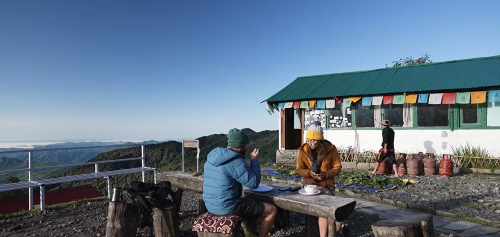
The Mardi Himal trek offers trekkers a unique opportunity to experience both the natural beauty of the Annapurna region and the warmth of local hospitality, especially through the tea houses that line the route. Tea houses are small, family-run guesthouses that offer trekkers a place to rest, eat, and stay overnight. They are scattered along the trail and are an integral part of the trekking experience in Nepal.

Tea Houses Along the Mardi Himal Trek

Tea houses on the Mardi Himal trek vary in size and facilities, but most offer basic yet comfortable accommodation, including simple rooms with wooden floors, shared bathrooms, and a warm place to gather. Some tea houses have private rooms, while others provide dormitory-style bedding. While the rooms may be basic, the welcoming hospitality of the local owners makes up for the simplicity. The tea houses are typically located in small villages such as Kande, Forest Camp, Low Camp, High Camp, and Siding, offering beautiful views of the surrounding mountains.

The tea houses serve as crucial pitstops for trekkers, providing shelter from the unpredictable mountain weather. They are also places to meet fellow trekkers and share stories about your journey. The owners, often families who live in the villages, are friendly and eager to help, and they provide invaluable insight into local culture and the region.

Food on the Mardi Himal Trek

The food along the Mardi Himal trek is simple but nutritious, designed to keep trekkers energized for the demanding trek. The menu in the tea houses generally includes a mix of traditional Nepali dishes and popular international options. Expect hearty meals made from fresh, locally sourced ingredients.

  • Dal Bhat (Rice and Lentils): This staple Nepali dish is commonly offered at tea houses. It consists of rice served with lentil soup (dal), vegetables, and sometimes pickles. It’s a filling and energy-boosting meal that’s popular among trekkers due to its high carbohydrate content and nutritional value.
  • Noodles and Soup: Noodles, both fried and in soups, are a common dish on the trek. The soups are warming and often served with vegetables or meat. Popular varieties include Tibetan-style noodle soups, which provide a comforting, warm meal after a long day of trekking.
  • Momo (Dumplings): These steamed dumplings filled with vegetables, chicken, or buffalo meat are a common snack along the trail. They’re quick to eat and provide a burst of energy. Momos are often served with a tangy dipping sauce, which adds a flavorful punch.
  • Tibetan Bread and Butter Tea: On higher altitude days, you may encounter Tibetan-style bread (also known as “tingmo”), served with butter tea, which is made with tea, yak butter, and salt. This drink helps with energy and keeps you warm in colder conditions.
  • International Meals: While traditional Nepali dishes dominate the menu, many tea houses offer international food options, especially for trekkers looking for comfort food. Pizza, pasta, pancakes, fried rice, and sandwiches are commonly available. Many tea houses also offer fresh fruits, salads, and snacks for the trek, which are great for refueling in between meals.

Dietary Preferences and Adjustments

Tea houses on the Mardi Himal trek are accustomed to serving trekkers with dietary restrictions or preferences. Whether you’re vegetarian, vegan, or have gluten-free needs, it’s usually possible to make special requests, though availability may vary depending on the location and altitude. The higher you go, the more limited the menu becomes, so it’s a good idea to plan ahead and carry any specific snacks or supplements you may need.

Challenges and Considerations

The food in tea houses can be basic, and some trekkers might find it repetitive, especially as the trek progresses. Due to the remoteness of the trail, the ingredients and the dishes available may vary. The higher up you go, the fewer food options there are. For instance, once you reach High Camp or Mardi Himal Base Camp, the menu can be quite limited, but hot soups, tea, and noodles are always available. The altitude also affects the quality of the food, and some dishes may take longer to prepare due to the limited resources.

The tea houses and food along the Mardi Himal trek provide essential sustenance and comfort in the mountains. They are places of rest, relaxation, and socializing after a long day of walking. The food, while simple, is nourishing and energizing, designed to help trekkers face the challenges of high-altitude trekking. Tea houses offer more than just meals and shelter—they provide a window into the lives of the locals, the culture of the region, and the spirit of Nepalese hospitality.

TAGS: Annapurna trek faqs EBCindependentguide EBCtrekdetails EBCtrekguide Everest 3 passes Trek guide everest base camp heli tour Everest trek preparation freelanceguideinnepal Independent Guide for the Annapurna Circuit Trek independentguideinnepal Licensed Guide List of Popular treks in nepal Manaslu trekkinginformation Manaslucircuittrek Most popular trek routes Mustangtrekpermit Nepal tour Nepal trekking prayer flag Upper Mustang Trek Uppermustangtrek