

Top 10 Tallest Mountains in the World
16 Apr 2026 Santosh Gauli

The world’s tallest mountains stand as powerful reminders of nature’s scale, beauty, and unpredictability. Rising above 8,000 meters, these peaks are known as the “eight-thousanders,” a rare group found mainly in the Himalayan and Karakoram ranges of Asia. These mountains are not just geographical landmarks—they are arenas of extreme human endurance, scientific interest, and cultural significance.
In this detailed guide, we explore the top 10 tallest mountains in the world, looking beyond their heights to understand their geography, climbing challenges, and unique characteristics.
1. Mount Everest – The Highest Point on Earth
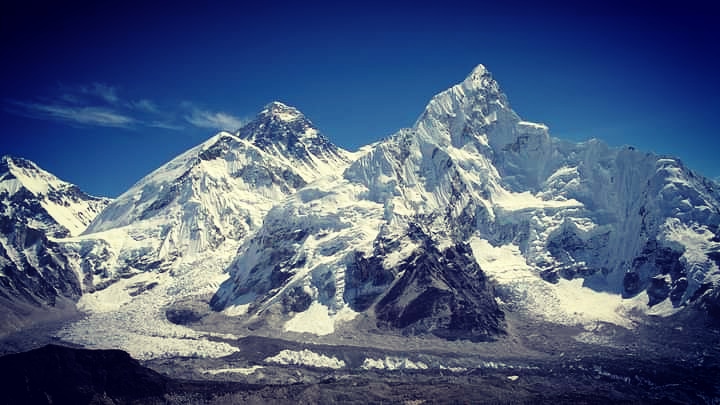
At 8,848.86 meters, Mount Everest holds the title of the tallest mountain in the world. Situated on the border between Nepal and Tibet, Everest has become a global symbol of achievement and ambition.
However, climbing Everest is far from simple. The mountain presents extreme conditions, including freezing temperatures, powerful winds, and dangerously low oxygen levels at high altitudes. The “death zone” above 8,000 meters is particularly hazardous, where the human body begins to deteriorate rapidly.
Despite these dangers, Everest remains the most climbed of the eight-thousanders due to established routes and commercial expeditions. It also plays a vital role in local economies through tourism and mountaineering. If you search online for the best trekking routes in the world, the Everest Base Camp trek is undoubtedly one of the finest hiking experiences, often regarded as the best of the best.
2. K2 – The World’s Most Challenging Peak
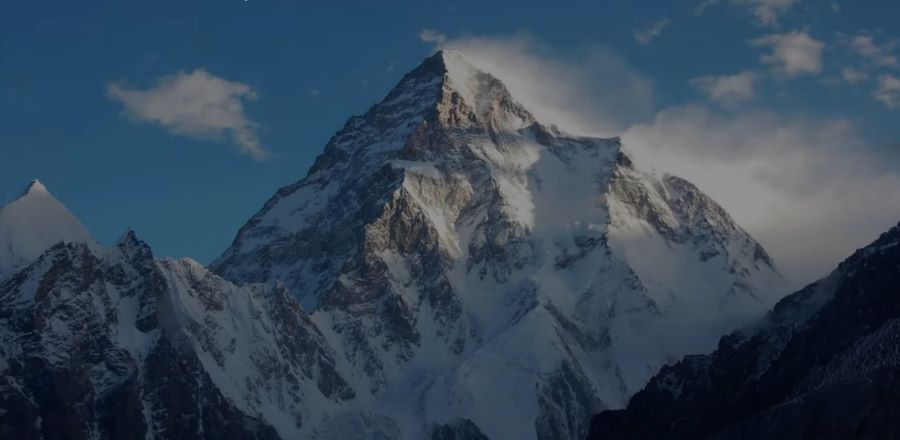
K2, standing at 8,611 meters, is the second-highest mountain but widely regarded as the most difficult and dangerous to climb. Located in the Karakoram range between Pakistan and China, K2 is often referred to as the “Savage Mountain.”
Unlike Everest, K2 offers no easy route to the summit. Climbers face steep ice walls, narrow ridges, and highly unpredictable weather. Sudden storms and avalanches are common, and the mountain has a significantly higher fatality rate compared to Everest.
K2 demands technical skill, physical strength, and mental resilience, making it a true test for elite mountaineers.
3. Kangchenjunga – A Sacred Himalayan Giant
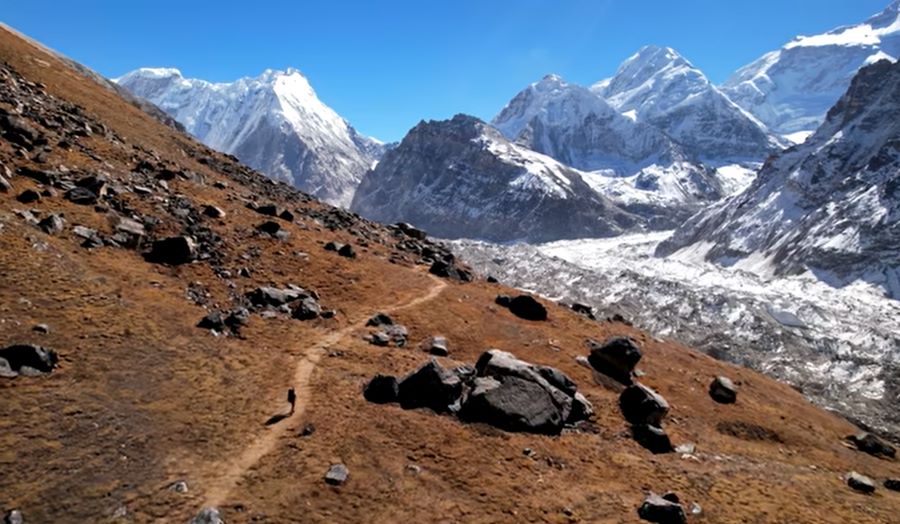
With a height of 8,586 meters, Kangchenjunga is the third tallest mountain in the world. It lies on the border between Nepal and India and is considered sacred by local communities.
The name “Kangchenjunga” translates to “Five Treasures of Snow,” representing its five peaks. Due to its spiritual significance, climbers traditionally stop just short of the summit out of respect for local beliefs.
The mountain is known for its remote location and challenging routes, with harsh weather conditions and frequent avalanches adding to the difficulty.
4. Lhotse – A Sharp and Steep Climbing Challenge
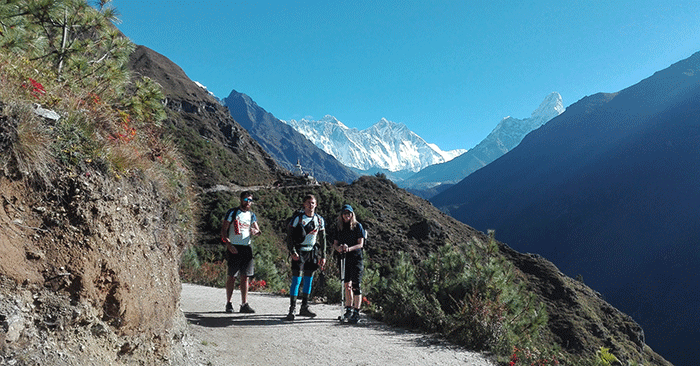
Lhotse, rising to 8,516 meters, is closely connected to Mount Everest. In fact, climbers often use the same base camp for both mountains.
What makes Lhotse unique is its steep south face, one of the most dramatic and challenging walls in the world of mountaineering. The climb requires technical expertise, particularly in navigating icy slopes and narrow ridges.
Although overshadowed by Everest, Lhotse remains a formidable peak in its own right.
5. Makalu – The Isolated Pyramid Peak
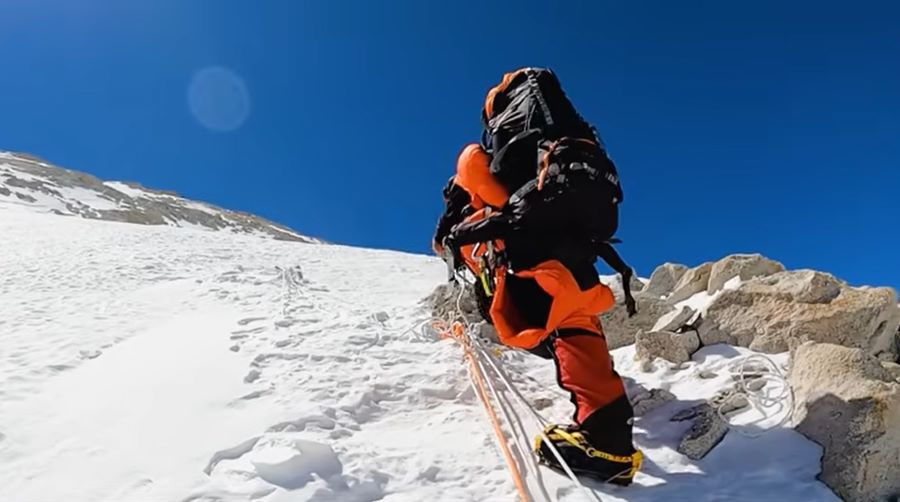
Makalu stands at 8,485 meters and is instantly recognizable due to its near-perfect pyramid shape. Located southeast of Everest, it is one of the most visually striking mountains in the Himalayas.
Makalu is considered one of the harder eight-thousanders to climb. Its sharp ridges, steep pitches, and exposure to harsh weather make it a technically demanding ascent. The mountain’s remote location also adds to the logistical challenges faced by climbers.
As a result, Makalu sees fewer successful summits compared to other peaks of similar height.
6. Cho Oyu – The Gateway to High-Altitude Climbing
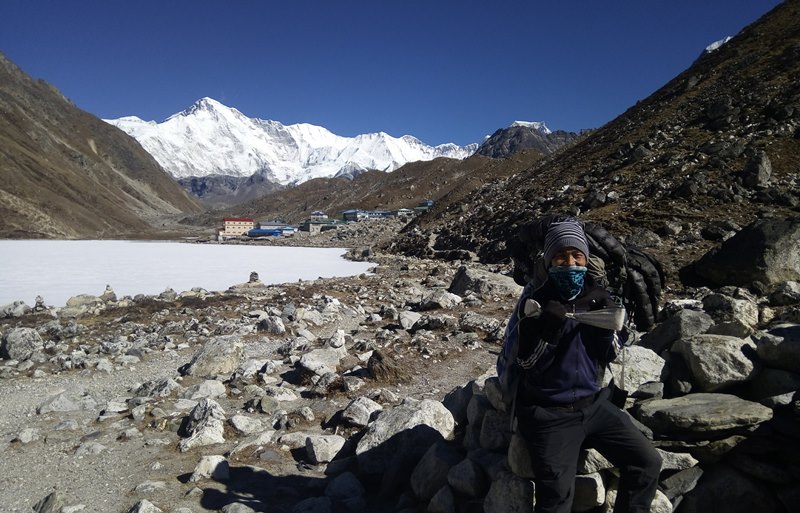
At 8,188 meters, Cho Oyu is often regarded as the most accessible of the eight-thousanders. Located on the Nepal-Tibet border, it offers a comparatively less technical climb.
Because of its relatively gentle slopes and stable routes, Cho Oyu is frequently chosen by climbers preparing for Everest. However, “easier” does not mean safe—altitude sickness, extreme cold, and sudden weather changes remain serious risks.
Cho Oyu serves as an important stepping stone in the world of high-altitude mountaineering, and it is clearly seen from Gokyo valley, as it is 10 days best hike in Nepal called the Gokyo Valley trek.
7. Dhaulagiri I – A Towering White Giant
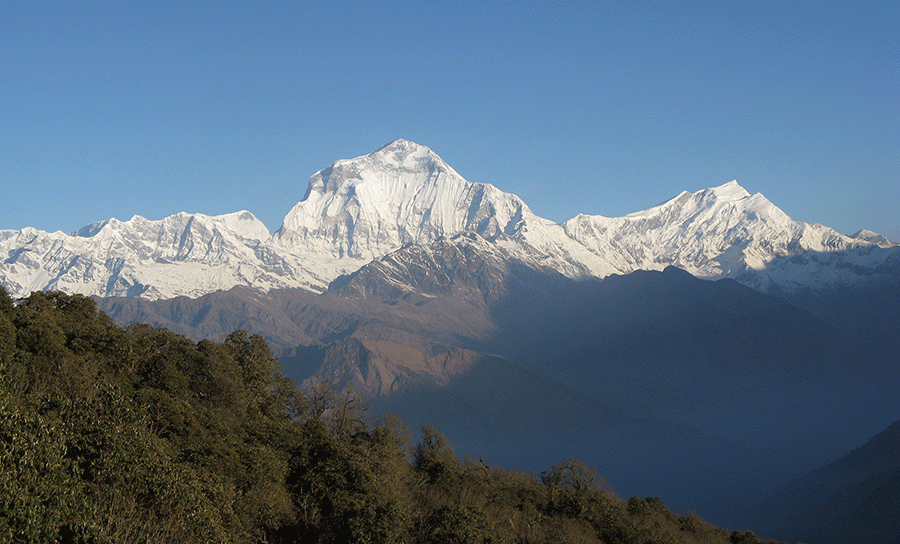
Dhaulagiri I reaches 8,167 meters and is located entirely within Nepal. Its name means “White Mountain,” reflecting its massive snow-covered face.
One of the most notable features of Dhaulagiri is its dramatic rise above surrounding terrain. It was once thought to be the highest mountain in the world before Everest was officially measured.
Climbing Dhaulagiri is extremely challenging due to its steep slopes, unpredictable weather, and avalanche-prone areas. Its isolation also adds to the complexity of expeditions. From Poon Hill, you can witness the stunning, perfectly shaped view of Mt. Dhaulagiri. If you have at least 2–3 days, you can do the Poon Hill trek and explore this magnificent giant mountain from Ghorepani and Poon Hill.
8. Manaslu – The Mountain of the Spirit
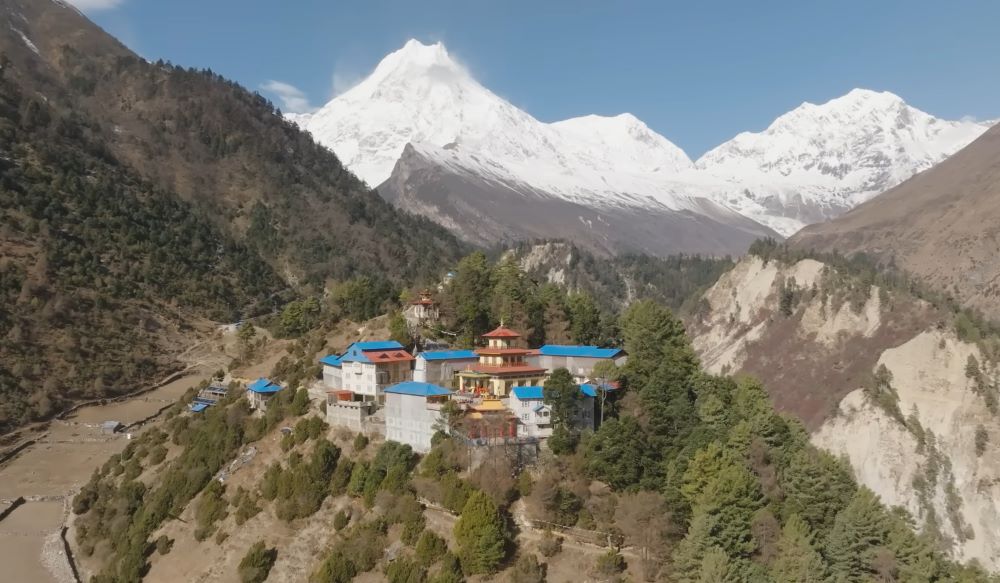
Manaslu, at 8,163 meters, is another prominent Himalayan peak. Its name comes from the Sanskrit word “Manasa,” meaning “spirit” or “soul.”
Manaslu has become increasingly popular among climbers, partly due to its scenic beauty and slightly less technical routes compared to some other eight-thousanders. However, it still presents serious dangers, including avalanches and crevasses.
The mountain is surrounded by a rich cultural heritage, with nearby villages preserving traditional Tibetan-influenced lifestyles. If you really want to explore the real shape of mountain Manaslu, than i highly recommended to d0 12 days Manaslu circuit trek, as it is a magical hiking route in the Himalaya.
9. Nanga Parbat – The Killer Mountain
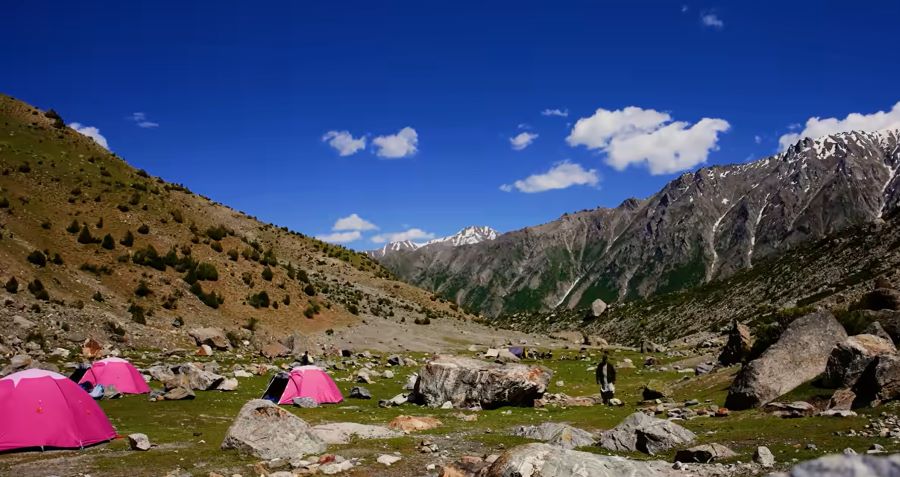
Standing at 8,126 meters, Nanga Parbat is one of the most feared mountains in the world. Located in Pakistan, it has earned the nickname “Killer Mountain” due to its high fatality rate in early climbing attempts.
The mountain’s most famous feature is the Rupal Face, one of the tallest vertical faces on Earth. Climbers face extreme weather, technical challenges, and high जोखिम conditions throughout the ascent.
Despite its dangers, Nanga Parbat continues to attract experienced climbers seeking one of the ultimate mountaineering challenges.
10. Annapurna I – Beauty and Extreme Risk

Annapurna I, with a height of 8,091 meters, is often considered one of the most dangerous mountains to climb. Located in Nepal, it is known for its breathtaking beauty as well as its high avalanche risk.
Annapurna was the first eight-thousander ever successfully climbed, but it remains one of the least forgiving. Frequent avalanches, unstable snow conditions, and unpredictable weather contribute to its reputation.
Even today, Annapurna has one of the highest fatality-to-summit ratios among the world’s tallest peaks.
If you want to see the real shape of Annapurna I, you need to trek all the way to Annapurna Base Camp, which usually takes about 6–10 days. Since you have enough time, you can customize the trek according to your schedule and pace. It is considered one of the best trekking experiences in Nepal.
Conclusion: Where Nature Tests Human Limits
The top 10 tallest mountains in the world are more than just geographical records—they are powerful natural forces that challenge human ambition and resilience. From the iconic height of Everest to the deadly slopes of Annapurna, each mountain offers a unique story of beauty, danger, and discovery.
For climbers, these peaks represent the ultimate goal. For the rest of us, they stand as reminders of how vast and untamed our planet truly is.