

KATHAMANDU - TENGBOCHE - DINGBOCHE - ISLAND PEAK BASE CAMP - DINGBOCHE - NAMCHE - LUKLA - KATHMANDU
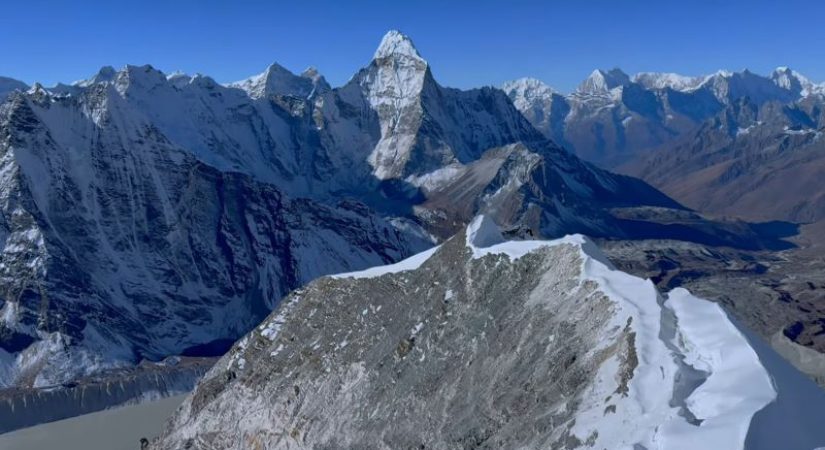
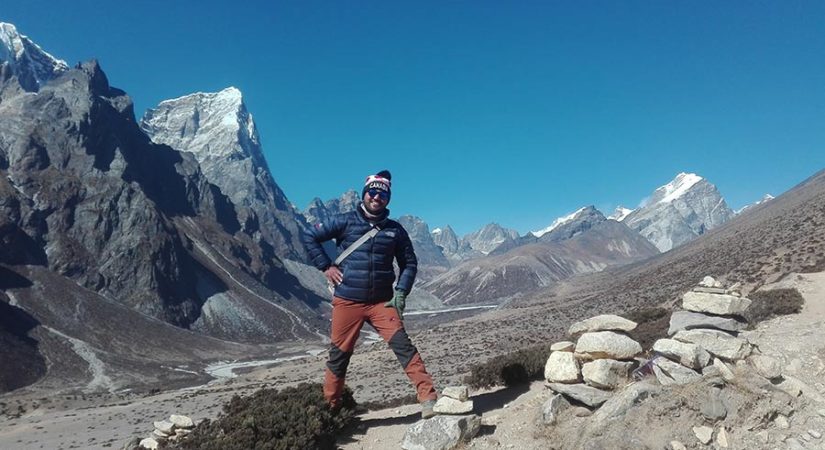
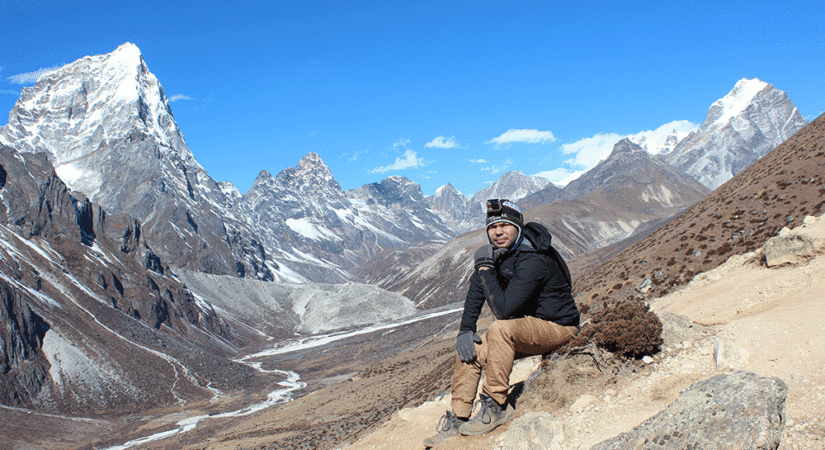


Why Budget Island Peak Climbing?
- Scenic Lukla Mountain Flight – Fly from Kathmandu to Lukla and begin your Himalayan adventure from the gateway to the Khumbu region.
- Trek Through Sherpa Villages – Walk through traditional mountain settlements and experience the unique Sherpa culture and Himalayan lifestyle.
- Namche Bazaar Acclimatization – Spend time in Namche Bazaar to adjust to the increasing altitude while enjoying spectacular mountain surroundings.
- Tengboche Monastery Visit – Visit the famous Tengboche Monastery and enjoy impressive views of Ama Dablam and the surrounding peaks.
- Dingboche and Imja Valley Trek – Continue into the high-altitude Imja Valley through dramatic alpine landscapes toward Chhukung.
- Island Peak Base Camp – Reach Island Peak Base Camp and prepare for the challenging climbing section of the journey.
- Practical Climbing Training – Learn and practice essential techniques, including crampon walking, ice-axe use, rope handling, and climbing with a harness.
- Early-Morning Island Peak Summit Push – Begin the summit attempt in the early hours and climb through snow, ice, and steep sections toward the top.
- Reach the 6,189-Meter Summit – Stand on the summit of Island Peak (Imja Tse) and enjoy wide Himalayan views, including Lhotse, Nuptse, Ama Dablam, and other surrounding peaks.
- Return Through the Khumbu Valley – Descend from the mountain and retrace the scenic route toward Lukla before flying back to Kathmandu.
Budget Island Peak Climbing Overview:
Budget Island Peak Climbing is an exciting Himalayan adventure in Nepal’s Everest region, combining a high-altitude trek with the challenge of climbing Island Peak (Imja Tse) at 6,189 meters (20,305 feet). It is a popular choice for trekkers who want to gain their first serious Himalayan climbing experience while enjoying spectacular views of Mount Everest, Lhotse, Nuptse, Ama Dablam, and other surrounding peaks.
The adventure normally begins with a flight from Kathmandu to Lukla, followed by a trek through the Khumbu Valley. Along the route, you pass through Sherpa villages, Buddhist monasteries, suspension bridges, forests, and rugged mountain landscapes. The itinerary also allows time for acclimatization, helping your body adjust gradually to the increasing altitude before the climb.
Island Peak is considered an introductory climbing peak, but it should not be underestimated. The route includes steep sections, rocky terrain, snow and ice, and glacier travel. Depending on the season and mountain conditions, climbers may need crampons, an ice axe, harness, helmet, ropes, and other mountaineering equipment. Previous high-altitude trekking experience and proper physical preparation are strongly recommended.
A budget Island Peak climbing package can reduce the overall cost by using shared transportation and group services while still providing essential climbing support. The final price depends on factors such as the group size, itinerary, guide and porter services, Lukla flights, accommodation, permits, meals, equipment, and the level of support included in the package.
For travelers seeking an affordable way to experience Himalayan mountaineering, Budget Island Peak Climbing offers a combination of trekking, technical climbing, Sherpa culture, and exceptional Everest-region scenery in one adventure.
Preparing for Budget Island Peak Climbing:
- Build physical fitness: Train with hiking, walking, running, cycling, and strength exercises to improve endurance and stamina.
- Practice altitude trekking: Gain experience with multi-day hikes and gradual altitude increases before the climb.
- Learn basic climbing skills: Practice using crampons, an ice axe, harness, ropes, and other essential mountaineering equipment.
- Prepare mentally: Be ready for long trekking days, cold conditions, steep terrain, and changing mountain weather.
- Pack the right gear: Carry suitable trekking and climbing clothing, boots, sleeping bag, helmet, crampons, ice axe, harness, and other required equipment.
- Understand the route: Learn about the trekking trail, acclimatization stops, Island Peak Base Camp, high camps, and summit-day conditions.
- Follow your climbing team: Listen carefully to your guide and follow safety instructions throughout the trek and summit attempt.
Who Can Do Budget Island Peak Climbing?
Budget Island Peak Climbing Outline
Day 01: Fly from Kathmandu to Lukla and Trek to Phakding – 2,610 m: 7–8 km, 3–4 hours
Day 02: Trek from Phakding to Namche Bazaar – 3,440 m: 10–12 km, 5–7 hours
Day 03: Acclimatization Day in Namche Bazaar – 3,440 m: 3–5 km, 3–4 hours
Day 04: Trek from Namche Bazaar to Tengboche – 3,860 m: 10 km, 5–6 hours
Day 05: Trek from Tengboche to Dingboche – 4,410 m: 11 km, 5–6 hours
Day 06: Trek from Dingboche to Island Peak Base Camp – 5,200 m: 8 km, 5–6 hours
Day 07: Acclimatization and Climbing Training at Island Peak Base Camp – 5,200 m: 2–3 km, 2–3 hours
Day 08: Island Peak Summit – 6,189 m and Return to Base Camp: 10–12 km, 10–12 hours
Day 09: Trek from Island Peak Base Camp to Dingboche – 4,410 m: 8 km, 4–5 hours
Day 10: Trek from Dingboche to Namche Bazaar – 3,440 m: 15–16 km, 6–7 hours
Day 11: Trek from Namche Bazaar to Lukla – 2,860 m: 18 km, 6–8 hours
Day 12: Fly from Lukla to Kathmandu – 1,400 m: 30–40 minutes flight time
What's included?
Domestic Air Transportation
- Round-trip domestic flights between Kathmandu and Lukla (Kathmandu–Lukla–Kathmandu).
- Airport assistance and coordination for domestic flights.
Trekking Permits & Government Fees
- Sagarmatha National Park Entry Permit.
- Khumbu Pasang Lhamu Rural Municipality Entry Permit/Fee.
- All applicable government permits, taxes, and required trekking documentation.
- Permit processing and administrative arrangements.
Trekking Accommodation
- Accommodation in comfortable teahouses/lodges during the trek.
- Daily breakfast throughout the trekking period.
Professional Trekking Guide
- Services of an experienced, government-licensed and professional trekking/climbing guide.
- Guide's salary and daily allowances.
- Guide's accommodation, meals, insurance, and other required expenses throughout the trek.
Safety & Emergency Support
- Emergency horse/mule support, when required, subject to availability and local conditions.
- Emergency assistance and helicopter evacuation coordination in case of a medical emergency or other critical situation.
- Trekking logistics and coordination throughout the journey.
Taxes & Administrative Charges
- Applicable government taxes and service charges.
- Required permits, documentation, and administrative processing fees.
Kathmandu Transportation
- Private vehicle transfer between Kathmandu hotel and domestic airport on departure.
- Private vehicle transfer from the domestic airport to the Kathmandu hotel upon return.
- Transportation by private car or jeep, depending on group size and luggage requirements
What's not included?
Meals During the Trek
- Lunch and dinner throughout the trekking period.
- Personal snacks, additional food items, and meals outside the specified package inclusions.
Travel & Medical Insurance
- Personal travel, medical, and emergency evacuation insurance.
- Any medical treatment, medication, hospitalization, or related expenses not covered by the traveler's insurance policy.
International Travel & Visa
- International airfare to and from Nepal.
- International airport departure taxes or other airline-related charges, where applicable.
- Nepal tourist visa fees and visa processing charges.
Personal Expenses
- Laundry and dry-cleaning services.
- Telephone calls, mobile data, and Wi-Fi charges.
- Personal shopping and other miscellaneous expenses.
- Any other personal expenses not specifically mentioned under Cost Includes.
Food & Beverages
- Alcoholic beverages, soft drinks, bottled water, and other beverages.
- Bar bills and beverage charges.
- Additional food, snacks, or meals beyond those included in the itinerary.
Climbing Equipment & Gear
- Personal trekking or climbing equipment and gear.
- Rental or purchase of specialized equipment, clothing, or gear, if required.
Tips & Gratuities
- Tips and gratuities for the trekking guide, porters, drivers, and other support staff.
- Tips are at the traveler's discretion and may be provided in accordance with personal satisfaction and local customs.
Additional Costs Due to Unforeseen Circumstances
- Any additional accommodation or meals resulting from flight delays, flight cancellations, bad weather, natural disasters, road or trail conditions, or other unforeseen circumstances.
- Additional transportation, accommodation, meals, or other expenses resulting from changes to the itinerary requested by the traveler or caused by circumstances beyond the company's control.
Other Exclusions
- Any services, facilities, or expenses not specifically mentioned under the “Cost Includes” section.
- Any additional costs arising from personal requests, itinerary modifications, or services beyond the agreed package
Day by Day Itinerary
DAY
01
Fly from Kathmandu to Lukla then trek to Phakding(2,660m)
25 Minute flight & 4 Hrs trek Breakfast, Lunch & Dinner Guest House in Phakding
Lukla is a popular starting point for many trekkers and mountaineers who are planning to explore the Solu-Khumbu region of Nepal, including the world-famous Mount Everest. The flight from Kathmandu to Lukla is one of the most scenic and exhilarating flights in the world, offering breathtaking views of the Himalayas and the surrounding landscape.
After landing in Lukla, it takes about 4 hours of walking to reach Phakding, which is located along the trail to Mount Everest. The trek from Lukla to Phakding passes through several villages, including Chheplung, Thado Koshi, and Ghat.
Chheplung is a small village located near the entrance of the Lukla airport, while Thado Koshi is a river that flows through the Solu-Khumbu region. Ghat is another small village located along the trail to Phakding, and it offers beautiful views of the surrounding mountains and forests.
Along the way, trekkers can enjoy the scenic beauty of the Solu-Khumbu region, as well as interact with the local Sherpa people and learn about their unique culture and traditions. Overall, the trek from Lukla to Phakding is a great way to get a taste of what the Solu-Khumbu region has to offer, and it is an unforgettable experience for anyone who loves nature, adventure, and culture.
DAY
02
Phakding to Namche Bazaar- 3,450m
6-7 Hours walk Breakfast, Lunch & Dinner Guest Hosue in Namche
The trek from Phakding to Namche Bazaar is a popular trekking route in the Solu-Khumbu region of Nepal, and it offers some of the best views of the Himalayas. The trail passes through several beautiful forests, including rhododendron and pine, and crosses several suspension bridges over the Dudh Koshi River.
Namche Bazaar is the largest town in the Solu-Khumbu region, and it is known as the gateway to Mount Everest. It is situated at an altitude of 3,450 meters above sea level, and it is a great place to acclimatize before heading higher into the mountains.
The trek from Phakding to Namche Bazaar takes about 5 to 6 hours, and along the way, trekkers can enjoy the beautiful scenery, interact with the local Sherpa people, and visit the Sagarmatha National Park, which is a UNESCO World Heritage Site.
Overall, the trek from Phakding to Namche Bazaar is an essential part of any trekking experience in the Solu-Khumbu region, and it is a great way to get a taste of the natural beauty, culture, and adventure that this region has to offer.
DAY
03
Acclimatization day in Namche Bazaar
2-3 Houtrs sight walk Breakfast, Lunch & Dinner Guest House
An acclimatization day in Namche Bazaar is an important part of any trekking itinerary in the Solu-Khumbu region of Nepal, especially if you are planning to trek to higher altitudes. Acclimatization helps your body to adjust to the lower levels of oxygen at higher elevations, and it reduces the risk of altitude sickness.
During your acclimatization day in Namche Bazaar, you can take a short hike to one of the nearby hills, such as the Syangboche Hill or the Everest View Hotel, which offer stunning views of the surrounding mountains, including Mount Everest. This hike helps you to increase your exposure to altitude gradually and allows your body to acclimatize more effectively.
DAY
04
Namche to Tyangboche-3867 meters.
5-6 Hours Breakfast, Lunch & Dinner Guest House
Today we embark on a new adventure as we leave Namche Bazaar and make our way towards Tyangboche. Also known as Tengboche, Tyangboche is a popular cultural hub among trekkers and is renowned for its stunning views and its revered Sherpa monastery.
The trail from Namche to Tyangboche is a beautiful one, offering picturesque views of the surrounding landscape and cultural landmarks such as stupas, chortens and monasteries Along the way, you'll be able to enjoy breathtaking views of majestic peaks like Mount Everest, Lhotse, and Aba Dablam. However, be cautious, as the rocky terrain of the pass can be tricky to navigate.
After crossing the Funki Thanga you will reach Tyangboche, situated at an altitude of 3867 meters. The path to Tyangboche from the pass is lined with Buddhist prayer flags and an overwhelmingly religious atmosphere. With the village's main attraction being its monastery, Tyangboche is a lively and culturally rich community.
Today we will be spending the night in a tea house in the Tyangboche settlement, where we can take in all the sights, sounds, and experiences of this unique and special place.
DAY
05
Trek from Tyangboche to Dingboche
5-6 Hours trek Breakfast, Lunch & Dinner Guest House
We're starting our day with a beautiful adventure. As the sun rises in Nepal, the mountains will look stunning with a bright glow. We're going to see this amazing view from the Tengboche monastery and it will be an unforgettable moment. After enjoying the sunrise, we'll have breakfast and then go to our next stop.
We're going on a long hike and will reach a height of over 4000 meters. We're taking it slow to stay safe and enjoy the beautiful mountain views along the way. We'll cross a river called Imja Khola and visit a place called Pangboche where we can say a prayer.
After a 5-6 hour walk, we'll arrive at the charming village of Dingboche. The area has a special landscape with green fields and pastures for animals, and they grow potatoes and barley there. The peace and calm of the area is even better because there aren't many trees. We'll spend the night in a cozy tea house in Dingboche and wake up surrounded by the amazing mountain views.
DAY
06
Trek from Dingboche to Island Peak Base Camp
6-7 Hours Breakfast, Lunch & Dinner Tented Camp at Base Camp
Today, we'll take a step closer to our ultimate goal of summiting Island Peak. After spending the night in Dingboche, we'll head towards the rough terrain of Island Peak Base Camp. This will bring us one step closer to reaching the summit.
As we hike through the Imja valley, we'll enjoy the breathtaking views of mountains like Lhotse, Island Peak, Nuptse, and more. Our journey will take us to the Island Peak Base Camp, located at an altitude of 5087 meters. This remote area offers no accommodations or tea houses, so we'll spend the night camping in tents.
We can expect to reach the base camp in about 6-7 hours, taking in the stunning landscape and mountain views along the way. To keep us warm and well-fed, we'll have access to cooks and cooking utensils. As we get closer to the peak, the nights will get colder, so be sure to stay warm. Additionally, the nearby Imja Lake is a popular and beautiful destination, but it also adds to the chill of the night air.
DAY
07
Acclimatization day at Base Camp- sight walk around
5-6 Hours Breakfast, Lunch & Dinner Tented Camp
Today marks another important day in our 15-day Island Peak Climbing journey. We have now reached an altitude of 5000 meters, and there is a possibility of experiencing altitude sickness. To prevent this, we will take a break for acclimatization, giving our bodies time to adjust to the high elevation.
Our experienced guides will check in with you to ensure you are in the best possible condition for the upcoming climb. Today is also a day for preparation, as we will summit Island Peak tomorrow.
Use this time to explore the base camp and its surroundings. The nearby Imja Lake is a breathtaking sight, offering stunning views of the nearby mountains. Take in the beauty of the area and rest up for the exciting journey that awaits tomorrow.
DAY
08
Island Peak Summit & Return to Island Peak Base Camp
9-10 hours trek Breakfast, Lunch & Dinner Tented Camp
Today is the day we've been preparing for. We'll be reaching the summit of Island Peak. After a restful acclimatization day, we'll head towards the climbing trail.
To avoid strong winds that usually blow in the afternoon, we'll start our climb early in the morning. The trail can be steep and rough, but our professional Sherpa guides will be with you every step of the way to ensure you're safe and comfortable.
There will be some technical parts in the climb, but don't worry, the guides will help you get over these sections with ease. They will make sure you are familiar with the equipment and that everything is secure. They will be there to support you throughout the climb and help you reach the summit without any difficulties.
After a long and strenuous climb, you'll finally reach the summit of Island Peak. You'll be able to admire the breathtaking views of the mountains and feel a sense of accomplishment for having completed the climb. You'll spend some time admiring the views from the top before starting your descent back to the base camp.
The way down can also be challenging, so take your time and follow the guidance of your guides. After a safe return to the base camp, we'll spend another night in our tented camp to rest up. Today will be the longest day of our trip, with a trekking and climbing time of 9-10 hours. So make sure to rest up and be prepared.
DAY
09
Trek from Island Peak Base Camp to Dingboche
5-6 Hours, Trek Breakfast, Lunch & Dinner Lodge in Dingboche
After successfully reaching the summit of Island Peak (Imja Tse), it's time to make our way back to civilization. We'll retrace our steps and head towards Dingboche, which is just a 5-6 hour trek away. The descent will be much easier compared to the ascent and you'll get to enjoy the beautiful views of the mountains once again.
You'll also pass by Tengboche village, where you can see the beautiful monastery and Buddhist prayer flags fluttering in the wind. After a long day of trekking, you'll finally reach Dingboche, where you can rest in the comfort of a tea house and spend the night there.
DAY
10
Trek From Dingboche to Namche Bazaar- 3450m
6-7 Hours trek Breakfast, Lunch & Dinner Guest House in Namche
Today, we'll leave Dingboche and make our way to Namche Bazaar once again. The trek from Dingboche to Namche Bazaar is just as beautiful as before, with stunning views of the mountains and the Tengboche village along the way. After a long day of trekking, you'll finally reach Namche Bazaar, where you'll spend the night at a tea house.
DAY
11
Namche to Lukla-2860 m
7 Hours trek Breakfast, Lunch & Dinner Lodge in Lukla
Today is the final and longest trek of our Island Peak Climbing Expedition. We'll leave Namche Bazaar early in the morning and make our way to Lukla, which is a 5-6 hour trek away. The trail is long and beautiful, with waterfalls, suspension bridges, and small villages along the way. After a long day of trekking, you'll finally reach Lukla, where you can relax and have a fulfilling dinner before spending the night in a lodge.
DAY
12
Fly from Lukla to Kathmandu
30 Minute Flight Breakfast Hotel in Kathmandu
Today is the day we will be flying back to Kathmandu after a long and adventurous trek in the mountains. We will board a flight from Lukla, the starting and ending point of our Island Peak Climb.
The flight from Lukla to Kathmandu is a scenic one and provides you with a chance to take in the beautiful views of the mountains one last time. You will witness the beautiful landscapes, the peaks, and valleys from the air, capturing memories to cherish for a lifetime.
As soon as we reach Kathmandu, you will be transferred to your hotel where you can rest and recuperate from your journey. This marks the end of our Island Peak Climbing Expedition.
Departure Dates
Sorry, No fixed departure dates are listed to group join, please request private trip
Reviews
Elio Salazar Caldua
Brazil
A Memorable Experience: The Unique Aspects of My Poon Hill Sunrise Trek
2023I am Elio Salazar and I recently had the pleasure of embarking on the Poon Hill Sunrise Trekking in Nepal with Safe Holiday Adventure Pvt. Ltd., and I cannot express enough how amazing the experience was. From start to finish, the team at Safe Holiday Adventure made us feel comfortable and safe, and our guide Anil was simply exceptional. Anil’s knowledge of the area and his attention to detail ensured that our trek was not only enjoyable, but also memorable beyond words. I highly recommend Safe Holiday Adventure and can’t wait to plan my next adventure with them. Namaste!!! best regards, Elio Salazar Caldua, Brazil
Dalas pacter
Australia
Poon hill sunrise trek
2019Doing the Poon Hill trek with Santosh was one of the highlights of my traveling life. The scenery was amazing, with a range of gardens, forests, and alpine views. But I can’t recommend Santosh’s leadership with greater enthusiasm. He has years of experience making people feel comfortable and it showed. The guy knows the mountains like the back of his hands, and always had detailed answers to any question he was asked. Add to that his empathy and good company, and we were all glad we had him on our side.
Essential Information
How Difficult Is Budget Island Peak Climbing?
Island Peak (Imja Tse) is considered a challenging introductory climbing peak in Nepal, standing at 6,189 meters. The climb combines high-altitude trekking with sections of technical mountaineering, making proper preparation important.
The main technical challenges include steep snow and ice slopes, glacier travel, crampon use, fixed ropes, and climbing with an ice axe and harness. Summit conditions can vary by season, so the difficulty may change depending on snow, ice, weather, and route conditions.
Island Peak does not require advanced mountaineering experience, but basic climbing training and good physical fitness are strongly recommended. With proper acclimatization, experienced guides, suitable equipment, and adequate preparation, fit trekkers with little previous climbing experience can attempt the summit.
Best Time for Budget Island Peak Climbing:
The best time for Budget Island Peak Climbing is generally during the autumn season from September to November and the spring season from March to May. These periods usually provide more stable mountain weather, clearer visibility, and better climbing conditions in the Everest region. They are also the preferred seasons for trekking toward Island Peak Base Camp and attempting the summit.
Autumn: September to November
Autumn is one of the most favorable seasons for Island Peak climbing. October and November typically bring clearer skies, good mountain visibility, and relatively stable conditions. The trails are busy with trekkers and climbers, while the spectacular views of Everest, Lhotse, Nuptse, and Ama Dablam make the journey especially rewarding.
September can still receive some lingering monsoon influence, particularly early in the month, so conditions may be less predictable than in October and November.
Spring: March to May
Spring is another excellent season for Island Peak climbing. March and April generally offer good visibility and suitable climbing conditions, while May can become warmer at lower elevations. The trekking routes also become more colorful as rhododendrons and other Himalayan flowers bloom.
As the season progresses, changing snow conditions and warmer temperatures can affect the mountain route, so climbers should follow the latest advice from their climbing guide and expedition team.
What About Winter and Monsoon?
Island Peak can technically be approached outside the main seasons, but winter brings much colder temperatures, heavier snow, and more demanding climbing conditions. The monsoon season from June to August brings frequent rain at lower elevations, cloud cover, and potentially difficult trail conditions, making it less suitable for a budget climbing itinerary.
Mountain weather can change rapidly at any time of year. Even during the preferred climbing seasons, summit attempts depend on current weather, snow and ice conditions, route safety, and the judgment of experienced climbing staff.
What is the difficulty level of Island Peak?
Island Peak, also known as Imja Tse, is considered a challenging peak to climb. It requires a certain level of physical fitness, mountaineering experience, and technical skills. The standard ascent of Island Peak involves hiking to base camp, acclimatizing, and then making a summit bid, which typically involves glacier travel, ice climbing, and rock scrambling.
As with any mountain climb, the difficulty level of Island Peak can vary based on a number of factors, including the climber's experience, the conditions, and the route taken. However, in general, it is considered a demanding climb and is not recommended for beginner mountaineers.
It is always recommended to climb Island Peak with a knowledgeable and experienced guide, and to thoroughly prepare physically and mentally for the challenge ahead.
Island Peak Climbing Equipment List:
- Mountaineering boots – Insulated, waterproof boots suitable for high-altitude climbing.
- Crampons – Compatible with your mountaineering boots for glacier and icy terrain.
- Climbing harness – Comfortable mountaineering harness for fixed-rope sections.
- Climbing helmet – Essential protection from falling rocks and ice.
- Climbing axe – One technical or mountaineering ice axe suitable for Island Peak.
- Jumar/ascender – Used for ascending fixed ropes during the technical sections.
- Figure-8 descender – For controlled descent on fixed ropes.
- Carabiners – Locking and non-locking carabiners for climbing systems.
- Prusik cord – Backup rope system for ascending or descending fixed lines.
- Climbing rope – Usually arranged by the climbing operator or guide.
- Gaiters – Protect your boots and lower legs from snow and ice.
- Mountaineering gloves – Warm, waterproof gloves for summit day.
- Inner gloves – Lightweight gloves for layering and dexterity.
- Down jacket – Insulated jacket for cold conditions at high altitude.
- Fleece jacket – Warm mid-layer for trekking and climbing.
- Waterproof jacket and pants – Protection from wind, snow, and rain.
- Thermal base layers – Moisture-wicking thermal top and bottom.
- Trekking pants – Comfortable pants suitable for long days on the trail.
- Warm trekking socks – Several pairs of wool or synthetic socks.
- Wool or fleece hat – Warm headwear for cold mornings and high camps.
- Sun hat or cap – Protection from strong Himalayan sunlight.
- Neck gaiter or buff – Protection from cold, wind, and dust.
- Mountaineering sunglasses – High-quality UV-protection sunglasses suitable for snow.
- Goggles – Useful for strong wind, blowing snow, and summit conditions.
- Headlamp with spare batteries – Essential for the early-morning summit climb.
- Daypack – Approximately 30–40 liters for carrying daily climbing essentials.
- Duffel bag – For clothing and equipment carried by porters.
- Sleeping bag – Four-season or high-altitude sleeping bag suitable for freezing temperatures.
- Trekking poles – Helpful on steep ascents and descents.
- Water bottles or hydration system – Carry sufficient water for long trekking and climbing days.
- Water purification tablets or filter – For treating drinking water during the trek.
- Sunscreen and lip balm – High-SPF protection against intense mountain sun.
- Personal first-aid kit – Basic medicines, blister treatment, bandages, and personal medication.
- Backpack rain cover – Protects your backpack from rain and snow.
- Travel and climbing accessories – Small repair kit, waterproof bags, toiletries, and necessary personal items
How long does it take to reach the summit of Island Peak from base camp?
The time it takes to reach the summit of Island Peak from base camp can vary greatly depending on the individual's pace and the conditions on the mountain. However, on average, it takes about 8-10 hours to reach the summit from base camp, and another 4-6 hours to descend back to base camp.
It's important to note that this is just an estimate, and actual ascent times can vary based on the individual's physical condition, the weather conditions, and the route taken. In some cases, the ascent may take longer or shorter depending on the conditions, and it's essential to be well-prepared and to have realistic expectations for the climb.
It's also important to take into consideration the need for acclimatization and rest days, which are crucial for preventing altitude sickness. It's recommended to take sufficient time to acclimatize, rest, and prepare for the summit bid to increase the chances of a successful and safe climb.
Is Altitude Sickness a Risk During Island Peak Climbing?
Yes, altitude sickness is a significant risk during Island Peak climbing because the route reaches 6,189 meters (20,305 feet) above sea level. The risk increases as you ascend above 3,000 meters, particularly around Dingboche, Island Peak Base Camp, and during the summit attempt.
Common symptoms include headache, nausea, dizziness, fatigue, loss of appetite, and difficulty sleeping. A gradual ascent with proper acclimatization days, staying hydrated, avoiding excessive exertion, and following your climbing guide’s advice can reduce the risk. If symptoms become severe or continue to worsen, descending to a lower altitude is essential.
What food and accommodation are available during Island Peak climbing?
During Island Peak climbing, accommodation is generally provided in local tea houses and lodges during the trekking section, while you stay in a tent at Island Peak Base Camp and usually at High Camp if the climbing itinerary uses it. Tea houses provide basic rooms, normally with twin beds, mattresses, blankets, and shared toilets; facilities become more basic as you climb higher.
Meals at tea houses commonly include dal bhat (rice, lentil soup, vegetables, and pickle), noodles, pasta, fried rice, momos, Sherpa stew, potatoes, eggs, bread, pancakes, soup, and porridge. Breakfast often includes porridge, eggs, Tibetan bread, pancakes, toast, and tea or coffee, while dal bhat, noodles, pasta, or soup are popular choices for lunch and dinner.
At Island Peak Base Camp, meals are usually prepared by the climbing crew or cook and served from the camp kitchen. Food is generally simpler than in the lower tea houses, with meals such as rice, dal, vegetables, noodles, soup, pasta, and other high-energy foods. It is also advisable to carry energy bars, chocolate, nuts, dried fruit, or other personal snacks for the summit day.
What permits and insurance do you need for Island Peak climbing?
To climb Island Peak (Imja Tse) in Nepal, you need the appropriate trekking and climbing permits, as well as travel insurance that covers high-altitude mountaineering and emergency evacuation.
- Island Peak Climbing Permit: A climbing permit is required for Island Peak. As a trekking peak, its climbing permits are processed through the Nepal Mountaineering Association (NMA).
- Sagarmatha National Park Entry Permit: The Island Peak route passes through Sagarmatha National Park, so trekkers must pay the national park entry fee. The current Nepal Tourism Board listing shows the fee for foreign visitors as NPR 3,000 per person.
- TIMS Card: A TIMS Card is required under Nepal's current trekking regulations for applicable Everest-region trekking routes and is normally arranged through a registered trekking agency. The current NTB information lists the fee as NPR 2,000 for non-SAARC travelers and NPR 1,000 for SAARC travelers.
- Travel and Mountaineering Insurance: Get comprehensive insurance that specifically covers high-altitude climbing, emergency medical treatment, helicopter evacuation, and trip cancellation/interruption, according to the insurer's policy terms.
Private vs. Group Island Peak Climbing:
Private vs. group Island Peak climbing offers different experiences depending on your budget, flexibility, and preferred trekking style. A private Island Peak climb provides a personalized itinerary, flexible walking pace, and more direct support from your guide. A group climb is generally more affordable and offers the opportunity to trek and climb with other adventurers. Both options can include professional guides, permits, accommodation, meals, and climbing equipment.
Budget Island Peak Climbing Weather and Temperature
Island Peak has cold, unpredictable mountain weather, with temperatures dropping sharply as altitude increases. During the climbing season, daytime temperatures around base camp can be relatively comfortable, while nights are freezing. At higher elevations, temperatures may fall well below -10°C, especially before sunrise.
Spring (March–May) and autumn (September–November) generally offer the best climbing conditions, with clearer skies and more stable weather. Winter is much colder, while the monsoon brings clouds, rain, and limited mountain visibility.
Common Risks and Dangers of Island Peak Climbing:
Island Peak climbing involves high-altitude trekking and technical climbing, so proper preparation, acclimatization, and experienced guidance are essential. The main risks include:
- Altitude sickness: The high elevation can cause headaches, nausea, dizziness, fatigue, and more serious altitude-related illnesses.
- Extreme cold: Freezing temperatures, strong winds, and prolonged exposure can lead to frostbite or hypothermia.
- Rapidly changing weather: Snowfall, strong winds, clouds, and poor visibility can make climbing conditions difficult.
- Crevasses and glacier hazards: Climbers may encounter crevasses and unstable glacier sections on the upper route.
- Rockfall and falling ice: Loose rocks and ice can create hazards, particularly on steeper sections.
- Avalanche risk: Heavy snowfall and unstable snow conditions can increase avalanche danger.
- Falls and climbing accidents: Steep terrain, fixed ropes, ladders, and icy surfaces require careful movement and appropriate equipment.
- Fatigue and dehydration: Long climbing days, strenuous activity, and high altitude can reduce strength and concentration.
- Injury or illness: Sprains, falls, exhaustion, or other health problems may require immediate treatment or evacuation.
- Human error: Poor preparation, overestimating ability, ignoring symptoms, or making unsafe decisions can increase overall risk.
Good acclimatization, suitable equipment, weather assessment, experienced guides, and knowing when to turn back are important for reducing these risks.
How to Reduce Island Peak Climbing Cost:
- Choose a group climbing package,
- Take a shorter Island Peak itinerary,
- Rent technical climbing equipment,
- Share a porter with other climbers,
- Choose standard accommodation,
- Compare local trekking agencies,
- Avoid unnecessary private transportation,
- Book flights and permits early,
- Travel during the lower-cost season,
- Choose an all-inclusive package to avoid hidden costs.
Best Way to Train for an Island Peak Climb:
- Build cardiovascular fitness with hiking, running, cycling, or stair climbing.
- Strengthen your legs and core through squats, lunges, step-ups, and resistance training.
- Practice hiking with a backpack and gradually increase distance and load.
- Train on uphill and uneven terrain to prepare for long mountain days.
- Develop climbing skills through rock, ice, or indoor climbing practice.
- Improve endurance gradually with longer training sessions each week.
- Prepare mentally for cold, fatigue, altitude, and challenging conditions.
- Allow adequate rest and recovery to prevent injury and overtraining.
Start training several months before the climb and increase the workload gradually. Fitness helps, but proper acclimatization on the mountain remains essential because training at low altitude cannot fully prepare the body for high-altitude conditions.
Lukla Flight Cost for Island Peak Climbing:
A Kathmandu to Lukla flight generally costs around US$215–255 per person one way for international trekkers. For a round trip, budget approximately US$430–510 per person. The fare can vary by airline, season, and availability.
During peak trekking seasons, flights may operate from Ramechhap Airport instead of Kathmandu. In that case, you should also budget for the Kathmandu–Ramechhap road transfer. For a budget Island Peak climb, keeping around US$500 for a round-trip Lukla flight is a practical estimate.
Cancellation Note
- Free cancellation up to 60 days prior departure
- 30% of the total cost of the trip will be charged if cancelled between 60 to 30 days prior to departure date
- 60% of total cost of the trip will be charged if cancelled in between 30 to 14 days prior to departure date.
Web design & Developed by Wildstone Solution
