

Do You Need a Guide for Trekking in Nepal?
16 Jul 2026 Santosh Gauli

Trekking in Nepal is a dream for adventurers around the world. With towering Himalayan peaks, centuries-old mountain villages, diverse cultures, and some of the world’s most iconic trekking routes, Nepal offers an unforgettable experience for beginners and seasoned hikers alike. However, one important question continues to come up before every trek: Do you need a guide for trekking in Nepal?
The simple answer is yes—most trekkers benefit greatly from hiring a professional local guide. While some trekking routes may appear straightforward, the Himalayas are unpredictable. Weather can change within hours, trails may become blocked by landslides or snowfall, and altitude-related health issues can affect even experienced hikers. A knowledgeable guide provides much more than navigation—they help you stay safe, understand local culture, communicate with villagers, and enjoy a smoother, more meaningful adventure.
In recent years, many trekkers have also started choosing freelance guides and independent mountain guides instead of booking expensive package tours through large agencies. This option offers flexibility, personalized service, and excellent value while directly supporting Nepal’s local guiding community.
Whether you are planning the Everest Base Camp Trek, Annapurna Base Camp (ABC) Trek, Mardi Himal Trek, Langtang Valley Trek, Ghorepani Poon Hill Trek, or even combining your adventure with Kathmandu city sightseeing and time in Pokhara, understanding the role of a professional guide will help you make the right decision before arriving in Nepal.
Why This Question Is More Important Than Ever
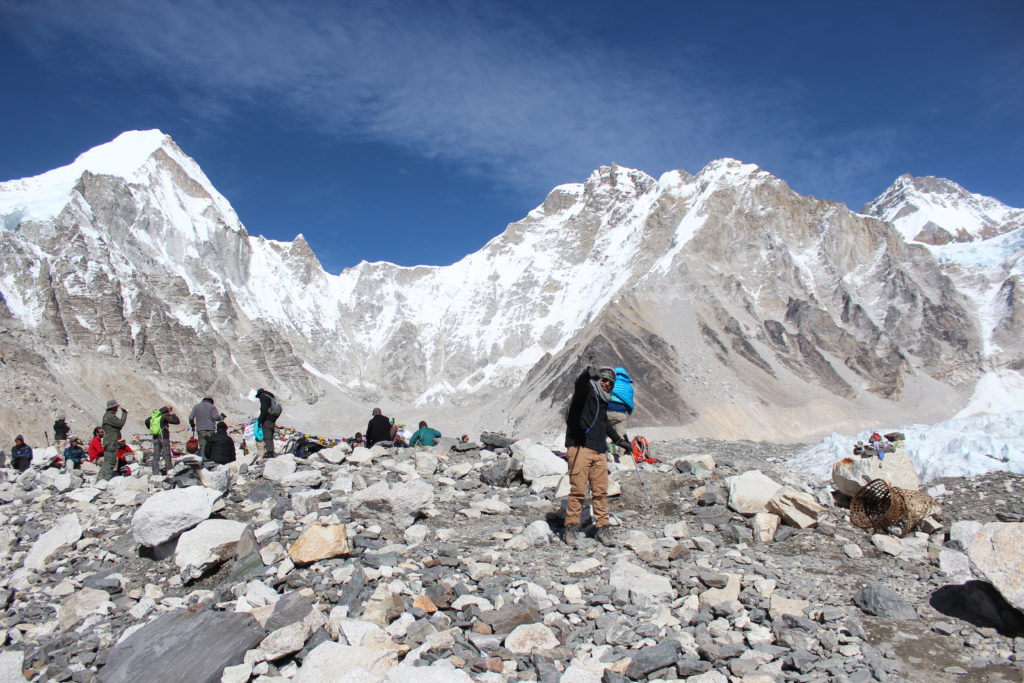
Over the last decade, trekking in Nepal has changed significantly. Improved roads, digital maps, GPS applications, and social media have made many trekking routes appear easier than they actually are. Online videos often show only the beautiful landscapes, leaving out the real challenges such as sudden weather changes, altitude sickness, route diversions, or finding accommodation during the busy trekking seasons.
Many first-time visitors believe they can simply download an offline map and complete a Himalayan trek without assistance. While technology is certainly useful, it cannot replace local experience. A phone battery can die, internet connections disappear in remote valleys, and GPS apps cannot advise you when a storm is approaching or when a fellow trekker begins showing early symptoms of altitude sickness.
A professional guide brings experience that no mobile application can provide. They understand the mountains, recognize changing weather patterns, know the safest trails, and can make quick decisions that protect your health and your holiday.
Is It Mandatory to Hire a Guide for Trekking in Nepal?
This is one of the most searched questions by travelers planning a Himalayan adventure. The answer depends on where you plan to trek.
Some trekking regions have stricter regulations than others. Certain restricted areas require licensed guides and special permits, while rules for popular trekking routes may change over time as authorities prioritize visitor safety and sustainable tourism.
Even when a guide is not legally required, hiring one is often the wiser choice. The cost of a professional guide is relatively small compared with the overall expense of international flights, travel insurance, permits, equipment, and accommodation. More importantly, the support they provide can prevent costly mistakes, improve safety, and enrich the entire trekking experience.
Rather than thinking of a guide as an extra expense, many experienced trekkers view them as an investment in a safer, more enjoyable journey.

Why More Travelers Are Choosing Freelance Guides in Nepal
One of the biggest trends in Nepal’s trekking industry is the growing popularity of freelance trekking guides.
Instead of purchasing a fixed package from a large trekking company, many travelers now choose to hire an experienced independent guide directly. This approach creates a more personal connection and allows trekkers to customize their itinerary according to their interests, fitness level, and travel schedule.
Unlike large group tours that often follow rigid timetables, freelance guides can adjust walking distances, rest days, sightseeing opportunities, and daily schedules to suit your pace. This flexibility is especially valuable for photographers, families, solo travelers, and anyone who prefers a relaxed trekking experience.
Hiring a freelance guide also means more of your payment stays within the local community. Rather than paying multiple layers of company commissions, you are directly supporting the professional who is sharing their knowledge and leading your adventure.
Freelance Guide vs Trekking Agency: Which One Is Better?
Many trekkers assume that booking through a large trekking agency is always the safest option. In reality, both choices have advantages, and the best option depends on your travel style.
Trekking Agency
A trekking agency usually provides a complete package that includes airport transfers, hotel bookings, permits, transportation, accommodation, guides, and porters. This can be convenient for travelers who prefer everything to be organized before arriving in Nepal.
However, agency packages are often more expensive because they include administrative costs and company overheads. Group departures may also follow fixed schedules, leaving less flexibility if you want to adjust your itinerary along the way.
Freelance Guide
An experienced freelance guide offers many of the same services but with greater flexibility and often at a lower overall cost. Independent guides can help arrange permits, transportation, accommodation, and porters while tailoring the trek to your personal interests.
Communication is often more direct because you are speaking with the guide who will actually accompany you on the trail. This creates a stronger relationship before your trek even begins and allows you to discuss expectations, fitness levels, and special requests in advance.
For travelers seeking a personalized experience rather than a standard package, hiring a freelance guide is becoming the preferred choice.
What Does a Trekking Guide Actually Do?

Many people imagine a guide simply walking ahead on the trail. In reality, their responsibilities begin long before the trek starts and continue until you safely return.
Planning the Best Itinerary
Every trekker walks at a different pace. Some enjoy long hiking days, while others prefer shorter stages with more time to relax or explore local villages.
A professional guide designs a realistic itinerary based on your experience, available time, and physical condition. This reduces fatigue and increases your chances of completing the trek comfortably.
Arranging Permits and Trek Logistics
Most trekking regions in Nepal require permits before entering protected areas or national parks.
An experienced guide knows exactly which permits are needed and can assist with the application process. They also help coordinate transportation, accommodation, and daily schedules, allowing you to focus entirely on enjoying the journey.
Booking the Best Tea Houses
Tea houses fill up quickly during the busy spring and autumn trekking seasons.
Because local guides know lodge owners personally, they can often secure comfortable accommodation even when villages become crowded. This can save hours of unnecessary searching at the end of a long day.
Many guides also know which tea houses provide cleaner rooms, better food, hot showers, charging facilities, and reliable Wi-Fi.
Sharing the Stories Behind the Mountains
Without a guide, many trekkers simply admire the scenery without understanding its cultural and historical significance.
A knowledgeable local guide transforms the landscape into a living story. They explain the meaning of colorful prayer flags fluttering along the trail, the purpose of ancient mani walls, the traditions observed in Buddhist monasteries, and the customs that shape everyday life in Himalayan villages.
Whether you are walking through Sherpa settlements in the Everest region, Gurung villages in Annapurna, or Tamang communities in Langtang, these cultural insights create a far richer and more memorable experience than hiking alone.
A Local Guide Helps You Experience Nepal—Not Just Walk Through It
One of the greatest advantages of hiring a local guide is gaining access to experiences that guidebooks and travel apps rarely mention.
Perhaps there is a small monastery perched above the trail where monks welcome respectful visitors, a family-run tea house known for its homemade apple pie, or a hidden viewpoint that most trekkers walk past without noticing. These are the moments that often become the highlights of a journey.
Local guides also act as cultural bridges. They translate conversations, explain traditions, introduce you to local foods, and help you connect with the people who make Nepal such a special destination. Instead of feeling like an outsider passing through, you begin to experience the mountains through the eyes of those who call them home.
Safety in the Himalayas: Why Experience Matters
The Himalayas are breathtaking, but they demand respect.
Trail conditions can change overnight due to snowfall, heavy rain, landslides, or rockfall. High-altitude environments place additional stress on the body, and symptoms of Acute Mountain Sickness (AMS) can appear even in fit and experienced hikers.
A trained guide continually monitors your pace, hydration, appetite, and overall condition. They know when to slow down, when an extra acclimatization day is necessary, and when descending is the safest decision. Their judgment comes from years of practical experience—not from a map or an app.
In an emergency, a guide can coordinate communication with local authorities, arrange transportation or helicopter evacuation if needed, and ensure that the right decisions are made quickly. That peace of mind is difficult to put a price on, especially in remote mountain regions
Sherpa Guide vs Local Guide vs Freelance Guide vs Porter Guide
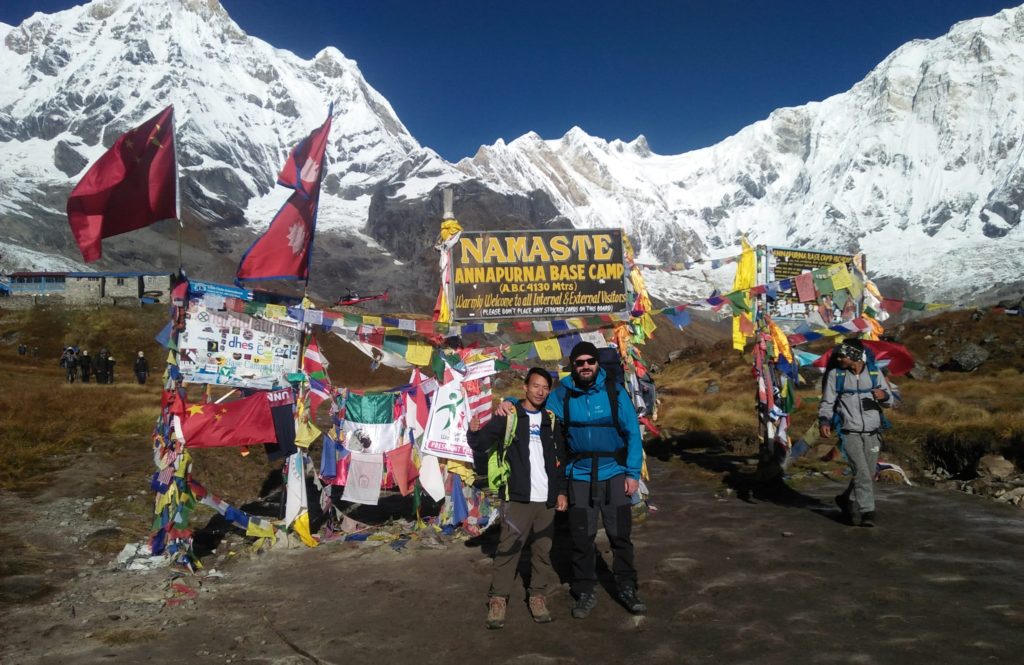
One of the biggest misconceptions among first-time visitors to Nepal is that every mountain guide is a Sherpa. While the Sherpa people are world-famous for their mountaineering achievements, Nepal is home to many highly skilled trekking guides from different ethnic communities, including Gurung, Tamang, Magar, Rai, Limbu, Thakali, Newar, and others. Each brings valuable local knowledge and years of experience to the trail.
Understanding the differences between guide types will help you choose the right person for your adventure.
Sherpa Guide
A Sherpa guide is one of the most trusted companions for trekking in Nepal, especially in the Everest region. Sherpa guides are known for their exceptional mountain knowledge, strong trekking skills, and deep understanding of high-altitude environments. Their experience helps trekkers navigate challenging trails safely while enjoying a richer and more meaningful journey.
Beyond guiding the route, a Sherpa guide shares the unique traditions, culture, and lifestyle of the Himalayan communities. They can explain the history of ancient monasteries, prayer flags, festivals, and local customs, giving trekkers a deeper appreciation of the region. Their warm hospitality and genuine connection with the mountains create an unforgettable trekking experience.
Hiring a Sherpa guide for trekking in Nepal also provides valuable support with logistics, altitude awareness, and communication with local tea houses. Whether you are trekking to Everest Base Camp, Gokyo Lakes, or other Himalayan destinations, an experienced Sherpa guide enhances both your safety and your overall adventure, allowing you to trek with greater confidence and peace of mind.
Local Guide
Choosing a local guide for trekking in Nepal is one of the best ways to enjoy a safe, authentic, and rewarding Himalayan adventure. Local guides have years of firsthand experience on the mountain trails and possess excellent knowledge of the terrain, weather conditions, altitude, and trekking routes. They also introduce you to Nepal’s rich culture, traditions, local villages, and hidden gems that many visitors would otherwise miss.
Hiring a local trekking guide also means your money directly supports local families and communities rather than large international companies. This helps create sustainable tourism while providing employment opportunities for experienced Nepali guides who are passionate about sharing their homeland. With their friendly hospitality, local insights, and professional trekking skills, a local guide can make your journey through Nepal more enjoyable, meaningful, and memorable.
Freelance Guide
A freelance guide works independently rather than exclusively for a trekking company. This has become an increasingly popular option for travelers who want personalized service, flexible itineraries, and direct communication with the person leading their trek.
Freelance guides often organize permits, transportation, accommodation, and porters while tailoring the journey to your pace and interests. Because there are fewer administrative costs, they frequently offer excellent value without compromising professionalism.
Porter Guide
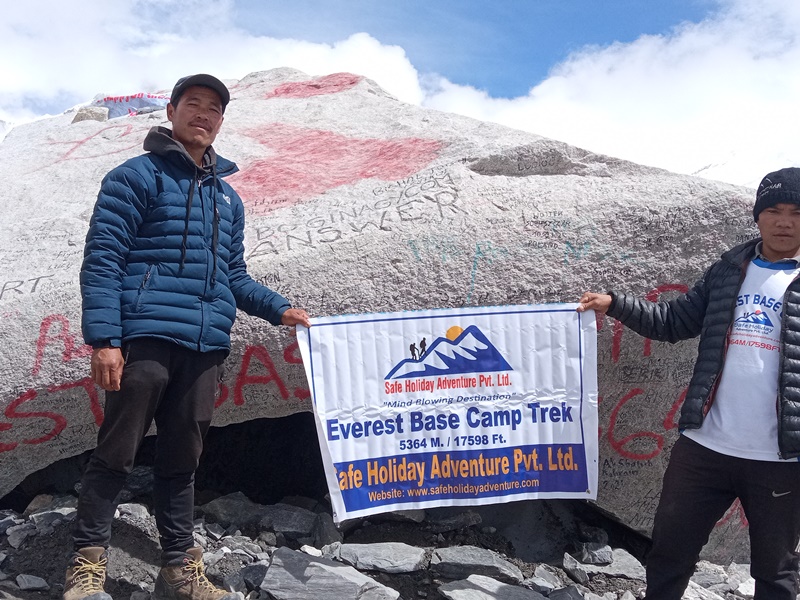
A porter guide for trekking in Nepal is an excellent choice for trekkers who want both support and local guidance while keeping costs affordable. A porter guide carries a lighter load than a full porter while also helping with the trail, daily planning, and basic trekking information. This option is ideal for solo travelers, couples, and small groups on popular trekking routes.
Most porter guides are local people with years of mountain experience. They know the trekking trails, tea houses, weather conditions, and local culture very well. They can communicate with lodge owners, assist with simple translations, and ensure your journey is smoother and more enjoyable throughout the trek.
Hiring a porter guide for trekking in Nepal also directly supports local communities and creates sustainable employment in the Himalayan region. Your money stays within the local economy while you receive friendly, reliable assistance from someone who understands the mountains. It is a practical and responsible way to experience Nepal’s famous trekking destinations.
What Makes a Great Mountain Guide?
Not all trekking guides offer the same level of expertise. The best mountain guides share several important qualities that go beyond simply knowing the trail.
Extensive Trekking Experience
Experience matters in the Himalayas. A guide who has completed the same route many times is more likely to anticipate weather changes, identify safe alternatives, and respond confidently to unexpected situations.
Government License and Training
Always choose a guide who has completed official trekking guide training and holds a valid license. Professional certification demonstrates that the guide has received instruction in navigation, first aid, mountain safety, and responsible tourism.
First Aid and Altitude Knowledge
One of the most valuable skills a guide possesses is recognizing the early signs of altitude sickness. Timely decisions can prevent serious health issues and help ensure a safe trek.
Strong Communication Skills
A knowledgeable guide should be able to explain local history, traditions, wildlife, geography, and daily trekking plans in a clear and engaging way. Good communication also makes it easier to solve any issues that arise during the journey.
Positive Reputation
Reading genuine reviews and testimonials from previous trekkers is one of the best ways to assess a guide’s professionalism, reliability, and commitment to customer satisfaction.

How Much Does a Trekking Guide Cost in Nepal?
The cost of hiring a trekking guide depends on several factors, including the trekking region, the guide’s experience, the season, and the services included.
A professional freelance guide typically offers competitive daily rates while providing personalized attention throughout your trek. Many guides can also assist with arranging permits, transportation, accommodation, and porters at fair local prices.
When comparing costs, remember that the cheapest option is not always the best. An experienced guide contributes to your safety, comfort, and overall enjoyment—making them one of the most valuable investments in your trip.
Why a Guide Is Worth Every Dollar
Some travelers hesitate to hire a guide because they want to reduce travel expenses. However, many discover that a guide actually saves them money in the long run.
A knowledgeable guide helps you avoid unnecessary transportation costs, recommends reasonably priced tea houses, prevents booking mistakes, and manages your itinerary efficiently. More importantly, they reduce the risk of expensive emergencies caused by poor planning or incorrect decisions in the mountains.
The confidence, convenience, and local expertise they provide often outweigh the guiding fee many times over.
Best Treks Where Hiring a Guide Makes a Real Difference
Although every trekking route in Nepal offers unique experiences, some trails benefit particularly from having an experienced guide.
Everest Base Camp Trek
The Everest Base Camp Trek is Nepal’s most iconic adventure. From the thrilling flight to Lukla to the breathtaking views of Mount Everest, every day presents unforgettable moments.
A guide helps manage acclimatization, secures tea house accommodation during busy seasons, monitors your health at altitude, and shares fascinating insights into Sherpa culture and the history of Himalayan mountaineering.
Annapurna Base Camp (ABC) Trek
The Annapurna Base Camp Trek combines lush forests, terraced farmland, waterfalls, traditional Gurung villages, and spectacular mountain scenery.
A local guide enriches the journey by explaining village life, recommending authentic local foods, and ensuring a comfortable trekking pace as you ascend toward the heart of the Annapurna Sanctuary.
Mardi Himal Trek
The Mardi Himal Trek has become one of Nepal’s fastest-growing trekking destinations thanks to its incredible mountain views and relatively short itinerary.
Although the trail is less demanding than some longer treks, sections pass through dense forests and ridgelines where weather can change rapidly. A guide helps with navigation, accommodation, and local knowledge while ensuring you make the most of every viewpoint.
Langtang Valley Trek
The Langtang Valley Trek offers dramatic alpine scenery combined with rich Tamang culture and beautiful monasteries.
Walking with a guide allows you to understand the region’s history, traditions, wildlife, and remarkable recovery following the devastating 2015 earthquake. Their local knowledge transforms the trek into a deeper cultural experience.
Ghorepani Poon Hill Trek
The Ghorepani Poon Hill Trek is often recommended for beginners because of its manageable difficulty and spectacular sunrise views over the Annapurna and Dhaulagiri ranges.
A guide enhances the experience by introducing you to local communities, explaining the surrounding peaks, and ensuring your trek runs smoothly from start to finish.
Beyond the Mountains: Discover Nepal’s Cultural Highlights
Your adventure doesn’t have to end when the trek finishes.
Many visitors choose to explore Nepal’s historic cities before or after heading into the Himalayas.
Kathmandu City Sightseeing
Kathmandu is a fascinating blend of ancient temples, lively markets, sacred stupas, and centuries-old palaces. Exploring the city with a knowledgeable local guide brings these UNESCO World Heritage Sites to life through stories, history, and cultural insights that are easy to miss when traveling alone.
Pokhara
Pokhara is Nepal’s adventure capital and the perfect place to relax before or after a trek. From the peaceful shores of Phewa Lake to the World Peace Pagoda, Davis Falls, caves, and panoramic mountain viewpoints, the city offers a refreshing contrast to the rugged Himalayan trails.
A local guide can help you discover attractions beyond the typical tourist route and recommend authentic restaurants, cafés, and cultural experiences.
Why More Trekkers Trust Independent Guides
The travel industry has changed significantly in recent years. More travelers now prefer direct communication with the person who will actually accompany them in the mountains.
Independent guides often provide:
- Flexible itineraries
- Honest local advice
- Personalized service
- Fair pricing
- Faster communication
- Strong local connections
- Greater attention to individual needs
Instead of feeling like one member of a large group, you receive an experience tailored specifically to your interests and fitness level.
Choosing a Trusted Freelance Guide in Nepal
When selecting a guide, take time to research their background, trekking experience, client reviews, communication style, and familiarity with your chosen route.
A professional guide should be transparent about costs, explain what is included in the service, and answer your questions before you arrive in Nepal.
Many experienced independent guides maintain professional websites where travelers can learn about trekking itineraries, guiding experience, and previous client feedback. NepalEverestGuide.com is one example of a website dedicated to personalized trekking experiences, freelance guiding services, and customized adventures across Nepal’s Himalayan regions.
Whether you’re planning a short hike or a multi-week expedition, choosing an experienced guide with a strong reputation will help ensure a safe, enjoyable, and memorable journey.
Frequently Asked Questions
Is hiring a guide compulsory in Nepal?
Requirements vary depending on the trekking region and current regulations. Always check the latest permit rules before your trip.
Can beginners trek with a guide?
Absolutely. In fact, beginners often gain the most confidence and enjoyment from trekking with an experienced guide.
Is a freelance guide safe?
Yes, provided you choose a licensed and experienced professional with positive client reviews.
Can a guide arrange permits?
Yes. Most professional guides can assist with obtaining the necessary permits for your chosen trekking route.
Will a guide book tea houses?
Yes. Guides usually organize accommodation throughout the trek, especially during busy seasons.
Do guides speak English?
Most licensed trekking guides speak English, and many also speak additional languages depending on their experience and training.
Should I hire both a guide and a porter?
For longer or more challenging treks, many travelers choose this combination. It allows you to walk comfortably with a lighter backpack while the guide focuses on your safety and overall experience.
Final Thoughts:
If your goal is simply to complete a trek, you may be tempted to rely on maps and travel apps. But if you want a journey that is safer, more comfortable, culturally enriching, and genuinely memorable, hiring a guide is one of the best decisions you can make.
A professional guide does far more than lead the way. They help you acclimatize safely, organize permits and accommodation, interpret local culture, solve unexpected challenges, and ensure that every day of your trek runs smoothly. Their knowledge, experience, and personal support allow you to focus on enjoying the spectacular landscapes rather than worrying about logistics.
Whether you dream of standing beneath the towering peaks on the Everest Base Camp Trek, reaching the breathtaking sanctuary of the Annapurna Base Camp Trek, exploring the peaceful ridgelines of the Mardi Himal Trek, discovering the rich Tamang culture of the Langtang Valley Trek, watching sunrise from Ghorepani Poon Hill, or extending your holiday with Kathmandu city sightseeing and time in beautiful Pokhara, the right guide will transform your adventure into an experience you’ll remember for a lifetime.
For travelers seeking flexibility, authentic local knowledge, fair pricing, and personalized service, hiring a licensed freelance guide, independent mountain guide, or experienced local guide is often the smartest choice. A trusted professional—such as the experienced team behind NepalEverestGuide.com—can help you explore Nepal with confidence while supporting the local communities that make Himalayan trekking so special.
The mountains of Nepal are extraordinary. Exploring them with the right guide makes the journey even more rewarding.