

ISLAND PEAK CLIMBING 2026
5 May 2026 Santosh Gauli
1. INTRODUCTION – WHAT IS ISLAND PEAK CLIMBING?
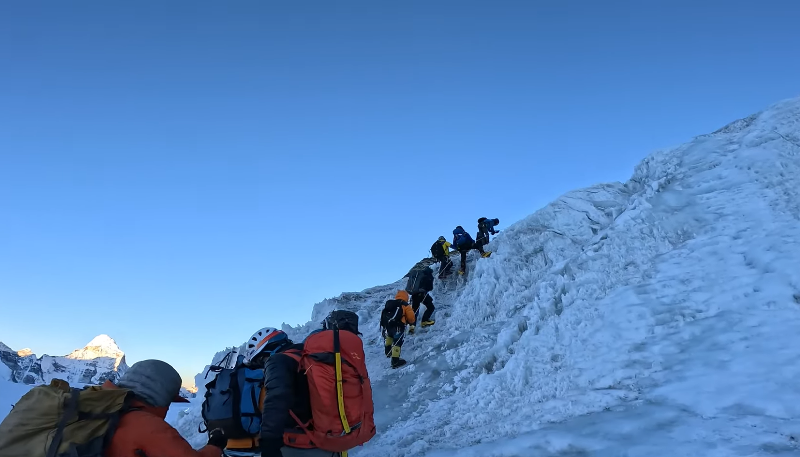
Island Peak (Imja Tse) is one of Nepal’s most popular trekking peaks, located in the Everest region at 6,189 meters (20,305 ft). Widely regarded as a beginner-friendly Himalayan climbing peak, it offers an ideal introduction to mountaineering in the Khumbu.
Island Peak climbing is more than a trekking destination — it’s a genuine mountaineering experience. The journey combines trekking through scenic Sherpa villages, crossing glaciers, and climbing steep ice walls using ropes, crampons, and technical climbing equipment.
Many climbers choose Island Peak as their first Himalayan 6,000-meter peak because it gives both adventure and a learning experience in high-altitude climbing.
From the summit, climbers enjoy breathtaking views of:
- Mount Everest
- Lhotse
- Nuptse
- Ama Dablam
- Makalu (on clear days)
Island Peak Climbing is part of the Khumbu Valley and is often combined with the Everest Base Camp trek to improve acclimatization.
2. WHY IS ISLAND PEAK SO POPULAR?
Island Peak has become one of the top climbing choices in Nepal because:
✔ Beginner-Friendly Mountaineering
Even first-time climbers can attempt it with proper training and guide support.
✔ Everest Region Experience
It is located near Everest Base Camp, giving a full Himalayan adventure.
✔ Affordable Compared to Other Peaks
It is cheaper than peaks like Mera Peak or Ama Dablam.
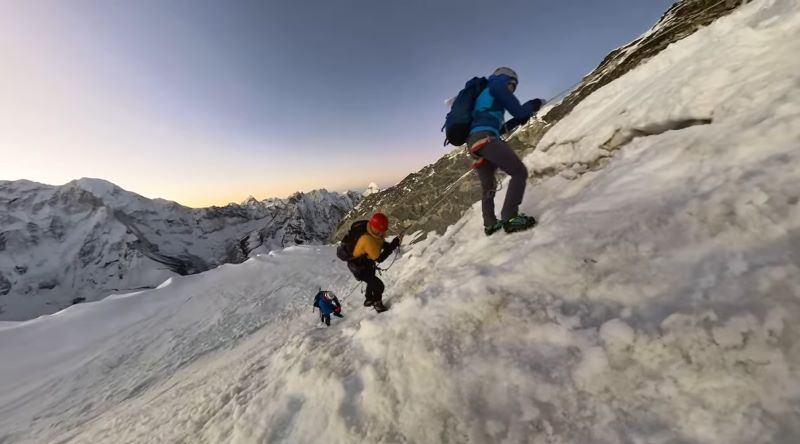
✔ Technical but Manageable
It includes basic climbing skills like:
- Rope climbing
- Ice axe use
- Crampons walking
✔ Stunning Landscape
You pass glaciers, rivers, forests, and high-altitude valleys.
3. BEST TIME FOR ISLAND PEAK CLIMBING
Choosing the right season is very important for safety and success.
Spring Season (March–May)
This is the most popular time.
✔ Stable weather
✔ Less wind
✔ Clear skies
✔ Rhododendron forests bloom
Mountains are visible almost every day, and temperatures are moderate.
Autumn Season (September–November)
This is the second-best season.
✔ Best visibility
✔ Dry trails
✔ Stable climbing conditions
✔ Safe glacier conditions
Winter (December–February)
- Very cold temperatures
- Heavy snow on summit
- Limited tea house availability
Monsoon (June–August)
- Rain, landslides
- Cloudy weather
- Flight delays in Lukla
4. DIFFICULTY LEVEL OF ISLAND PEAK
Island Peak requires prior trekking experience and basic fitness.
Physical Difficulty
- Long trekking days (5–7 hours daily)
- High altitude above 6,000m
- Thin air and low oxygen
Technical Difficulty
- Ice wall climbing (last section)
- Fixed rope climbing required
- Use of crampons and harness
Mental Challenge
- Cold weather
- Summit push starts early morning (1–2 AM)
- Strong mental focus needed
With proper training, beginners can climb it.
5. PERMITS REQUIRED FOR ISLAND PEAK
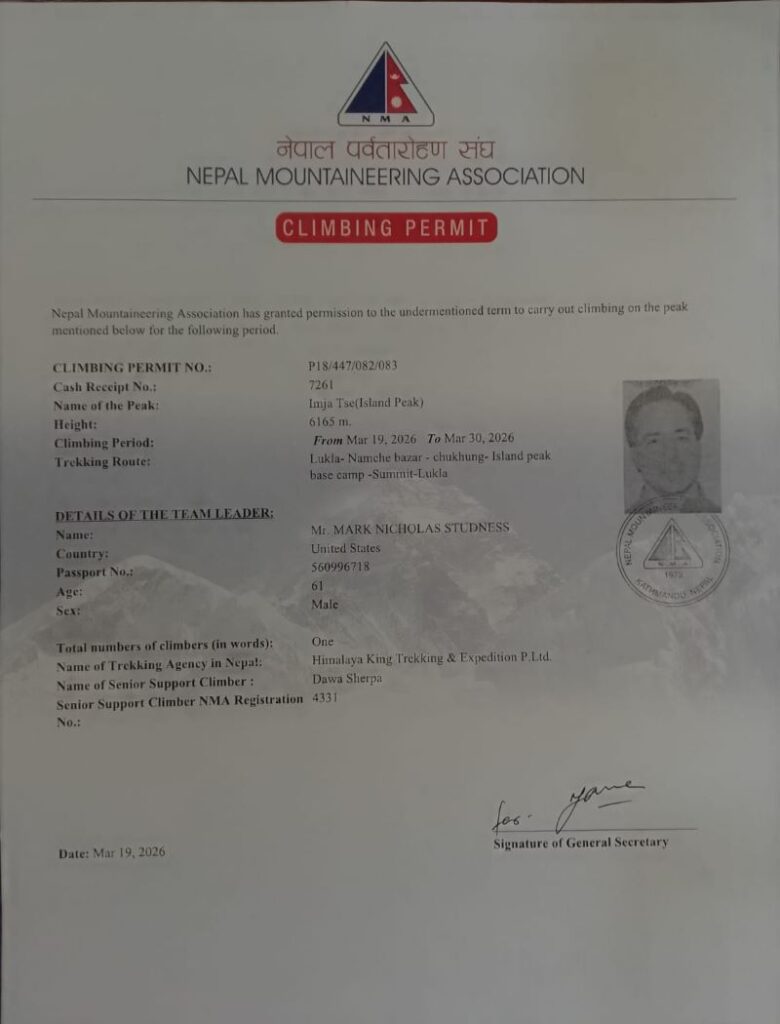
To climb legally, you need three main permits:
✔ Island Peak Climbing Permit
Issued by Nepal Mountaineering Association (NMA)
✔ Sagarmatha National Park Entry Permit
Required for Everest region trekking
✔ Khumbu Local Area Permit
Issued in Lukla/Namche area
Most guides or agencies arrange these permits for climbers.
6. INDEPENDENT GUIDE HIRE FOR ISLAND PEAK

Many climbers now prefer hiring independent guides instead of full agencies.
Who is an independent guide?
A licensed climbing guide not tied to a company.
Services they provide:
- Trekking and climbing guidance
- Route navigation
- Safety advice
- Basic climbing support
Cost:
- USD 80 to 100 per day depending on experience
Advantages:
- Cheaper than agencies
- Flexible planning
- Direct communication
Disadvantages:
- You must manage permits separately
- No full backup team
- Less logistics support
Important: Always check guide license and experience before hiring.
7. EVEREST BASE CAMP AND ISLAND PEAK COMBINATION
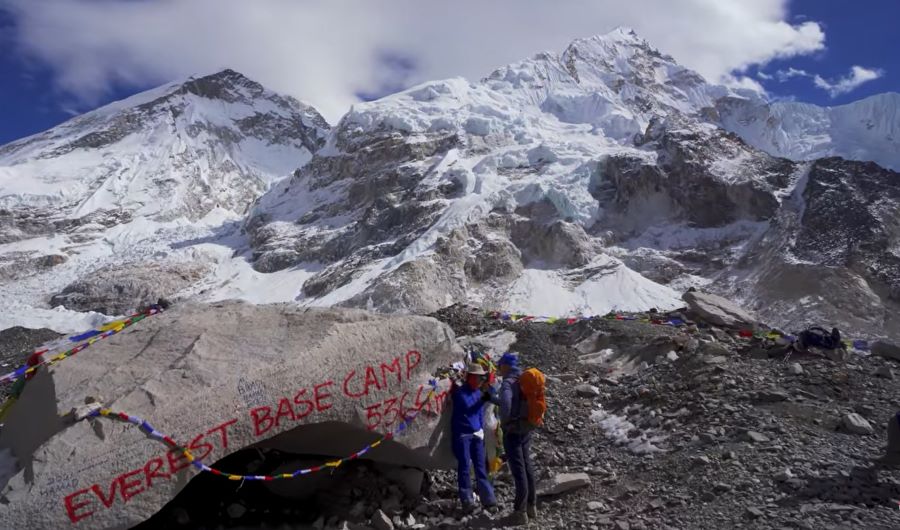
Many climbers combine Island Peak with Everest Base Camp
Why combine both?
✔ Better acclimatization
✔ Higher summit success rate
✔ Full Everest experience
✔ Gradual altitude gain
This combination is one of the most popular adventure routes, drawing trekkers and climbers from around the world.
8. ISLAND PEAK ITINERARY
Day 1: Fly Kathmandu → Lukla; Lukla → trek to Phakding, ~8 km, 2,610 m, 3–4 hrs trek
Day 2: Phakding → Namche Bazaar, ~10–11 km, 3,440 m, 6–7 hrs trek
Day 3: Acclimatization at Namche, hike to Everest View Hotel (~4–5 km), 3,880 m, 3–4 hrs hike
Day 4: Namche → Tengboche, ~9–10 km, 3,860 m, 5–6 hrs trek
Day 5: Tengboche → Dingboche, ~11 km, 4,410 m, 5–6 hrs trek
Day 6: Acclimatization at Dingboche, hike Nangkartshang Hill (~5 km), 5,100 m, 3–4 hrs hike
Day 7: Dingboche → Lobuche, ~8–9 km, 4,940 m, 5–6 hrs trek
Day 8: Lobuche → Everest Base Camp → return to Gorak Shep, ~15 km, 5,364 m, 7–8 hrs trek
Day 9: Gorak Shep → Kala Patthar → Lobuche, ~10–12 km, 5,545 m peak, 5–6 hrs trek
Day 10: Lobuche → Chhukung, ~16–18 km, 4,730 m, 6–7 hrs trek
Day 11: Chhukung → Island Peak Base Camp, ~5 km, 5,200 m, 3–4 hrs trek
Day 12: Base Camp → High Camp, ~2–3 km, 5,600 m, 2–3 hrs trek + rest
Day 13: Summit Island Peak → return to Chhukung, ~10–12 km total, 6,189 m summit, 9–12 hrs climb
Day 14: Reserve/contingency day at Chhukung (4,730 m), rest
Day 15: Chhukung → Pangboche, ~10–12 km, 3,930 m, 4–5 hrs trek
Day 16: Pangboche → Namche Bazaar, ~14–15 km, 3,440 m, 5–6 hrs trek
Day 17: Namche → Lukla, ~18 km, 2,610 m, 6–7 hrs trek
Day 18: Fly Lukla → Kathmandu
9. GUIDE AND PORTER SYSTEM
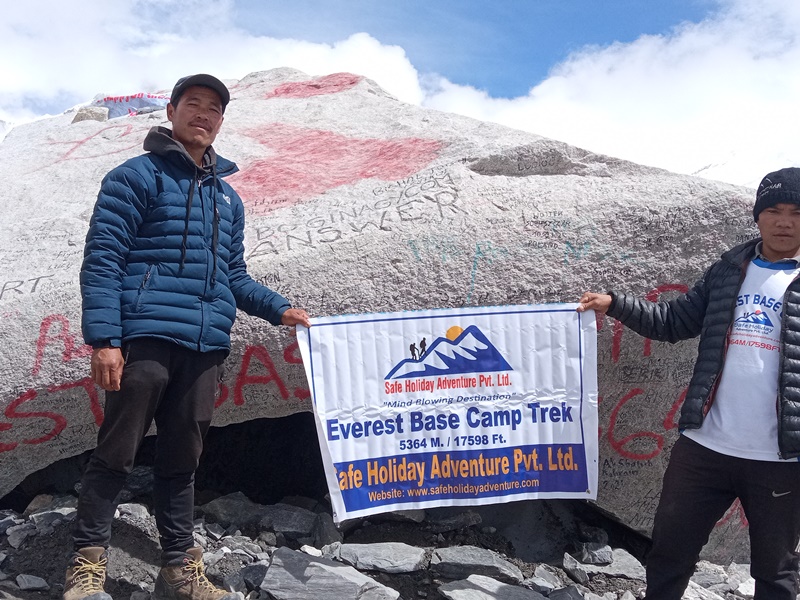
Guide Role
- Lead navigation
- Fix ropes if needed
- Manage safety
- Weather decisions
Porter Role
- Carry 15–20 kg luggage
- Support trekking comfort
Why important?
✔ Reduces fatigue
✔ Improves safety
✔ Helps summit success
10. FOOD DURING ISLAND PEAK CLIMBING
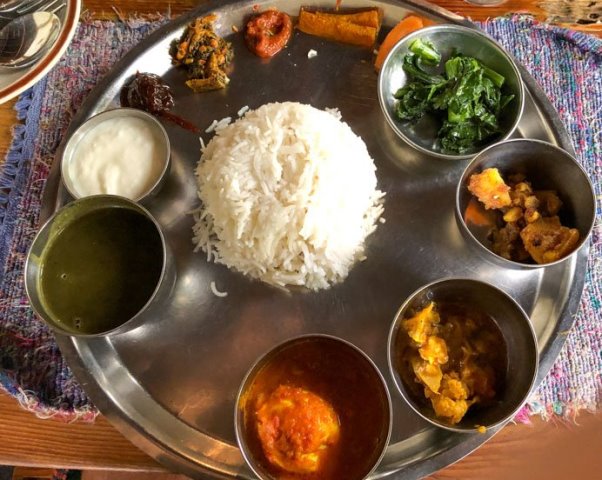
Tea House Food (Trekking Days)
- Rice and lentils (Dal Bhat)
- Noodles and pasta
- Eggs and potatoes
- Soup and bread
Base Camp Food
- High-energy meals
- Pasta, rice, soup
- Tea, coffee, snacks
Food is simple but energy-rich.
11. ACCOMMODATION
Tea Houses (Lower region)
- Basic rooms
- Shared bathrooms
- Warm dining halls
High Altitude Lodges
- Simple beds
- Limited facilities
- Cold nights
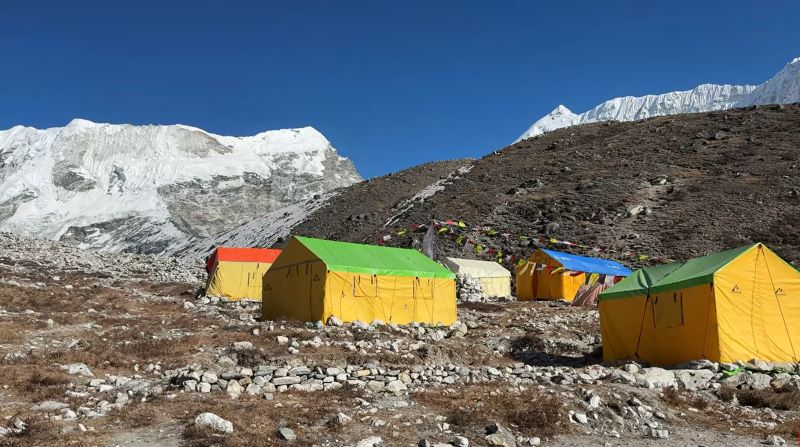
Camping at Base Camp
- Tents provided
- Cooking team included
12. REST DAYS AND ACCLIMATIZATION
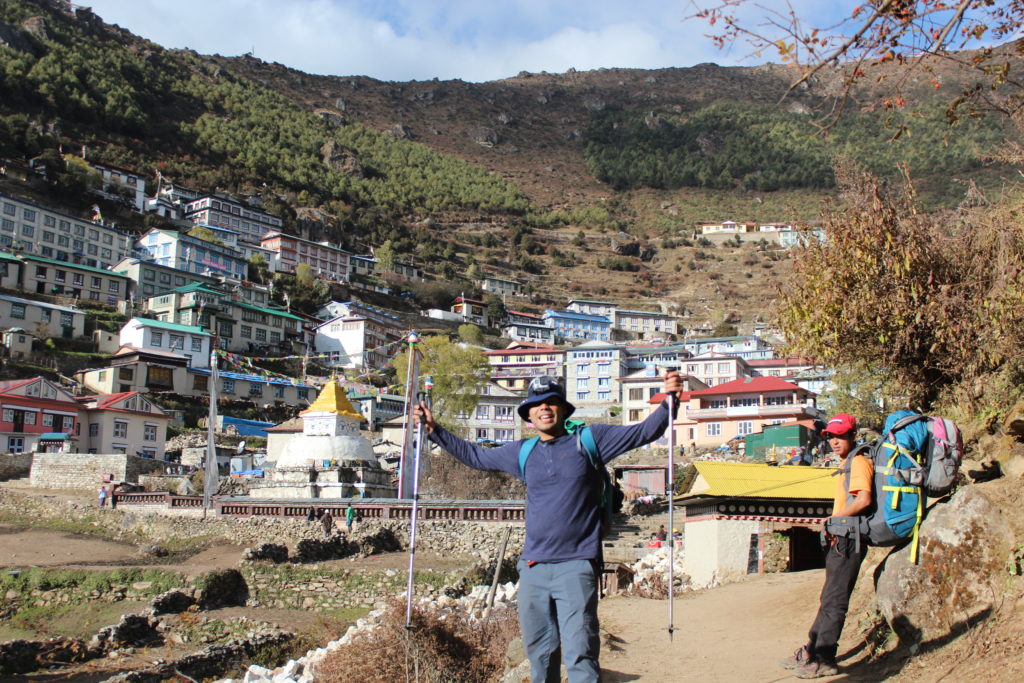
Rest days are very important for safety.
Main rest stops:
- Namche Bazaar
- Dingboche or Chhukung
- Base Camp training day
Why rest is important:
- Prevent altitude sickness
- Increase oxygen adaptation
- Improve summit success
13. PACKING LIST FOR ISLAND PEAK
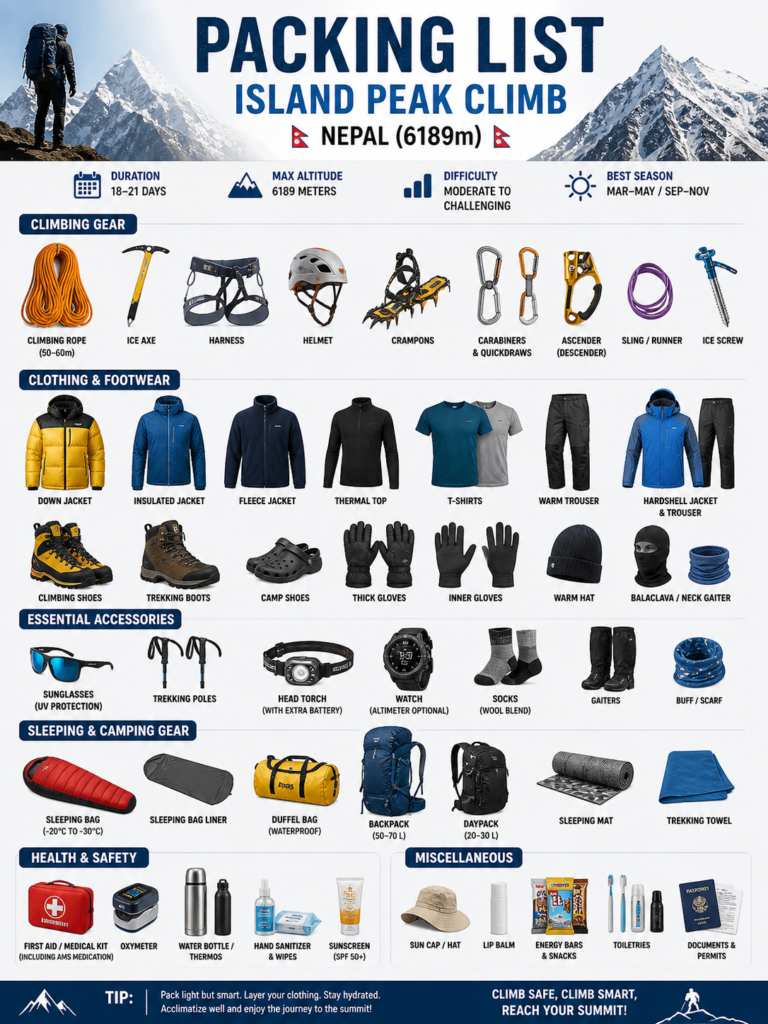
Clothing
- Down jacket
- Thermal layers
- Waterproof jacket
- Trekking pants
Climbing Gear
- Crampons
- Harness
- Ice axe
- Helmet
- Rope (provided sometimes)
Other Essentials
- Sleeping bag (-20°C)
- Sunglasses (UV protection)
- Headlamp
- Gloves (thick + light)
- Water bottles
14. TIPS FOR SUCCESSFUL SUMMIT
1. Acclimatize properly
- Plan a gradual ascent (typically 12–16 days total).
- Include rest/acclimatization days at Namche Bazaar and Dingboche.
- Follow “climb high, sleep low.”
- Monitor for Acute Mountain Sickness (headache, nausea, dizziness) and respond early.
2. Have basic mountaineering skills
- Use crampons and ice axe confidently.
- Know how to clip into fixed lines and use a jumar/ascender.
- Practice before the climb, often around Chhukung.
3. Prepare for a demanding summit day
- Start around 1–2 AM.
- Expect 10–14 hours round trip.
- Key obstacle: a steep fixed-rope headwall (about 45–60 degrees) followed by an exposed ridge.
4. Build mental endurance
- Progress is slow above 6,000 m.
- Break the climb into short segments (next anchor, next rest point).
- Stay calm on exposed sections.
5. Use reliable, well-fitted gear
- Warm boots suitable for sub-zero conditions.
- Insulated down jacket.
- Multiple glove layers.
- Headlamp for early start.
- Poorly fitting or low-quality gear is a common reason climbers fail.
6. Choose the right season and weather window
- Best periods: April–May and October–November.
- Avoid heavy snowfall and strong winds.
- Keep 1–2 extra days for weather delays.
7. Maintain hydration and energy
- Drink 3–4 liters of water daily.
- Eat regularly, even without appetite.
- Carry quick-energy foods for summit push (nuts, chocolate, gels).
8. Climb with a guide or experienced team
- Guides provide safety on glaciers and fixed ropes.
- They make critical decisions in changing conditions.
- Highly recommended unless you have solid alpine experience.
9. Be willing to turn around
- Descend if altitude symptoms worsen.
- Turn back in unsafe weather.
- Reaching the summit is optional; returning safely is not.
10. Train specifically
- Focus on endurance hiking with a loaded pack.
- Include steep ascents and stair climbing.
- Build leg strength and cardiovascular fitness.
Additional realistic expectations
- The climb is significantly harder than the Everest Base Camp trek.
- The fixed rope section is the most challenging part for beginners.
- Cold, altitude, and fatigue combine to create a strong mental challenge.
15. COST ESTIMATE (2026)
- Guide only: USD 80–100/day
- Full package: USD 2,000 – 4,000+
- Permits: USD 350–500 approx
- Gear rental: USD 200–400
16. FINAL THOUGHTS
Island Peak is one of the best Himalayan climbing experiences for beginners. It is challenging but achievable with proper preparation, guide support, and acclimatization.
It is not just a climb—it is a journey through the heart of the Everest region, combining culture, adventure, and high-altitude achievement.