

What Is the Best Beginner Trek in Nepal? A Friendly Guide for First-Timers
6 Oct 2026 Santosh Gauli
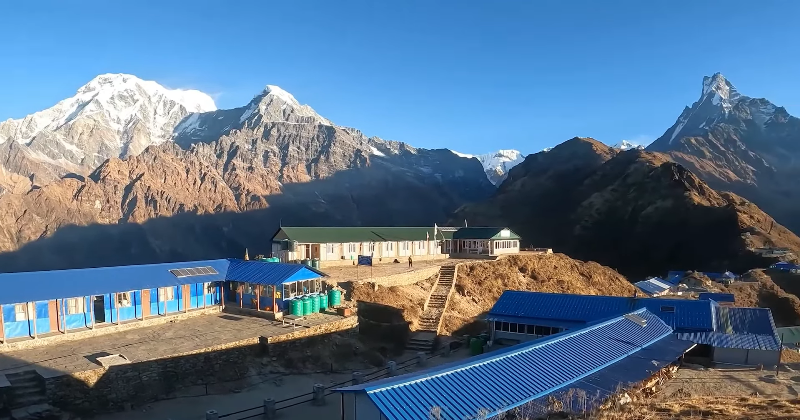
You have seen the photos: prayer flags snapping in the wind, a teahouse porch at sunrise, and a wall of white peaks glowing orange. Now you are wondering whether someone like you, with no trekking experience, could actually walk into that picture. The answer is yes, and choosing the best beginner trek in Nepal is the first step.
Nepal is one of the few places on Earth where a first-time hiker can sleep in a warm village lodge, eat a hot meal every evening, and still wake up to some of the highest mountains on the planet. You do not need to carry a heavy tent or know how to climb. You need a sensible route, the right season and a little preparation.
This guide walks you through the top options, explains what makes a trek beginner-friendly, and gives you a clear answer at the end.
What Makes a Trek Suitable for Beginners?

Before comparing routes, it helps to know what “beginner-friendly” really means in the Himalayas. A good first trek usually has five qualities.
First, it stays at a modest altitude. Most first-timers feel comfortable below about 3,500 meters, where altitude sickness is far less likely. Second, the daily walking is short, around four to six hours, so your legs and lungs adjust gradually. Third, the trail is well established, with clear paths, regular villages and plenty of teahouses.
Fourth, the trek is short enough to fit into a normal holiday, ideally between three and eight days. Fifth, it is easy to reach. Long, bumpy drives to the trailhead can drain your energy before you even start walking.
Keep these five points in mind. Every route below is judged against them.
Ghorepani Poon Hill Trek: The Classic Choice
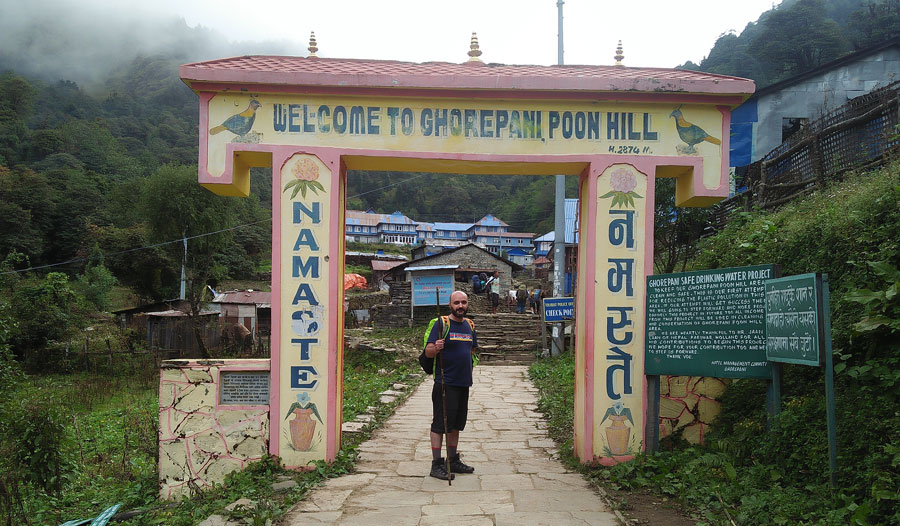
If someone asks a Nepali guide to name the best beginner trek in Nepal, there is a good chance the first word out of their mouth is “Poon Hill.”
This trek climbs through the Annapurna region to a famous sunrise viewpoint at 3,210 metres. From the top, the panorama stretches across Dhaulagiri, Annapurna South, Annapurna I and the sharp fishtail of Machhapuchhre. It is often completed in four or five days, though shorter versions exist for people with tight schedules.
The route begins near Nayapul, about two hours from Pokhara, and passes through terraced farmland, bamboo groves and thick forests of rhododendron. In spring the hillsides flame red and pink when the national flower blooms. Villages such as Ulleri, Ghorepani and Tadapani offer comfortable lodges with hot showers, warm blankets and menus that go well beyond dal bhat.
The biggest challenge is the stone staircase above Ulleri, which climbs for what feels like forever. Take it slowly, rest often and treat it as a rite of passage. Everything after that feels easier.
Because the highest point is only 3,210 metres, altitude is rarely a serious issue. For many trekkers, this is the perfect first Himalayan adventure.
Mardi Himal Trek: Quiet Ridges and Big Views

Imagine walking along a knife-edge ridge with the pyramid of Machhapuchhre almost close enough to touch. That is Mardi Himal.
This route has become a favourite among first-timers who want fewer crowds than the classic Annapurna trails. It usually takes five to seven days. You climb through quiet forest to the Forest Camp, then up to the Low Camp and High Camp, and finally on to a viewpoint close to 4,500 metres.
The scenery is outstanding, but this trek asks a little more of you than Poon Hill. The trail is steeper, the lodges are simpler, and the final day reaches a noticeably higher altitude. Beginners who are reasonably active and willing to go slowly can manage it well.
If Poon Hill feels too busy for you and you want a more peaceful experience, Mardi Himal is a strong second choice.
Langtang Valley Trek: Culture and Mountains Close to Kathmandu
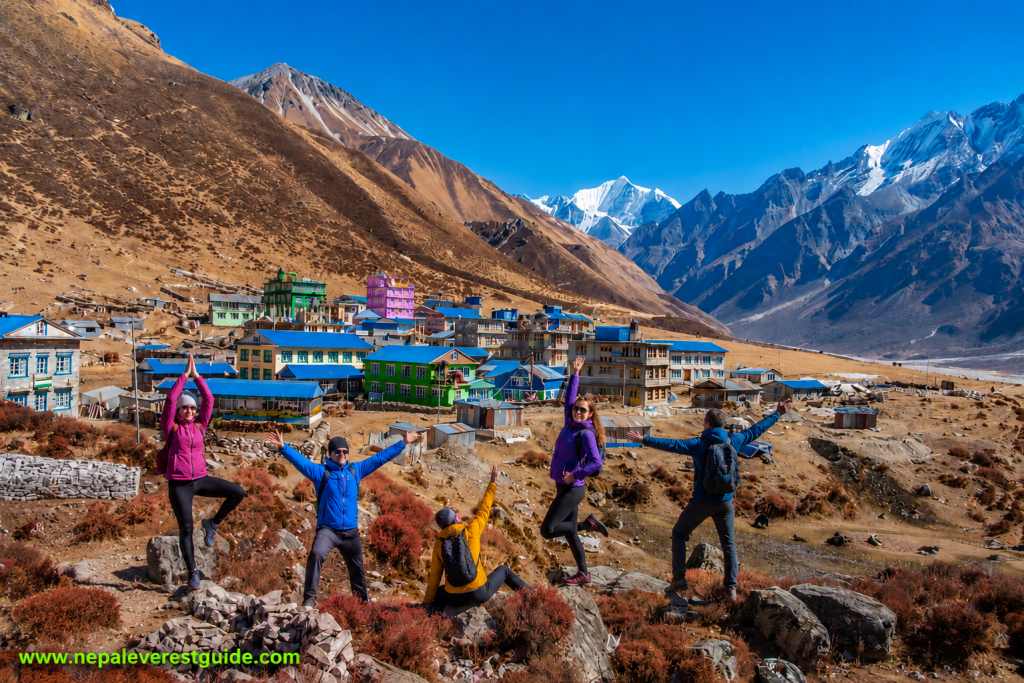
Langtang sits just north of Kathmandu, yet it feels like another world. Often called the “valley of glaciers,” it is home to Tamang communities, yak pastures and snowy peaks that rise sharply on both sides.
The trek takes around seven to eight days and ends at Kyanjin Gompa, at roughly 3,870 metres. From there, short side hikes let you explore glaciers and viewpoints without carrying a heavy pack. The valley was badly damaged in the 2015 earthquake, and the local people have rebuilt their villages with remarkable strength. Staying in their lodges is a meaningful way to support that recovery.
The drive from Kathmandu to the trailhead at Syabrubesi takes most of a day on rough mountain roads, so factor that in. The altitude is higher than Poon Hill, so a gentle pace and an extra acclimatisation day are wise.
Langtang is a wonderful beginner trek for travellers who care as much about culture and community as they do about mountains.
Annapurna Base Camp Trek: A Step Up, but Still Doable
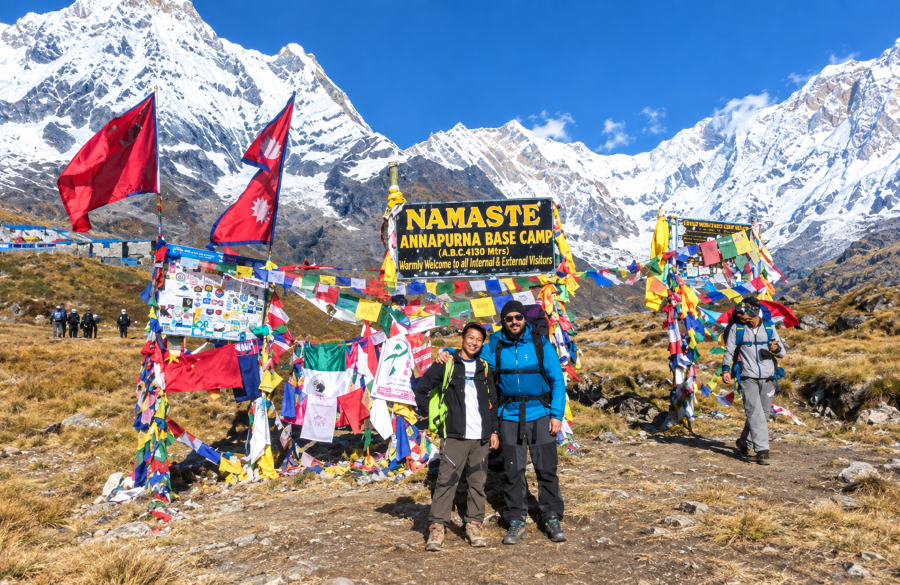
Annapurna Base Camp, often shortened to ABC, is one of the most famous treks in Nepal, and many beginners dream of it. The trail leads into a natural amphitheatre ringed by giants at 4,130 metres, with Annapurna I looming overhead.
It usually takes seven to ten days. The route climbs through Chhomrong, Bamboo and Deurali before reaching the base camp itself. The walking is longer and steeper than on shorter treks, and the altitude gain in the final days requires care.
Is it a good first trek? For fit travellers who are comfortable walking for six hours a day, yes. For complete beginners with no hiking background, it may be better to start with a shorter route and return for ABC later. There is no shame in building up to it.
Short Treks Near Kathmandu: Gentle Starters
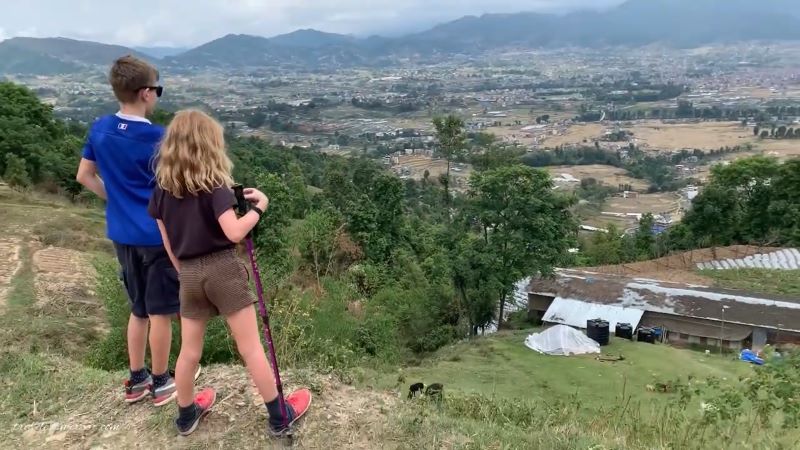
Not every beginner wants a week in the mountains. If you only have two to four days, or you are unsure how you will handle trekking, a short route near the capital is a smart test.
The Chisapani and Nagarkot hike starts at Sundarijal on the edge of the Kathmandu Valley and winds through forest and Tamang villages to ridge-top viewpoints. You can enjoy distant Himalayan views without long travel days or high altitude.
Around Pokhara, short walks such as Sarangkot and Dhampus hike take just two or three days. They deliver soft hills, rice terraces and mountain views with minimal effort. They are ideal for families, older travelers or anyone who wants a gentle introduction.
What About Everest Base Camp for a First Trek?
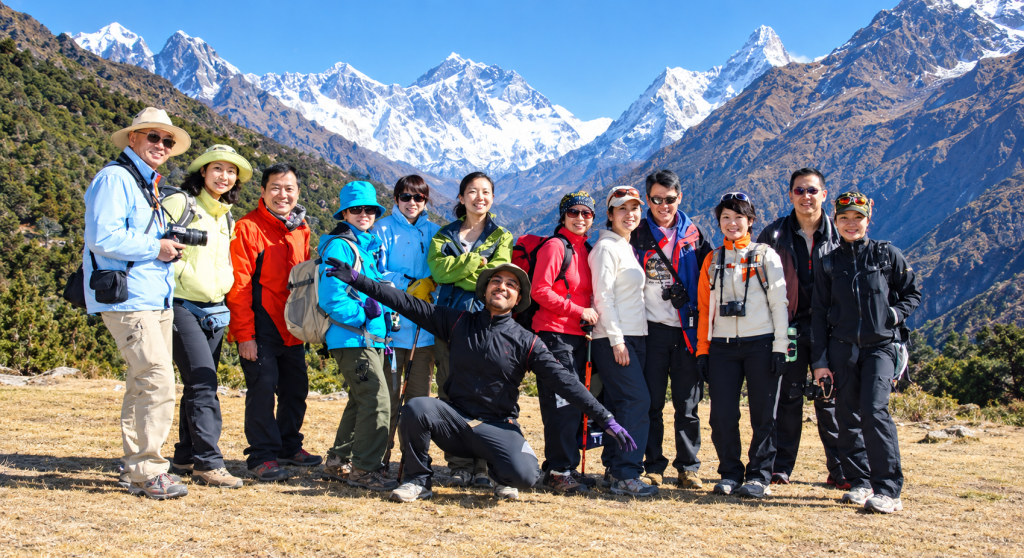
This question comes up often. Everest Base Camp reaches 5,364 metres and normally takes twelve to fourteen days. Many people with no previous experience complete it every year, and it can be done with good preparation.
However, it is not the easiest place to begin. The altitude is serious, the days are long, and weather can be harsh. If Everest is your dream, a smaller trek first will teach you how your body reacts to elevation and help you build confidence. You can read more about the challenge in our guide to Everest Base Camp trek difficulty.
The Best Time of Year for Beginner Treks
Timing matters almost as much as the route. Two seasons stand out.
Spring (March to May) brings warm days, blooming rhododendrons and generally clear skies. Mornings are crisp and afternoons can be hazy, but the colours on the hillsides are unforgettable.
Autumn (October to November) is widely considered the best window of all. The monsoon has washed the air clean, so the mountains appear sharp and bright. Trails are dry, skies are stable and the days are comfortable.
Winter can be pleasant on low-altitude trails but is cold at higher elevations. The monsoon months of June to August bring rain, leeches and cloudy views, so they are usually best avoided by first-timers.
How Fit Do You Need to Be?
You do not need to be an athlete. You do need to be able to walk comfortably for several hours a day, day after day. If you can manage a long hike on a weekend and wake up ready to walk again, you are in good shape.
Starting six to eight weeks before your trip, build a simple routine. Walk or hike regularly, climb stairs, and carry a light backpack on some of your walks. Add a little leg strength work, such as squats and lunges. Break in your boots long before departure, because blisters can ruin an otherwise perfect trek.
Fitness helps, but attitude matters just as much. Trekkers who go slowly, drink plenty of water and enjoy the journey often finish stronger than those who rush.
Understanding Altitude Without Fear
Altitude sickness worries many first-timers, and a little knowledge goes a long way. The Himalayan rule is simple: climb gradually. Above about 3,000 meters, avoid raising your sleeping altitude too quickly, and take rest days when needed.
Watch for headaches, nausea, dizziness and unusual tiredness. If symptoms appear, stop climbing. If they get worse, go down. Never ignore warning signs, and always tell your guide how you feel.
Most beginner treks such as Poon Hill, Mardi Himal, Mulde Peak stay low enough that serious altitude problems are uncommon. That is another reason these routes are so popular.
Permits, Guides and Practical Planning
Most trekking regions in Nepal require permits. The Annapurna region, for example, requires an entry permit for the conservation area, and some areas also require a trekking registration card. Requirements and fees change from time to time, so always confirm the latest rules with your trekking company before departure.
Hiring a licensed guide is strongly recommended for beginners. A guide handles the permits, books your lodges, sets a safe pace and explains the culture along the way. A porter can carry your heavy bag so you can enjoy the walk, and they earn a fair income from it.
Teahouse trekking makes everything simple. You stay in village lodges, eat local and international food, and pay modest prices that rise slightly as you gain altitude. Carry some cash, because ATMs disappear once you leave the larger towns.
What to Pack for Your First Trek
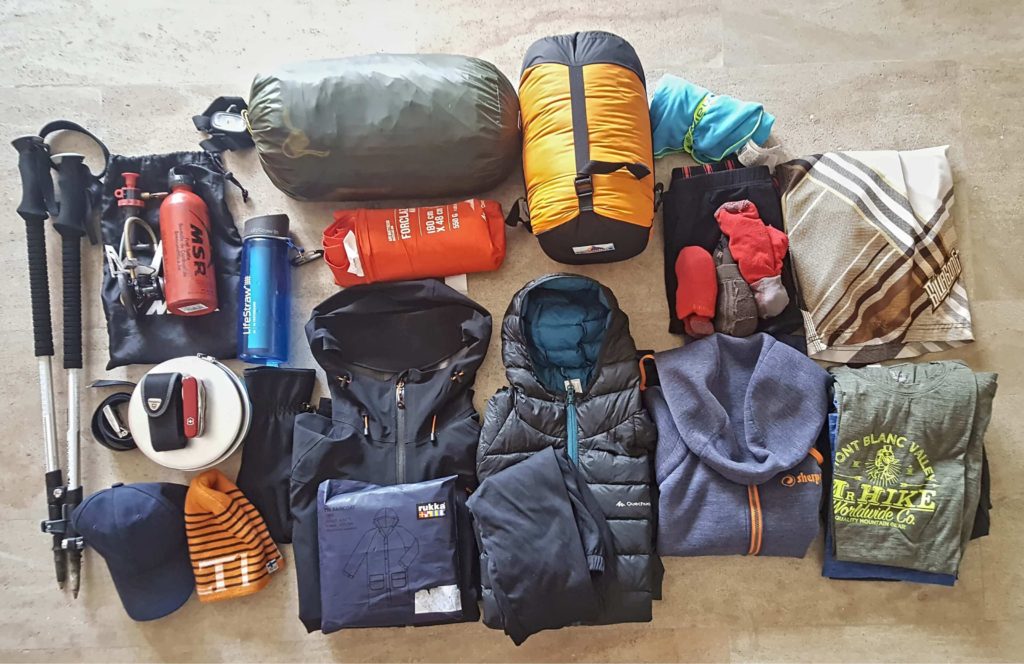
Pack light and pack smart. A comfortable pair of broken-in hiking boots comes first, followed by layers: a base layer, a warm fleece and a windproof jacket. Add a warm hat, gloves, sunglasses, sunscreen and a reusable water bottle.
Bring a light sleeping bag liner, a headlamp, basic first aid supplies including blister care, and a power bank. Trekking poles save your knees on long descents. Most lodges provide blankets, and you can rent heavier gear such as down jackets in Kathmandu or Pokhara.
So, What Is the Best Beginner Trek in Nepal?
After comparing every option, one route stands out for most first-time trekkers: the Ghorepani Poon Hill Trek.
It is short, scenic and well supported. The altitude is gentle, the trail is easy to follow, and the sunrise from Poon Hill is among the best in the Himalayas. It is easy to reach from Pokhara and fits comfortably into a one-week holiday.
If you want something quieter, choose Mardi Himal. If culture and community appeal to you most, consider Langtang. If you are pressed for time, try a short hike near Kathmandu or Pokhara. And if you are fit and ambitious, Annapurna Base Camp is a rewarding step up.
Whichever trail you choose, remember that the best beginner trek in Nepal is the one that matches your time, fitness and curiosity. Nepal rewards every careful traveller with views and kindness that last a lifetime.
Ready to plan your first Himalayan walk? The team at Nepal Everest Guide can help you choose the right route, arrange permits, guides and lodges, and make your first trek safe and enjoyable. Contact us today to start planning.