

Ultimate Packing List for Manaslu Circuit Trek (Complete Guide for 2026)
29 Apr 2026 Santosh Gauli
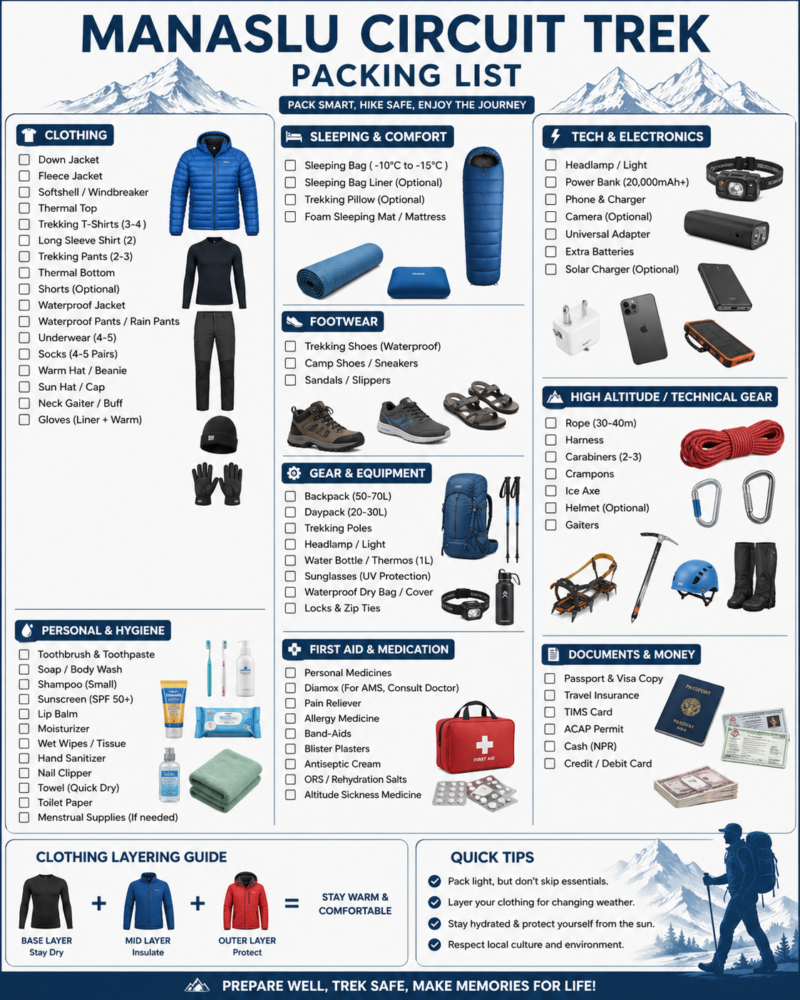
The Manaslu Circuit Trek is one of Nepal’s most spectacular high-altitude trekking adventures. Known for its remote mountain villages, dramatic Himalayan landscapes, ancient Buddhist culture, and the challenging crossing of Larkya La Pass, this trek offers a more peaceful alternative to the crowded Everest and Annapurna regions.
However, trekking in the Manaslu region is not easy. The route takes trekkers through diverse climates ranging from warm subtropical valleys to freezing alpine terrain above 5,000 meters. Weather conditions can change rapidly, and facilities become basic as you gain altitude. That is why preparing the right gear and equipment is one of the most important parts of your journey.
A smart and organized packing list can make your trek safer, more comfortable, and more enjoyable. Packing too little may leave you unprepared for cold temperatures and mountain conditions, while packing too much can make your backpack unnecessarily heavy and exhausting to carry.
This complete 2026 guide covers everything you need to pack for the Manaslu Circuit Trek, including clothing, trekking gear, electronics, personal items, altitude essentials, seasonal recommendations, and expert packing tips.
Whether you are trekking independently with a guide, joining an organized group, or hiring porters, this guide will help you prepare properly for one of Nepal’s greatest trekking experiences.
Why Proper Packing Matters for Manaslu Circuit Trek
The Manaslu Circuit is considered a remote and moderately difficult to challenging trek. Unlike more commercial trekking regions in Nepal, the infrastructure in the Manaslu area is still relatively limited. You cannot rely on finding quality trekking gear or replacing forgotten equipment along the trail.
Trekkers typically spend between 12 and 18 days in the mountains, crossing various climatic zones and reaching elevations above 5,100 meters at Larkya La Pass. Proper preparation is essential for dealing with:
- Cold mountain temperatures
- Snow and wind at high altitude
- Rain and muddy trails during monsoon
- Long daily walking hours
- Basic tea house accommodations
- Limited charging and internet facilities
- High altitude conditions
Packing wisely also helps prevent injuries, fatigue, altitude discomfort, and unnecessary expenses during the trek.
Overview of Manaslu Circuit Trek Weather and Conditions
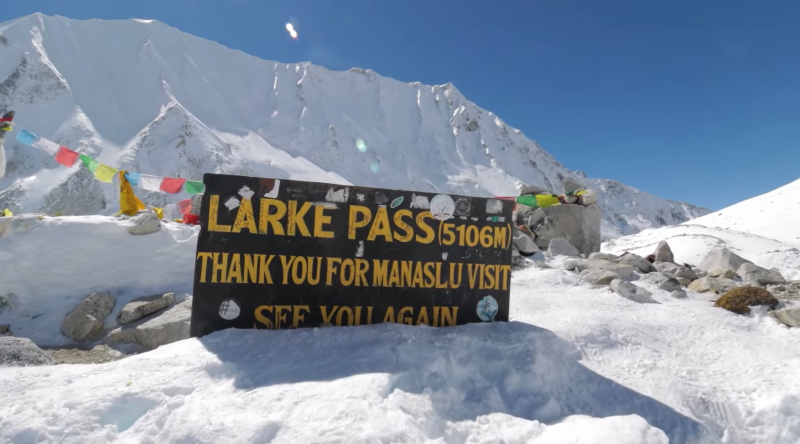
Before packing, it is important to understand the weather conditions you may face during the trek.
Spring Season (March to May)
Spring is one of the best seasons for the Manaslu Circuit Trek. Temperatures are moderate, skies are generally clear, and rhododendron forests bloom beautifully.
Typical conditions:
- Warm lower regions
- Cold mornings and evenings at high altitude
- Occasional snowfall near Larkya La Pass
Recommended focus:
- Layered clothing
- Warm down jacket
- Sunglasses and sun protection
Autumn Season (September to November)
Autumn is the most popular trekking season in Nepal. The weather is stable, visibility is excellent, and mountain views are spectacular.
Typical conditions:
- Dry trails
- Cold nights above 3,500 meters
- Clear skies and windy passes
Recommended focus:
- Warm thermal layers
- Windproof outer shell
- Good trekking boots
Winter Season (December to February)
Winter trekking is possible but challenging due to snow and freezing temperatures.
Typical conditions:
- Heavy snowfall
- Extremely cold nights
- Difficult pass crossings
Recommended focus:
- Heavy insulation
- Winter sleeping bag
- Extra gloves and warm socks
Monsoon Season (June to August)
The monsoon season brings rain, leeches, slippery trails, and limited visibility.
Typical conditions:
- Wet and muddy trails
- Humid lower regions
- Risk of landslides
Recommended focus:
- Waterproof gear
- Quick-dry clothing
- Rain covers and trekking poles
Complete Packing List for Manaslu Circuit Trek
Essential Documents and Permits
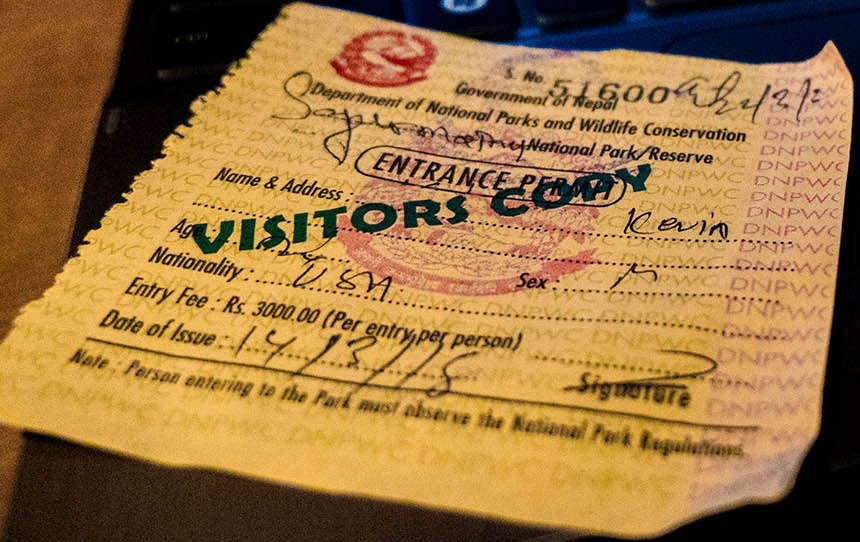
You must carry all necessary travel documents safely in a waterproof pouch or document organizer.
Important Documents
- Passport with valid visa
- Passport-sized photos
- Travel insurance copy
- Flight tickets
- Emergency contact information
- Vaccination records if required
Trekking Permits Required
The Manaslu region is a restricted trekking area in Nepal. Trekkers need:
- Manaslu Restricted Area Permit
- Manaslu Conservation Area Permit (MCAP)
- Annapurna Conservation Area Permit (ACAP)
It is highly recommended to keep both printed and digital copies of permits.
Clothing Packing List for Manaslu Circuit Trek
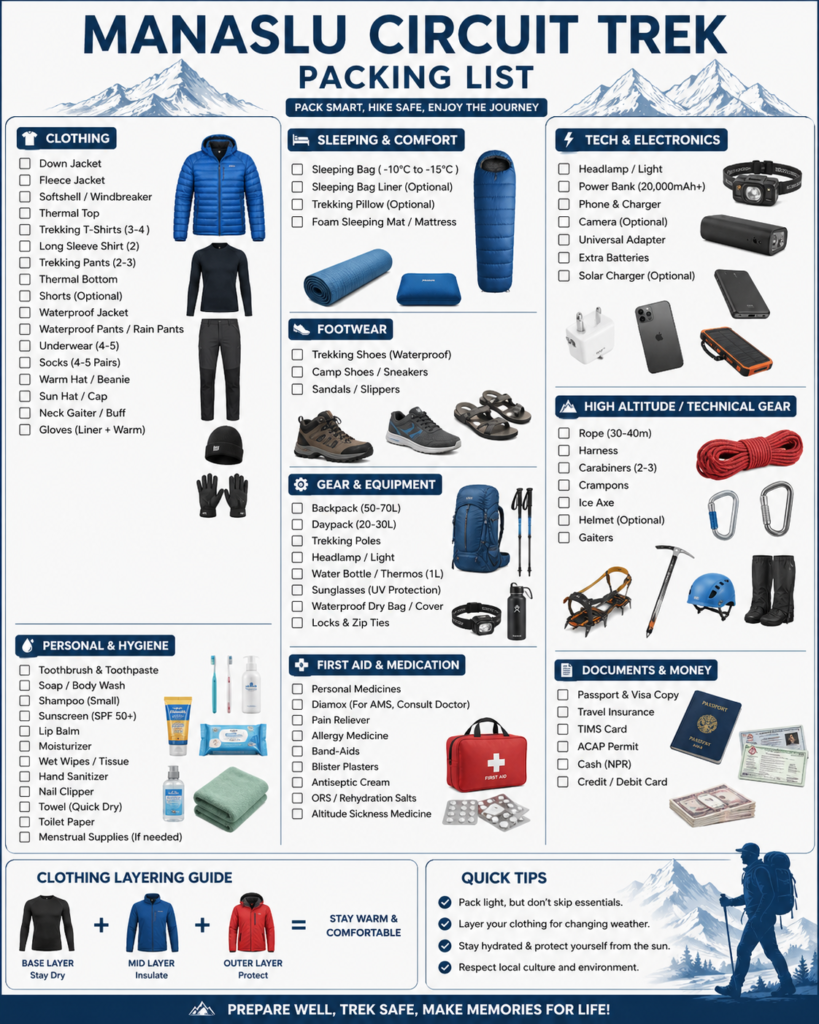
Layering is the key to staying comfortable in the Himalayas. Instead of packing bulky clothing, use a layering system that allows you to adjust according to temperature changes.
Base Layers
Base layers help regulate body temperature and wick away sweat.
Recommended:
- 2–3 moisture-wicking thermal tops
- 2 thermal leggings
- Lightweight trekking shirts
- Sports bras (for women)
- Quick-dry underwear
Avoid cotton because it absorbs moisture and dries slowly.
Mid Layers
Mid layers provide insulation and warmth.
Recommended:
- Fleece jacket
- Lightweight insulated jacket
- Softshell jacket
- Trekking pants
- Fleece pants for evenings
Outer Layers
Outer layers protect you from wind, rain, and snow.
Essential Items:
- Waterproof shell jacket
- Waterproof trekking pants
- Down jacket suitable for temperatures below -10°C
- Poncho or rain jacket
A high-quality down jacket is one of the most important items for the Manaslu Circuit Trek.
Trekking Pants and Shorts
Bring comfortable trekking pants suitable for long walking days.
Recommended:
- 2 trekking pants
- 1 lightweight hiking shorts
- 1 comfortable camp pants
Convertible trekking pants are especially useful.
Underwear and Socks
Pack:
- 4–6 pairs of moisture-wicking underwear
- 4–5 trekking socks
- 1–2 warm wool socks for high altitude
- Liner socks to prevent blisters
Avoid using brand-new socks or underwear during the trek.
Footwear for Manaslu Circuit Trek
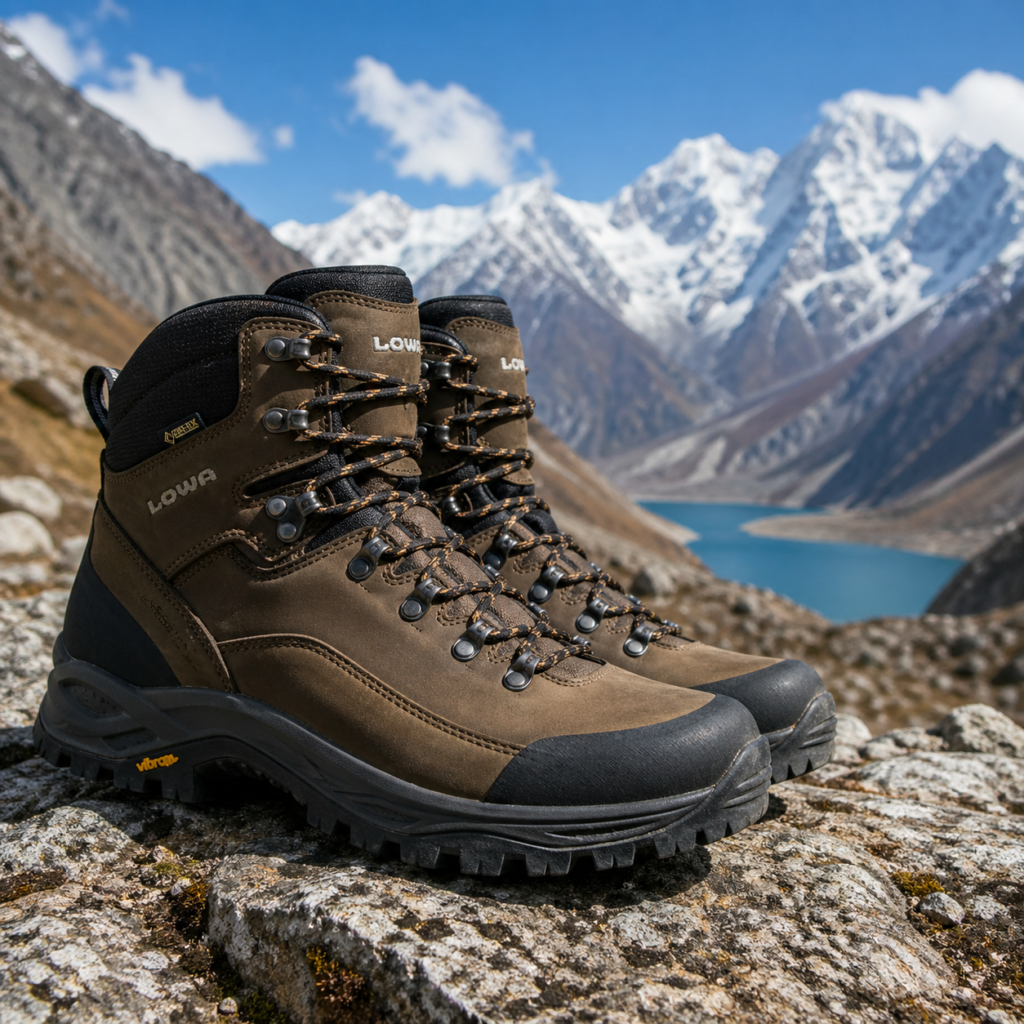
Good footwear can determine the success or failure of your trek.
Trekking Boots
Your trekking boots should be:
- Waterproof
- Ankle-supportive
- Comfortable
- Already broken in
Do not bring brand-new boots directly to the trek.
Choose boots with good grip for rocky and snowy terrain.
Camp Shoes
After long trekking days, comfortable footwear is important.
Recommended:
- Sandals
- Lightweight sneakers
- Crocs
These are useful in tea houses and bathrooms.
Gaiters (Optional but Recommended)
Gaiters help keep snow, mud, and small stones out of your boots, especially during winter and monsoon seasons.
Backpack and Duffel Bag Essentials
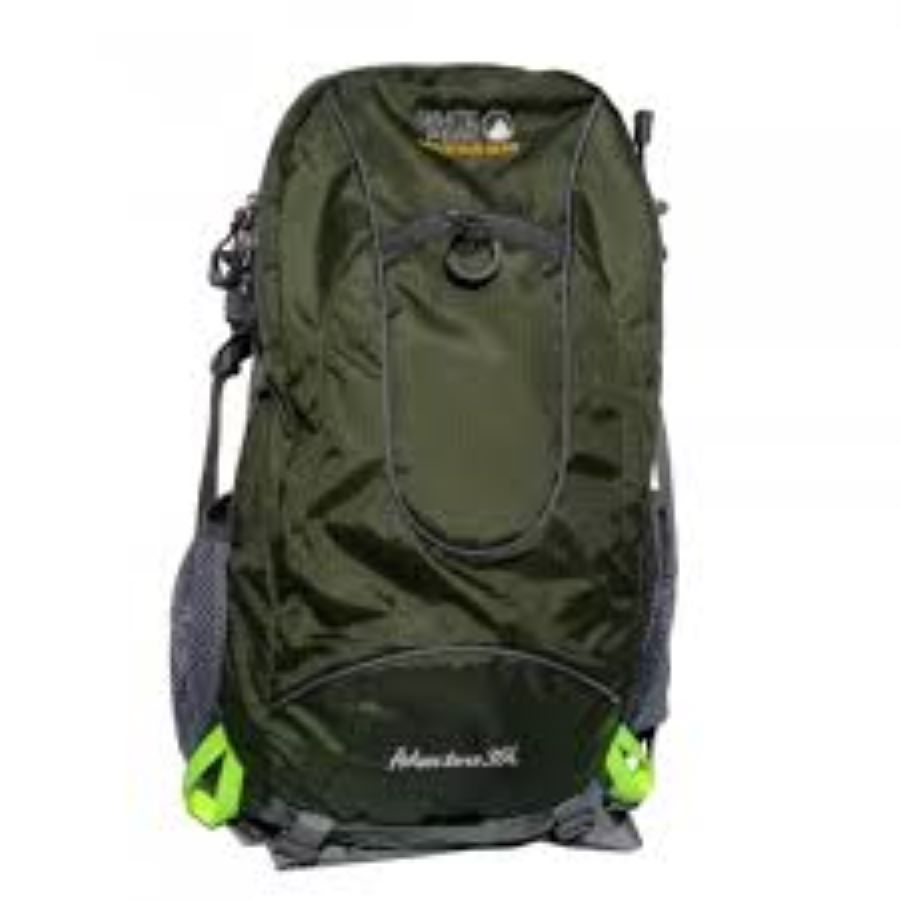
Day Backpack
Your daypack should carry daily essentials.
Recommended size:
- 25–35 liters
Features to look for:
- Rain cover
- Water bottle pockets
- Comfortable straps
- Waist support
Daily Essentials Inside:
- Water
- Snacks
- Jacket
- Camera
- Documents
- First aid items
Duffel Bag
If using a porter, your main gear goes into a duffel bag.
Recommended:
- Waterproof or water-resistant duffel
- Lockable zippers
- Durable materials
Most trekking agencies in Nepal provide duffel bags.
Sleeping Gear
Tea houses provide blankets, but they are often insufficient at high altitude.
Sleeping Bag
Recommended sleeping bag rating:
- -10°C to -20°C
A quality sleeping bag is essential for comfortable nights above 4,000 meters.
Sleeping Bag Liner
Benefits:
- Extra warmth
- Better hygiene
- Easier cleaning
Silk or fleece liners are both excellent options.
Trekking Equipment and Gear
Trekking Poles
Trekking poles reduce pressure on knees and improve balance.
Highly recommended for:
- Descents
- River crossings
- Snowy sections
- Larkya La Pass crossing
Collapsible trekking poles are best for travel.
Headlamp
Electricity is limited in remote villages.
Bring:
- LED headlamp
- Extra batteries or rechargeable version
Useful for:
- Early morning starts
- Night bathroom trips
- Power outages
Water Bottles and Hydration System
Staying hydrated is critical at altitude.
Recommended:
- 2 reusable water bottles
- Hydration bladder (optional)
- Insulated bottle cover in winter
Avoid buying plastic bottles on the trail.
Water Purification
Safe drinking water is extremely important.
Carry:
- Water purification tablets
- UV purifier
- Water filter bottle
Avoid drinking untreated water.
Toiletries and Personal Hygiene Items
Tea house facilities are basic, so pack compact hygiene essentials.
Recommended Toiletries
- Toothbrush and toothpaste
- Biodegradable soap
- Shampoo sachets
- Wet wipes
- Hand sanitizer
- Toilet paper
- Quick-dry towel
- Nail clipper
- Lip balm
- Moisturizer
Wet wipes become especially useful at higher elevations.
First Aid and Personal Medication
You should always carry a personal medical kit while trekking in remote mountain areas.
Essential First Aid Items
- Bandages
- Blister treatment
- Painkillers
- Antiseptic cream
- Medical tape
- Oral rehydration salts
- Cold medicine
- Diarrhea medicine
Altitude Sickness Medication
Altitude sickness is a serious concern during the trek.
Common items:
- Diamox (consult doctor first)
- Pulse oximeter (optional)
Learn the symptoms of Acute Mountain Sickness (AMS):
- Headache
- Nausea
- Dizziness
- Fatigue
- Shortness of breath
Descending immediately is the best treatment if symptoms worsen.
Electronics and Gadgets
Electricity charging becomes expensive and limited at higher elevations.
Recommended Electronics
- Smartphone
- Camera
- Power bank
- Universal adapter
- Charging cables
- Extra camera batteries
Cold temperatures drain batteries quickly.
Solar Charger (Optional)
Useful for longer treks and remote camping extensions.
Snacks and Energy Food
Although tea houses provide meals, carrying snacks is highly recommended.
Best Trekking Snacks
- Energy bars
- Chocolate
- Nuts
- Dried fruits
- Electrolyte powders
- Protein bars
These provide quick energy during long hiking days.
Sun Protection Essentials
UV exposure becomes intense at high altitude.
Must-Have Items
- UV-protection sunglasses
- Sunscreen SPF 50+
- Lip balm with SPF
- Sun hat
- Buff or neck gaiter
Snow glare near the pass can damage eyes without proper sunglasses.
What NOT to Pack for Manaslu Circuit Trek
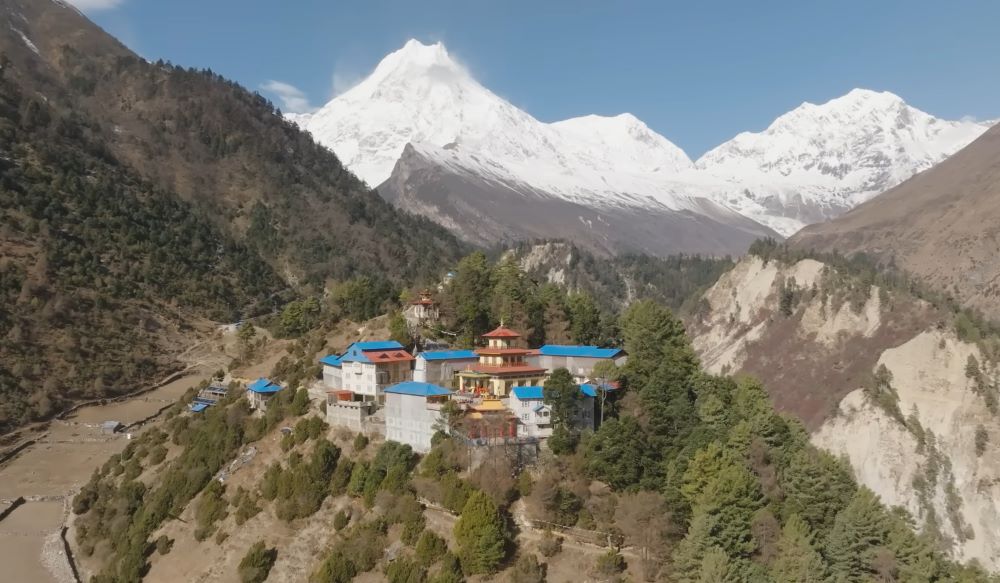
Many trekkers overpack unnecessarily.
Avoid bringing:
- Heavy jeans
- Too many clothes
- Large suitcases
- Expensive jewelry
- Hair dryers
- Multiple heavy books
- Unnecessary electronics
Remember:
The lighter your backpack, the easier your trek.
Seasonal Packing Tips
Spring Packing Tips
Focus on:
- Layering
- Moderate insulation
- Sunglasses
- Windproof gear
Weather changes quickly during spring.
Autumn Packing Tips
Bring:
- Warm sleeping layers
- Good gloves
- Insulated jacket
Autumn nights become cold above Samagaun and Dharamsala.
Winter Packing Tips
You need:
- Heavy down jacket
- Thermal gloves
- Extra socks
- Winter sleeping bag
- Microspikes if conditions require
Winter trekking demands proper preparation.
Monsoon Packing Tips
Prioritize:
- Waterproof backpack covers
- Quick-dry clothing
- Anti-leech socks
- Rain jacket
- Waterproof boots
Trails become slippery during monsoon months.
Porter Weight Limit and Smart Packing Advice
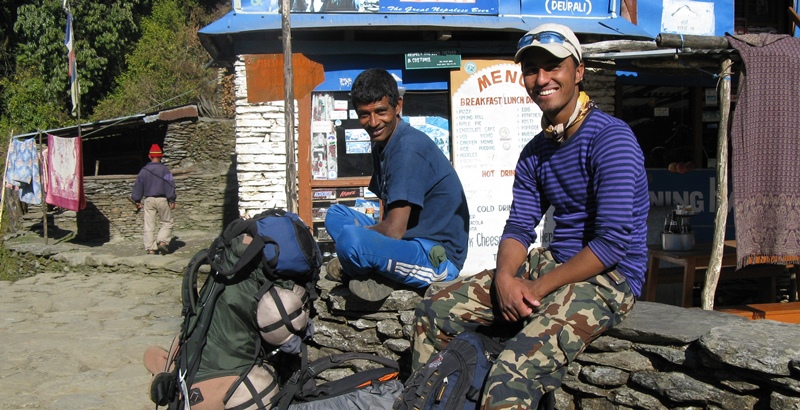
If hiring a porter, respect local carrying guidelines.
Typical porter weight limit:
- Around 20–25 kg shared between two trekkers
Your personal daypack should ideally remain under:
- 6–8 kg
Smart Packing Tips
Use Packing Cubes
Packing cubes help organize clothing and save space.
Roll Clothes Instead of Folding
This reduces wrinkles and improves backpack organization.
Pack Multipurpose Clothing
Choose lightweight items that can be reused.
Keep Important Items Accessible
Always carry:
- Passport
- Water
- Snacks
- Rain jacket
- Camera
in your daypack.
Tea House Facilities and What to Expect
Tea houses on the Manaslu Circuit are basic but welcoming.
Typical Facilities
You can generally expect:
- Twin-sharing rooms
- Shared toilets
- Limited hot showers
- Basic charging facilities
- Simple meals
Luxury facilities are rare compared to Everest Base Camp or Annapurna regions.
Recommended Gear Quality for High Altitude Trekking
Cheap gear may fail in harsh Himalayan conditions.
Prioritize Quality for:
- Trekking boots
- Sleeping bag
- Down jacket
- Waterproof shell
- Backpack
Renting gear in Kathmandu is also possible if you do not want to purchase expensive equipment.
Renting vs Buying Trekking Gear in Nepal
Many trekkers rent gear before starting the trek.
Gear Commonly Available for Rent
- Sleeping bags
- Down jackets
- Trekking poles
- Duffel bags
Rental shops in Kathmandu’s Thamel area offer affordable prices.
Female Trekker Packing Tips
Women trekkers may want to pack additional personal comfort items.
Recommended:
- Sports bras
- Feminine hygiene products
- Extra wet wipes
- Quick-dry undergarments
It is difficult to find specialized products in remote mountain villages.
Photography Gear for Manaslu Circuit Trek
The Manaslu region offers incredible photography opportunities.
Recommended Camera Gear
- Mirrorless or DSLR camera
- Wide-angle lens
- Spare memory cards
- Waterproof camera bag
- Extra batteries
The best photography locations include:
- Samagaun
- Larkya La Pass
- Birendra Lake
- Tibetan-style villages
Internet and Communication on the Trek
Internet access is available in some villages but can be unreliable.
Helpful Items
- Local SIM card
- Portable power bank
- Offline trekking maps
Downloading offline maps before the trek is strongly recommended.
Eco-Friendly Packing Tips
Responsible trekking helps protect the Himalayan environment.
Sustainable Packing Suggestions
- Reusable water bottles
- Solar-powered chargers
- Biodegradable toiletries
- Cloth bags instead of plastic
- Avoid single-use plastics
The Manaslu region remains one of Nepal’s most pristine trekking destinations.
Mental Preparation is Also Important
Packing physical items is only one part of preparation.
Trekkers should also prepare mentally for:
- Long walking days
- Remote conditions
- Basic accommodation
- Altitude challenges
- Weather unpredictability
A positive mindset greatly improves the trekking experience.
Sample Manaslu Circuit Trek Packing Checklist
Clothing
- Thermal base layers
- Trekking shirts
- Fleece jacket
- Down jacket
- Waterproof shell
- Trekking pants
- Gloves
- Hat
- Buff
Footwear
- Trekking boots
- Camp shoes
- Trekking socks
Gear
- Backpack
- Duffel bag
- Trekking poles
- Sleeping bag
- Headlamp
Toiletries
- Toothbrush
- Wet wipes
- Sunscreen
- Lip balm
- Toilet paper
Electronics
- Phone
- Camera
- Power bank
- Chargers
Medical
- First aid kit
- Water purification tablets
- Personal medications
Final Thoughts
The Manaslu Circuit Trek is an unforgettable Himalayan journey filled with breathtaking landscapes, rich Tibetan-influenced culture, and thrilling mountain adventure. Proper preparation and smart packing play a huge role in ensuring your trek is safe, comfortable, and enjoyable.
Packing for Manaslu is all about balance. You need enough warm clothing and essential gear to handle high-altitude conditions without carrying unnecessary weight. Focus on layering, quality equipment, weather protection, and practical essentials.
Whether you are trekking in spring, autumn, winter, or monsoon season, following this complete packing guide will help you stay prepared for the incredible challenges and rewards of the Manaslu region.
With the right gear, good physical preparation, and a spirit of adventure, your Manaslu Circuit Trek in 2026 can become one of the most memorable experiences of your life.
Frequently Asked Questions (FAQs)
How cold does the Manaslu Circuit Trek get?
Temperatures can drop below -10°C at higher elevations, especially near Larkya La Pass during mornings and nights.
Can I rent trekking gear in Kathmandu?
Yes. Most trekking gear such as sleeping bags, down jackets, and trekking poles can be rented in Kathmandu.
How much weight should my backpack be?
Your personal daypack should ideally weigh around 6–8 kg.
Are trekking poles necessary for Manaslu Circuit Trek?
They are highly recommended because they reduce knee strain and improve balance on steep trails.
Is a sleeping bag necessary in tea houses?
Yes. Tea house blankets are often insufficient at high altitude.
What type of boots are best for Manaslu Circuit Trek?
Waterproof trekking boots with ankle support and strong grip are best.
Is altitude sickness common on the Manaslu Circuit?
Yes. The trek reaches elevations above 5,000 meters, so proper acclimatization is very important.
Do tea houses provide charging facilities?
Yes, but charging often costs extra at higher elevations.
Can beginners do the Manaslu Circuit Trek?
Yes, but good physical fitness and preparation are important because the trek is moderately challenging.
What is the best season for the Manaslu Circuit Trek?
Spring (March–May) and autumn (September–November) are considered the best trekking seasons.